
















 Workout

 Meditation






While modern nutrition may focus on the calorie content or vitamins in fruit, I discovered that Ayurveda, the ancient Indian science of life, looks deeper into how, when, and why we should eat fruit to promote health and balance in the body.
My Introduction to Ayurveda and Diet.
Ayurveda, which translates to “the science of life,” is one of the world’s oldest systems of holistic health. As I started learning more about it, I realized that Ayurveda is rooted in the idea that the mind, body, and spirit must work in harmony. A key part of this is the Ayurvedic diet, which suggests eating according to your individual body constitution or dosha.
The three doshas—Vata, Pitta, and Kapha—are unique combinations of the five elements (earth, water, fire, air, and ether) and influence our physical and mental characteristics. I learned that when it comes to food, Ayurveda emphasizes choosing meals that balance your dosha and consuming them in the right way and at the right time to avoid digestive discomfort and health imbalances.
What I Learned About Fruits in Ayurveda?
As I explored Ayurveda more deeply, I found that fruits are classified based on their taste, energy, and post-digestive effect (vipaka). Most fruits are considered sattvic, which means they bring purity and promote a calm, clear mind. However, I also realized that when and how I eat fruit can have a significant impact on digestion and overall health.(1)
Related Stories
 Why is 20:4 Intermittent Fasting Better Than 18:6?
 Amazing Health Benefits of Drinking Mango Shake
According to Ayurvedic wisdom, fruits are:
- Light and easy to digest
- Cooling, especially for Pitta dosha
- Full of essential vitamins and natural sugars
However, Ayurveda warns against mixing fruits with other foods, as it can slow down digestion and lead to toxin accumulation, or ama, in the body.(2)
What I Found to Be the Best Ayurvedic Fruit timing?
The timing of fruit consumption became one of the biggest lessons for me in Ayurveda, as it affects how well the body absorbs nutrients.(3)
1. Morning: The Time That Worked Best for Me.
I found that the best time to eat fruits is in the morning, on an empty stomach. This allows the body to absorb all the nutrients without interference from other foods. Since fruits are light and easily digested, they work best when the digestive fire (agni) is just beginning to ignite after a long night’s rest.

Fruits, being rich in natural sugars, gave me an instant boost of energy in the morning, making them a perfect breakfast addition.
2. How I Eat Fruits Between Meals.
If I eat fruits later in the day, I prefer having them as a snack between meals. I learned that fruits digest quickly, and eating them alongside heavy foods can disrupt digestion.
For me, a light fruit snack in the afternoon helps keep my energy levels up without making me feel sluggish. I also try to leave enough time between eating fruit and my next meal so the fruit is properly digested first.
c. Why I Avoid Fruits at Night
Although fruits are healthy, I try not to eat them at night. Ayurveda explains that digestive fire slows down in the evening, and consuming fruits—especially those high in sugar or water content—can cause fermentation in the stomach and lead to bloating, gas, or indigestion.
What I Avoid When Eating Fruits?
1. I Avoid Mixing Fruits with Meals.
One of the biggest Ayurvedic changes I made was eating fruits separately from meals. Mixing them with grains, proteins, or dairy can lead to fermentation and slow digestion. For example, pairing melons with meals may create digestive discomfort because melons digest very quickly.
2. Why I Prefer Raw Fruits.
I also learned that Ayurveda generally recommends consuming fruits in their raw, natural state. Cooking fruits can destroy enzymes and reduce nutritional value. However, lightly cooked fruits may sometimes be recommended depending on the dosha or season.
Expert Insights That Helped Me Understand Ayurvedic Fruit Consumption.
Dr. Meera, Ayurvedic Consultant.
“Fruit is one of the purest forms of food, but we must be mindful of how and when we eat it. For Pitta types, fruits like melons and grapes are cooling and beneficial. However, Kapha types should avoid overly sweet fruits like bananas. Vata types benefit from warmer fruits like stewed apples or pears, especially in the colder months.”
Dr. Rajan, Ayurvedic Practitioner.
“Avoid mixing fruits with dairy, like yogurt or milk, as these combinations create toxins in the body. The exception is lassi made with ripe, sweet mangoes during summer, as it balances Pitta and cools the system.”
Dr. Sunita, Ayurvedic Nutritionist.
“Timing is key. Eating fruit in the morning on an empty stomach is ideal, but avoid citrus fruits if you have a sensitive stomach or acidity issues. For evening snacks, opt for something lighter, like a herbal tea or roasted nuts.”
Scientific Evidence That Matched My Ayurvedic Experience.
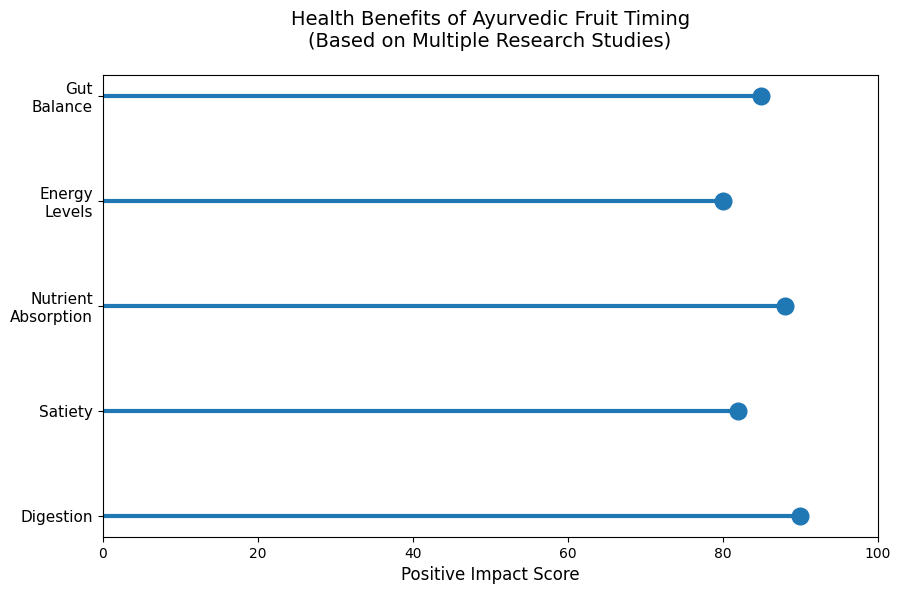
Interestingly, I found that modern science supports several Ayurvedic teachings regarding fruit consumption. Research suggests that eating fruit in the morning may enhance energy levels and improve digestion.
1. The Role of Fiber.
Fruits are a rich source of dietary fiber, which helps regulate bowel movements and prevent constipation. Fiber also helps maintain blood sugar levels and may reduce the risk of heart disease.
2. Impact on Blood Sugar Levels.
I also learned that eating fruits on an empty stomach or between meals may help prevent blood sugar spikes and crashes, which often happen when fruits are consumed with other carbohydrates or sugars. This aligns closely with Ayurvedic recommendations.
3. Antioxidant Properties.
Fruits like berries, citrus fruits, and apples are high in antioxidants, which help protect the body from oxidative stress. Ayurveda traditionally emphasizes the cleansing properties of fruits, which modern science now attributes to these antioxidants.
Ayurvedic Fruit Timing- My Personal Experience.
I am Mandy, Cooporate Officer from Alaska, after following Ayurvedic fruit timing for a few weeks, I genuinely noticed a difference in my digestion and energy levels. Earlier, I used to eat fruits randomly, often after meals or late at night, which left me feeling bloated and sluggish. But once I started eating fruits in the morning on an empty stomach, as Ayurveda recommends, my body felt lighter, my digestion improved, and I even experienced better mental clarity throughout the day. It became a simple habit that made me feel more connected to mindful eating and overall wellness.
“Following Ayurvedic fruit timing helped me improve my digestion, boost my energy, and feel lighter throughout the day.”

Frequently Asked Questions.
1. Can I eat fruit at night if I have a sweet craving?
While Ayurveda generally advises against eating fruits at night, I learned that if I do crave something sweet, it’s better to choose lighter fruits like apples or pears and avoid high-sugar fruits like bananas.
2. What fruits are best for each dosha?
Vata: Warm fruits like cooked apples, peaches, and berries
Pitta: Cooling fruits like melons, grapes, and pears
Kapha: Astringent fruits like apples, pomegranates, and cranberries
3. Can I drink fruit juice instead of eating whole fruits?
From what I learned in Ayurveda, whole fruits are preferred over fruit juices because the fiber supports digestion and helps release sugars more slowly into the bloodstream.
Bottom Line.
For me, the Ayurvedic approach to fruit consumption feels deeply connected to the rhythms of nature and the body’s internal balance. By eating fruits at the right time and in the right way, I found it easier to enjoy their health benefits while avoiding common digestive issues. Whether you follow a strict Ayurvedic lifestyle or simply want to practice more mindful eating, these ancient teachings around fruits offer practical guidance that can genuinely support well-being.
I’ve realized that Ayurveda is ultimately about balance, and when it comes to fruits, the right time, type, and method of consumption truly make a difference.
+3 Sources
Verywel Fit has strict sourcing guidelines and relies on peer-reviewed studies, educational research institutes, and medical organizations. We avoid using tertiary references. You can learn more about how we ensure our content is accurate and up-to-date by reading our editorial policy.
- Effect of Sequence of Fruit Intake in a Meal on Satiety; https://www.mdpi.com/1660-4601/16/22/4464
- PHYSIOLOGICAL APPROACH TOWARDS AAHARA SEVANA KAALA (RIGHT TIME FOR FOOD); https://jahm.co.in/index.php/jahm/article/view/378
- Traditional methods of food habits and dietary preparations in Ayurveda—the Indian system of medicine; https://link.springer.com/article/10.1186/s42779-019-0016-4