
















 Workout

 Meditation






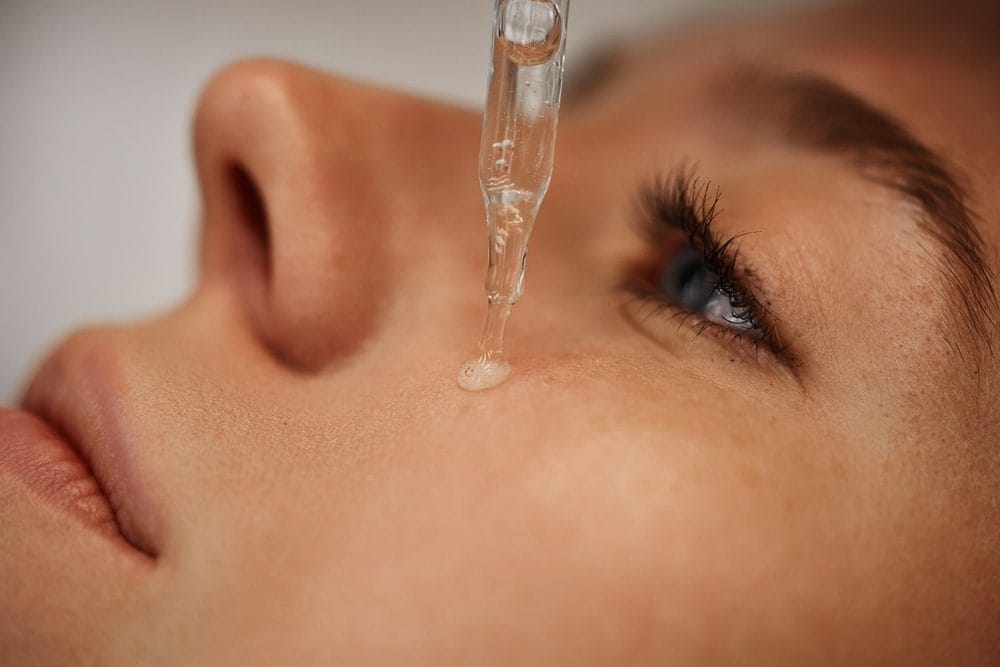
Hyperpigmentation, a common skin condition characterized by dark patches or spots on the skin, can be a source of distress for many individuals. In recent years, at-home Intense Pulsed Light (IPL) devices have emerged as a potential solution for treating hyperpigmentation conveniently and cost-effectively.
However, the effectiveness and safety of these devices have been a subject of debate among experts. In this article, we delve into the opinions and insights of skin care professionals to explore what experts have to say about using at-home IPL for hyperpigmentation. By examining their perspectives, we aim to provide a comprehensive understanding of the benefits, limitations, and potential risks associated with this increasingly popular treatment option.
benefits of IPL for Hyperpigmentation.
IPL (Intense Pulsed Light) is a non-invasive cosmetic procedure that uses broad-spectrum light to target and treat various skin conditions, including hyperpigmentation. Hyperpigmentation refers to the darkening of certain areas of the skin due to an excess production of melanin, the pigment responsible for skin color. IPL treatment offers numerous benefits for individuals struggling with hyperpigmentation, including:
1. Reduction of Dark Spots.
IPL emits high-intensity light pulses that are absorbed by the excess melanin in the skin, causing it to break down and disperse. As a result, dark spots, age spots, and sunspots caused by hyperpigmentation gradually fade, leading to a more even skin tone.
Related Stories
 What is Skin Cycling And Its Benefits For Skin and Acne?
 The Power of Rosemary and Grapeseed Oil for Hair: A Comprehensive Guide
2. Improved Overall Complexion.
By targeting and minimizing hyperpigmentation, IPL treatments can significantly improve the overall complexion of the skin. This can result in a more youthful, radiant, and rejuvenated appearance.

3. Non-Invasive and Minimal Downtime.
IPL is a non-invasive procedure that does not require any incisions or surgery. Unlike other treatments for hyperpigmentation, such as chemical peels or laser resurfacing, IPL has minimal downtime, allowing individuals to resume their daily activities immediately after treatment.
4. Safe and Effective.
IPL treatment has been proven to be safe and effective for various skin types and tones. It specifically targets melanin without causing harm to the surrounding tissues, making it a suitable option for individuals with darker skin tones who may be more prone to hyperpigmentation.
5. Stimulates Collagen Production.
IPL not only targets hyperpigmentation but also stimulates collagen production in the deeper layers of the skin. Collagen is a protein that provides structural support to the skin, improving its elasticity, firmness, and overall texture.

6. Long-Lasting Results.
While individual results may vary, IPL treatments for hyperpigmentation can provide long-lasting results when accompanied by proper skincare and sun protection. Regular maintenance sessions may be recommended to maintain the desired outcome.
7. Versatility.
IPL can be customized to treat various types of hyperpigmentation, including melasma, post-inflammatory hyperpigmentation, and solar lentigines. This versatility allows individuals to address different forms of hyperpigmentation on different areas of the body.
8. Additional Skin Benefits.
In addition to reducing hyperpigmentation, IPL treatments can help address other common skin concerns such as fine lines, wrinkles, and enlarged pores. This multi-faceted approach makes IPL a comprehensive solution for overall skin improvement.
| 💡 Tips Verywel Fit.com It is important to consult with a qualified dermatologist or aesthetician to determine if IPL is the right treatment option for your specific type and severity of hyperpigmentation. They can assess your skin condition, recommend an appropriate treatment plan, and guide you through the process to achieve optimal results. |
Limitations of IPL for Hyperpigmentation.
While IPL can yield satisfactory results for many individuals, it is important to understand its limitations and potential drawbacks. Here are some key limitations of IPL for hyperpigmentation:
1. Skin type restrictions.
IPL may not be suitable for all skin types. It is most effective for fair to light brown skin tones and may not offer optimal results for darker skin tones due to the risk of pigmentation changes or burns. This limitation arises from the specific wavelengths of light used in IPL treatment, which may not adequately target melanin in darker skin.
2. Variable effectiveness.
The effectiveness of IPL in treating hyperpigmentation can vary from person to person. Factors such as the severity and depth of pigmentation, underlying causes, skin sensitivity, and individual response to treatment can influence the outcome.
Some individuals may experience significant improvement, while others may observe only subtle changes or no noticeable difference at all.

3. Multiple sessions required.
Treating hyperpigmentation with IPL generally requires multiple sessions. Depending on the severity of the pigmentation and the desired results, several treatments may be necessary, typically spaced a few weeks apart. This can be time-consuming and may require more commitment from patients compared to other treatment options.
4. Potential side effects.
Like any medical procedure, IPL carries the risk of potential side effects. Although uncommon, these can include temporary redness, swelling, skin irritation, blistering, or crusting. In rare cases, pigmentation changes, such as hypo- or hyperpigmentation, may occur.
It is crucial to consult with a qualified professional and discuss the potential risks and benefits of IPL before proceeding with the treatment.
5. Limited efficacy for certain types of hyperpigmentation.
IPL is generally effective in treating sunspots, age spots, and general hyperpigmentation caused by sun exposure or aging. However, it may not be as effective in addressing other types of pigmentation issues, such as melasma, post-inflammatory hyperpigmentation (PIH), or deeper pigmentation due to hormonal imbalances. In such cases, alternative treatments or a combination of therapies may be more suitable.
6. Maintenance and sun protection.
Even after achieving the desired results with IPL, hyperpigmentation may reoccur over time due to various factors, including sun exposure and hormonal changes.
Maintaining the results often requires ongoing sun protection practices, such as using sunscreen daily, wearing protective clothing, and avoiding prolonged sun exposure. Failure to do so may result in the return of pigmentation, necessitating additional IPL sessions or alternative treatments.
| 💡 Tips Verywel Fit.com While IPL can be an effective treatment option for hyperpigmentation, it is important to be aware of its limitations and potential drawbacks. Consulting with a dermatologist or skincare professional is crucial to determine the most suitable treatment approach based on individual circumstances, skin type, and desired outcomes. |
Risk of using IPL for Hyperpigmentation.
IPL, or Intense Pulsed Light, is a popular treatment option for various skin conditions, including hyperpigmentation. However, it is essential to consider the potential risks associated with this procedure.
1. Skin Irritation.
IPL treatments involve emitting intense light pulses onto the skin, which can cause immediate redness, swelling, or inflammation. Individuals with sensitive skin may experience more significant irritation, leading to discomfort or prolonged recovery time.
2. Hypopigmentation.
While IPL aims to reduce hyperpigmentation, there is a risk of hypopigmentation, which refers to the lightening or loss of skin pigment. This occurs when the intense light energy targets and damages the melanin-producing cells responsible for skin coloration. Hypopigmentation can result in uneven skin tone or white patches, especially in individuals with darker skin tones.
3. Hyperpigmentation Worsening.
In some cases, IPL can trigger paradoxical hyperpigmentation, which refers to the darkening of the treated area rather than lightening it. This adverse effect may occur due to excessive heat generated during the procedure or improper settings used during treatment. It is crucial to undergo a thorough consultation and assessment before proceeding with IPL to minimize the risk of worsening hyperpigmentation.
4. Burns and Blisters.
IPL treatments involve the application of intense heat to the skin, which can occasionally lead to burns or blisters. This risk is higher when the procedure is performed by an inexperienced or untrained practitioner or when unsuitable settings are used for the individual’s skin type or condition.
5. Post-Inflammatory Hyperpigmentation.
Following IPL treatment, some individuals may experience post-inflammatory hyperpigmentation (PIH), which refers to the darkening of the skin in response to inflammation or injury. This risk is heightened in individuals with a history of PIH or those prone to developing it. Strict adherence to post-treatment care, including sun protection and avoiding irritants, is crucial in minimizing the risk of PIH.
6. Eye Injury.
IPL emits intense light pulses that can be harmful to the eyes. Proper protective eyewear must be worn by both the patient and the practitioner during the procedure. Failure to do so can result in eye injuries, such as burns or damage to the retina.
7. Ineffective Results.
While IPL can be effective in treating hyperpigmentation, there is no guarantee of complete eradication or significant improvement. The results may vary depending on the individual’s skin type, the severity and type of hyperpigmentation, and the skill and expertise of the practitioner.
| 💡 Tips Verywel Fit.com It is important to consult with a qualified dermatologist or skincare professional who can assess your specific situation and determine if IPL is the appropriate treatment option for your hyperpigmentation. They will also provide guidance on the potential risks and benefits, ensuring you make an informed decision about your skincare journey. |
At home IPL for Hyperpigmentation: What do Experts Say?
At-home IPL (Intense Pulsed Light) devices have gained popularity as a self-treatment option for hyperpigmentation. However, when it comes to the effectiveness of these devices, experts have mixed opinions. Some experts argue that at-home IPL devices may not deliver the same level of intensity and precision as professional treatments, potentially leading to less noticeable results.
They also emphasize the importance of understanding the underlying cause of hyperpigmentation before attempting any treatment, as certain conditions may require medical intervention.
On the other hand, some experts believe that at-home IPL devices can be effective for mild cases of hyperpigmentation and can provide a convenient and cost-effective alternative to professional treatments.
Ultimately, it is crucial to consult with a dermatologist or other skincare professionals to assess the suitability of at-home IPL for your specific condition and receive proper guidance on usage and any potential risks.
Bottom Line.
Experts have expressed mixed opinions regarding the use of at-home IPL devices for hyperpigmentation treatment. While some believe that these devices can be effective and safe when used correctly, others caution against their use due to potential risks and lack of professional supervision.
It is important for individuals considering at-home IPL treatment to consult with a dermatologist or skincare professional to assess their specific condition and determine the most appropriate treatment plan.
Additionally, proper education and adherence to safety guidelines are crucial to minimize the risk of adverse effects. Further research and long-term studies are needed to establish the efficacy and safety of at-home IPL devices for hyperpigmentation treatment.