








 Workout

 Meditation






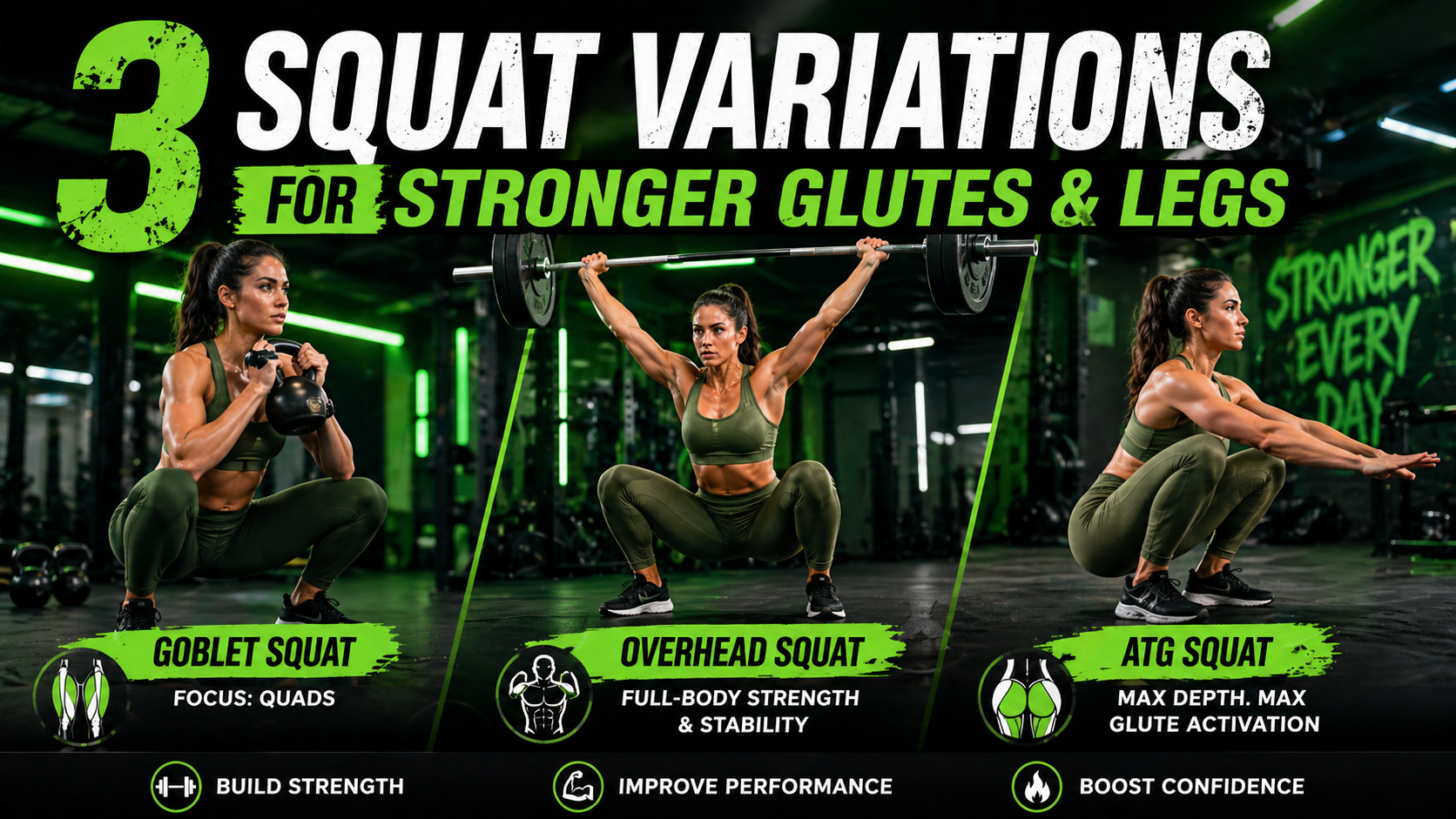
The squat is one of the most effective and widely practiced exercises in the world when it comes to building lower body strength. Whether your goal is to develop stronger quadriceps, more powerful glutes, or overall athletic performance, squats are a foundational movement that should never be ignored.
However, doing the same type of squat repeatedly can lead to plateaus, reduced muscle stimulation, and even boredom. That’s where variations come in.
In this article, we’ll explore three powerful squat variations—goblet squat, overhead squat, and ATG squat—and also dive deeper into technique, benefits, common mistakes, programming tips, and advanced insights to help you maximize your results.
Why Squat Variations Matter?
Before jumping into the exercises, it’s important to understand why varying your squat routine is beneficial.
Related Stories
 How To Relieve Eye Strain Fast : 14 Proven Ways, Exercises and Diet
 Which Exercises Would Be Best For Improving Your Push Up Test?
- Targets different muscle groups.
- Improves mobility and stability.
- Prevents workout plateaus.
- Reduces injury risk.
- Enhances overall athletic performance.
Each squat variation shifts the load and mechanics slightly, creating a new stimulus for muscle growth.
1. Goblet Squat – Emphasizing the Quadriceps.
In the goblet squat, the load is positioned in front of the body, typically held close to the chest using a dumbbell or kettlebell.(1)
This forward positioning changes the biomechanics of the movement.
How It Works?
- The torso remains more upright.
- Knees travel further forward.
- Greater emphasis is placed on quadriceps activation.
Key Benefits.
- Excellent for beginners.
- Improves squat form and posture.
- Reduces lower back strain.
- Enhances core engagement.
How to Perform?
- Hold a dumbbell or kettlebell close to your chest.
- Stand with feet shoulder-width apart.
- Lower your body while keeping your chest upright.
- Push through your heels to return to standing.
Pro Tip.
Keep the weight close to your body. If it drifts forward:
- Lower back stress increases.
- Balance decreases.
- Performance drops.
Common Mistakes.
- Letting knees cave inward.
- Leaning too far forward.
- Holding weight away from chest.
If your goal is stronger quads, this is one of the best squat variations to include.
2. Overhead Squat – Full Body Integration.
The overhead squat is one of the most technically demanding squat variations. Popular in CrossFit, it requires coordination, mobility, and strength across the entire body.
How It Works?
- The barbell is held overhead.
- Core must stabilize the spine.
- Shoulders and upper back are heavily engaged.
Muscles Worked.
- Quadriceps.
- Glutes.
- Core.
- Shoulders.
- Trapezius.
Key Benefits.
- Improves mobility (ankles, hips, shoulders).
- Builds total-body strength.
- Enhances balance and coordination.
- Develops core stability.
How to Perform?
- Hold a barbell overhead with arms fully extended.
- Keep shoulders engaged and stable.
- Lower into a squat while maintaining balance.
- Keep the bar aligned over your midfoot.
Challenges.
- Requires good shoulder mobility.
- Stability is often the limiting factor.
- Difficult for beginners.
Pro Tip.
Start with a PVC pipe or light bar before progressing to heavier weights.
Common Mistakes.
- Letting the bar move forward.
- Rounding the back.
- Losing balance.
This is the ultimate squat for those who want a full-body challenge.
3. ATG Squat – Maximum Depth for Glute Activation.
The ATG (Ass to Grass) squat focuses on achieving maximum depth, which significantly increases glute activation.
How It Works?
- Deeper squat = greater hip flexion.
- Increased stretch on glutes.
- Higher muscle activation.
Key Benefits.
- Maximizes glute engagement.
- Improves mobility.
- Enhances strength through full range of motion.
- Builds functional strength.
How to Perform?
- Stand with feet shoulder-width apart.
- Lower your body as deep as possible.
- Keep heels on the ground.
- Maintain a neutral spine.
Mobility Requirements.
- Ankle flexibility.
- Hip mobility.
- Knee stability.
Pro Tip.
If you struggle with depth:
- Use heel elevation.
- Work on ankle mobility.
Common Mistakes.
- Rounding the lower back.
- Lifting heels off the ground.
- Forcing depth without mobility.
If your goal is glute growth, this variation is extremely effective.
Additional Squat Variations You Should Know.
To further enhance your training, consider adding these variations:
1. Bulgarian Split Squat.
- Single-leg movement.
- Improves balance and stability.
- Great for correcting muscle imbalances.
2. Sumo Squat.
- Wider stance.
- Targets inner thighs and glutes.
3. Box Squat.
- Helps improve squat depth and control.
- Reduces injury risk.
Muscles Targeted in Squats.
Squats are a compound movement that targets multiple muscle groups:
- Quadriceps.
- Gluteus maximus.
- Hamstrings.
- Core muscles.
- Lower back.
Each variation shifts the emphasis slightly, allowing you to train your legs more effectively.
How to Program Squat Variations?
Beginner Plan
- 2–3 squat sessions per week.
- Focus on form.
- Use goblet squats.
Intermediate Plan.
- Mix 2–3 variations.
- Add progressive overload.
- Include overhead squats for mobility.
Advanced Plan.
- Combine all variations.
- Use periodization.
- Focus on strength + hypertrophy.
Best Rep Ranges.
- Strength: 3–6 reps.
- Muscle growth: 8–12 reps.
- Endurance: 12–20 reps.
Importance of Progressive Overload.
To see results, you must gradually increase:
- Weight.
- Reps.
- Intensity.
Without progression, your body adapts and growth stops.
Warm-Up Routine Before Squats.
Never skip your warm-up. It helps prevent injury and improves performance.
Recommended Warm-Up.
- Leg swings.
- Hip circles.
- Bodyweight squats.
- Light cardio.
Recovery Tips.
Recovery is just as important as training.
- Get 7–9 hours of sleep.
- Stay hydrated.
- Stretch after workouts.
- Allow rest days.
Common Squat Mistakes to Avoid.
- Poor posture.
- Not going deep enough.
- Lifting too heavy too soon.
- Ignoring mobility.
- Fixing these mistakes can dramatically improve your results.
Nutrition for Better Results.
To build stronger legs and glutes:
Eat More Protein.
- Helps muscle growth
- Improves recovery
Stay in Calorie Balance.
- Surplus → muscle gain
- Deficit → fat loss
Hydration.
- Essential for performance
Final Thoughts.
Squats are one of the most powerful exercises you can include in your workout routine. But doing the same variation repeatedly limits your progress.
By incorporating:
- Goblet squats
- Overhead squats
- ATG squats
You can target your muscles from different angles, improve mobility, and build stronger, more defined legs and glutes.
If you want better results, don’t just squat—squat smarter.
Use variations, focus on technique, and stay consistent. Over time, you’ll build strength, improve performance, and achieve the lower body results you’re aiming for.
+1 Source
VerywelFit has strict sourcing guidelines and relies on peer-reviewed studies, educational research institutes, and medical organizations. We avoid using tertiary references. You can learn more about how we ensure our content is accurate and up-to-date by reading our editorial policy.
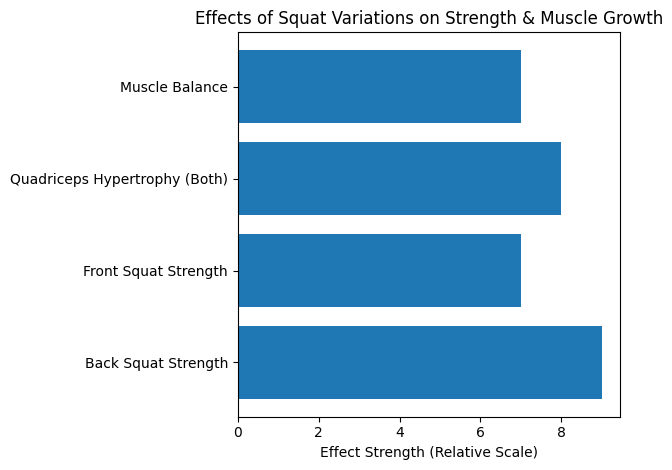
- The effects of squat variations on strength and quadriceps hypertrophy adaptations in recreationally trained females; https://pmc.ncbi.nlm.nih.gov/articles/PMC11235860/