











 Workout

 Meditation






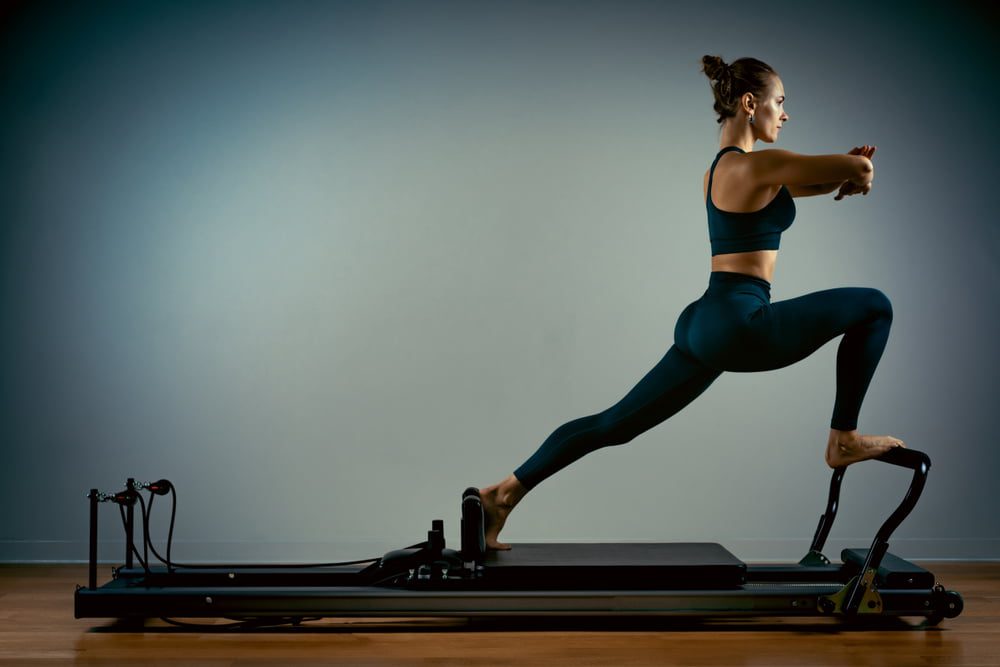
Reformer Pilates and Mat Pilates are two popular forms of exercise that focus on improving strength, flexibility and overall body awareness. While both methods share the same principles and origins, they differ in terms of equipment used and the intensity of the workout. Reformer Pilates involves the use of a specially designed machine called a reformer which utilizes springs, pulleys and a sliding carriage to provide resistance and support. On the other hand, Mat Pilates is performed solely on a mat, using body weight and gravity as resistance. In this article, we will explore the similarities and differences between these two Pilates techniques to help you determine which one suits your goals and preferences.
What Is Mat Pilates?
Mat Pilates is a form of exercise that focuses on improving core strength, flexibility and overall body alignment. Derived from the traditional Pilates method developed by Joseph Pilates, Mat Pilates is performed on a mat using body weight and gravity as resistance.
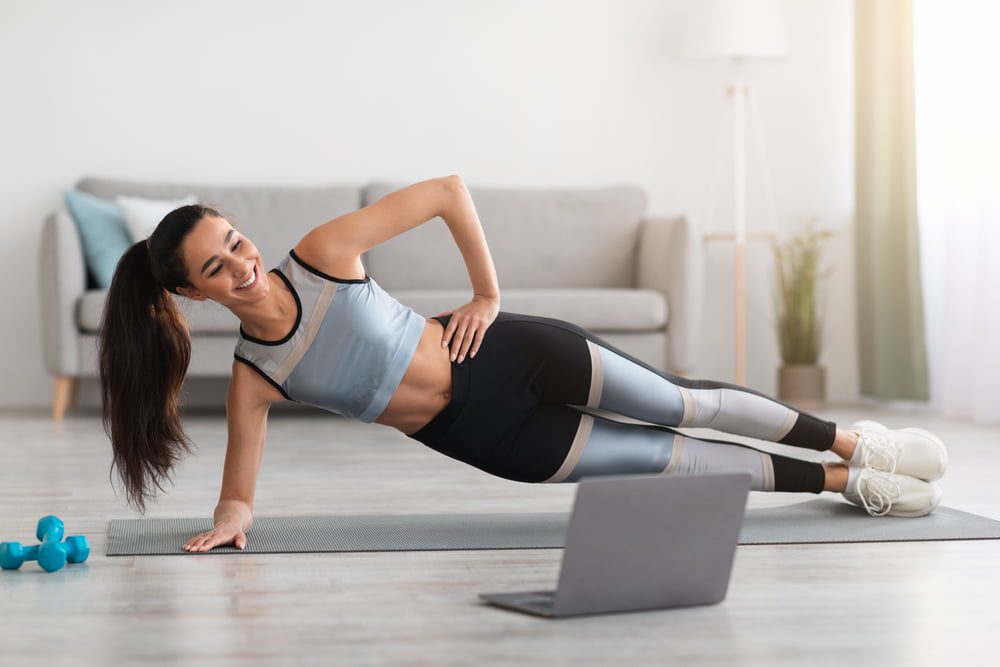
It involves a series of controlled movements that target the deep muscles of the abdomen, back, hips and glutes. By engaging the core muscles and promoting proper posture, Mat Pilates can help to improve balance, stability and posture. It also emphasizes breath control and concentration, creating a mind body connection that enhances body awareness and promotes relaxation.
Mat Pilates is suitable for all fitness levels and can be modified to accommodate individual needs and goals. Whether you are a beginner or an experienced practitioner, Mat Pilates offers a versatile and effective workout that can contribute to overall strength, flexibility and wellbeing.
Related Stories
 How Can I Make Sure I Am Losing Fat Not Muscle?
 Can a Magnetic Belt Really Reduce Belly Fat: What Does Expert Say?
Benefits of Mat Pilates.
There are numerous benefits of practicing Mat Pilates, a form of exercise that focuses on core strength, flexibility and body awareness. Some of the key advantages include:
1. Enhanced Core Strength.
Mat Pilates mainly targets the deep core muscles, including the abdominals, obliques and lower back. Regular practice can result in a stronger core, leading to improved posture, stability and overall body strength.
2. Increased Flexibility.
Mat Pilates exercises aim to lengthen and stretch muscles, helping to improve flexibility and joint mobility. This can be particularly beneficial for individuals with tight muscles or those seeking to increase their range of motion.
3. Improved Posture and Alignment.
By strengthening the core and promoting body awareness, Mat Pilates helps to correct poor posture and alignment. It encourages proper spinal alignment which can alleviate discomfort and reduce the risk of injuries caused by poor posture.

4. Better Balance and Coordination.
Mat Pilates exercises often involve movements that challenge balance and coordination. By incorporating these elements into the workout, practitioners can improve their balance and develop better coordination skills that can be applied to various daily activities.
5. Low Impact and Gentle on Joints.
Unlike many other forms of exercise, Mat Pilates is low impact, meaning it puts less stress on the joints. This makes it suitable for individuals with joint issues, arthritis or those recovering from injuries, as it allows them to exercise in a safe and controlled manner.
6. Stress Relief.

Mat Pilates not only strengthens the body but also works to calm the mind. The focus on controlled breathing, concentration and mindfulness during the exercises promotes relaxation and reduces stress levels, providing a holistic approach to wellbeing.
7. Increased Body Awareness.
Mat Pilates emphasizes body awareness, encouraging practitioners to connect with and understand their bodies better. This increased awareness translates into improved control over movements, leading to better form, stability and overall physical performance.
8. Versatility and Accessibility.
Mat Pilates can be practiced almost anywhere with minimal equipment, making it highly accessible. Whether at home, in a gym or even outdoors, individuals can perform various exercises using just a mat, making it a convenient option for those with busy schedules.
9. Rehabilitation and Injury Prevention.
Mat Pilates is frequently recommended by healthcare professionals as a part of rehabilitation programs for injuries, particularly those related to the spine or core. The gentle and controlled movements help to strengthen weak muscles, improve flexibility and aid in injury prevention.
10. Body Toning and Weight Management.
Consistent practice of Mat Pilates can lead to improved muscle tone and definition throughout the body. The exercises engage multiple muscle groups simultaneously, helping to burn calories and support weight management goals.
| 💡 Tips Verywel Fit.com The benefits of Mat Pilates extend beyond physical fitness. By strengthening the core, improving flexibility, enhancing posture, and promoting overall well-being, this form of exercise provides a holistic approach to achieving a strong, balanced, and healthy body. |
What Is Reformer Pilates?
Reformer Pilates is a form of exercise that utilizes a machine called a reformer to enhance strength, flexibility and overall body conditioning. This method of Pilates involves performing various exercises on a sliding carriage that is attached to springs, providing resistance and assistance as needed. The reformer is equipped with straps, pulleys and handles to target specific muscle groups and promote proper alignment and control.
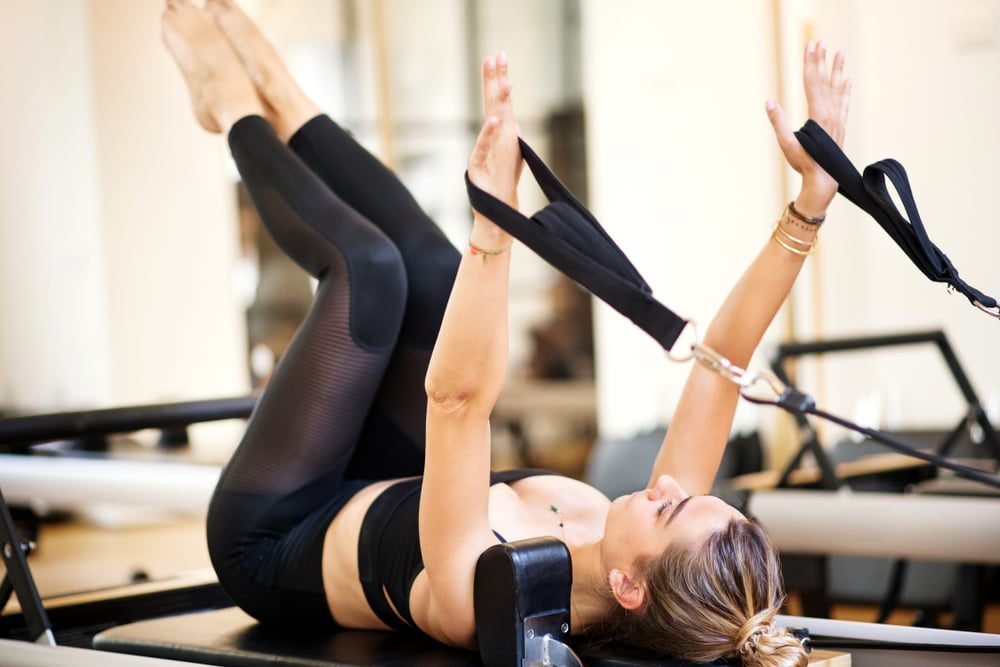
By working against the resistance provided by the springs, Reformer Pilates helps to engage the core, improve posture and increase overall body awareness. This low impact workout is suitable for people of all fitness levels and can be customized to meet individual needs and goals. Reformer Pilates offers a comprehensive workout that challenges the body while promoting balance, coordination and muscle tone.
Benefits of Reformer Pilates.
Reformer Pilates exercise offers numerous benefits for individuals of all fitness levels. Here are some key advantages of practicing Reformer Pilates:
1. Full Body Workout.
Reformer Pilates engages and strengthens various muscle groups throughout the body, providing a comprehensive workout that targets both large and small muscles. It helps improve core strength, stability, flexibility and overall muscle tone.
2. Improved Posture.
Regular Reformer Pilates practice can help to correct poor posture by strengthening the muscles that support the spine. It focuses on elongating the spine, promoting proper alignment and enhancing postural awareness, leading to a more upright and balanced posture.
3. Increased Flexibility.
Reformer Pilates incorporates exercises that work on stretching and lengthening muscles, promoting improved flexibility and joint mobility. It helps to increase the range of motion in the body, making everyday movements easier and reducing the risk of injuries.
4. Enhanced Core Strength.
The core muscles which include the abdominals, back and pelvic floor muscles, play a crucial role in stabilizing the body and supporting proper movement. Reformer Pilates specifically targets these muscles, leading to improved core strength and stability. A strong core not only enhances athletic performance but also helps to prevent back pain and improves overall body control.
5. Low Impact and Joint Friendly.
The gentle nature of Reformer Pilates makes it a suitable exercise option for individuals with joint issues, musculoskeletal conditions or those recovering from injuries. The resistance provided by the reformer machine can be adjusted according to individual needs, allowing for a low impact workout that reduces stress on the joints.
6. Increased Body Awareness.
Reformer Pilates emphasizes precision, control and mindful movement. By focusing on proper alignment and execution of each exercise, practitioners develop a heightened sense of body awareness. This increased awareness carries over into everyday life, promoting better body mechanics and movement patterns.
7. Stress Relief.
Like other forms of exercise, Reformer Pilates releases endorphins also known as “feel-good” hormones which help to reduce stress and improve mood. The rhythmic breathing techniques utilized in Reformer Pilates also promote relaxation and mindfulness, providing a mental escape from daily stresses.
8. Customizable for All Fitness Levels.
Reformer Pilates offers a wide range of exercises that can be modified to suit individual fitness levels, making it accessible for beginners and challenging enough for advanced practitioners. The reformer’s adjustable spring resistance allows for progressive overload, ensuring continuous growth and improvement as fitness levels increase.
| 💡 Tips Verywel Fit.com Reformer Pilates offers a multitude of benefits, including a full body workout, improved posture, flexibility, core strength, joint friendly exercise, increased body awareness, stress relief and adaptability to all fitness levels. Incorporating Reformer Pilates into a fitness routine can lead to enhanced physical and mental wellbeing, ultimately contributing to a healthier and more balanced lifestyle. |
Mat Pilates vs Reformer Pilates.
How to Choose Between Mat Pilates vs. Reformer Pilates?
When it comes to selecting the perfect Pilates practice for yourself, the decision between Mat Pilates and Reformer Pilates can be quite overwhelming. However, by carefully considering various factors, such as your fitness goals, preferences and physical abilities, you can make an informed choice that best suits your individual needs. Here are some essential points to help you navigate the decision making process between Mat Pilates and Reformer Pilates:
1. Fitness Goals.
Begin by identifying your specific fitness objectives. Mat Pilates is an excellent choice if you aim to enhance core strength, improve flexibility and achieve overall body toning.
On the other hand, Reformer Pilates offers a wider range of exercise possibilities, making it ideal for those seeking targeted muscle strengthening, increased stability and advanced body conditioning.
2. Personal Preferences.
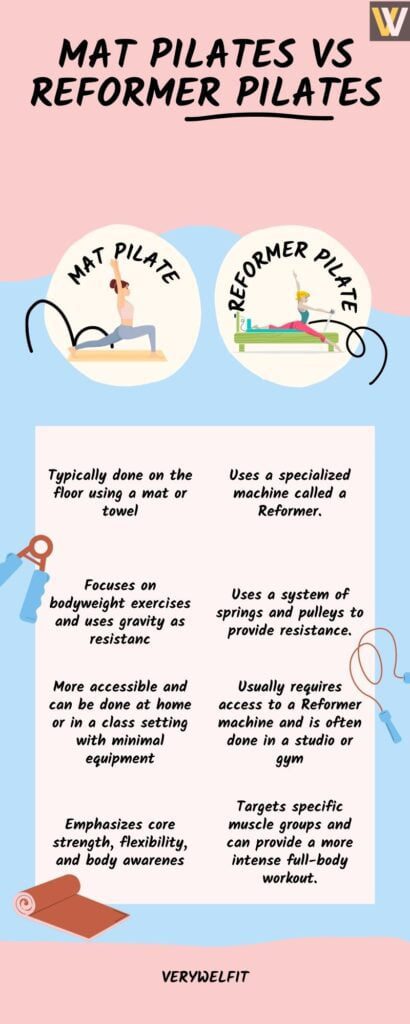
Consider your personal preferences and the environment in which you prefer to exercise. Mat Pilates is typically performed on a mat or floor, requiring little to no equipment. This option may be more appealing if you enjoy a group setting, have limited space or prefer a portable, accessible practice.
Conversely, Reformer Pilates involves the use of a specialized machine called a reformer, offering a more personalized and challenging workout experience. If you prefer a private or semi private setting and desire a greater variety of exercises, Reformer Pilates might be the better choice for you.
3. Physical Abilities.
Assess your current physical abilities and any specific limitations or conditions you may have. Mat Pilates generally offers modifications for different fitness levels, making it suitable for beginners or individuals with certain physical restrictions. It provides a low impact workout that can be easily adapted to accommodate injuries or chronic conditions.
Reformer Pilates, on the other hand may require a higher level of coordination, balance and strength. If you are already physically active and have no significant limitations, Reformer Pilates can provide a more challenging and dynamic workout.
4. Professional Guidance.
Consider seeking professional guidance from a certified Pilates instructor. They can assess your needs and provide expert advice on which option aligns best with your goals and abilities. An instructor can also guide you through proper form, technique and progression, ensuring you maximize the benefits of either Mat or Reformer Pilates.
5. Variety and Progression.
Finally, reflect on the level of variety and progression you desire in your Pilates practice. Mat Pilates offers a wide range of exercises that can be modified and progressed as you advance, but it may lack the variation and resistance offered by Reformer Pilates.
Reformer Pilates with its adjustable springs and straps allows for greater resistance and a more diverse range of exercises, thus providing constant challenges and opportunities for growth.
| 💡 Tips Verywel Fit.com Ultimately, the choice between Mat Pilates and Reformer Pilates depends on your personal preferences, fitness goals, physical capabilities and access to equipment and professional guidance. Remember, both options offer immense benefits for strength, flexibility, posture and overall wellbeing. By carefully considering these factors, you can confidently select the Pilates practice that suits you best, setting yourself up for a fulfilling and transformative journey towards a healthier and stronger body. |
Reformer Pilates Vs Mat Pilates: Which One is Better?
The debate between reformer Pilates and mat Pilates often revolves around personal preferences and individual fitness goals. Reformer Pilates utilizes a machine that provides resistance and support, allowing for a wider range of exercises and variations. This makes it ideal for those seeking a challenging and dynamic workout that targets specific muscle groups and improves overall strength and flexibility.
On the other hand, mat Pilates relies solely on body weight and gravity, focusing on core strength, balance and stability. It can be a more accessible option for beginners or those looking for a low impact workout. Ultimately, the choice between reformer Pilates and mat Pilates depends on one’s fitness level, desired results and personal preferences.
Bottom Line.
The debate between reformer Pilates and mat Pilates ultimately boils down to personal preference and individual fitness goals. Both forms of Pilates offer unique benefits and can be effective in improving strength, flexibility and overall body conditioning. Reformer Pilates provides additional resistance and assists in targeting specific muscles, making it ideal for individuals seeking a more intense workout or rehabilitation. On the other hand, mat Pilates offers a more accessible and affordable option that focuses on bodyweight exercises and core strength. Ultimately, the choice between reformer Pilates and mat Pilates comes down to what works best for each individual’s needs, preferences and fitness level. It is recommended to consult with a qualified instructor to determine which form of Pilates aligns with one’s goals and abilities and to consider combining both methods for a well rounded fitness routine.