












 Workout

 Meditation





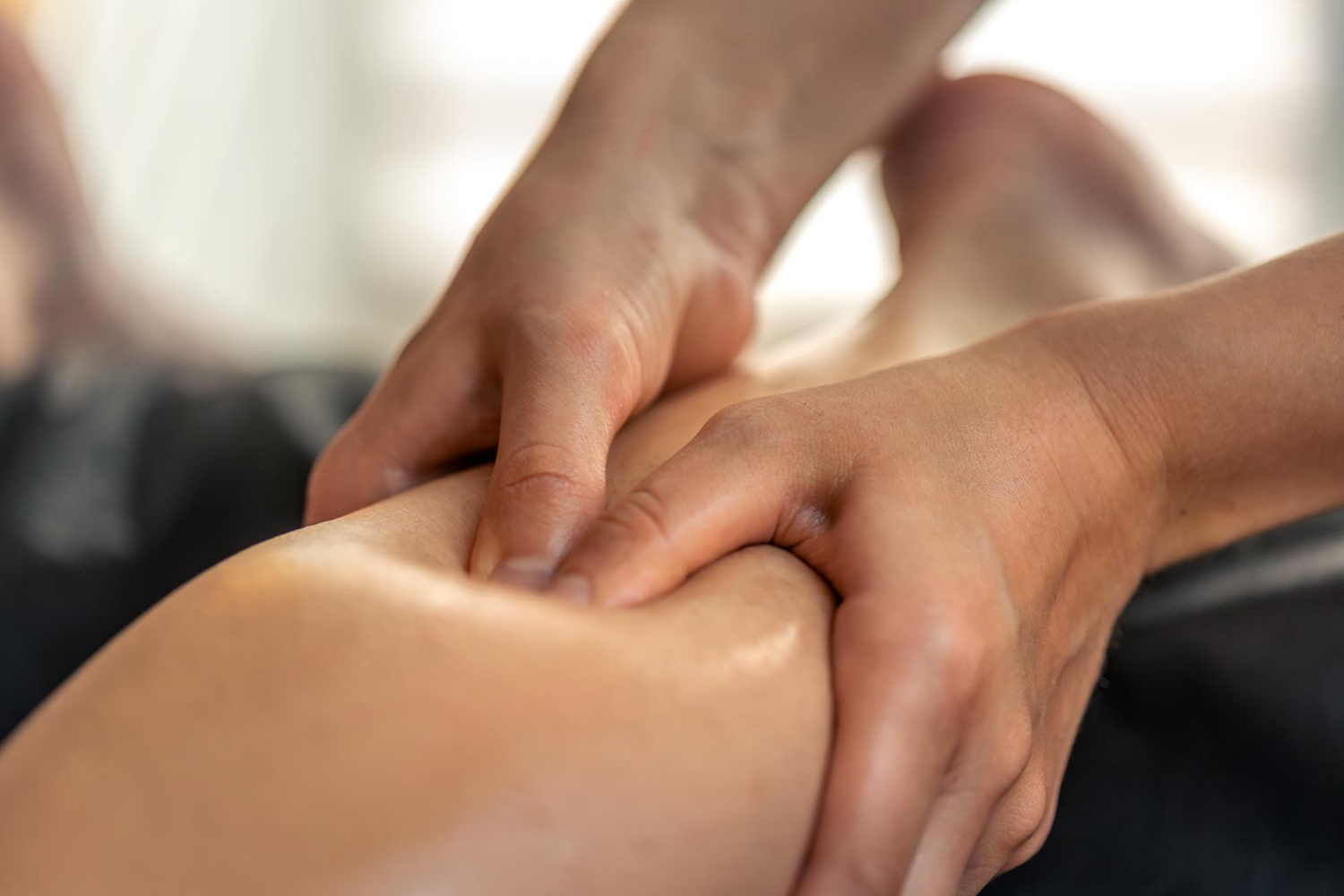
Shiatsu massage is a Japanese form of therapeutic bodywork that uses finger, thumb, palm, and sometimes elbow pressure along specific areas of the body. The word Shiatsu translates approximately to “finger pressure.”
Unlike many Western massage techniques that rely primarily on kneading and rubbing muscles, Shiatsu traditionally uses rhythmic pressure, stretching, joint movement, and gentle body manipulation. Practitioners may apply pressure to particular points or pathways while the recipient remains fully clothed.
Shiatsu is often described as a complementary therapy intended to promote relaxation and support general well-being. It is also sometimes used by people experiencing muscular tension, stress, fatigue, or certain types of pain.
However, it is important to distinguish traditional explanations from modern scientific evidence. Shiatsu developed within Japanese therapeutic traditions and has conceptual links with East Asian medicine, while contemporary research has investigated whether its physical effects translate into measurable improvements in symptoms.
Related Stories
 How I Use Yoga Poses for Boxers to Improve Flexibility and Strength
 The Facial Exercises I Personally Use to Reduce Facial Fat and Boost My Glow
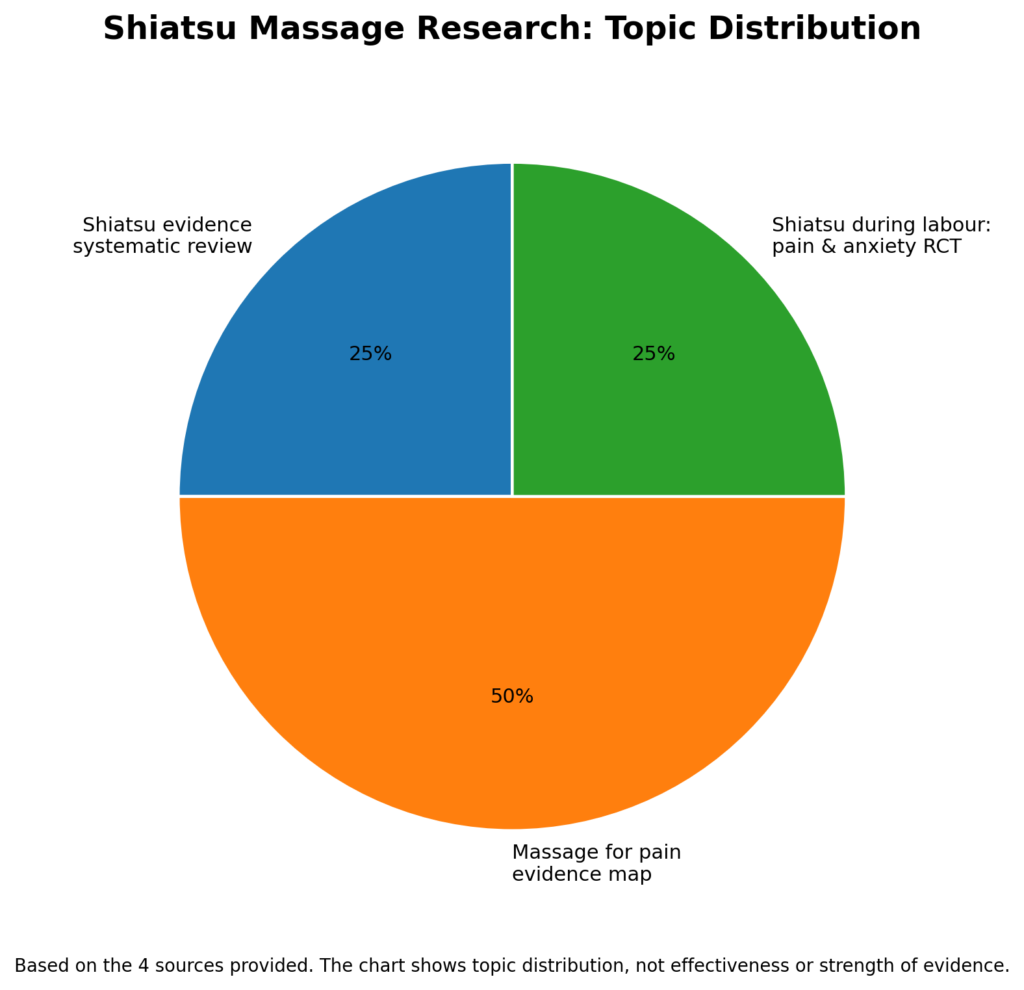
A systematic review examining Shiatsu and acupressure found that the evidence specifically supporting Shiatsu was limited, with relatively few high-quality clinical trials available. The researchers concluded that more rigorous research was needed before firm conclusions could be made about Shiatsu’s effectiveness.(1)
Therefore, Shiatsu is best understood as a complementary approach, rather than a replacement for medical diagnosis or evidence-based treatment.
How Does Shiatsu Massage Work?
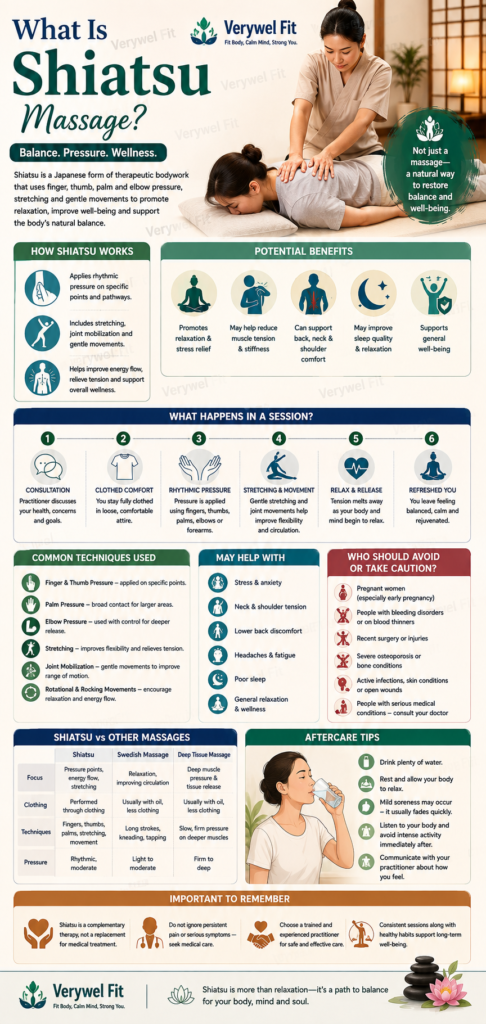
During a typical Shiatsu session, the practitioner uses controlled pressure on different parts of the body. Pressure may be applied with:
- Thumbs
- Fingers
- Palms
- Forearms
- Elbows, depending on the technique
- Occasionally knees or other body parts in certain approaches
The practitioner may also incorporate:

- Gentle stretching
- Joint mobilization
- Rotational movements
- Rocking
- Rhythmic pressure
- Assisted range-of-motion movements
A session usually takes place on a comfortable mat or massage table. Unlike oil-based massage, the recipient generally remains clothed.
The pressure is typically rhythmic rather than continuous. The practitioner adjusts intensity according to the person’s comfort, physical condition, age, and treatment goals.
From a modern physiological perspective, pressure and movement can stimulate sensory receptors in the skin, muscles, and connective tissues. Touch and manual therapy may also influence the perception of pain and contribute to relaxation.
However, some traditional Shiatsu explanations involve concepts such as ki, or vital energy, and pathways known as meridians. These traditional concepts should not be presented as scientifically established physiological structures.
The evidence surrounding Shiatsu itself remains relatively limited. A systematic review identified only nine Shiatsu studies among the literature it evaluated and concluded that the quantity and quality of evidence were insufficient for firm clinical conclusions.
What Happens During a Shiatsu Massage Session?
A Shiatsu appointment generally begins with a brief conversation between the practitioner and client.
The practitioner may ask about:
- Current discomfort
- Previous injuries
- Medical conditions
- Medications
- Activity level
- Stress
- Sleep
- Areas of tension
- Treatment expectations
This initial assessment is important because massage is not appropriate for every condition.
The client normally remains dressed in comfortable clothing. Loose trousers, a T-shirt, or similar clothing generally make movement easier.
The practitioner then positions the client and begins applying pressure.
Unlike a typical Swedish massage, you should not necessarily expect long, flowing strokes using massage oil. Shiatsu commonly emphasizes pressure, stretching, movement, and rhythmic contact.
A session may involve the practitioner working on the back, shoulders, arms, legs, hips, neck, hands, or feet.
The pressure should generally feel purposeful but tolerable.
Pain is not the goal.
If pressure becomes sharp, excessively painful, causes numbness, or feels otherwise inappropriate, communicate immediately with the practitioner.
What Are the Potential Benefits of Shiatsu Massage?
People seek Shiatsu for many different reasons, although the amount of scientific evidence supporting each use varies.
1. Relaxation and Stress Management.
One of the most common reasons people receive Shiatsu is relaxation.
Slow, rhythmic pressure and focused physical contact may create a calming experience. Massage more generally has been associated with relaxation and improvements in certain symptoms, although research quality varies between conditions and techniques.(2)
Shiatsu may therefore be useful as part of a broader relaxation routine.
However, it should not be promoted as a proven treatment for anxiety disorders, depression, or other mental health conditions.
If someone is experiencing persistent anxiety, depression, panic attacks, or significant psychological distress, professional mental health care should not be replaced by massage.
2. Muscle Tension.
Many people use Shiatsu when their muscles feel tight after prolonged sitting, repetitive activity, exercise, or everyday stress.
Manual pressure can temporarily change how a person perceives muscle tension and discomfort.
A Shiatsu session may be particularly appealing to people who prefer a massage style that combines pressure with stretching and movement.
Nevertheless, recurring muscle tension may have an underlying cause, such as poor ergonomics, inadequate recovery, weakness, excessive training load, or an underlying musculoskeletal condition.
Massage can address symptoms without necessarily correcting the underlying cause.
3. Pain Management.
Massage therapy has been studied for several pain conditions, including back, neck, shoulder, and other musculoskeletal problems.
NCCIH reports that massage may help certain pain conditions, although evidence is often limited and benefits may be short-term.
A broad evidence map of massage for pain identified 31 systematic reviews. Although some high-quality reviews suggested potential benefits for several pain conditions, none of the findings were rated as having moderate- or high-strength evidence.(3)
This is particularly important when discussing Shiatsu because research on massage therapy in general cannot automatically be interpreted as proof that Shiatsu itself works equally well.
4. Neck and Shoulder Discomfort.
Shiatsu may be appealing to people who experience tension around the shoulders and upper back.
Prolonged computer use, repetitive work, stress, and poor workstation setup can all contribute to neck and shoulder discomfort.
Massage may provide short-term symptom relief, but persistent or severe neck pain should be medically evaluated.
Symptoms such as weakness, numbness, severe headache, loss of coordination, trauma-related pain, or pain radiating into the arm warrant professional assessment rather than self-treatment with massage.
5. Lower Back Discomfort.
Massage therapy has been investigated for low-back pain, with some evidence suggesting short-term improvement.
NCCIH notes that evaluations of massage for low-back pain have found potential benefits, although the strength of evidence is not high and research has not established one massage style as clearly superior to others.
Shiatsu may therefore be considered a complementary option for some people with uncomplicated muscular discomfort.
It should not be used to delay evaluation of unexplained or persistent back pain.
6. Sleep and Relaxation.
Some people report feeling relaxed or sleepy after massage.
Shiatsu may support a relaxing bedtime routine, especially when stress or muscle tension makes relaxation difficult.
However, evidence specifically establishing Shiatsu as an effective treatment for insomnia is limited.
Persistent sleep problems should be evaluated for causes such as sleep apnea, medication effects, anxiety, depression, chronic pain, restless legs syndrome, or poor sleep habits.
7. General Well-Being.
Shiatsu is frequently used as a wellness practice rather than solely for treating a specific medical problem.
A person may seek a session simply because they enjoy therapeutic touch, stretching, quiet time, and relaxation.
This is a reasonable use of massage as long as expectations remain realistic.
Shiatsu Massage and Traditional Japanese Medicine.
Shiatsu emerged in Japan and developed from traditions involving manual therapy and pressure-based treatment.
Traditional Shiatsu theory often discusses ki and pathways through which energy is believed to flow.
Practitioners may evaluate the body according to traditional concepts rather than relying solely on Western anatomical models.
It is important to respect the historical and cultural context of Shiatsu while distinguishing traditional theory from modern biomedical evidence.
Modern research can evaluate outcomes such as pain, anxiety, physical function, and quality of life. It cannot automatically validate every traditional explanation for why a therapy works.
Shiatsu Massage vs Swedish Massage.
Shiatsu and Swedish massage can both involve therapeutic touch, but their techniques differ.
Shiatsu generally emphasizes:
- Finger and thumb pressure
- Rhythmic compression
- Stretching
- Joint movement
- Working through clothing
- Traditional Japanese therapeutic principles
Swedish massage commonly emphasizes:
- Long gliding strokes
- Kneading
- Friction
- Rhythmic movements
- Massage oil or lotion
- Direct manipulation of soft tissues
Neither approach is universally better.
The best choice depends on personal preference, treatment goals, physical condition, and the therapist’s training.
Shiatsu Massage vs Deep Tissue Massage.
Deep tissue massage is generally designed to apply sustained pressure to deeper layers of muscle and connective tissue.
Shiatsu does not necessarily aim to work deeply into muscle tissue.
Instead, it often uses repeated pressure, stretching, and movement.
Deep pressure is not inherently more therapeutic.
In fact, excessive pressure can cause soreness or injury, particularly in people who are vulnerable because of age, medications, medical conditions, or recent injuries.
NCCIH notes that although massage generally appears to have few risks when performed appropriately, rare serious adverse events such as blood clots, nerve injury, and bone fractures have been reported, particularly with vigorous massage or in higher-risk individuals.
Shiatsu Massage vs Acupressure.
Shiatsu and acupressure are closely related in that both may involve applying pressure to specific points.
However, they are not necessarily interchangeable.
Shiatsu is a broader Japanese bodywork system involving pressure, movement, stretching, and manipulation.
Acupressure generally refers more specifically to applying pressure to acupuncture-related points.
A systematic review found substantially more research on acupressure than Shiatsu and concluded that the evidence base for Shiatsu was comparatively limited.
Is Shiatsu Massage Scientifically Proven?
The most accurate answer is not conclusively.
There is scientific research on Shiatsu, but the evidence base is relatively small.
The systematic review specifically evaluating Shiatsu and acupressure identified nine Shiatsu studies and concluded that the quantity and quality of evidence for Shiatsu were insufficient to establish firm conclusions.
That does not mean Shiatsu is ineffective.
It means that researchers do not yet have enough high-quality, consistent clinical evidence to make strong claims about its effectiveness for particular diseases or conditions.
This is an important distinction.
A person can experience meaningful relaxation or temporary symptom relief even when clinical research has not established a treatment as a definitive medical therapy.
Does Shiatsu Help With Anxiety?
Massage and therapeutic touch may promote relaxation, and research on massage therapy has explored anxiety-related outcomes.
However, evidence specific to Shiatsu is much more limited.
Therefore, Shiatsu may be used as a complementary relaxation practice, but it should not be marketed as a replacement for psychological treatment or medication when these are clinically indicated.
If anxiety is persistent, interferes with daily life, causes panic attacks, or affects sleep and relationships, consult a qualified healthcare or mental health professional.
Does Shiatsu Help With Labour Pain?
Shiatsu has also been investigated in childbirth.
A recent randomized controlled trial involving 80 first-time pregnant women reported lower labour pain and anxiety scores in participants who received Shiatsu compared with the control group.(4)
However, a single trial cannot establish that Shiatsu is universally effective or appropriate during childbirth.
Pregnancy requires additional safety considerations, and massage during pregnancy should be provided by someone appropriately trained in working with pregnant clients.
Pregnant individuals should discuss complementary therapies with their maternity care provider.
Is Shiatsu Massage Safe?
For many healthy adults, massage performed appropriately by a trained practitioner has a relatively low risk of harm.
However, safety depends on:
- The individual’s health
- The technique used
- Pressure intensity
- Practitioner training
- Anatomical location
- Existing injuries
- Medications
- Pregnancy status
NCCIH advises people with medical conditions and pregnant people to discuss massage with healthcare providers because certain techniques may need to be avoided or modified.
Who Should Avoid or Modify Shiatsu?
Professional advice is particularly important if you have:
- A bleeding disorder
- A history of blood clots
- Severe osteoporosis
- Recent surgery
- An acute injury
- Significant nerve problems
- Severe cardiovascular disease
- Active skin infection
- Open wounds
- Severe inflammation
- Cancer requiring individualized treatment planning
- Pregnancy
- Unexplained severe pain
This does not necessarily mean massage is permanently prohibited.
It means the treatment may need to be modified or postponed.
Shiatsu and Blood-Thinning Medication.
People taking anticoagulant or antiplatelet medication may bruise or bleed more easily.
Strong pressure can therefore be inappropriate in some circumstances.
Anyone taking blood-thinning medication should discuss massage with their healthcare provider and inform the Shiatsu practitioner before treatment.
The therapist can then determine whether the session needs to be modified.
What Should You Expect After Shiatsu?
After a session, some people feel:
- Relaxed
- Calm
- Sleepy
- Looser
- Less tense
Others may experience mild temporary soreness, particularly after stronger pressure or stretching.
You should not consider severe pain, significant bruising, numbness, weakness, or neurological symptoms a normal therapeutic response.
If concerning symptoms occur, stop treatment and seek appropriate medical advice.
How Often Should You Have Shiatsu Massage?
There is no universally established frequency that applies to everyone.
The appropriate schedule depends on the purpose of treatment.
Someone seeking occasional relaxation may have Shiatsu infrequently, while someone using massage alongside rehabilitation may follow a plan recommended by a qualified practitioner.
More frequent treatment is not necessarily better.
If you are repeatedly returning for treatment because symptoms quickly come back, consider whether the underlying issue needs medical evaluation, physiotherapy, exercise modification, ergonomic changes, or another intervention.
How to Choose a Shiatsu Practitioner?
Choosing a qualified practitioner is one of the most important aspects of having a safe experience.
Before booking an appointment, ask about:
- Training
- Shiatsu-specific education
- Professional certification or registration where applicable
- Experience with your condition
- Hygiene practices
- Contraindications
- Treatment approach
- Expected number of sessions
- Fees
- Whether they coordinate with healthcare professionals when appropriate
NCCIH recommends asking about the practitioner’s training, experience, credentials, number of treatments that may be needed, cost, and insurance coverage.
Be cautious of practitioners who promise to cure serious diseases, guarantee specific results, or tell you to discontinue prescribed medication.
Those are significant red flags.
Can You Do Shiatsu Massage at Home?
Some simple pressure-based techniques can be performed safely at home, particularly gentle self-massage of accessible areas such as the hands or feet.
However, self-Shiatsu should remain gentle.
Avoid forcefully pressing:
- The front of the neck
- Injured joints
- Inflamed areas
- Open wounds
- Varicose veins
- Areas with reduced sensation
Do not attempt complex techniques simply by following an online video if you have a medical condition or injury.
For therapeutic treatment, professional assessment is preferable.
What Does Shiatsu Feel Like?
Shiatsu can feel different from conventional massage.
You may notice:
- Firm pressure
- Rhythmic compression
- Stretching
- Gentle rocking
- Joint movement
- Local tenderness
- Relaxation
The sensation should remain within a tolerable range.
A common misconception is that painful pressure means the treatment is working better.
That is not necessarily true.
Good communication between therapist and client is essential.
Can Shiatsu Massage Replace Medical Treatment?
No.
Shiatsu is best considered a complementary therapy.
If you have unexplained pain, persistent symptoms, an injury, neurological symptoms, fever, unexplained weight loss, chest pain, severe headache, or another potentially serious symptom, seek appropriate medical care.
NCCIH specifically advises people not to use massage therapy to postpone seeing a healthcare provider about a medical problem.
Shiatsu may potentially complement conventional treatment, rehabilitation, exercise, or stress-management strategies, but it should not replace them when medically necessary.
Frequently Asked Questions.
1. What is Shiatsu massage?
Shiatsu is a Japanese form of bodywork that uses finger, thumb, palm and other forms of controlled pressure, often combined with stretching and gentle movement.
2. Is Shiatsu the same as a regular massage?
No. Shiatsu typically emphasizes rhythmic pressure, stretching and movement and is generally performed while the recipient remains clothed.
3. Is Shiatsu painful?
It should not be excessively painful. Some pressure can feel intense or mildly uncomfortable, but sharp or severe pain should be reported immediately.
4. Does Shiatsu release toxins?
There is no strong scientific evidence that Shiatsu “detoxifies” the body. Claims about removing toxins should be treated cautiously.
5. Can Shiatsu help back pain?
Massage therapy may provide short-term relief for some people with low-back pain, but evidence specific to Shiatsu is limited.
6. Can Shiatsu reduce stress?
Shiatsu may promote relaxation, but strong evidence specifically proving that Shiatsu treats stress-related disorders is limited.
7. Can pregnant women have Shiatsu?
Pregnancy requires additional precautions. Consult your obstetric or maternity-care provider and choose a practitioner trained in pregnancy massage.
8. How long does a Shiatsu session last?
Session length varies according to the practitioner and treatment setting. Many appointments last approximately 30–90 minutes.
9. Do you have to remove your clothes?
Typically, no. Shiatsu is generally performed through comfortable clothing.
10. Is Shiatsu safe for older adults?
Older adults may receive massage, but pressure and positioning may need modification. People with osteoporosis, cardiovascular conditions, medications affecting bleeding, or other medical problems should obtain appropriate advice first.
Final Takeaway.
Shiatsu massage is a Japanese form of therapeutic bodywork that combines finger and thumb pressure with stretching, movement, and rhythmic manipulation. It is commonly used for relaxation, muscle tension, general wellness, and complementary symptom management.
Massage therapy in general has some evidence for short-term relief of certain types of pain, but the scientific evidence specifically supporting Shiatsu remains comparatively limited. A systematic review found that the quantity and quality of Shiatsu research were insufficient to draw firm conclusions about its clinical effectiveness.
That does not mean Shiatsu has no value. For many people, the combination of therapeutic touch, pressure, stretching, and relaxation may be a useful part of a broader wellness or symptom-management plan.
The most evidence-informed approach is to view Shiatsu as a complementary therapy rather than a cure. Choose a properly trained practitioner, communicate about pressure and discomfort, disclose relevant medical conditions and medications, and seek medical evaluation when symptoms are persistent, severe, or unexplained.
+4 Sources
Verywelfit has strict sourcing guidelines and relies on peer-reviewed studies, educational research institutes, and medical organizations. We avoid using tertiary references. You can learn more about how we ensure our content is accurate and up-to-date by reading our editorial policy.
- The evidence for Shiatsu: a systematic review of Shiatsu and acupressure; https://pubmed.ncbi.nlm.nih.gov/21982157/
- Massage Therapy: What You Need To Know; https://www.nccih.nih.gov/health/massage-therapy-what-you-need-to-know
- Massage for Pain: An Evidence Map [Internet]; https://pubmed.ncbi.nlm.nih.gov/28211657/
- The Impact of Shiatsu Massage on Labour Pain and Anxiety: A Randomized Controlled Trial; https://pubmed.ncbi.nlm.nih.gov/39411571/