
















 Workout

 Meditation






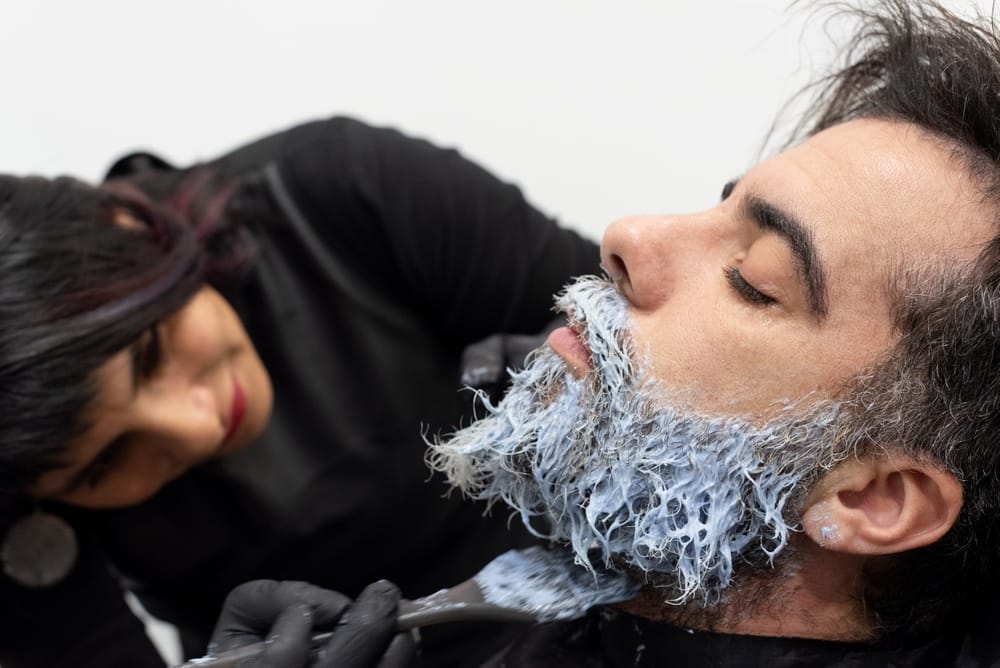
Dyeing your beard can give you a fresh, youthful appearance, cover grays, or simply match your hair color better. However, one common issue many men face is staining their skin in the process. In this comprehensive guide, we’ll walk you through step-by-step instructions, share expert tips, and provide scientific evidence on how to dye your beard without staining your skin. We will also include a FAQ section to answer common questions.
Why Dye Your Beard?
Men dye their beards for various reasons:
- Cover Gray Hairs: As you age, gray hairs can appear in your beard. Dyeing it can help you look younger.
- Match Hair Color: If your beard color doesn’t match your hair, dyeing can provide a more cohesive look.
- Style and Fashion: Changing your beard color can be a fun way to experiment with your style.
Preparing to Dye Your Beard.
Gather Your Supplies.
Before you start, make sure you have everything you need:
- Beard dye.
- Disposable gloves.
- Petroleum jelly or a barrier cream.
- An old shirt or towel.
- A small brush or applicator.
- Cotton swabs.
- A timer.
- A mild shampoo.
Choose the Right Dye.
Selecting the right dye is crucial. Here are some tips:
Related Stories
 The Safety of Foot Peel Masks During Pregnancy
 What is Skin Cycling And Its Benefits For Skin and Acne?
– Opt for Beard-Specific Dyes: These are formulated to be gentler on facial skin.
– Test for Allergies: Do a patch test on your arm 48 hours before application to ensure you’re not allergic.
Prepare Your Beard.
– Clean Your Beard: Wash your beard with a mild shampoo and let it dry completely. Clean hair ensures better dye absorption.
– Trim If Necessary: Trim your beard to your desired shape before dyeing. It’s easier to dye a well-groomed beard.

Steps to Dye Your Beard Without Staining Your Skin.
Step 1: Protect Your Skin.
To avoid staining your skin, follow these precautions:
– Apply Petroleum Jelly or Barrier Cream: Apply a thin layer of petroleum jelly or a barrier cream around the edges of your beard. This creates a protective layer between the dye and your skin.
– Wear Gloves: Disposable gloves protect your hands from staining.
Step 2: Mix the Dye.
– Follow Instructions: Read the dye instructions carefully. Mix the dye components in the provided container, following the specified ratios.
– Mix Thoroughly: Ensure the dye is well-mixed to avoid patchy application.
Step 3: Apply the Dye.
– Use a Small Brush: Use a small brush or applicator to apply the dye to your beard. Start at the roots and work your way outwards.
– Be Precise: Apply the dye carefully, staying within the beard boundaries. Avoid getting dye on the skin.
– Use Cotton Swabs: Keep cotton swabs handy to wipe off any dye that gets on your skin immediately.
Step 4: Set a Timer.
– Time It Right: Set a timer according to the dye instructions. Leaving the dye on for too long can cause skin staining and irritation.
– Check Frequently: If you’re unsure, check the dye after a few minutes to see if it’s achieving the desired color.
Step 5: Rinse and Condition.
– Rinse Thoroughly: Rinse your beard with lukewarm water until the water runs clear. Make sure to avoid getting dye on your skin during rinsing.
– Condition: Use a conditioner to soften your beard and remove any residual dye.
Step 6: Clean Up.
– Clean the Skin: If you notice any dye on your skin, use a gentle facial cleanser or makeup remover to clean it off.
– Moisturize: Apply a moisturizer to keep your skin hydrated.
Expert Tips from Experienced Groomers.
We spoke to several professional beard groomers to get their insights on dyeing beards without staining the skin. Here’s what they had to say:
John Michaels, Professional Barber.
“Always prep the skin with petroleum jelly. It’s the simplest and most effective barrier. Also, use a dye brush with fine bristles for precision.”
Samuel Green, Grooming Specialist.
“Don’t rush the process. Take your time applying the dye, and use a mirror to check for any spots you might miss. And remember, a little dye goes a long way.”
Alex Johnson, Beard Stylist.
“Choose a dye that’s specifically for beards, not just any hair dye. These are formulated to be gentler on facial skin and hair. Also, rinse with cool water to help seal the color.”
Scientific Evidence on Dyeing Beards.
The Science Behind Beard Dye.
Beard dyes contain chemicals such as ammonia, hydrogen peroxide, and color pigments that react to change the hair color. The key is to use these chemicals safely to avoid skin irritation and staining.
How Barrier Creams Work?
Barrier creams and petroleum jelly act as a physical barrier. They prevent dye from penetrating the skin’s surface, thus reducing the risk of staining.
Allergic Reactions.
According to dermatologists, it’s crucial to do a patch test because the skin on your face is more sensitive than the scalp. Allergic reactions can include redness, itching, and swelling.
Frequently Asked Questions.
1. Can I use regular hair dye on my beard?
It’s not recommended to use regular hair dye on your beard. Beard dyes are specifically formulated for facial hair and skin, which are more sensitive.
2. How often should I dye my beard?
This depends on how fast your hair grows and how noticeable the roots are. Typically, every 4-6 weeks is a good interval.
3. What if I accidentally dye my skin?
If you accidentally get dye on your skin, wipe it off immediately with a damp cotton swab. You can also use a facial cleanser or makeup remover to get rid of the stains.
4. Is it safe to dye my beard if I have sensitive skin?
If you have sensitive skin, do a patch test first. Use a dye specifically formulated for sensitive skin and consult with a dermatologist if you’re unsure.
5. Can I dye a gray beard?
Yes, you can dye a gray beard. Choose a color that closely matches your natural hair color for the best results.
6. How can I make the dye last longer?
To make the dye last longer, use a mild shampoo and avoid harsh chemicals. Conditioning your beard regularly can also help maintain the color.
Bottom Line.
Dyeing your beard without staining your skin is entirely possible with the right preparation and technique. By following the steps outlined in this guide, using the expert tips provided, and choosing the right products, you can achieve a natural-looking beard color while keeping your skin clean and unstained. Remember to always do a patch test before applying any dye to avoid allergic reactions. Happy dyeing!