













 Workout

 Meditation






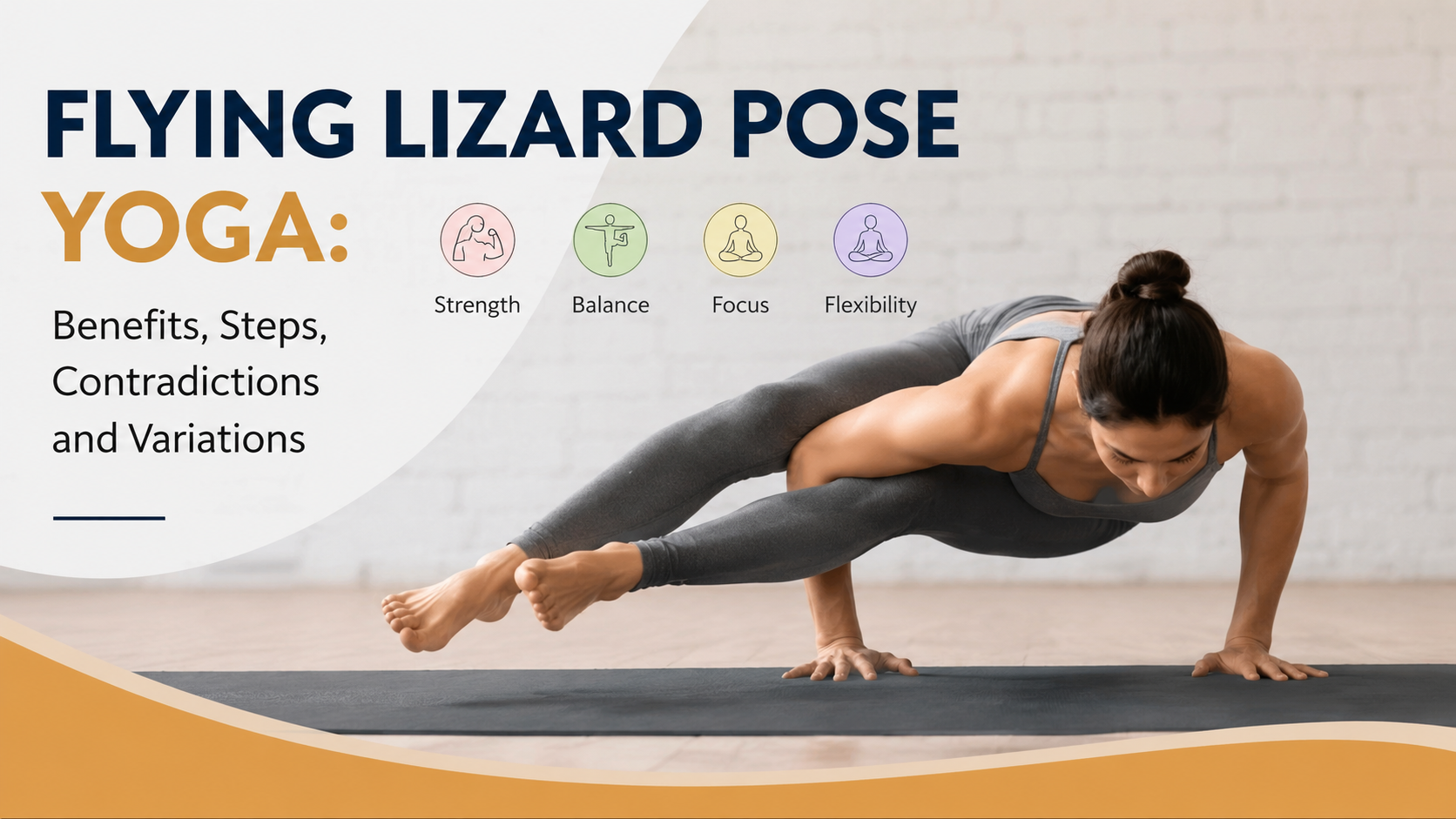
Flying Lizard Pose, also known as Uttana Pristhasana in Sanskrit, is a challenging and invigorating yoga posture that combines strength, balance, and flexibility. This advanced arm balancing pose requires a strong core, open hips, and a steady focus to achieve the sensation of flying. As the name suggests, the pose resembles a lizard taking flight, with the body parallel to the ground and the legs extended behind, creating a sense of lightness and freedom.
Flying Lizard Pose not only provides physical benefits such as toning the arms, core, and legs, but it also cultivates mental resilience and concentration. In this introduction, we will explore the steps, benefits, and variations of this captivating pose, inviting practitioners to embark on a journey of strength and grace.
Benefits of Flying Lizard Pose.
1. Strengthens the upper body.
Flying Lizard Pose engages the muscles in the arms, shoulders, and chest. Holding this pose builds strength in the arms, particularly the triceps, biceps, and muscles of the upper back. Regular practice can help develop arm and shoulder stability, enhancing overall upper body strength.
2. Tones the core.
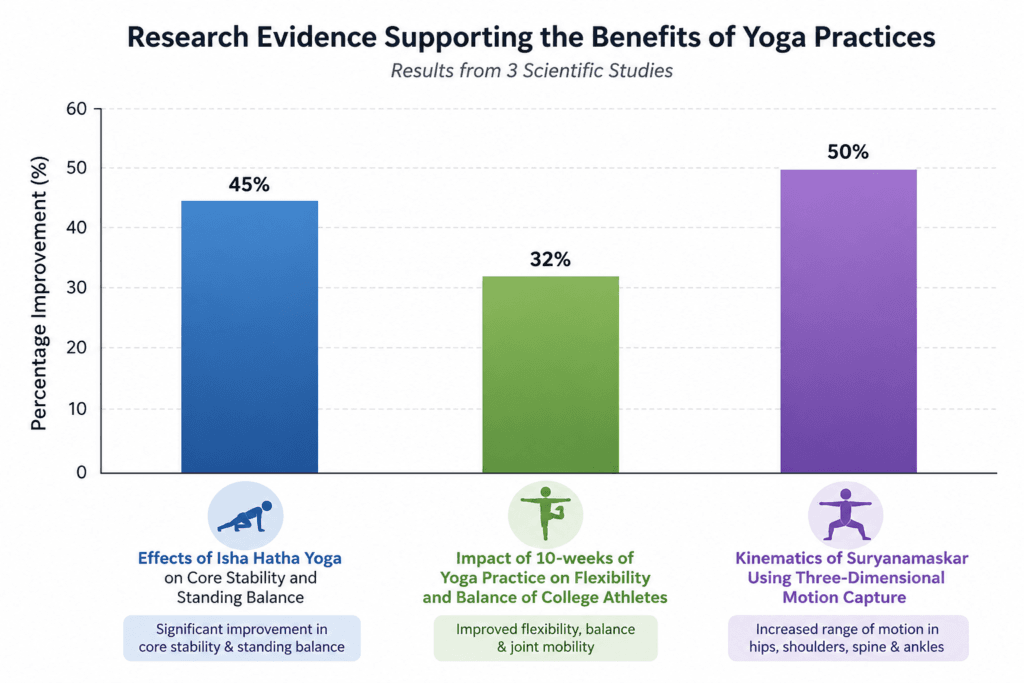
The core muscles, including the abdominal and oblique muscles, are actively engaged while performing Flying Lizard Pose. This pose challenges the core to stabilize the body and maintain balance, resulting in stronger abdominal muscles and improved core stability.(1)
Related Stories
 Revolved Half Moon Yoga Pose: Benefits, Steps and Variations
 What is Transcendental Meditation and What is It for?
3. Enhances hip flexibility.
Flying Lizard Pose requires deep hip opening and flexibility. Regular practice can help release tension in the hip flexors, adductors, and groin muscles. Over time, this pose can increase hip mobility, making activities like running, walking, and sitting more comfortable.(2)
4. Improves balance and coordination.
Flying Lizard Pose demands focus, concentration, and body awareness. Balancing on the hands while extending the legs requires coordination and stability. Practicing this pose can enhance overall balance skills and improve proprioception.(3)
5. Boosts confidence.
Mastering Flying Lizard Pose can be a significant confidence booster. This challenging arm balance posture requires dedication, patience, and perseverance. As practitioners progress and achieve the pose, they gain a sense of accomplishment, leading to increased self-confidence both on and off the mat.
6. Relieves stress and anxiety.
Like most yoga poses, Flying Lizard Pose promotes relaxation and stress reduction. The deep breathing and focus required during the pose help calm the mind, reducing anxiety and promoting mental clarity. This grounding posture can be a valuable tool in managing stress and finding inner peace.

7. Cultivates mindfulness.
Flying Lizard Pose demands full presence and mindfulness. By focusing on the breath and body alignment, practitioners develop a deeper connection to the present moment. Regular practice of this pose can enhance mindfulness skills, allowing individuals to be more fully engaged in their daily lives.
| 💡 Tips Verywel Fit.com Incorporating Flying Lizard Pose into your yoga practice can provide a multitude of physical, mental, and emotional benefits. However, it’s essential to approach this pose with caution, ensuring proper warm-up, alignment, and guidance from a qualified yoga instructor. |
How to do Flying Lizard Pose?
Here’s a step-by-step guide on how to do Flying Lizard Pose:
1. Begin in a high plank position, with your hands shoulder-width apart and your shoulders stacked directly above your wrists. Engage your core and lengthen through your spine, keeping your body in a straight line from head to heels.
2. Shift your weight onto your right hand and slowly bend your left knee, bringing it towards your left tricep. Place your left foot on the back of your left upper arm, just above the elbow. Keep your toes pointing forward.
3. As you balance on your right arm, start to lean forward slightly, transferring more weight onto your hands. Engage your core and keep your gaze focused on a point between your hands to maintain balance.
4. Begin to lift your right foot off the ground, extending it straight back behind you. Aim to keep your leg parallel to the ground, engaging your glutes and quadriceps for stability.
5. Slowly start to straighten your left leg, pressing your left foot firmly into your left upper arm. This action will help to create stability and support your balance in the pose.
6. Once you feel stable, you can start to experiment with lifting your left foot off your arm. Begin by lifting your toes, then gradually work towards lifting your entire foot off the arm.
7. Stay in the pose for a few breaths, maintaining a steady and controlled breath. Keep your core engaged and your gaze focused to help with balance and concentration.
8. To release the pose, slowly lower your left foot back to the ground and return to a high plank position. Take a moment to rest and reset before attempting the pose on the opposite side.
Some tips to keep in mind while practicing Flying Lizard Pose.
- Warm up your wrists, shoulders, and hips before attempting this pose to prevent strain or injury.
- Use a folded blanket or yoga block under your hands if you need extra support or find it difficult to reach the ground.
- Approach this pose with patience and listen to your body. Only go as far as feels comfortable and safe for you.
- Remember to breathe deeply and evenly throughout the pose, allowing the breath to calm and center your mind.
With regular practice, Flying Lizard Pose can help improve your balance, strength, and flexibility. Enjoy the journey of exploring this challenging yet rewarding yoga asana!
Flying Lizard Pose Contradictions.
1. The Flying Lizard Pose is both a beginner-friendly and advanced yoga pose. While it may seem challenging for beginners due to the strength and balance required, with regular practice and proper alignment, it can be accessible to practitioners of all levels.
2. Despite its name, the Flying Lizard Pose does not involve actual flight or any airborne movement. Instead, it is a grounded pose that requires the practitioner to balance on their hands, forearms, and one leg while extending the other leg straight back, resembling a lizard ready to take flight.
3. Although the Flying Lizard Pose primarily targets the core muscles, it also engages and strengthens various other muscle groups, including the arms, shoulders, wrists, and legs. This contradiction showcases the pose’s ability to provide a full-body workout and improve overall strength and stability.
4. While the Flying Lizard Pose requires a certain level of flexibility in the hips, hamstrings, and shoulders, it simultaneously helps to improve flexibility over time. The pose allows for a deep stretch through the hip flexors and groin, promoting increased range of motion and flexibility in these areas.
5. Contrary to its challenging appearance, the Flying Lizard Pose can be both energizing and calming for the mind and body. While it requires focus, concentration, and determination to hold the pose, the deep breathing and mindfulness associated with yoga can create a sense of calm and relaxation, making it a contradiction of both effort and serenity.
Flying Lizard Pose Variation.
1. Flying Lizard with Extended Leg Variation.
In this variation, one leg is extended straight out behind you, parallel to the ground, while the other leg remains bent. This variation requires increased core stability, hip flexibility, and balance. It engages the glutes, hamstrings, and quadriceps, providing a full-body strengthening experience.
2. Flying Lizard with Twisted Variation.
This variation adds a twist to the traditional Flying Lizard Pose. As you lower your chest towards the ground, gently twist your torso towards the bent leg. This variation enhances spinal mobility, stretches the obliques, and stimulates the digestive system. It also challenges your balance and strengthens the muscles of the core and upper body.
3. Flying Lizard with Side Plank Variation.
This variation combines the strength and stability of Side Plank Pose with the hip-opening benefits of Flying Lizard Pose. Begin in Flying Lizard Pose and then transition into Side Plank by lifting your bottom arm off the ground and extending it towards the sky. This variation not only strengthens the arms, shoulders, and core but also increases hip flexibility and challenges your balance.
4. Flying Lizard with Bound Variation.
This variation incorporates a bind by threading the top arm under the bent leg and reaching the other arm behind your back to clasp the fingertips. This variation deepens the stretch in the hips and shoulders, improves spinal mobility, and cultivates focus and concentration.
5. Flying Lizard with Quad Stretch Variation.
In this variation, as you lower your chest towards the ground, reach back with your top hand to grab the foot of the bent leg. This variation provides an intense quad stretch while simultaneously engaging the muscles of the back, shoulders, and core.
6. Flying Lizard with Arm Balance Variation.
This advanced variation challenges your strength and balance by incorporating an arm balance. From the traditional Flying Lizard Pose, shift your weight forward onto your hands, engaging the core and lifting the back leg off the ground. This variation requires significant upper body and core strength, as well as mental focus and stability.
| 💡 Tips Verywel Fit.com These Flying Lizard Pose Variations offer endless possibilities for yogis of all levels to explore and expand their practice. Each variation provides unique physical and mental benefits, allowing practitioners to deepen their flexibility, strength, and overall mind-body connection. |
My Personal Experience on Flying Lizard Pose Yoga.
I am Sophia Martinez, Dance Instructor, as a dance instructor, I’ve found that Flying Lizard Pose has been incredibly effective for improving balance, hip mobility, and body awareness. One of my adult students struggled with flexibility during floor choreography and often felt unstable during transitions. After adding hip-opening stretches and practicing Flying Lizard Pose consistently for a couple of months, their movements became noticeably smoother and more controlled. It also gave them greater confidence when performing more demanding routines. This experience showed me how yoga can complement dance training exceptionally well.
“I noticed a remarkable improvement in my balance and hip flexibility after practicing Flying Lizard Pose regularly with proper guidance.”

Frequently Asked Questions.
1. Why is Lizard Pose so difficult?
Lizard Pose is difficult because it requires flexibility in the hips, hamstrings, groin, and hip flexors, as well as strength in the core and upper body to maintain balance and stability in the pose.
2. What is the Sanskrit of flying lizard pose?
The Sanskrit name for flying lizard pose is Uttana Pristhasana.
Bottom Line.
The Flying Lizard Pose is a challenging yet invigorating yoga pose that offers a multitude of physical and mental benefits. By engaging the core, upper body, and legs, this pose helps to build strength, improve balance, and increase flexibility. Additionally, the Flying Lizard Pose promotes focus, concentration, and mindfulness, enhancing one’s overall sense of well-being. While it may take time and practice to master this pose, the rewards are well worth the effort. So, whether you are a seasoned yogi or a beginner, incorporating the Flying Lizard Pose into your practice can bring about a sense of empowerment, grace, and transformation.
+3 Sources
Verywelfit has strict sourcing guidelines and relies on peer-reviewed studies, educational research institutes, and medical organizations. We avoid using tertiary references. You can learn more about how we ensure our content is accurate and up-to-date by reading our editorial policy.
- Effects of Isha Hatha Yoga on Core Stability and Standing Balance; https://pubmed.ncbi.nlm.nih.gov/27250211/
- Impact of 10-weeks of yoga practice on flexibility and balance of college athletes; https://pubmed.ncbi.nlm.nih.gov/26865768/
- Kinematics of Suryanamaskar Using Three-Dimensional Motion Capture; https://pubmed.ncbi.nlm.nih.gov/31143020/