











 Workout

 Meditation






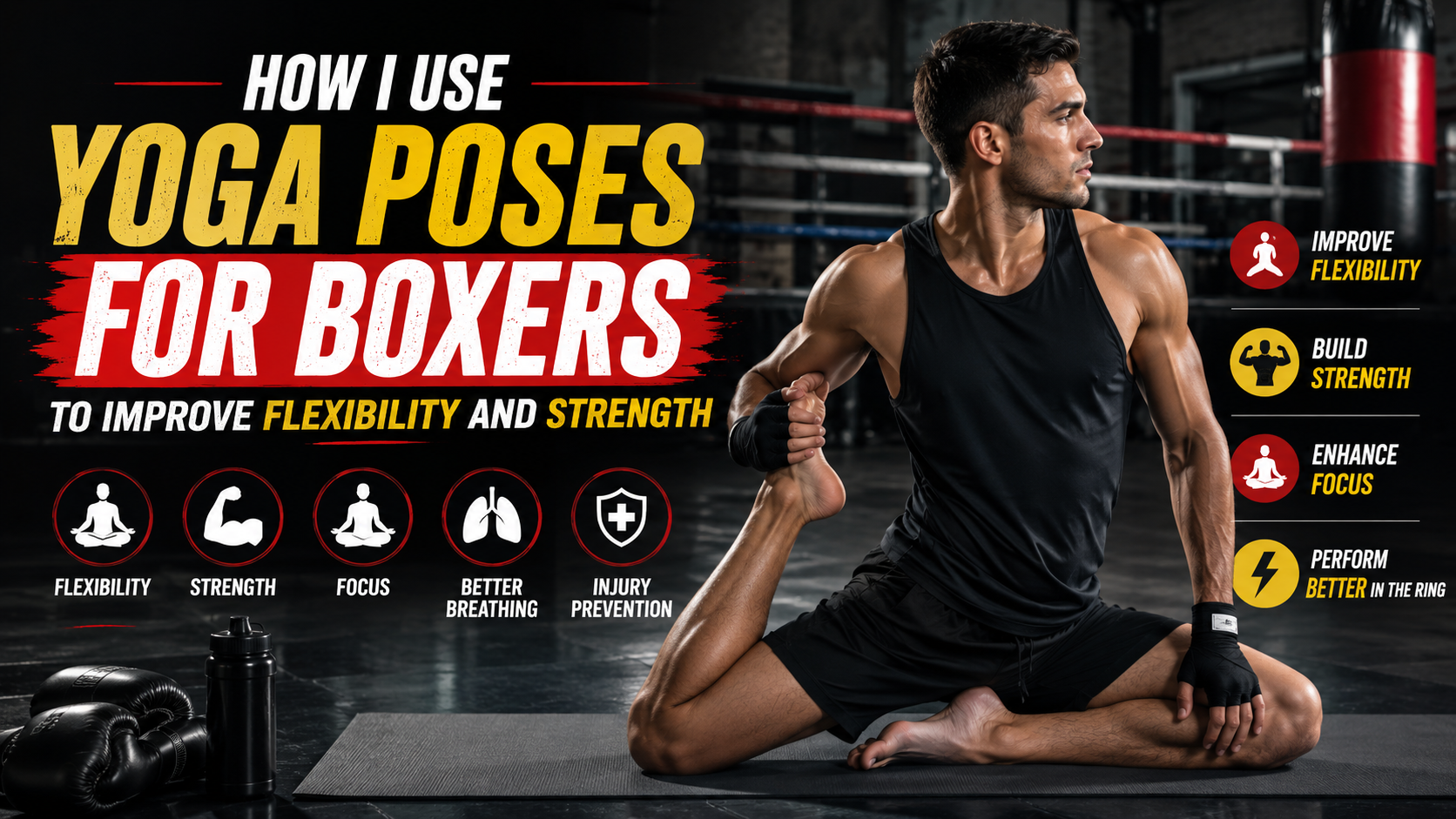
As a boxer, I realized very quickly that training is not only about punches, speed, and endurance. Over time, I started noticing a lot of tension building up in my shoulders, hips, knees, and lower back because of the explosive movements involved in boxing. My muscles often felt tight after intense training sessions, and recovery became just as important as the workouts themselves.
That is when I started adding yoga to my routine, and honestly, it completely changed how my body felt both inside and outside the ring. I discovered that yoga postures focused on flexibility, mobility, breathing, and recovery helped me move better, recover faster, and feel less stiffness after heavy training days. Certain yoga poses even helped improve my balance, core strength, and focus during sparring sessions.
I also learned that boxing is an extremely aerobic sport, so breathing control is very important. Incorporating deep and conscious breathing into my yoga sessions helped me stay calmer during intense rounds and improved my endurance during workouts.
Benefits of Yoga Poses for Boxers.
After practicing yoga consistently, I personally noticed several benefits that positively affected my boxing performance and recovery.
Related Stories
 Meniscus Tears: Types, Symptoms, Healing, Treatment & Yoga
 Get Rid of Back Pain With These Amazing Yoga Poses
1. Improved Flexibility.
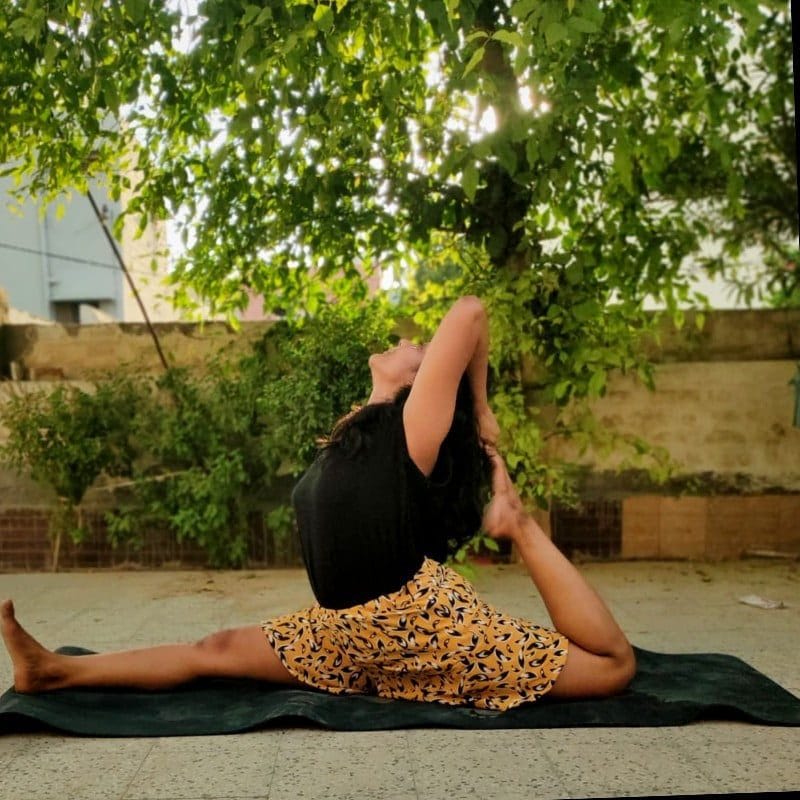
One of the first things I noticed was improved flexibility in my shoulders, hips, hamstrings, and back. Boxing requires quick movements, rotational power, and a good range of motion, and yoga helped me move much more freely without feeling stiff.(1)
2. Increased Strength.
I was surprised by how challenging some yoga poses actually were. Many poses require holding positions that strengthen the core, arms, legs, and stabilizer muscles. Over time, this translated into better punching power and improved endurance during training.(2),(3)
3. Better Balance.
Balance is essential in boxing because foot positioning and stability directly affect movement and punch accuracy. Yoga helped me improve body control, posture, and coordination, which made my movements feel smoother in the ring.
4. Enhanced Focus and Mental Clarity.
Yoga also became a mental tool for me. Focusing on breathing and controlled movement helped me stay calm under pressure and improved my concentration during sparring and fights.

5. Stress Relief and Faster Recovery.
After hard boxing sessions, yoga helped release tension from my shoulders, hips, and lower back. I also noticed that stretching and breathing exercises improved my recovery and reduced soreness significantly.
Tips Verywel Fit.com
From my experience, adding yoga to boxing training is one of the best ways to improve recovery, flexibility, movement quality, and overall athletic performance naturally.
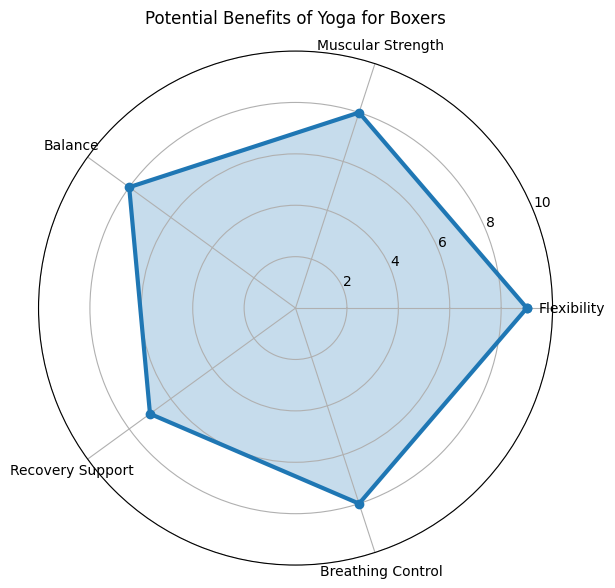
Top 6 Yoga Poses for Boxers.
These are the yoga poses that personally helped me the most during my boxing journey.
1. Yogic Bicycle.
Benefits:
This pose helped me strengthen my abdominal muscles while also improving core control and lower back stability. I also felt that it activated my hips and pelvic muscles effectively.
Step by Step:
- I lie face up with my hands clasped behind my head.
- While exhaling, I bring my left elbow toward my right knee.
- I focus on lifting my trunk using my core muscles.
- Then I return to the starting position and switch sides.
- I usually repeat this movement 10 times per side.
2. Downward Dog Pose (Adho Mukha Svanasana).
Benefits:
This pose became one of my favorites for relieving shoulder and back stiffness after boxing workouts. It also helped stretch my calves, hamstrings, spine, and shoulders while improving circulation and reducing fatigue.
Step by Step:
- I begin face down with my palms beside my chest.
- Then I lift my body upward by straightening my arms and legs.
- I push my hips upward and backward.
- Once in position, I alternate pressing my heels toward the floor slowly and consciously.
- I usually hold the pose for about 2–3 minutes.
3. Raised Arm Pose (Hasta Uttanasana).
Benefits:
This posture helped open up my chest and rib cage, which improved my breathing capacity during boxing sessions. I also felt a great stretch across my abdominal muscles and shoulders.
Step by Step:
- I stand upright and raise my arms above my head.
- Then I gently lean my upper body backward while keeping my core engaged.
- I focus on controlled breathing throughout the stretch.
4. Stretching Posture (Uttanasana).
Benefits:
This pose helped me release tightness from my hamstrings, spine, and lower back. I also noticed that it calmed my mind and reduced tension after intense workouts.
Step by Step:
- While standing, I slowly bend forward with an exhalation.
- I allow my hands to reach toward the floor.
- If needed, I slightly bend my knees.
- I completely relax my neck and head.
- I usually hold the position for around 3–5 minutes.
5. Threading The Needle.
Benefits:
This pose greatly improved flexibility in my shoulders and upper back. Since boxers often carry a lot of tension in these areas, this stretch became extremely helpful for my recovery.
Step by Step:
- I begin in an all-fours position.
- Then I slide my right arm underneath my body.
- I lower my right shoulder toward the floor.
- I hold the stretch for about 30 seconds before switching sides.
6. The Camel Pose (Ustrasana).
Benefits:
This posture helped improve my posture and reduce tightness in my chest and shoulders caused by boxing stance positioning. It also stretched my spine and hip flexors deeply.
Step by Step:
- I kneel on the floor and place my hands on my hips.
- Then I slowly push my hips forward while arching backward.
- I place my hands on my heels and gently drop my head backward.
- I hold the pose for around 8–10 breaths.
Additional Things I Learned from Combining Yoga and Boxing.
Over time, I realized that yoga improved much more than flexibility alone.
Better Recovery.
My muscles recovered faster after intense boxing sessions.
Improved Breathing Control.
Yoga breathing techniques helped me stay calmer during sparring rounds.
Better Posture.
Many poses helped reverse the rounded shoulder posture common in boxers.
Reduced Injury Risk.
Mobility and flexibility training helped reduce stiffness and joint discomfort.
Improved Mobility.
I moved more freely and felt less restricted during footwork drills.
How I Use Yoga Poses for Boxers to Improve Flexibility and Strength: My Personal Experience.
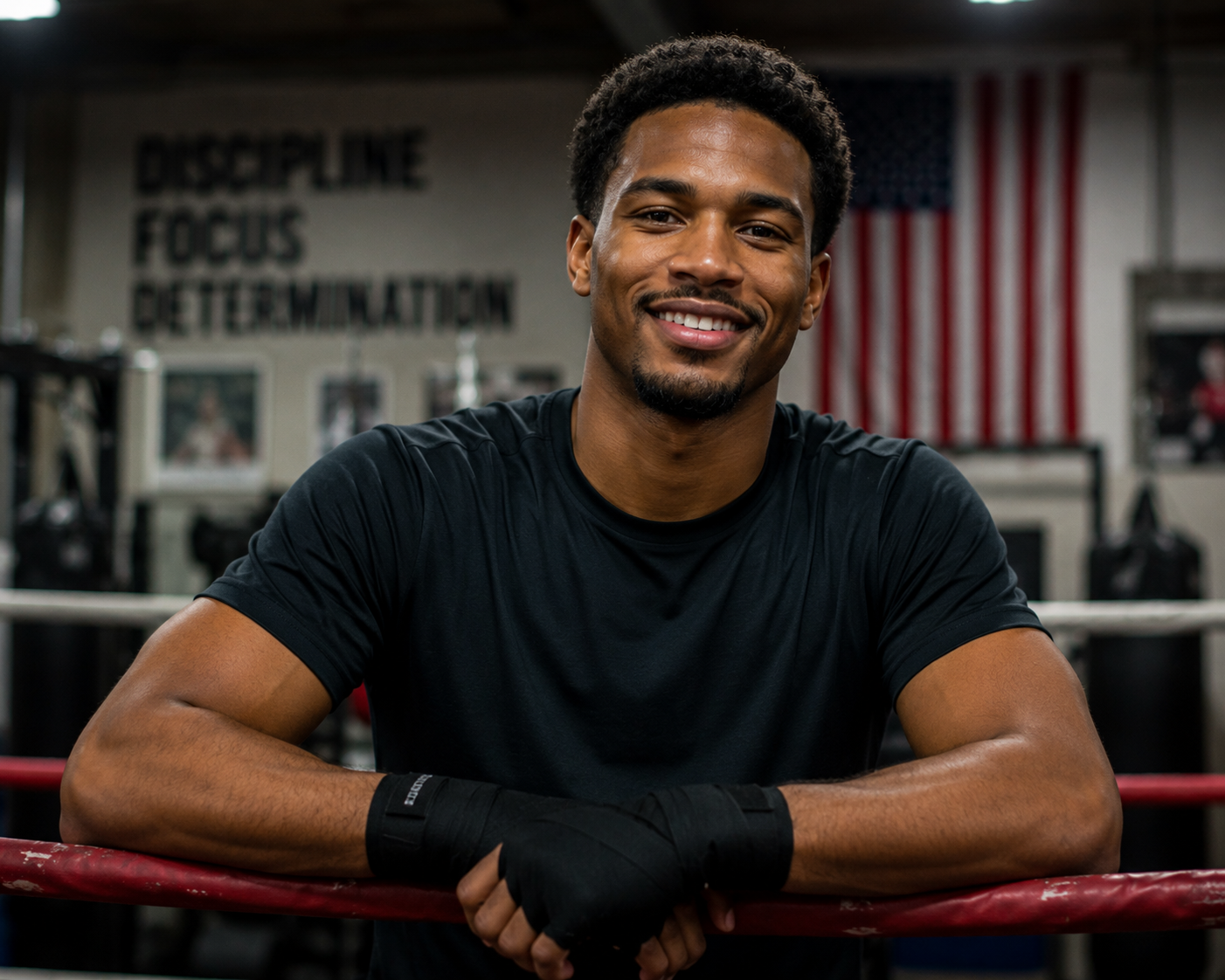
I am Marcus Hill, Amateur Boxer, Chicago, Illinois , after adding yoga to my boxing routine a few times a week, I noticed my shoulders and hips felt much less stiff, my breathing improved during sparring, and my recovery after intense training sessions became noticeably faster.
“Adding yoga to my boxing routine helped me feel more flexible, balanced, and less sore after intense training sessions.”
Frequently Asked Questions.
1. Is yoga good for boxers?
From my experience, yes. Yoga helped me improve flexibility, recovery, balance, breathing control, and overall movement quality for boxing.
2. Which yoga pose helped me the most?
Personally, Downward Dog and Threading The Needle helped me the most because they relieved shoulder and back tension after training.
Bottom Line.
From my personal experience, adding yoga to my boxing routine became one of the best decisions for my performance and recovery. Yoga helped me improve flexibility, mobility, breathing, posture, and mental focus while also reducing muscle tightness and soreness.
I learned that boxing is not only about strength and endurance but also about recovery, body awareness, and movement quality. Even practicing yoga a few times a week made my body feel stronger, more flexible, and much more balanced overall.
+3 Sources
Verywel Fit has strict sourcing guidelines and relies on peer-reviewed studies, educational research institutes, and medical organizations. We avoid using tertiary references. You can learn more about how we ensure our content is accurate and up-to-date by reading our editorial policy.
- Age related differences of selected Hatha yoga practices on anthropometric characteristics, muscular strength and flexibility of healthy individuals; https://pubmed.ncbi.nlm.nih.gov/25558132/
- Improvement in muscular strength, body flexibility and balance by yoɡasana and with reduced detraining effects by yoɡa breathing maneuvers: A non-randomized controlled study; https://www.sciencedirect.com/science/article/pii/S0975947623001328
- Acute effects of proprioceptive neuromuscular facilitation stretching, massage and combine protocols on flexibility, vertical jump and hand grip strength performance in kickboxers; https://sportpedagogy.org.ua/index.php/ppcs/article/view/1833