










 Workout

 Meditation






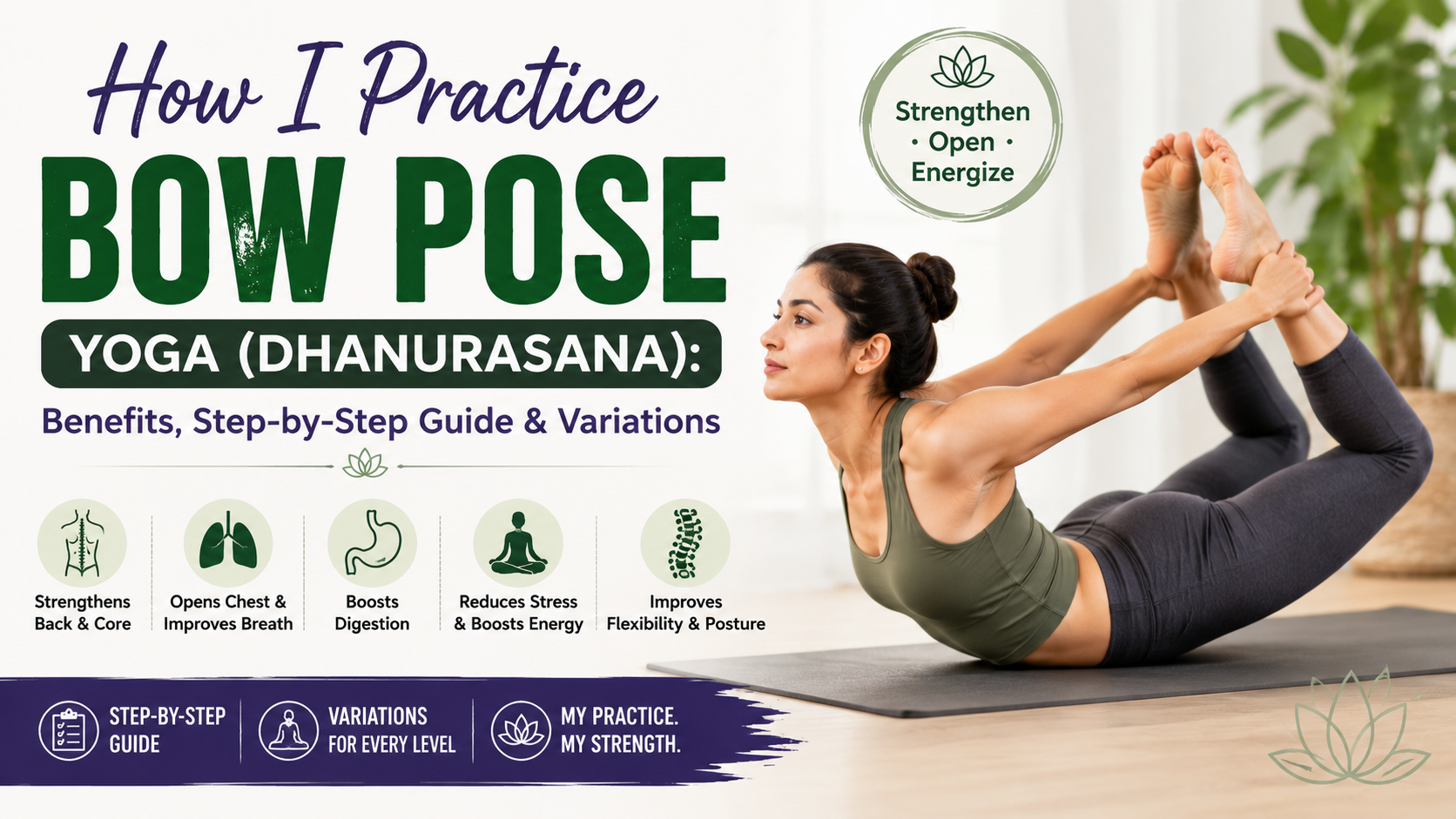
Bow Pose, also known as Dhanurasana in Sanskrit, has become one of my favorite yoga postures because of the way it energizes and challenges my body. This dynamic backbend creates a bow-like shape, with my body forming an arc from head to toe. Through regular practice, I have experienced improvements in my flexibility, strength, posture, and breathing capacity.
In this article, I will share the benefits I have personally noticed from practicing Bow Pose, explain how I perform it safely, and discuss several variations that can be incorporated into a yoga routine. Whether you are a beginner or an experienced yogi, I believe Bow Pose can be a valuable addition to your practice and contribute to both physical and mental well-being.
Benefits of Bow Pose Yoga.
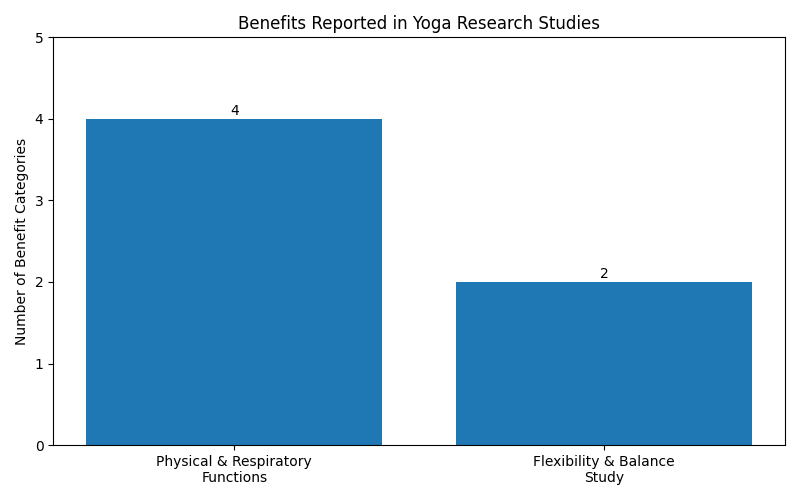
The Bow Pose, also known as Dhanurasana in Sanskrit, is one of the most rewarding backbend postures I practice. Although it can feel challenging at first, I have found that regular practice offers numerous benefits for both the body and mind.(1)
1. Strengthens the Back Muscles.
One of the first benefits I noticed was increased strength in my back muscles. Bow Pose engages the erector spinae, latissimus dorsi, and trapezius muscles, helping me maintain better posture and reducing stiffness in my back.
Related Stories
 10 Best 28 Days Chair Yoga Poses for Seniors with Limited Mobility
 Upward Facing Bow: Meaning, Benefits, Steps, Contraindications And Variations
2. Opens the Chest and Shoulders.
When I practice Bow Pose, I feel a deep stretch across my chest and shoulders. Over time, this has helped improve my posture and made breathing feel easier and more expansive.
3. Stimulates Digestion.
I have found that the gentle compression of the abdomen during Bow Pose creates a massaging effect on the digestive organs. Regular practice has helped me feel lighter and supported healthy digestion.
4. Increases Flexibility.
Bow Pose stretches many areas of the body, including the hips, thighs, shoulders, and neck. With consistent practice, I have noticed improved flexibility and greater ease in daily movements.(2)
5. Boosts Energy and Alleviates Fatigue.
Whenever I feel sluggish, Bow Pose helps me feel refreshed and energized. The deep backbend encourages circulation and provides a natural boost of vitality.

6. Enhances Spinal Flexibility.
One of my favorite aspects of Dhanurasana is how it mobilizes the spine. Regular practice has helped me maintain spinal flexibility and reduce feelings of stiffness after long periods of sitting.
7. Reduces Stress and Anxiety.
I often use Bow Pose as part of my stress-relief routine. The chest-opening action helps me feel more relaxed, while the focused breathing encourages a sense of calm and mental clarity.
8. Stimulates the Reproductive System.
Through increased blood circulation in the pelvic area, Bow Pose is believed to support reproductive health and overall pelvic wellness.
In my experience, incorporating Bow Pose into a regular yoga practice offers a wide range of physical, mental, and emotional benefits. However, I always recommend practicing under the guidance of a qualified yoga instructor to ensure proper alignment and safety.
How I Do Bow Pose Yoga?
Bow Pose, also known as Dhanurasana, is one of the most rejuvenating yoga postures in my practice. Whenever I perform this pose, I focus on moving slowly and mindfully. Here are the steps I follow:
1. Warm-up.
I begin by warming up my body to prepare for the deeper stretch that Bow Pose requires. Usually, I perform a few rounds of Sun Salutations or other dynamic movements to loosen my muscles.
2. Lie Down.
I lie flat on my stomach on a yoga mat, keeping my legs hip-width apart and my arms resting alongside my body.
3. Bend My Knees.
Next, I slowly bend my knees and bring my heels toward my buttocks while keeping my ankles hip-width apart.
4. Reach Back.
I reach back with both hands and grasp my ankles firmly, making sure I have a comfortable grip.
5. Inhale and Lift.
As I take a deep breath in, I press my lower abdomen into the mat and lift my chest off the ground. At the same time, I lift my thighs away from the floor, creating a gentle backbend.
6. Lift My Legs.
While maintaining my grip on the ankles, I continue lifting my legs higher toward the ceiling. This deepens the stretch in my thighs and opens my chest further.
7. Maintain Alignment.
I make sure my knees remain hip-width apart and focus on lengthening my spine without straining my neck.
8. Hold the Pose.
I stay in the posture for several breaths. With each inhale, I try to lift a little higher, and with each exhale, I release unnecessary tension.
9. Release the Pose.
To come out of the pose, I slowly release my ankles and gently lower my chest, thighs, and feet back to the mat.
From my experience, listening to my body is essential. Regular practice of Bow Pose has helped me improve posture, strengthen my back and core, support digestion, and boost my overall energy levels.
Variations of Bow Pose Yoga.
Over the years, I have explored several Bow Pose variations that add variety and challenge to my practice.
1. Half Bow Pose.
When I want a gentler variation, I practice Half Bow Pose. This variation allows me to focus on one side at a time while gradually improving flexibility and strength.
2. One-Legged Bow Pose.
I enjoy this variation because it challenges my balance and core stability while helping improve hip flexibility.
3. Revolved Bow Pose.
Whenever I want a deeper spinal twist, I practice Revolved Bow Pose. It provides an intense stretch through my chest, shoulders, and hips.
4. Floating Bow Pose.
This is one of the most challenging variations I practice. It requires significant strength, balance, and focus, making it both invigorating and rewarding.
5. Upward Bow Pose.
I often include Upward Bow Pose in my advanced backbend practice because it strengthens and opens the entire body while boosting energy levels.
6. Floor Bow Pose.
I find Floor Bow Pose especially effective for strengthening my back, stretching my shoulders and thighs, and improving overall flexibility.
💡 Tips Verywel Fit.com
In my experience, practicing Bow Pose and its variations regularly has helped improve my posture, spinal flexibility, digestion, back strength, and energy levels. I always approach these postures patiently and recommend learning them under the guidance of a qualified yoga instructor.
How I Practice Bow Pose Yoga – My Personal Experience.
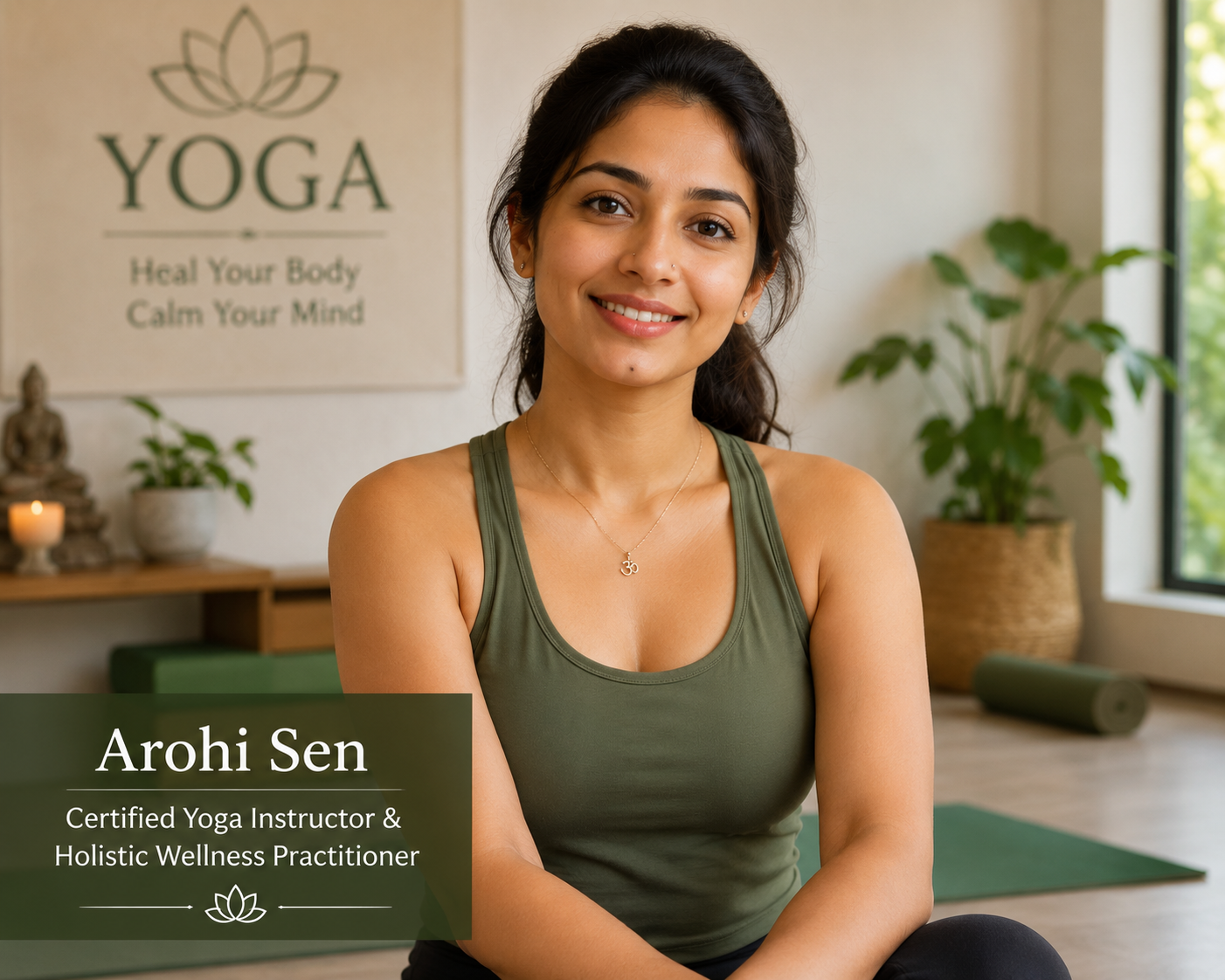
I am Arohi Sen, Certified Yoga Instructor & Holistic Wellness Practitioner, in my experience, practicing Bow Pose (Dhanurasana) consistently has helped improve my spinal flexibility, posture, and breathing capacity. Initially, I found the pose challenging due to the backbend and shoulder opening required, but with patience and regular practice, it became one of the most rewarding poses in my yoga routine. I have also observed similar benefits among many of my students, particularly in terms of improved flexibility, reduced stiffness, and enhanced energy levels.
“As a certified yoga instructor, I have found Bow Pose (Dhanurasana) to be one of the most effective postures for improving flexibility, posture, and spinal mobility.”
Frequently Asked Questions.
1. Why is Bow Pose so difficult?
From my experience, Bow Pose can feel difficult because it requires a combination of back strength, core stability, shoulder flexibility, and hip mobility. Maintaining proper balance and alignment also adds to the challenge, especially for beginners.
Bottom Line.
In my experience, Bow Pose (Dhanurasana) is one of the most beneficial yoga postures for improving flexibility, strength, posture, and energy levels. It stretches and strengthens the entire body while supporting digestive and reproductive health. I have also found it helpful for reducing stress, boosting confidence, and creating a greater sense of balance and well-being.
Like any yoga posture, I always practice Bow Pose mindfully and listen to my body’s limits. With consistency and proper alignment, I believe Bow Pose can become a transformative part of any yoga routine and contribute to long-term physical and mental wellness.
+2 Sources
Verywelfit has strict sourcing guidelines and relies on peer-reviewed studies, educational research institutes, and medical organizations. We avoid using tertiary references. You can learn more about how we ensure our content is accurate and up-to-date by reading our editorial policy.
- Positive Effects of Yoga on Physical and Respiratory Functions in Healthy Inactive Middle-Aged People; https://pmc.ncbi.nlm.nih.gov/articles/PMC6329219/
- Impact of 10-weeks of yoga practice on flexibility and balance of college athletes; https://pmc.ncbi.nlm.nih.gov/articles/PMC4728955/