















 Workout

 Meditation






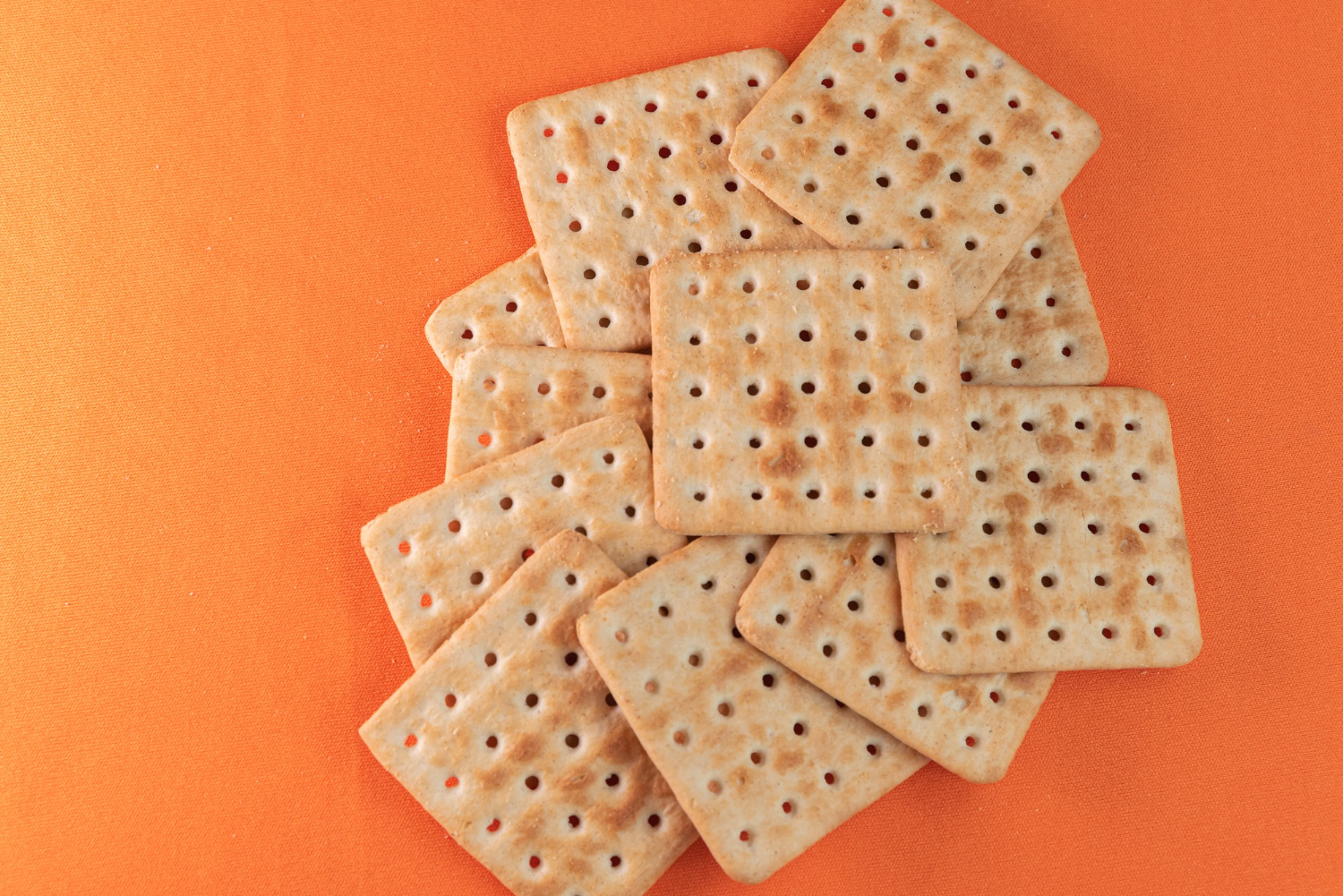
Whenever I walk through the snack aisle, I almost always notice a familiar yellow box of graham crackers. Whether they’re eaten on their own, paired with peanut butter, or used to make s’mores and cheesecake crusts, graham crackers have become a pantry staple in many households.
But one question often comes to mind:
Are graham crackers healthy?
The answer isn’t as straightforward as a simple yes or no.
Related Stories
 6 Common Mistakes on a Cheat Day You Must Avoid
 7 Actions That Prevent Us From Starting the Day Well
In my experience, graham crackers can fit into a healthy eating pattern—but their nutritional value depends on the ingredients, portion size, and how often you eat them. While some varieties contain whole grains and a modest amount of fiber, many commercial brands also include refined flour, added sugar, vegetable oils, and preservatives.
So rather than labeling them as either “healthy” or “unhealthy,” it’s more helpful to understand where they fit within an overall balanced diet.
In this comprehensive guide, I’ll explore everything you need to know about graham crackers, including their history, nutritional profile, ingredients, potential benefits, possible drawbacks, and what current nutrition research suggests.
What Are Graham Crackers?
Graham crackers are lightly sweetened baked crackers traditionally made from graham flour, a type of coarsely ground whole wheat flour.

Unlike cookies, they have a crisp texture and mild sweetness, making them versatile enough to enjoy as:
- A quick snack.
- A breakfast accompaniment.
- A dessert ingredient.
- A base for pie crusts.
- A component of s’mores.
- A topping for yogurt.
Today’s graham crackers are available in several flavors, including:
- Original.
- Honey.
- Cinnamon.
- Chocolate.
- Chocolate chip.
- Gluten-free varieties.
Although modern versions have evolved considerably, the original graham cracker was created with health—not indulgence—in mind.
The History and Origin of Graham Crackers.
One aspect I find fascinating is that graham crackers weren’t invented as dessert snacks.
They were originally developed during the early 1800s by Reverend Sylvester Graham, an American Presbyterian minister and dietary reformer.
Graham believed that many illnesses stemmed from overly processed foods and rich diets. He encouraged people to consume:
- Whole grains.
- Fresh fruits.
- Vegetables.
- Simple foods.
- Minimal sugar.
To support his philosophy, he developed graham flour, a coarsely ground whole wheat flour containing the bran, germ, and endosperm.
Using this flour, he created what became known as the original graham cracker.
Unlike today’s sweeter versions, Reverend Graham’s crackers contained:
- Whole wheat flour.
- Water.
- Very little or no sugar.
- No artificial ingredients.
- No butter.
Ironically, the modern graham cracker has evolved into something much sweeter than Graham originally intended.
Why Were Graham Crackers Invented?
Reverend Graham promoted a lifestyle centered around moderation and wholesome nutrition.
His goal wasn’t to create a dessert.
Instead, he wanted a nutritious bread substitute that people could eat daily as part of a healthier lifestyle.
Over time, manufacturers modified the recipe by adding:
- Sugar
- Honey
- Cinnamon
- Vegetable oils
- Molasses
- Flavorings
These additions made graham crackers more appealing to consumers but also changed their nutritional profile.
How Are Graham Crackers Made?
Although recipes vary among manufacturers, the production process generally follows these steps:
Step 1: Mixing the Ingredients.
The dry ingredients typically include:
- Graham flour or whole wheat flour.
- Enriched wheat flour.
- Baking soda.
- Salt.
- Cinnamon (optional).
Liquid ingredients often include:
- Vegetable oil.
- Molasses.
- Honey.
- Sugar syrup.
- Water.
Step 2: Forming the Dough.
The ingredients are mixed until they form a smooth dough.
The dough is then allowed to rest before rolling.
Step 3: Rolling and Cutting.
Large sheets of dough are rolled to a uniform thickness.
Machines cut the dough into the familiar rectangular crackers, complete with small perforations that help them bake evenly.
Step 4: Baking.
The crackers are baked until crisp and lightly golden.
During baking, moisture evaporates, creating their characteristic crunch.
Step 5: Cooling and Packaging.
After cooling, the crackers are packaged to maintain freshness before being shipped to stores.
What’s Inside Graham Crackers?
Reading the ingredient list is something I always recommend because not all graham crackers are created equal.
Common ingredients include:
- Whole wheat flour.
- Enriched flour.
- Sugar.
- Honey.
- Molasses.
- Vegetable oils.
- Salt.
- Baking soda.
- Cinnamon.
- Natural flavors.
- Soy lecithin.
Some premium brands contain fewer ingredients, while others include preservatives and artificial flavors.
Nutritional Profile of Graham Crackers.
The nutrition of graham crackers varies depending on the brand and serving size.
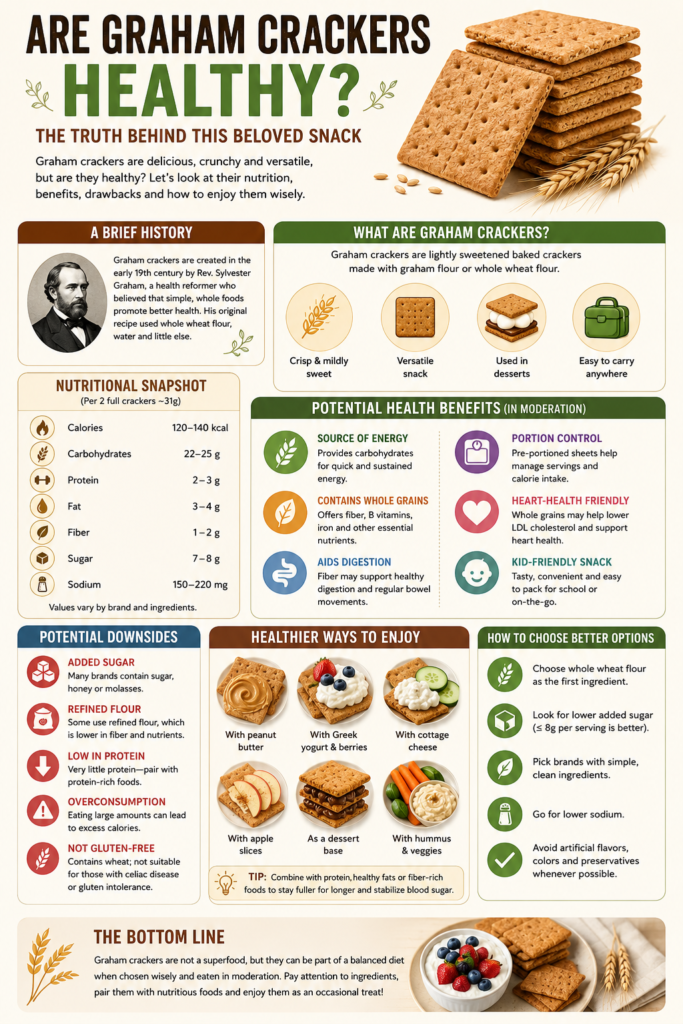
A typical serving of two full graham cracker sheets (about 31 grams) provides approximately:
| Nutrient | Approximate Amount |
|---|---|
| Calories | 120–140 kcal |
| Carbohydrates | 22–25 g |
| Protein | 2–3 g |
| Fat | 3–4 g |
| Fiber | 1–2 g |
| Sugar | 7–8 g |
| Sodium | 150–220 mg |
Some fortified varieties also provide small amounts of:
- Iron.
- Calcium.
- B vitamins.
Because nutrition varies, I always encourage checking the Nutrition Facts label rather than assuming every brand has the same profile.
Are Graham Crackers Whole Grain?
This is one of the most common misconceptions.
Many people assume that all graham crackers are made entirely from whole grains.
In reality, many commercial brands use a combination of:
- Whole wheat flour.
- Refined wheat flour.
Some products contain only a small percentage of whole grains.
If eating more whole grains is one of your goals, choose brands where whole wheat flour is listed as the first ingredient.
Are Honey Maid Graham Crackers Healthy?
Another frequently searched question is:
Are Honey Maid Graham Crackers healthy?”
Honey Maid is one of the most popular graham cracker brands worldwide.
From a nutritional standpoint, Honey Maid graham crackers can be enjoyed as an occasional snack, but they aren’t considered a nutrient-dense food.
Compared with many cookies, they generally contain:
- Less saturated fat.
- Moderate calories.
- Small amounts of whole grain.
However, they also contain:
- Added sugar.
- Refined flour.
- Processed ingredients.
Personally, I view them as a better alternative to many highly processed desserts—but not a replacement for fruits, nuts, or whole-grain snacks.
Different Types of Graham Crackers.
Today’s market offers several varieties.
Original Graham Crackers.
These have the mildest sweetness and remain the closest to traditional recipes.
Honey Graham Crackers.
Honey adds a sweeter flavor while slightly increasing the sugar content.
Cinnamon Graham Crackers.
These include cinnamon for additional flavor and aroma.
Chocolate Graham Crackers.
Chocolate versions often contain more sugar and cocoa, making them closer to cookies than traditional crackers.
Gluten-Free Graham Crackers.
These are made using alternative flours such as:
- Rice flour
- Sorghum flour
- Oat flour
- Tapioca starch
They’re suitable for individuals with celiac disease or gluten intolerance, provided they’re certified gluten-free.
Organic Graham Crackers.
Organic brands typically use:
- Organic whole wheat flour
- Organic cane sugar
- Organic honey
- Fewer artificial ingredients
While organic doesn’t necessarily mean healthier, some consumers prefer these products because of their ingredient sourcing.
Why Are Graham Crackers So Popular?
Graham crackers have remained popular for generations for several reasons.
I think their versatility is one of their biggest strengths.
They can be eaten:
- On their own.
- With peanut butter.
- With almond butter.
- With yogurt.
- With fruit.
- As cheesecake crusts.
- In pie recipes.
- In homemade snack bars.
- In s’mores.
They’re also:
- Shelf-stable.
- Affordable.
- Easy to pack.
- Child-friendly.
- Widely available.
Because of these qualities, graham crackers continue to be one of the most recognizable snack foods worldwide.
Can Graham Crackers Fit Into a Healthy Diet?
In my opinion, yes—but context matters.
A serving of graham crackers paired with nutritious foods such as:
- Greek yogurt.
- Peanut butter.
- Cottage cheese.
- Fresh fruit.
- Nuts.
is generally a more balanced choice than eating them alone or alongside sugary desserts.
The key is moderation and choosing products with simpler ingredient lists and higher whole-grain content whenever possible.
Health Benefits of Graham Crackers.
After looking at the ingredients and nutritional profile, the next question is:
Are graham crackers healthy enough to include in your daily diet?
In my opinion, graham crackers can be a reasonable snack when eaten in moderation. While they aren’t considered a superfood, they do offer some nutritional value—especially if you choose varieties made with whole grains and lower amounts of added sugar.
Let’s explore their potential benefits.
1. Graham Crackers Can Provide Quick Energy.
One of the primary nutrients in graham crackers is carbohydrates, which are your body’s preferred source of energy.
When you eat carbohydrates, your body converts them into glucose, which fuels:
- Brain function.
- Muscles.
- Daily activities.
- Exercise performance.
Because graham crackers digest relatively quickly, they can provide a convenient source of energy before moderate physical activity.
I sometimes think of them as a practical option when you need a light snack rather than a full meal.
2. They May Contain Whole Grains.
Traditional graham crackers were made from graham flour, which is a coarse whole wheat flour.
Whole grains are associated with several health benefits because they contain:
- Fiber.
- B vitamins.
- Iron.
- Magnesium.
- Antioxidants.
If you choose a brand where whole wheat flour is listed as the first ingredient, you’ll receive more whole-grain benefits than products primarily made with refined flour.
3. Graham Crackers Provide Some Dietary Fiber.
Although graham crackers aren’t high in fiber, many varieties still contain around 1–2 grams per serving.
Dietary fiber may help:
- Support healthy digestion.
- Promote regular bowel movements.
- Increase feelings of fullness.
- Feed beneficial gut bacteria.
- Slow carbohydrate digestion.
Combining graham crackers with higher-fiber foods like fruit or nuts creates a more balanced snack.
4. Convenient Portion-Controlled Snack.
One reason graham crackers remain popular is that they’re naturally portioned.
Unlike large bags of chips, they’re divided into sheets, making it easier to control serving sizes.
A standard serving generally provides around:
- 120–140 calories.
- Moderate carbohydrates.
- Relatively low fat.
This makes them suitable as an occasional snack within a balanced diet.
5. Lower in Fat Than Many Cookies.
Compared with many commercially available cookies, graham crackers usually contain:
- Less saturated fat.
- Fewer calories.
- Less butter.
- Lower overall fat.
That doesn’t automatically make them healthy, but it can make them a better alternative when you’re craving something crunchy and slightly sweet.
6. Can Help Satisfy Sweet Cravings.
Sometimes I want something sweet without eating cake or chocolate.
Graham crackers offer a mildly sweet flavor that can satisfy cravings while providing fewer calories than many desserts.
Instead of eating pastries or candy, pairing graham crackers with:
- Peanut butter.
- Greek yogurt.
- Cottage cheese.
- Apple slices.
creates a snack that’s both enjoyable and more nutritious.
7. Easy Snack for Children.
Many parents include graham crackers in lunchboxes because they’re:
- Portable.
- Affordable.
- Easy to chew.
- Less messy than many snacks.
However, children should still consume them as part of a varied diet that includes:
- Fruits.
- Vegetables.
- Whole grains.
- Dairy.
- Protein-rich foods.
8. May Support Heart Health Through Whole Grains.
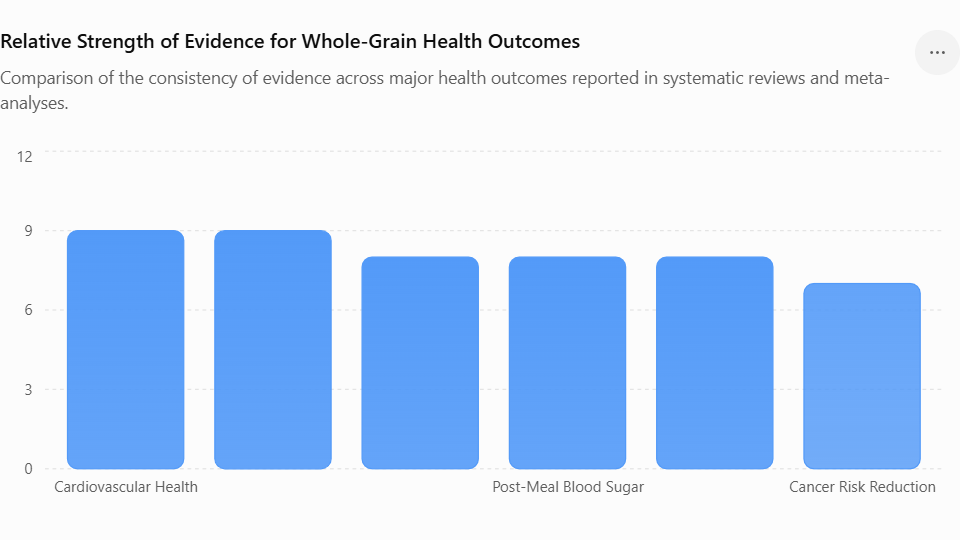
The crackers themselves don’t directly improve heart health.(1)
However, if they’re made primarily with whole grains, they contribute to overall whole-grain intake.
Research consistently shows that diets rich in whole grains are associated with:
- Lower LDL cholesterol.
- Reduced cardiovascular disease risk.
- Better blood pressure.
- Improved metabolic health.
These benefits come from the overall dietary pattern rather than graham crackers alone.
9. Better Alternative to Many Processed Desserts.
When comparing snacks, context matters.
Instead of comparing graham crackers with fresh fruit, it’s more realistic to compare them with foods people often replace them with.
Compared with many desserts, graham crackers generally contain:
- Less saturated fat.
- Less frosting.
- Fewer calories.
- Simpler ingredients.
They’re not the healthiest snack available, but they may be a more balanced choice than cookies, doughnuts, or pastries.
10. Easy to Pair with Nutritious Foods.
One thing I like about graham crackers is their versatility.
They pair well with:
- Peanut butter.
- Almond butter.
- Low-fat cheese.
- Greek yogurt.
- Cottage cheese.
- Fresh berries.
- Bananas.
- Apples.
- Hummus (for those who enjoy savory combinations).
Adding protein and healthy fats improves satiety and creates a more balanced snack.
Are Graham Crackers Healthy for Weight Loss?
This is one of the most searched questions online.
The short answer is:
Yes, they can fit into a weight-loss diet—but they don’t cause weight loss.
Weight loss depends primarily on maintaining a calorie deficit over time.
Graham crackers may support that goal because:
- They’re portion-controlled.
- They contain moderate calories.
- They satisfy sweet cravings.
- They’re easy to pair with protein-rich foods.
However, eating large quantities can quickly increase calorie intake.
Better weight-loss snack combinations include:
- Graham crackers + Greek yogurt.
- Graham crackers + peanut butter.
- Graham crackers + cottage cheese.
- Graham crackers + apple slices.
These combinations help keep you full for longer than eating graham crackers alone.
Are Graham Crackers Good Before Exercise?
For light to moderate exercise, they can be.
Because they provide mostly carbohydrates, they can offer quick energy before activities such as:
- Walking.
- Cycling.
- Strength training.
- Recreational sports.
Athletes sometimes pair them with peanut butter or a banana about 30–60 minutes before exercise.
Are Graham Crackers Good After Exercise?
After a workout, your body benefits from both carbohydrates and protein.
On their own, graham crackers provide carbohydrates but very little protein.
To create a better recovery snack, pair them with:
- Milk
- Greek yogurt
- Cottage cheese
- Protein shake
- Peanut butter
Are Graham Crackers Good for People with Diabetes?
People with diabetes don’t necessarily have to avoid graham crackers, but portion size is important.(2)
Most graham crackers contain:
- Refined carbohydrates.
- Added sugar.
These ingredients may raise blood sugar more quickly than minimally processed whole foods.(3)
If you have diabetes:
- Choose higher-fiber brands.
- Eat small portions.
- Pair them with protein or healthy fats.
- Monitor your blood glucose response.
Always follow your healthcare provider’s advice regarding carbohydrate intake.
Are Graham Crackers Healthy for Kids?
Children generally enjoy graham crackers because they’re mildly sweet and easy to eat.
They can be included as an occasional snack when balanced with nutritious foods.
For example:
- Graham crackers + milk.
- Graham crackers + cheese.
- Graham crackers + fruit.
- Graham crackers + yogurt.
Parents should still pay attention to added sugar and serving size.
Graham Crackers vs Cookies.
| Feature | Graham Crackers | Cookies |
|---|---|---|
| Calories | Usually lower | Usually higher |
| Added Sugar | Moderate | Often high |
| Fiber | Slightly higher | Usually lower |
| Saturated Fat | Lower | Often higher |
| Whole Grain | Sometimes | Rarely |
| Protein | Low | Low |
Overall, graham crackers are often the healthier choice when compared with many cookies.
Graham Crackers vs Saltine Crackers.
| Feature | Graham Crackers | Saltines |
|---|---|---|
| Taste | Mildly sweet | Salty |
| Sugar | Higher | Very low |
| Fiber | Slightly higher | Lower |
| Sodium | Moderate | Often higher |
| Whole Grain | Sometimes | Rarely |
Each serves different purposes, but neither should replace whole, minimally processed foods.
Graham Crackers vs Digestive Biscuits.
Digestive biscuits often contain:
- More fat.
- More calories.
- Similar fiber.
- More sugar (depending on the brand).
Some whole-grain digestive biscuits may provide slightly more fiber, but nutrition varies widely.
What Does Research Say About Whole Grains?
Although few studies specifically examine graham crackers, extensive research supports the health benefits of whole grains.
Higher whole-grain intake has been associated with:
- Reduced risk of heart disease.
- Better digestive health.
- Lower risk of type 2 diabetes.
- Improved cholesterol levels.
- Better long-term weight management.
These benefits are most pronounced when whole grains replace refined grains as part of an overall healthy dietary pattern.
Can Graham Crackers Be Part of a Balanced Diet?
I believe they can.
The key is treating graham crackers as one component of a nutritious diet rather than a “health food.”
A balanced plate still emphasizes:
- Fruits.
- Vegetables.
- Lean protein.
- Whole grains.
- Healthy fats.
Graham crackers can occasionally complement these foods without negatively affecting an otherwise healthy eating pattern.
Potential Drawbacks of Graham Crackers.
Although graham crackers can fit into a balanced diet, I don’t consider them a perfect health food. Like many packaged snacks, their nutritional quality depends on the ingredients and how often they’re consumed.
Here are some potential drawbacks to keep in mind.
1. Added Sugar.
One of the biggest concerns with commercially available graham crackers is their added sugar content.
Many popular brands include sugar, honey, molasses, or high-fructose corn syrup to enhance flavor.
Consuming too much added sugar over time may contribute to:
- Weight gain.
- Blood sugar spikes.
- Increased risk of type 2 diabetes.
- Tooth decay.
- Higher calorie intake.
When shopping, I recommend comparing labels and choosing products with the lowest amount of added sugar.
2. Refined Flour.
Despite the name, not all graham crackers are made primarily from whole wheat flour.
Many brands combine:
- Whole wheat flour.
- Enriched wheat flour.
- Refined flour.
Refined flour contains fewer nutrients and less fiber than whole grains.
If improving whole-grain intake is one of your health goals, choose products where whole wheat flour is listed as the first ingredient.
3. Low in Protein.
Graham crackers are primarily a carbohydrate-rich food.
A typical serving contains only 2–3 grams of protein, which isn’t enough to keep most people full for long.
That’s why I prefer pairing graham crackers with protein-rich foods like:
- Greek yogurt.
- Cottage cheese.
- Peanut butter.
- Almond butter.
- Milk.
Adding protein creates a more satisfying and balanced snack.
4. Not Rich in Essential Nutrients.
Compared with fruits, vegetables, legumes, nuts, and seeds, graham crackers provide relatively small amounts of vitamins and minerals.
They shouldn’t replace nutrient-dense foods in your daily diet.
Instead, think of them as an occasional snack rather than a primary source of nutrition.
5. Portion Sizes Can Add Up Quickly.
Because graham crackers taste mildly sweet and are easy to eat, it’s surprisingly easy to consume several servings without realizing it.
For example:
- 1 serving = approximately 120–140 calories.
- 3 servings = around 360–420 calories.
Mindful portion control can help prevent unnecessary calorie intake.
Are Graham Crackers Healthy Every Day?
This is another question I hear frequently.
The short answer is:
Yes, they can be—if eaten in moderation.
Having one serving occasionally or even daily isn’t necessarily unhealthy if:
- Your overall diet is balanced.
- You’re meeting your fiber needs.
- You’re eating enough fruits and vegetables.
- You’re staying within your calorie requirements.
However, relying on graham crackers as a major source of nutrition isn’t ideal.
Who Should Limit Graham Crackers?
Certain individuals may benefit from limiting or avoiding graham crackers.
These include:
People with Celiac Disease.
Most graham crackers contain wheat and gluten.
Individuals with celiac disease should choose certified gluten-free alternatives.
People with Wheat Allergies.
Anyone with a wheat allergy should avoid traditional graham crackers.
Individuals Watching Added Sugar.
If you’re trying to reduce sugar intake, carefully compare nutrition labels and select lower-sugar brands.
People with Diabetes.
People with diabetes can enjoy graham crackers in moderation but should pair them with protein or healthy fats to reduce rapid blood sugar increases.
How to Choose the Healthiest Graham Crackers?
Whenever I buy graham crackers, I look for a few important features.
Choose products that contain:
- Whole wheat flour as the first ingredient.
- Lower added sugar.
- Minimal artificial flavors.
- Short ingredient lists.
- Lower sodium.
- No partially hydrogenated oils.
The fewer highly processed ingredients, the better.
Healthier Ways to Eat Graham Crackers.
Rather than eating them alone, I enjoy combining graham crackers with nutritious foods.
Some balanced snack ideas include:
Graham Crackers with Greek Yogurt.
This combination adds:
- Protein.
- Calcium.
- Probiotics.
Graham Crackers with Peanut Butter.
Provides:
- Healthy fats.
- Protein.
- Longer-lasting fullness.
Graham Crackers with Cottage Cheese.
Offers:
- High-quality protein.
- Calcium.
- Creamy texture.
Graham Crackers with Fresh Fruit.
Great choices include:
- Apples.
- Strawberries.
- Bananas.
- Blueberries.
- Pears.
The fruit adds fiber, vitamins, and natural sweetness.
Graham Crackers with Hummus.
Although less common, hummus provides:
- Plant protein.
- Fiber.
- Healthy fats.
Healthier Alternatives to Graham Crackers.
If you’re looking for snacks with more fiber, protein, or nutrients, consider:
- Whole-grain crispbread.
- Oatcakes.
- Rice cakes with nut butter.
- Whole-grain toast.
- Apple slices.
- Banana with peanut butter.
- Homemade oatmeal cookies with less sugar.
- Mixed nuts and seeds.
- Roasted chickpeas.
- Air-popped popcorn.
These foods generally provide more nutrients while still satisfying snack cravings.
Common Myths About Graham Crackers.
Let’s separate fact from fiction.
Myth 1: Graham Crackers Are a Health Food.
Fact: They can be part of a healthy diet, but they aren’t considered nutrient-dense foods.
Myth 2: All Graham Crackers Are Whole Grain.
Fact: Many brands use a combination of whole wheat and refined flour.
Myth 3: Graham Crackers Help You Lose Weight.
Fact: No single food causes weight loss. Graham crackers can fit into a calorie-controlled diet but don’t directly burn fat.
Myth 4: Graham Crackers Are Better Than Every Cookie.
Fact: Many are lower in fat and calories than cookies, but nutrition varies by brand.
Myth 5: Children Can Eat Unlimited Graham Crackers.
Fact: Portion size still matters because many varieties contain added sugar.
Frequently Asked Questions.
1. Are graham crackers healthy?
Yes, graham crackers can be part of a balanced diet when eaten in moderation. Choosing brands made with whole wheat flour and lower added sugar is a healthier option.
2. Are Honey Maid graham crackers healthy?
Honey Maid graham crackers are suitable as an occasional snack but contain added sugar and refined flour. They are best enjoyed in moderation.
3. Are graham crackers good for weight loss?
They can fit into a weight-loss plan because they are portion-controlled and relatively moderate in calories. However, they do not directly promote weight loss.
4. Can people with diabetes eat graham crackers?
Yes, but portion control is important. Pairing graham crackers with protein or healthy fats may help reduce rapid increases in blood sugar.
5. Are graham crackers healthier than Regular cookies?
In many cases, yes. Graham crackers are often lower in saturated fat and calories than many cookies, although the nutritional quality depends on the brand.
6. Do graham crackers contain whole grains?
Some do, while others contain a mixture of whole wheat and refined flour. Always check the ingredient list.
7. Are graham crackers gluten-free?
Traditional graham crackers are not gluten-free because they contain wheat. Gluten-free versions are available from some manufacturers.
8. Can children eat graham crackers?
Yes. Graham crackers can be a convenient snack for children when served in moderation and paired with nutritious foods such as milk, yogurt, or fruit.
9. Are graham crackers considered junk food?
Not necessarily. Graham crackers are considered a processed snack food, but they can fit into a balanced diet when eaten in moderation.
10. What do graham crackers do to your body?
Graham crackers provide carbohydrates for energy and small amounts of fiber. However, eating them in excess may increase your intake of added sugar and calories.
11. What is the unhealthiest cracker?
Crackers high in refined flour, added sugars, sodium, unhealthy fats (such as trans fats), and artificial ingredients are generally considered the least healthy choices.
Final Thoughts.
So, are graham crackers healthy?
After exploring their ingredients, nutrition, benefits, and limitations, my answer is yes—but with some important considerations.
Graham crackers aren’t a superfood, nor should they replace fresh, minimally processed foods like fruits, vegetables, whole grains, legumes, nuts, or seeds. However, they can certainly have a place in a healthy eating pattern when enjoyed in moderation.
Their biggest strengths include convenience, portion control, and versatility. They provide carbohydrates for quick energy, may contribute small amounts of fiber—especially when made with whole wheat flour—and are often a lighter alternative to many cookies and pastries.
On the other hand, many commercial varieties contain added sugars, refined flour, and relatively little protein or fiber. That’s why I recommend choosing products with simple ingredient lists and pairing them with nutrient-rich foods such as Greek yogurt, peanut butter, cottage cheese, or fresh fruit to create a more satisfying snack.
Ultimately, no single food determines the quality of your diet. What matters most is your overall eating pattern, lifestyle, and consistency. When enjoyed as part of a balanced diet rich in whole foods, graham crackers can be a tasty and practical snack without compromising your health goals.
+3 Sources
Verywelfit has strict sourcing guidelines and relies on peer-reviewed studies, educational research institutes, and medical organizations. We avoid using tertiary references. You can learn more about how we ensure our content is accurate and up-to-date by reading our editorial policy.
- Whole grain consumption and risk of cardiovascular disease, cancer, and all cause and cause specific mortality: systematic review and dose-response meta-analysis of prospective studies; https://www.bmj.com/content/353/bmj.i2716
- Whole Grain Intake and Glycaemic Control in Healthy Subjects: A Systematic Review and Meta-Analysis of Randomized Controlled Trials; https://pubmed.ncbi.nlm.nih.gov/28753929/
- Whole grain intake, compared to refined grain, improves postprandial glycemia and insulinemia: a systematic review and meta-analysis of randomized controlled trials; https://pubmed.ncbi.nlm.nih.gov/34930065/