
















With eight years of experience, Dr. Sudhansu Singh is a sports and musculoskeletal, neuro, and physiotherapist. He is a member of the Delhi Council of...
Nebadita is experienced in the field of nutrition, health, fitness, and more. Nebadita earned Master Degree from National Institute of Nutrition, Hyderabad and currently serving in the Eastern branch of ICMR.
Adding Verywel Fit as a preferred source on Google helps customize your search results with more of the sites you trust.
Our editorial process ensures that the information we provide is well-researched and reliable.
Learn about our commitment to quality in
our editorial policy.
Wellness Tools
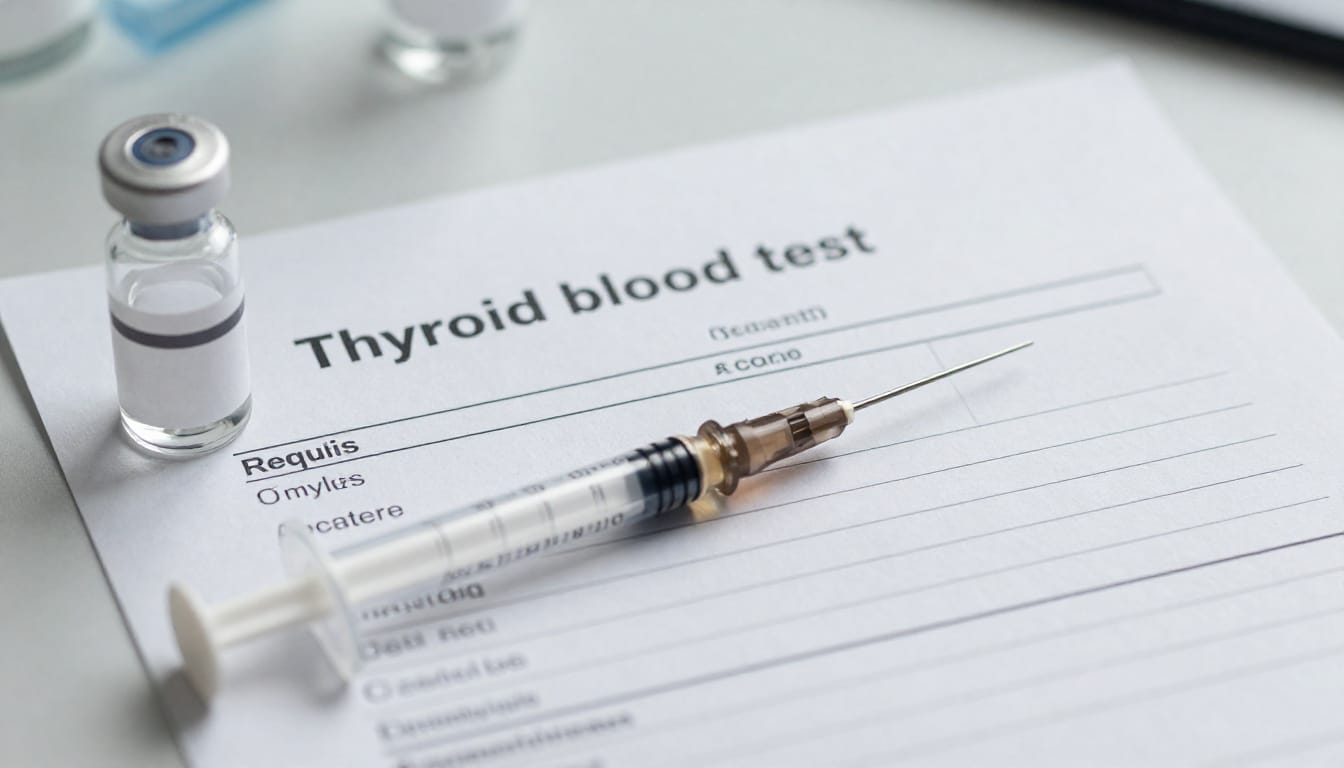
This thyroid test analyzer assists you in interpreting your test results of thyroid test, such as TSH, T3, T4, and others. Just key your lab results in to know whether your results are on a low, optimal or high range as well as being able to get clear explanations of what your results may signify.
Sources to Help You and Your Thyroid.
One of the misunderstood or unnoticed disorders is the thyroid disorders. Not only do your results fall outside the optimum range, or you have already received a diagnosis of some thyroid disease, regardless of whether it is hypothyroidism, hyperthyroidism, Graves disease, or Hashimoto thyroiditis, Verywel Fit provides you with free evidence based resources that will help you manage and understand your thyroid health better.
We want to provide you with knowledge and enable you to engage in knowledgeable and productive dialogues with your medical practitioner.
`;div.querySelector('.numeric-input').addEventListener('input', (e) => {
this.userValues[metric.id] = e.target.value;
this.saveCache();
this.evaluateMetrics();
});div.querySelector('.remove-row-btn').onclick = () => this.removeTest(metric.id);this.metricsForm.appendChild(div);
}removeTest(id) {
this.activeTests.delete(id);
delete this.userValues[id];
const row = this.metricsForm.querySelector(`#row-${id}`);
if(row) row.remove();if(this.activeTests.size === 0) {
this.emptyState.style.display = 'block';
this.clearBtn.style.display = 'none';
this.resultsSection.classList.remove('show');
}this.saveCache();
if(this.dropdownMenu.classList.contains('show')) this.renderDropdown(this.searchInput.value);
this.evaluateMetrics();
}saveCache() {
try {
const packet = { activeTests: Array.from(this.activeTests), userValues: this.userValues };
localStorage.setItem('_thyroid_pro_isolated_cache', JSON.stringify(packet));
} catch(e) {}
}loadCache() {
try {
const stored = localStorage.getItem('_thyroid_pro_isolated_cache');
if (stored) {
const parsed = JSON.parse(stored);
if(parsed.activeTests && parsed.activeTests.length > 0) {
parsed.activeTests.forEach(id => {
const config = THYROID_METRICS.find(m => m.id === id);
if(config) {
this.activeTests.add(id);
this.userValues[id] = parsed.userValues[id] || '';
this.renderInputRow(config, this.userValues[id]);
}
});
this.evaluateMetrics();
}
}
} catch(e) {}
}evaluateMetrics() {
let entries = Object.entries(this.userValues).filter(([_, val]) => val !== '' && !isNaN(parseFloat(val)));
if (entries.length === 0) {
this.resultsSection.classList.remove('show');
return;
}this.resultsSection.classList.add('show');
let states = {};
let globalAlert = false;entries.forEach(([id, val]) => {
const parsedVal = parseFloat(val);
const meta = THYROID_METRICS.find(m => m.id === id);
if (parsedVal < meta.min) { states[id] = 'LOW'; globalAlert = true; }
else if (parsedVal > meta.max) { states[id] = 'HIGH'; globalAlert = true; }
else { states[id] = 'NORMAL'; }
});const interpTitle = this.shadowRoot.getElementById('clinicalInterpretation');
const interpDesc = this.shadowRoot.getElementById('clinicalActionable');
const badge = this.shadowRoot.getElementById('overallStatusBadge');// 1. Core Evaluation: Primary Hormone Combinations
if (states['tsh'] && states['ft4']) {
if (states['tsh'] === 'NORMAL' && states['ft4'] === 'NORMAL') {
this.setCard(badge, interpTitle, interpDesc, "Euthyroid Pattern", "Optimal Primary Homeostasis", "Core biomarkers (TSH & Free T4) fall entirely within standard reference limits.", "emerald");
return;
} else if (states['tsh'] === 'HIGH' && states['ft4'] === 'LOW') {
this.setCard(badge, interpTitle, interpDesc, "Hypothyroid Alert", "Primary Hypothyroidism", "High TSH paired with low Free T4 suggests an underactive thyroid gland structure.", "rose");
return;
} else if (states['tsh'] === 'LOW' && states['ft4'] === 'HIGH') {
this.setCard(badge, interpTitle, interpDesc, "Hyperthyroid Alert", "Primary Hyperthyroidism", "Suppressed TSH and elevated Free T4 indicates an overactive thyroid condition.", "amber");
return;
} else if (states['tsh'] === 'HIGH' && states['ft4'] === 'NORMAL') {
this.setCard(badge, interpTitle, interpDesc, "Subclinical Variant", "Subclinical Hypothyroidism", "TSH is elevated but Free T4 is maintaining within normal borders. Early stress indicator.", "blue");
return;
} else if (states['tsh'] === 'LOW' && states['ft4'] === 'NORMAL') {
this.setCard(badge, interpTitle, interpDesc, "Subclinical Variant", "Subclinical Hyperthyroidism", "TSH is low while Free T4 remains regular. Pituitary signaling shifts detected.", "orange");
return;
}
}// 2. Secondary Evaluation: Dynamic Individual Flares & Autoimmune Panels
if (states['tpo'] === 'HIGH' || states['tgab'] === 'HIGH') {
this.setCard(badge, interpTitle, interpDesc, "Antibody Elevation", "Autoimmune Activity Present", "Elevated TPO or Thyroglobulin Antibodies point toward an immune system target variance (e.g., Hashimoto's or Graves').", "amber");
return;
}
if (states['trab'] === 'HIGH') {
this.setCard(badge, interpTitle, interpDesc, "Antibody Elevation", "TRAb Receptor Stimulation", "Elevated Thyrotropin Receptor Antibodies are highly correlated with metabolic receptor acceleration (Graves' Disease).", "rose");
return;
}
if (states['rt3'] === 'HIGH') {
this.setCard(badge, interpTitle, interpDesc, "Metabolic Shift", "Elevated Reverse T3", "High RT3 levels suggest your body might be turning off active thyroid hormones, often seen during high physical stress or chronic illness.", "orange");
return;
}
if (states['raiu6'] === 'HIGH' || states['raiu24'] === 'HIGH') {
this.setCard(badge, interpTitle, interpDesc, "Uptake Variant", "Increased Iodine Uptake", "High radioactive iodine absorption metrics point to over-accelerated gland manufacturing behavior.", "rose");
return;
}
if (states['raiu6'] === 'LOW' || states['raiu24'] === 'LOW') {
this.setCard(badge, interpTitle, interpDesc, "Uptake Variant", "Decreased Iodine Uptake", "Low tracer iodine intake properties suggest active inflammation blocking processing channels.", "blue");
return;
}
if (states['ft3'] === 'HIGH' || states['t3'] === 'HIGH') {
this.setCard(badge, interpTitle, interpDesc, "T3 Elevation", "Isolated T3 Toxicosis Profile", "Active Triiodothyronine limits are high. This can occasionally skew metabolic delivery rates even if T4 looks normal.", "rose");
return;
}
if (states['trh'] === 'HIGH') {
this.setCard(badge, interpTitle, interpDesc, "Hypothalamic Test", "Exaggerated TRH Response", "An elevated response to TRH can indicate a fundamental underlying signaling mismatch originating from the pituitary pathways.", "blue");
return;
}
if (states['t4'] || states['fti']) {
if (globalAlert) {
this.setCard(badge, interpTitle, interpDesc, "Total Marker Shift", "Total Hormone Disruption", "Total serum panels or Free Thyroxin Index metrics are reflecting values completely outside basic health limits.", "orange");
} else {
this.setCard(badge, interpTitle, interpDesc, "Normal Panel", "Total Hormones Stable", "Total T4 and calculated Free Thyroxin Index parameters appear clean and uncompromised.", "emerald");
}
return;
}// 3. Fall-through Safety Resolution Block
if (!globalAlert) {
this.setCard(badge, interpTitle, interpDesc, "Balanced Biomarkers", "All Selected Metrics Normal", "Every value currently entered corresponds perfectly to the target healthy laboratory reference range.", "emerald");
} else {
this.setCard(badge, interpTitle, interpDesc, "Isolated Range Discrepancy", "Metric Variance Detected", "One or more values reside outside default ranges. Review full panels with an endocrinologist.", "blue");
}
}setCard(badgeEl, titleEl, descEl, badgeTxt, titleTxt, descTxt, colorTheme) {
badgeEl.textContent = badgeTxt;
titleEl.textContent = titleTxt;
descEl.textContent = descTxt;
badgeEl.className = `result-badge theme-${colorTheme}`;
}
}if(!customElements.get('thyroid-lab-analyzer')) {
customElements.define('thyroid-lab-analyzer', ThyroidAnalyzer);
}const container = document.getElementById('thyroid-analyzer-root');
if(container) {
container.innerHTML = '';
}
})();
🛠️ Complete Guide: How to Use the Thyroid Analyzer.
Follow these simple steps to input and analyze your thyroid panel results.
1. Find and Select Your Test.
Locate the card labeled “Search and Select Medical Test”.
Click inside the search input box and begin typing the name of your test (for example, type TSH or Free T4).
A filtered dropdown menu will immediately open beneath your cursor, matching your keywords to standard clinical biomarkers.
2. Confirm the Selection.
Click your specific test from the dropdown list.
A green “OK” button alongside a confirmation indicator will appear directly on the selected item.
Click “OK” (or click the test name once more) to finalize your selection. The dropdown will collapse, and a new input row will drop straight into your workspace.
3. Enter Your Lab Values.
Scroll down to the “Active Biomarker Values” zone. Your chosen lab panel will be visible here.
Look directly below the test title to find your target Reference Range (e.g., Reference: 0.45 – 4.5 mIU/L).
Click into the numerical “Value” field and type the exact number printed on your laboratory printout sheet.Note: The system supports decimal precision, so you can type numbers like 1.25 or 0.85 safely.
4. Read the Real-Time Analysis.
As soon as a valid value is typed, the dark “Real-Time Synthesis” card pops up automatically at the base of the analyzer.
Single-Test Evaluation: If you enter just one value, the calculation matrix will check it against safe reference boundaries, generating an automatic high, low, or normal alert tag.
Multi-Test Cross-Evaluation: If you add and input values for multiple key biomarkers at once (such as pairing TSH and Free T4 together), the script will automatically process them as an overlapping diagnostic panel. It will synthesize complex textbook states like Primary Hypothyroidism, Primary Hyperthyroidism, or Subclinical Variants based on the combined patterns.
5. Managing Your Workspace.
To delete a single row: Click the small “X” icon on the right side of the test card. The item disappears, and any remaining data updates instantly.
To clear the whole dashboard: Click the red “Clear All” action link on the upper right side of your active test area to refresh your screen for a completely new session.
💾 Smart Session Recovery.
You don’t have to worry about closing your window or losing your spot. The application uses automated background catching to store your active workspace items and inputs. If you refresh your web browser or navigate away, your numbers will stay loaded right where you left them.
What are the tests that can be analyzed of Thyroid?
The tool will assist in analysis of numerous routinely ordered thyroid tests such as:
Common Thyroid Tests.
Thyroid-stimulating hormone (TSH).
Free thyroxine (Free T4).
Free T3 (T3).
Test analysis can be done one test at a time. Nevertheless, thyroid hormones are closely interacting with each other and outcomes depend on several factors. It is because of this reason that you doctor is the best one to put your findings into perspective. This is a tool that is meant to be used in an informational manner.
To get fully informed about each test, download our guide: Learning about the Different Thyroid Function Tests.
Where do you have your Thyroid test results?
Thyroid test outcomes are found in the majority of cases within a matter of few days on bloodwork or imaging tests. You can obtain them by:
Asking the office of your doctor to send you a copy.
Entering your online patient portal of your laboratory or clinic.
The results will be sent to your doctor even when the tests were done elsewhere and could call you back in case of a follow up. This analyzer is available to use before or after your appointment in order to interpret your results better.
Remember that there can be a difference in the range of reference, depending on the laboratory. The analyzer employs references ranges that are accepted in adulthood. In case your lab has different ranges, then you must use the values reported on your formal report.
What is the Information that the Thyroid Analyzer will provide?
Pregnant individuals as well as those with pituitary disorders or undergoing treatment of thyroid cancer should have their interpretation done by a specialist.
Thyroid Test Results Interpretation.
Every analysis contained in this tool was based on the work of a board-certified physician and is consistent with the recommendations of the top thyroid experts. Laboratories can have a little difference in reference ranges as well as interpretations.
This is a tool that is used in education. It must not, but must supplement, professional medical consultation or treatment.
Thyroid disorders are complicated and dependent on the medical history, medications, and interactions between hormones, which is why your doctor is better positioned to give specific interpretation and prescription.
Is Your Information Private?
Yes. We take privacy seriously. This tool is not tracking the tests that you analyze and the lab values that you are typing in. Only you see your results and will never be able to read them again. In case you would like to record it, you can print your analysis.
To find out more information, please refer to our Privacy Policy.
Is This Instrument a Diagnosing Tool of Thyroid?
No. This analyzer is not a medical advice or thyroid diagnosis analyzer. It has no substitute to professional medical consultations, diagnosis, and treatment as it is only informational.
So What Are You Going to do With your Analysis?
Use your findings to make sense of your thyroid well-being and come up with considerate questions of your healthcare professional. This tool should not be used to self-diagnose hypothyroidism, hyperthyroidism, Graves disease and Hashimoto thyroiditis.
Only your doctor can give you an accurate diagnosis and treatment that entails a detailed assessment of symptoms and medical history, lifestyle, and various test results.

Last reviewed on July 2, 2026
How we reviewed this article:
ⓘ Sources
✕
Verywel Fit follows strict sourcing guidelines and relies on peer-reviewed studies, academic research institutions, and reputable medical organizations. We only use high-quality, credible sources to ensure the accuracy and integrity of our content.
🕖 History
✕
Our experts continually monitor the health and wellness space, and we update our articles when new information becomes available
Current Version
Written by Nebadita (Diet & Health Expert)
Reviewed by Dr. Sudhansu Singh
Updated: Jul 2, 2026
Feb 27, 2026
Written by Nebadita (Diet & Health Expert)
Reviewed by Dr. Sudhansu Singh
The results from this health calculator are estimates and should not be considered medical advice. Calculations are based on general formulas and may not reflect your unique health needs. Always consult a doctor or certified health professional before making any changes to your fitness, diet, or medication plan.
Know More
Nebadita is experienced in the field of nutrition, health, fitness, and more. Nebadita earned Master Degree from National Institute of Nutrition, Hyderabad and currently serving in the Eastern branch of ICMR. Know More. Learn about our editorial process.
With eight years of experience, Dr. Sudhansu Singh is a sports and musculoskeletal, neuro, and physiotherapist. He is a member of the Delhi Council of...