















 Workout

 Meditation






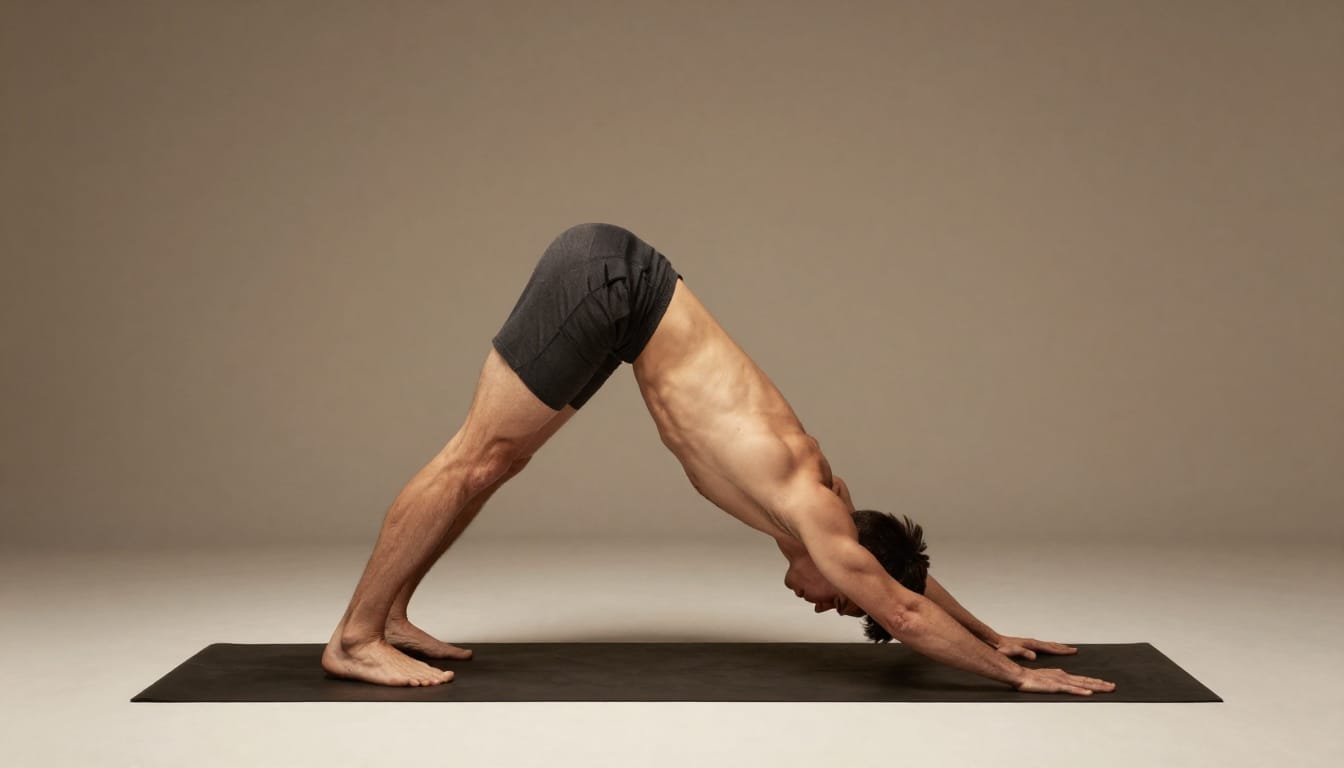
In the hustle and bustle of modern life, it’s easy for our nervous system to become overwhelmed. However, one ancient practice stands out as a powerful tool for restoring balance: yoga. Specifically, yoga can be instrumental in nurturing the health of the vagus nerve, a crucial component of the parasympathetic nervous system responsible for promoting relaxation and reducing stress. In this comprehensive guide, we’ll delve into the benefits of yoga for vagus nerve health, explore specific poses and techniques, and provide valuable tips to ensure a safe and effective practice.
Understanding the Vagus Nerve.
Before we dive into the world of yoga, let’s take a moment to understand the importance of the vagus nerve. Named after the Latin word for “wandering,” the vagus nerve is aptly named, as it meanders throughout the body, connecting the brain to various organs, including the heart, lungs, and digestive system. This cranial nerve plays a pivotal role in regulating many essential bodily functions, such as heart rate, digestion, and mood.
Benefits of Yoga for Vagus Nerve Health.
1. Stress Reduction: Yoga has long been celebrated for its ability to induce a state of relaxation and calm. By engaging in gentle movements, deep breathing, and mindfulness practices, individuals can activate the parasympathetic nervous system, effectively “rest and digest” mode, which is facilitated by the vagus nerve.
2. Improved Heart Health: Studies have shown that yoga can lower blood pressure, reduce heart rate variability, and enhance cardiac function, all of which are closely linked to vagal tone, or the strength and responsiveness of the vagus nerve.
Related Stories
 What is Viniyoga: Benefits And How To Do
 What is Transcendental Meditation and What is It for?
3. Enhanced Digestion: The vagus nerve plays a pivotal role in regulating digestion, including the secretion of stomach acid, peristalsis, and gut motility. By incorporating yoga poses that target the abdomen and encourage gentle twisting and compression, individuals can stimulate digestive function and alleviate symptoms of indigestion and bloating.
Yoga Poses for Vagus Nerve Stimulation.

1. Child’s Pose (Balasana): Begin on your hands and knees, then slowly lower your hips back towards your heels while extending your arms forward. Rest your forehead on the mat and breathe deeply into your belly, allowing your spine to gently curve.

2. Bridge Pose (Setu Bandhasana): Lie on your back with your knees bent and feet hip-width apart. Press into your feet as you lift your hips towards the sky, engaging your glutes and thighs. Interlace your hands beneath your back and roll your shoulders underneath you, opening your chest.

3. Seated Twists: Sit on the floor with your legs extended in front of you. Bend your right knee and cross it over your left leg, placing your right foot on the floor outside your left knee. Inhale to lengthen your spine, then exhale as you twist to the right, placing your left elbow on the outside of your right knee and looking over your right shoulder. Hold for several breaths, then repeat on the opposite side.
Precautions and Common Mistakes.
While yoga can be incredibly beneficial for vagus nerve health, it’s essential to practice mindfully and listen to your body. Here are some precautions to keep in mind:
- Avoid overexertion: Listen to your body’s signals and honor your limits to prevent injury and burnout.
- Modify as needed: If a pose feels uncomfortable or inaccessible, don’t hesitate to use props or modify the posture to suit your unique needs.
- Stay hydrated: Drink plenty of water before and after your practice to support hydration and optimal bodily function.
- Consult a healthcare professional: If you have any underlying medical conditions or concerns, consult with your doctor before beginning a new yoga practice.
Scientific Evidence.
Numerous scientific studies have explored the therapeutic effects of yoga on vagus nerve function and overall well-being. For example, a 2019 systematic review published in the Journal of Clinical Psychology found that yoga interventions were associated with significant reductions in stress, anxiety, and depressive symptoms, highlighting the potential of yoga as a holistic approach to mental health management. Additionally, a 2020 study published in Frontiers in Psychiatry demonstrated that yoga practices, including asanas (postures) and pranayama (breathing techniques), can modulate heart rate variability and vagal tone, promoting physiological relaxation and emotional regulation.(1),(2)

Power of Yoga for Vagus Nerve Health- Personal Experience.
I am Hannah Brooks, Mental Health Counselor, Vancouver, Canada, after years of managing work-related stress and emotional burnout, I noticed constant nervous tension, shallow breathing, and difficulty calming my thoughts. I began exploring yoga specifically focused on slow breathing, gentle backbends, and relaxation poses aimed at stimulating the vagus nerve. Within a few weeks of consistent practice, my stress responses softened, my sleep improved, and I felt a greater sense of calm during emotionally challenging situations. Yoga helped me regulate my nervous system rather than constantly reacting to stress.
“Yoga helped me calm my nervous system by gently stimulating the vagus nerve and improving my ability to handle stress.”

Expert Opinion.
As per Samuel Ortega, Neuroscience Researcher & Integrative Health Specialist, Barcelona, Spain, yoga practices that emphasize slow breathing, gentle movement, and mindful awareness can positively influence vagus nerve activity by activating the parasympathetic nervous system.
Over time, this helps improve stress regulation, heart rate variability, emotional resilience, and overall nervous system balance. Yoga is a safe and effective complementary approach for supporting vagus nerve health when practiced consistently and mindfully.
Frequently Asked Questions.
1. How often should I practice yoga for vagus nerve health?
Aim to practice yoga at least a few times per week to experience noticeable benefits. Consistency is key!
2. Can yoga help with anxiety and depression?
Yes, yoga has been shown to be an effective complementary therapy for managing symptoms of anxiety and depression, thanks to its stress-reducing and mood-enhancing effects.
3. Are there specific breathing techniques that can stimulate the vagus nerve?
Yes, deep belly breathing, also known as diaphragmatic breathing, is particularly effective for activating the relaxation response mediated by the vagus nerve.
Bottom Line.
Yoga offers a multifaceted approach to enhancing vagus nerve health and promoting overall well-being. By incorporating gentle movements, deep breathing, and mindfulness practices into your routine, you can tap into the restorative power of yoga and cultivate a greater sense of balance, vitality, and resilience. Remember to approach your practice with patience, compassion, and an open heart, allowing the healing benefits of yoga to unfold organically.
+2 Sources
Verywelfit has strict sourcing guidelines and relies on peer-reviewed studies, educational research institutes, and medical organizations. We avoid using tertiary references. You can learn more about how we ensure our content is accurate and up-to-date by reading our editorial policy.
- A Systematic Review of Yoga Interventions on the Mental Health of Nursing Professionals and Students; https://pmc.ncbi.nlm.nih.gov/articles/PMC12068460/
- Yoga and heart rate variability: A comprehensive review of the literature; https://pmc.ncbi.nlm.nih.gov/articles/PMC4959333/