













 Workout

 Meditation






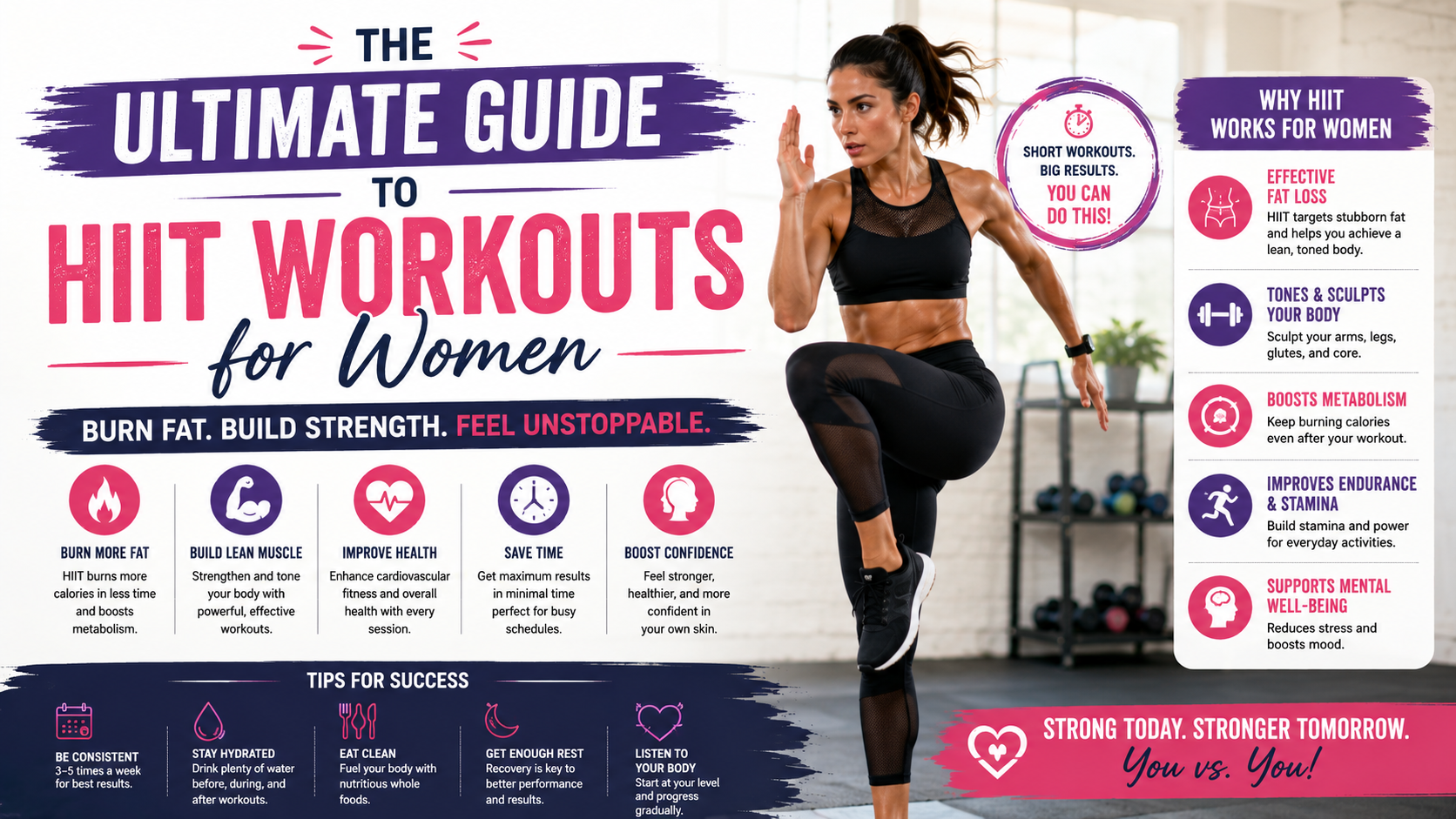
In today’s fast-paced world, it can be challenging to find the time for long, drawn-out workout routines. High-Intensity Interval Training (HIIT) is a game-changer, especially for women who want quick, effective results without spending hours at the gym. In this guide, we’ll explore the benefits of HIIT workouts for women, how to get started, and why it’s one of the most efficient forms of exercise backed by science.
What is HIIT?
HIIT (High-Intensity Interval Training) is a form of cardio workout that involves alternating between intense bursts of activity and periods of lower-intensity recovery or rest. The goal is to push your body to its maximum capacity in a short time, which increases the heart rate and burns more calories in less time.
The Benefits of HIIT Workouts for Women.
1. Burns More Fat in Less Time.
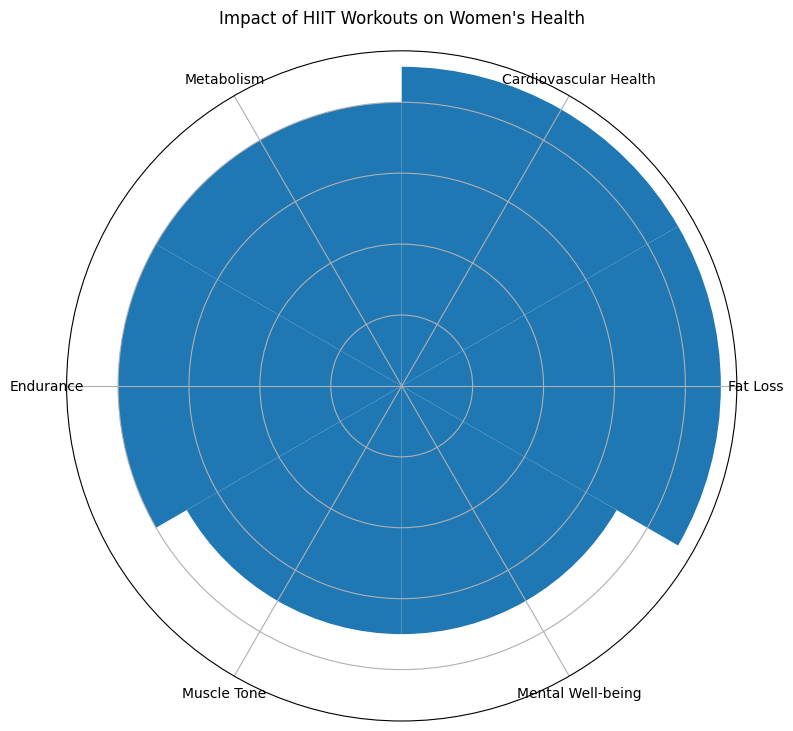
One of the most significant advantages of HIIT is how it accelerates fat loss. According to a study published in the Journal of Obesity, HIIT has been shown to burn 25-30% more calories than other forms of exercise like moderate-intensity cardio.(1)
2. Improves Cardiovascular Health.
HIIT not only helps with fat loss but also improves your heart health. Research shows that regular HIIT sessions reduce heart rate and blood pressure, especially in overweight individuals. In fact, a 2015 study in the American Journal of Physiology found that 12 weeks of HIIT improved blood vessel function and reduced the risk of cardiovascular diseases.(2)
Related Stories
 Is There A Way For Women To Workout and Still Keep A Feminine Looking Body?
 Controlled Articular Rotations Exercises For Seniors: Benefits. Types and How To Do
3. Increases Endurance and Strength.
HIIT workouts push your body beyond its comfort zone, increasing both endurance and muscle strength. The intense bursts of activity force your body to adapt, making you fitter over time. Whether you’re sprinting, jumping, or doing push-ups, you’re working multiple muscle groups, improving both aerobic and anaerobic performance.
4. Boosts Metabolism and Keeps Burning Calories.
Unlike steady-state cardio, HIIT triggers something known as the “afterburn effect,” or Excess Post-Exercise Oxygen Consumption (EPOC). This means your body continues to burn calories long after the workout is over. A study published in the European Journal of Applied Physiology found that HIIT could increase your resting metabolic rate for up to 48 hours after a session.(3)
5. Convenient and Time-Efficient.
One of the key reasons women love HIIT is its flexibility. You don’t need a gym, fancy equipment, or hours of your day to get a killer workout. HIIT can be done at home, in the park, or even in your living room using just your body weight.
How to Get Started with HIIT Workouts?
Getting started with HIIT is simple. Here’s a basic structure:

1. Warm-Up (5 minutes): It’s crucial to prepare your body with light cardio like jogging or jumping jacks.
2. HIIT Circuit (15-20 minutes): Choose 4-5 exercises that alternate between high-intensity and lower-intensity intervals. For example, 30 seconds of burpees followed by 30 seconds of rest.
3. Cool Down (5 minutes): After your session, cool down with stretches or light movements to help your body recover.
HIIT Workouts for Beginners.
Here’s a sample HIIT routine tailored for beginners, focusing on exercises that don’t require equipment:
1. Jumping Jacks (30 seconds on, 30 seconds rest).
This full-body exercise increases your heart rate quickly and is a great way to start the workout.
2. Bodyweight Squats (30 seconds on, 30 seconds rest).
Squats target the lower body, particularly the thighs, glutes, and hamstrings, which are key areas for many women.
3. High Knees (30 seconds on, 30 seconds rest).
Drive your knees up towards your chest as fast as you can. This exercise burns calories while improving coordination and endurance.
4. Push-Ups (30 seconds on, 30 seconds rest).
Push-ups engage the upper body muscles, especially the chest, shoulders, and triceps. If regular push-ups are too challenging, try them on your knees.
5. Plank (30 seconds on, 30 seconds rest).
The plank strengthens your core muscles, helping you build stability and support for all your movements.
Repeat this circuit 3-4 times with a 1-minute rest in between each circuit for a complete workout.
Expert Advice on Maximizing HIIT for Women.
To gain more insight, I spoke with fitness expert Dr. Emily Rogers, who specializes in exercise physiology. She emphasizes the importance of proper recovery in HIIT workouts. Because HIIT is so intense, women need to balance it with adequate rest days to prevent injury and burnout. It’s essential to listen to your body and give it time to recover between sessions.”
She also recommends focusing on form rather than speed: “It’s common for women to rush through the exercises to get more reps, but poor form can lead to injury. Make sure you maintain good posture, especially during high-impact movements like jumping or sprinting.”
Common Myths About HIIT for Women.
Myth 1: HIIT is Only for Athletes.
Some women believe that HIIT is too difficult if they’re not athletes or advanced fitness enthusiasts. However, HIIT is incredibly adaptable. “You can modify the exercises and work at your own pace,” says Davis. “The key is to challenge yourself, not to compare yourself to others.”
Myth 2: HIIT Will Make You Bulk Up.
Many women fear that HIIT will make them too muscular. The truth is that HIIT helps build lean muscle mass, not bulky muscles. “The type of muscle growth that women experience from HIIT is more about definition and tone rather than size,” explains Brown.
Scientific Evidence Supporting HIIT for Women.
Multiple studies support the effectiveness of HIIT. A study published in the Journal of Strength and Conditioning Research found that women who engaged in HIIT experienced greater fat loss and cardiovascular improvements compared to those doing steady-state cardio.(4) Another study in the British Journal of Sports Medicine concluded that HIIT significantly improved overall health markers, including insulin sensitivity and blood pressure.(5)
Frequently Asked Questions.
1. How often should I do HIIT workouts?
It’s recommended to do HIIT workouts 3-4 times per week to allow your body time to recover. You can also combine HIIT with strength training or yoga for a balanced routine.
2. Can I do HIIT if I’m pregnant?
Always consult your doctor before starting any exercise regimen during pregnancy. While some pregnant women may continue modified HIIT workouts, it’s essential to listen to your body and avoid high-impact movements.
3. How long should my HIIT workout be?
Most HIIT workouts last between 20-30 minutes. The goal is to maximize intensity, so longer sessions aren’t necessary to see results.
Bottom Line.
HIIT workouts are an efficient, flexible, and scientifically-backed way for women to achieve their fitness goals, whether it’s losing fat, gaining strength, or improving endurance. By incorporating HIIT into your routine, you can experience noticeable results in less time without the need for a gym or equipment.
+5 Sources
VerywelFit has strict sourcing guidelines and relies on peer-reviewed studies, educational research institutes, and medical organizations. We avoid using tertiary references. You can learn more about how we ensure our content is accurate and up-to-date by reading our editorial policy.
- High-intensity Interval Training and Obesity; https://www.researchgate.net/publication/269547393_High-intensity_Interval_Training_and_Obesity
- Two weeks of high-intensity interval training improves novel but not traditional cardiovascular disease risk factors in adolescents; https://journals.physiology.org/doi/full/10.1152/ajpheart.00360.2015
- A Practical Model of Low-Volume High-Intensity Interval Training Induces Performance and Metabolic Adaptations That Resemble ‘All-Out’ Sprint Interval Training; https://pmc.ncbi.nlm.nih.gov/articles/PMC3737829/
- Effectiveness of a 16-Week High-Intensity Cardioresistance Training Program in Adults; https://pmc.ncbi.nlm.nih.gov/articles/PMC5566168/
- The impact of high-intensity interval training on women’s health: A bibliometric and visualization analysis; https://pmc.ncbi.nlm.nih.gov/articles/PMC11441864/