
















 Workout

 Meditation






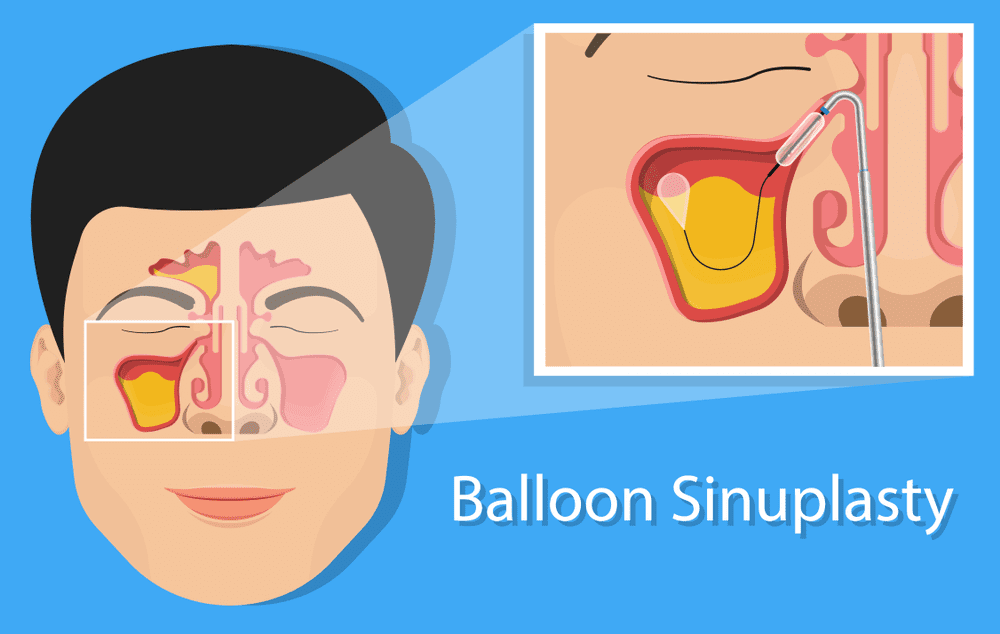
Balloon Sinuplasty is a minimally invasive procedure that is commonly used to treat chronic sinusitis, a condition characterized by inflammation and infection of the sinuses. This procedure involves inserting a small balloon catheter into the affected sinus passages and inflating it to open up the blocked or narrowed passages. While Balloon Sinuplasty has gained popularity for its effectiveness in providing relief from sinus symptoms, it is important to be aware of the potential long-term side effects associated with this procedure. This article will explore and discuss these potential side effects in detail, shedding light on the importance of understanding the risks involved in order to make informed decisions about this treatment option.
Long-Term Side Effects of Balloon Sinuplasty.
Balloon sinuplasty is a relatively new and minimally invasive procedure used to treat chronic sinusitis and other sinus-related conditions. While it offers numerous benefits, it is essential to understand the potential long-term side effects associated with this procedure.
1. Recurrence of Symptoms.
Although balloon sinuplasty provides immediate relief to patients suffering from chronic sinusitis, there is a possibility of symptom recurrence over time. This can happen due to various factors, such as the development of new sinus blockages or the progression of the underlying condition.
2. Incomplete Sinus Opening.
In some cases, the balloon sinuplasty procedure may not fully open the sinuses, leading to incomplete relief of symptoms. This can result in persistent or recurring sinus infections, nasal congestion, facial pain, and other related issues.
Related Stories
 Do Lip Fillers Dissolve Over Time? A Comprehensive Guide
 The Power of Alum Powder for Skin: Benefits, Uses, and Scientific Insights
3. Adverse Reactions.
While rare, some individuals may experience adverse reactions to the materials used during balloon sinuplasty. These reactions can include allergic responses, infections, or inflammation. It is crucial to discuss any known allergies or sensitivities with the medical team before undergoing the procedure.
4. Tissue Damage.
The use of balloons to widen the sinus passages during the procedure may cause minor damage to the surrounding tissues. Although this is typically temporary and resolves on its own, it can occasionally lead to prolonged discomfort or scarring.
5. Nasal Bleeding.
Some patients may experience mild to moderate nasal bleeding after balloon sinuplasty. This is usually short-lived and can be managed with gentle nasal rinses or saline sprays. However, excessive or persistent bleeding should be reported to the healthcare provider.
6. Changes in Sense of Smell.
In rare cases, patients may experience temporary or permanent changes in their sense of smell following balloon sinuplasty. This can range from a diminished ability to detect certain odors to a complete loss of smell. It is crucial to inform the healthcare provider if this occurs to determine the underlying cause and appropriate treatment options.
7. Sinus Drainage Issues.
In some instances, balloon sinuplasty can disrupt the natural drainage pathways of the sinuses, leading to altered patterns of mucus flow. This can result in increased nasal congestion, postnasal drip, or a feeling of excessive fluid in the sinuses.
8. Scar Tissue Formation.
As with any surgical procedure, there is a risk of scar tissue formation in the sinuses. This can potentially block the sinus passages and lead to recurrent sinus problems. Regular follow-up appointments with the healthcare provider can help detect and manage any developing scar tissue.
| 💡 Tips Verywel Fit.com It is important to note that while these potential long-term side effects exist, the majority of patients who undergo balloon sinuplasty experience significant and long-lasting relief from their sinus-related symptoms. Discussing the procedure thoroughly with a qualified healthcare professional will help determine if balloon sinuplasty is the right course of action for an individual’s specific condition. |
How to Prevent Long-Term Side Effects of Balloon Sinuplasty?
Here are some effective strategies to minimize the risk of adverse effects after undergoing Balloon Sinuplasty:
1. Follow post-operative instructions.
After the procedure, your doctor will provide specific guidelines to follow during the recovery period. It is crucial to adhere to these instructions meticulously to ensure proper healing and minimize the chance of complications.
2. Take prescribed medications.
Your doctor might prescribe antibiotics, nasal sprays, or other medications to prevent infection, reduce inflammation, and promote healing. It is essential to take these medications as directed, complete the full course, and avoid skipping doses.
3. Keep nasal passages moisturized.
Using saline nasal sprays or rinses recommended by your doctor helps keep your nasal passages moist and prevents them from becoming dry or irritated. Adequate moisture promotes healing and reduces the risk of long-term complications.
4. Avoid strenuous activities.
Engaging in physically demanding activities, such as heavy lifting, intense workouts, or activities that increase pressure in the sinuses, should be avoided during the recovery phase. Straining or exerting excessive pressure can disrupt the healing process and potentially lead to complications.
5. Maintain proper hygiene.
Practicing good hygiene habits, such as regular handwashing and avoiding touching your face unnecessarily, helps reduce the risk of infection. Keeping your surroundings clean and free from allergens also contributes to a healthy recovery.
6. Attend follow-up appointments.
Regularly scheduled follow-up appointments with your doctor are crucial for monitoring your progress and detecting any potential complications early on. Make sure to attend these appointments and communicate any concerns or symptoms you may experience.
7. Avoid irritants and allergens.
Exposure to irritants and allergens can worsen sinus symptoms and potentially lead to long-term complications. Stay away from cigarette smoke, strong chemicals, dust, and other substances that could trigger inflammation or irritation in your sinuses.
8. Maintain a healthy lifestyle.
A strong immune system is essential for preventing infections and promoting healing. Adopting a healthy lifestyle, including a balanced diet, regular exercise, adequate sleep, and stress management, can significantly contribute to your overall recovery.
9. Communicate with your doctor.
If you experience any unusual or persistent symptoms after the procedure, such as severe pain, excessive bleeding, or worsening sinus issues, promptly inform your doctor. Open communication ensures that potential complications are addressed promptly.
| 💡 Tips Verywel Fit.com By following these preventive measures, you can significantly reduce the risk of long-term side effects and enhance the success of your Balloon Sinuplasty procedure. Remember, it is essential to consult with your healthcare provider for personalized advice and guidance tailored to your specific situation. |
Frequently Asked Questions.
1. How long does balloon sinuplasty last?
Balloon sinuplasty can provide long-lasting relief from chronic sinusitis symptoms, with results lasting for several years or more.
2. Is balloon sinuplasty permanent?
Yes, balloon sinuplasty is considered a permanent solution for chronic sinusitis.
3. How much does balloon sinuplasty cost?
The cost of balloon sinuplasty can vary depending on various factors such as the location, the extent of the procedure, and the healthcare provider. It is recommended to consult with a healthcare professional or check with insurance providers for more accurate pricing information.
4. How long does balloon sinuplasty take?
Balloon sinuplasty typically takes around 30 minutes to 1 hour to complete.
5. How much does balloon sinuplasty cost with insurance?
The cost of balloon sinuplasty with insurance can vary depending on the specific insurance plan and coverage. It is best to contact your insurance provider to determine the exact cost and coverage details.
6. What to expect after balloon sinuplasty?
After balloon sinuplasty, one can expect relief from sinus symptoms, improved breathing, reduced sinus infections, and a quicker recovery compared to traditional sinus surgery.
7. How does balloon sinuplasty work?
Balloon sinuplasty is a minimally invasive procedure used to treat chronic sinusitis. During the procedure, a small balloon catheter is inserted into the blocked sinus passageway and inflated to open up and widen the sinus opening. This helps to improve drainage and relieve symptoms of sinusitis.
8. How long after balloon sinuplasty can I blow my nose?
It is generally advised to wait for at least 48 hours after balloon sinuplasty before blowing your nose. However, it is best to consult with your healthcare provider for specific instructions based on your individual case.
9. How long does congestion last after balloon sinuplasty?
The duration of congestion after balloon sinuplasty can vary, but it is typically temporary and may last for a few days to a few weeks.
10. How long does it take to fully recover from balloon sinuplasty?
The recovery time for balloon sinuplasty is typically short, with most patients experiencing full recovery within a few days to a week.
11. How long should you bleed after balloon sinuplasty?
Bleeding after balloon sinuplasty is usually minimal and should only last for a few days.
Bottom Line.
Balloon sinuplasty is a minimally invasive procedure that has shown to be effective in treating chronic sinusitis. While it offers numerous benefits such as reduced recovery time and improved quality of life, it is important to consider the potential long-term side effects. Although rare, these may include infection, bleeding, and damage to surrounding structures. However, the overall incidence of these complications is low, and most patients experience only mild and temporary discomfort. It is crucial for patients to have a thorough discussion with their healthcare provider to weigh the benefits against the potential risks before undergoing balloon sinuplasty. Additionally, regular follow-up appointments are essential to monitor any long-term effects and address them promptly. With proper care and monitoring, balloon sinuplasty can provide long-lasting relief for individuals suffering from chronic sinusitis.