
















 Workout

 Meditation






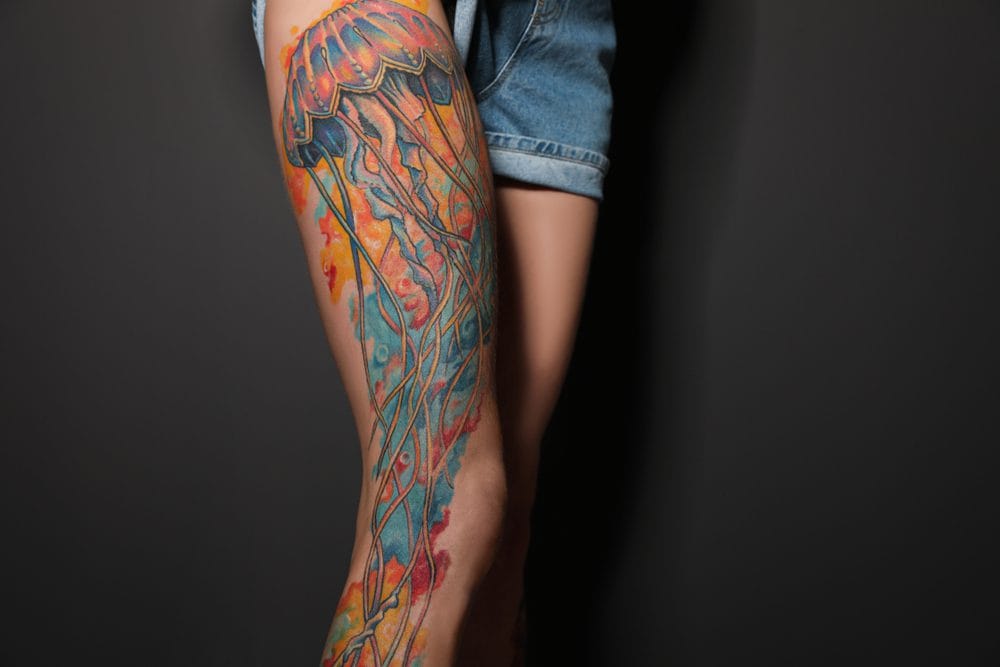
Getting a tattoo is an exciting and personal experience, and for many, it symbolizes a significant event or holds deep meaning. One of the most popular locations for tattoos is the shin, as it offers a large canvas for intricate designs. However, it is essential to understand that the shin area can be quite painful during the tattooing process and requires proper care and attention during the healing phase. In this article, we will explore the pain level associated with shin tattoos and delve into the healing process to help individuals make informed decisions and ensure a successful and comfortable tattoo experience.
Shin Tattoo Pain Level.
Getting a shin tattoo is known to be quite painful. The shin area is made up of thin skin and is close to the bone, making it more sensitive to pain. The pain level experienced during a shin tattoo can vary depending on an individual’s pain tolerance. Some people may describe the pain as sharp, intense, or even unbearable, while others may find it more tolerable.
The pain can also vary depending on the specific design, size, and placement of the tattoo. Despite the potential discomfort, many people still opt for shin tattoos due to their aesthetic appeal and personal significance.
Shin Tattoo Pain Healing Process.
1. Initial pain.
After getting a shin tattoo, it is common to experience some level of pain and discomfort. The shin area is known for being more sensitive due to the proximity of bones and nerves. Initially, the pain may be sharp or stinging, similar to a sunburn.
Related Stories
 The Ultimate Guide to Peppermint Oil for Beard Growth: Benefits, Usage, and Expert Insights
 What is Sculptra Butt Lift: Pros and Cons
2. Swelling and redness.
Following the tattooing process, the shin may become swollen and appear red or irritated. This is a natural response of the body to the trauma caused by the tattoo needle. The swelling and redness should subside within a few days.
3. Oozing and scabbing.
As the healing process begins, the tattooed area may start to ooze a clear or slightly colored liquid. This is the body’s way of forming a protective layer over the tattoo. Over time, this liquid will dry and form scabs. It is important not to pick or scratch at these scabs, as it can lead to infection or scarring.
4. Itching.
As the tattoo continues to heal, it is common to experience itching in the shin area. This can be quite bothersome, but scratching should be avoided to prevent damage to the tattoo. Applying a thin layer of fragrance-free lotion or using a cold compress can help alleviate the itching sensation.
5. Peeling and flaking.
After the scabs have formed and dried, the tattooed area may start to peel and flake. This is a natural part of the healing process as the damaged skin sheds and new skin cells develop. It is crucial to resist the temptation to peel or pick at the flaking skin, as it can disrupt the healing process and affect the overall appearance of the tattoo.

6. Fading and settling.
As the shin tattoo continues to heal, it is normal for the colors to appear slightly faded or dull. This is temporary and can be attributed to the scabbing, peeling, and flaking stages. The tattoo will gradually settle into the skin and regain its vibrancy over time.
7. Complete healing.
The shin tattoo healing process typically takes around 2-4 weeks, depending on the individual’s healing ability and aftercare routine. During this time, it is crucial to follow proper aftercare instructions provided by the tattoo artist, such as keeping the tattoo clean, avoiding direct sunlight, and refraining from activities that may irritate or damage the tattoo.
8. Final result.
Once the healing process is complete, the shin tattoo should have fully settled into the skin, appearing vibrant and well-defined. It is essential to protect the tattoo from excessive sun exposure and regularly moisturize the area to maintain its longevity and appearance.
| 💡 Tips Verywel Fit.com Remember, everyone’s healing process may vary, and if any concerns or complications arise during the healing process, it is advisable to consult a professional tattoo artist or a healthcare provider for appropriate guidance. |
Shin Tattoo : Aftercare.
1. Keep the tattoo covered.
After getting a Shin Tattoo, it is essential to keep it covered with a sterile bandage or a plastic wrap for at least a few hours or as advised by your tattoo artist. This helps protect the tattoo from dirt, bacteria, and other contaminants.
2. Clean the tattoo gently: Once you remove the initial covering, gently wash the tattoo with lukewarm water and mild, fragrance-free soap. Use your clean hands or a soft cloth to cleanse the area. Avoid using harsh scrubbing motions or rough materials that could irritate the tattoo.
3. Pat dry, do not rub: After washing, carefully pat the tattoo dry with a clean towel or let it air dry. Avoid rubbing the tattoo with the towel, as this can cause irritation or damage to the fresh ink.
4. Apply a thin layer of ointment or moisturizer: Once the tattoo is completely dry, apply a thin layer of tattoo-specific ointment or a fragrance-free moisturizer recommended by your tattoo artist. Gently massage it into the skin to keep the tattoo hydrated and prevent it from drying out.
5. Avoid picking or scratching the tattoo: It is crucial to resist the urge to pick or scratch at the tattoo, as this can lead to scarring, infection, or color loss. If the tattoo feels itchy or uncomfortable, lightly tap or slap the area instead of scratching it.
6. Avoid direct sunlight and excessive moisture: Protect the tattoo from direct sunlight, as UV rays can fade the ink and cause damage. Additionally, avoid soaking the tattoo in pools, hot tubs, or baths, as excessive moisture can lead to infection or affect the healing process.
7. Wear loose and breathable clothing: Opt for loose-fitting clothing made from soft, breathable fabrics to prevent friction and irritation on the tattooed area. Avoid tight clothing that can rub against the tattoo, potentially causing discomfort or affecting the healing process.
8. Avoid strenuous activities and excessive sweating: During the initial healing period, it is recommended to avoid strenuous activities that cause excessive sweating. Sweating can lead to increased moisture and potential infection in the tattooed area. Consult with your tattoo artist for specific recommendations regarding physical activities.
9. Keep the tattoo clean and moisturized: Throughout the healing process, continue to gently wash the tattoo using mild soap and lukewarm water. Apply a thin layer of ointment or moisturizer as recommended by your tattoo artist to keep the skin hydrated and prevent dryness.
10. Follow any additional instructions from your tattoo artist: Every tattoo artist may have their specific aftercare instructions based on their techniques and experience. It is crucial to follow their advice and guidelines to ensure proper healing and long-term preservation of your Shin Tattoo. If you have any concerns or questions during the healing process, consult with your tattoo artist for guidance.
Frequently Asked Questions.
1. How to reduce tattoo pain?
There are several ways to reduce tattoo pain, such as numbing creams or sprays, practicing deep breathing and relaxation techniques, choosing a less sensitive area of the body for the tattoo, or taking over-the-counter pain relievers as recommended by a healthcare professional.
2. How long does tattoo pain last?
Tattoo pain typically lasts for a few days to a week, depending on the size and placement of the tattoo, as well as individual pain tolerance.
Bottom Line.
Getting a shin tattoo can be a painful experience due to the sensitive nature of the area and the thin layer of skin covering the bone. However, the pain is subjective and varies from person to person. Taking proper care of the tattoo during the healing process is crucial to ensure optimal results.
Following the aftercare instructions provided by the tattoo artist, such as keeping the area clean, moisturized, and protected from excessive sunlight, will promote faster healing and minimize the risk of infections or complications. While the healing process may take time, it is important to be patient and allow the tattoo to fully heal before exposing it to any potential damage.
With proper care and patience, a shin tattoo can become a beautiful and meaningful piece of body art that lasts a lifetime.