
















 Workout

 Meditation






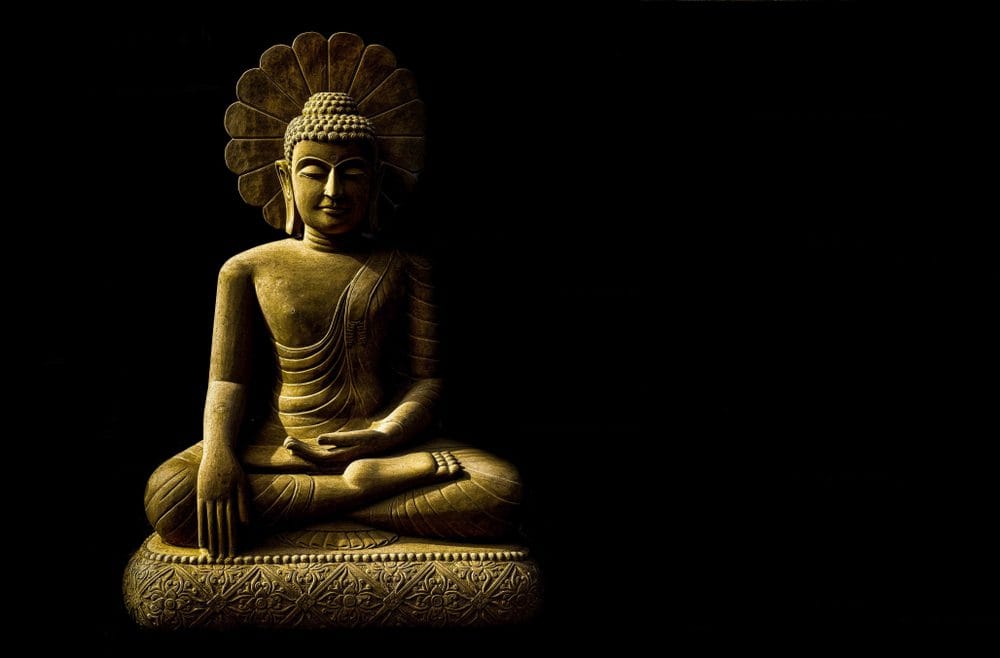
Bhumisparsha mudra, also known as the earth-touching gesture, is a symbolic hand gesture commonly seen in Buddhist art and iconography. This mudra holds great significance as it represents the moment of the Buddha’s enlightenment and his connection to the earth. The word “bhumisparsha” translates to “touching the earth,” and the mudra is believed to symbolize the Buddha’s ability to overcome the temptations and distractions of Mara, the demon of desire. In this introduction, we will explore the history, meaning, and spiritual significance of the bhumisparsha mudra in Buddhist tradition.
Benefits of Bhumisparsha mudra.
1. Grounding and Stability.
The primary benefit of the Bhumisparsha mudra is its ability to ground and stabilize the practitioner. By touching the earth, this gesture symbolizes a connection with the eternal and unchanging nature of the world. This grounding effect promotes a sense of stability, both physically and mentally, providing a solid foundation for one’s spiritual journey.
2. Awakening and Enlightenment.
The Bhumisparsha mudra represents the moment of enlightenment when the Buddha touched the earth and called upon it to bear witness to his awakening. By practicing this mudra, individuals can evoke a similar state of awakening within themselves. It serves as a reminder of the potential for spiritual growth and the quest for enlightenment.

3. Connection with Nature.
The earth-touching gesture fosters a deep connection with nature and the natural environment. It reminds practitioners of their interdependence with the earth and all living beings. This connection with nature can bring about a greater appreciation for the world around us, leading to a more harmonious and sustainable way of life.
Related Stories
 Grounding Practices: Yoga Poses to Enhance Social Worker Well-being
 Jnana Mudra: Benefits, Side Effects, How To Do and Precautions
4. Overcoming Obstacles.
The Bhumisparsha mudra represents the triumph over the obstacles and temptations faced on the path to enlightenment. By practicing this gesture regularly, individuals can cultivate strength and resilience in the face of challenges. It serves as a reminder to persevere, overcome obstacles, and stay committed to one’s spiritual journey.
5. Cultivating Humility.
The act of touching the earth in the Bhumisparsha mudra is a humble gesture that encourages practitioners to let go of ego and pride. It promotes a sense of humility and selflessness, reminding individuals of their place in the grand scheme of things. By cultivating humility, individuals can develop a deeper sense of empathy and compassion towards others.
6. Enhancing Meditation Practice.
The Bhumisparsha mudra can be incorporated into meditation practice to deepen focus and concentration. By assuming this hand gesture during meditation, individuals can enhance their connection with the earth and find a greater sense of stillness and tranquility within themselves.
7. Symbolic Representation.
The Bhumisparsha mudra serves as a symbolic representation of the Buddha’s teachings and the profound wisdom he attained. By practicing this mudra, individuals can align themselves with the essence of these teachings, cultivating qualities such as wisdom, compassion, and mindfulness.

| 💡 Tips Verywel Fit.com The Bhumisparsha mudra offers a multitude of benefits for those who practice it. From grounding and stability to awakening and enlightenment, this hand gesture holds profound significance and can enhance one’s spiritual journey. By incorporating the Bhumisparsha mudra into daily life and meditation practice, individuals can experience the transformative power it holds, leading to a deeper connection with oneself, others, and the world at large. |
How to do Bhumisparsha mudra?
To perform the Bhumisparsha mudra, follow these steps:
1. Find a peaceful and quiet space where you can comfortably sit or stand. Make sure your posture is relaxed yet upright, ensuring proper alignment of your spine.
2. Begin by bringing your hands together at your heart center, with your palms facing each other. Your fingers should be extended and slightly apart, allowing energy to flow freely.
3. Slowly extend your right arm forward and downward, placing your right palm on the ground. Ensure your fingers are pointing towards the floor, while your wrist remains straight.
4. Keep your left hand resting on your lap, palm facing upward. This hand represents the receptive quality within you, while the right hand signifies grounding and connection with the earth.
5. Close your eyes gently, or maintain a soft gaze, to turn your attention inward. Take a few deep breaths, allowing your body and mind to relax.
6. As you hold the Bhumisparsha mudra, visualize yourself being firmly rooted to the earth, drawing strength and stability from it. Imagine your body and mind becoming grounded and connected to the energy of the earth beneath you.
7. Stay in this position for as long as you feel comfortable, focusing on your breath and the sensations in your body. Allow any thoughts or distractions to gently fade away, bringing your awareness to the present moment.
8. When you are ready to release the mudra, slowly lift your right hand from the ground, bringing it back to your heart center. Take a moment to acknowledge the energy exchange that occurred during this practice.
| 💡 Tips Verywel Fit.com The Bhumisparsha mudra can be incorporated into your meditation or yoga practice, or used as a standalone gesture to enhance your connection with the earth and cultivate a sense of stability and balance within yourself. Regular practice of this mudra can deepen your spiritual journey, promote inner peace, and encourage personal transformation. |
Who can do bhumisparsha mudra?
The Bhumisparsha mudra can be performed by anyone who wishes to connect with the earth element and cultivate a sense of grounding and stability. Whether one is a seasoned practitioner or a beginner exploring different mudras, anyone can engage in the Bhumisparsha mudra to evoke a sense of rootedness and connection with the earth.
Who should avoid bhumisparsha mudra?
While the Bhumisparsha mudra is generally beneficial for spiritual practices and meditation, there are certain individuals who should avoid performing this gesture. People with physical limitations or injuries that prevent them from comfortably reaching the ground may find it challenging or uncomfortable to perform this mudra. Additionally, those who have a fear or aversion to touching the ground may also choose to avoid this gesture. It is important to listen to one’s body and personal preferences when engaging in any spiritual practice, and if the Bhumisparsha mudra does not feel suitable or comfortable, alternative mudras can be explored.
Bottom Line.
Bhumisparsha Mudra is a powerful and symbolic hand gesture commonly used in Buddhist art and practice. It represents the moment of Buddha’s enlightenment and his connection with the earth. By touching the ground, it symbolizes his grounding in reality and his ability to overcome obstacles. This mudra teaches us the importance of staying connected to our roots and being mindful of our surroundings. It reminds us to stay grounded and focused on our spiritual path, even in the face of challenges. The Bhumisparsha Mudra serves as a reminder to seek enlightenment and strive for inner peace in our own lives.