














 Workout

 Meditation






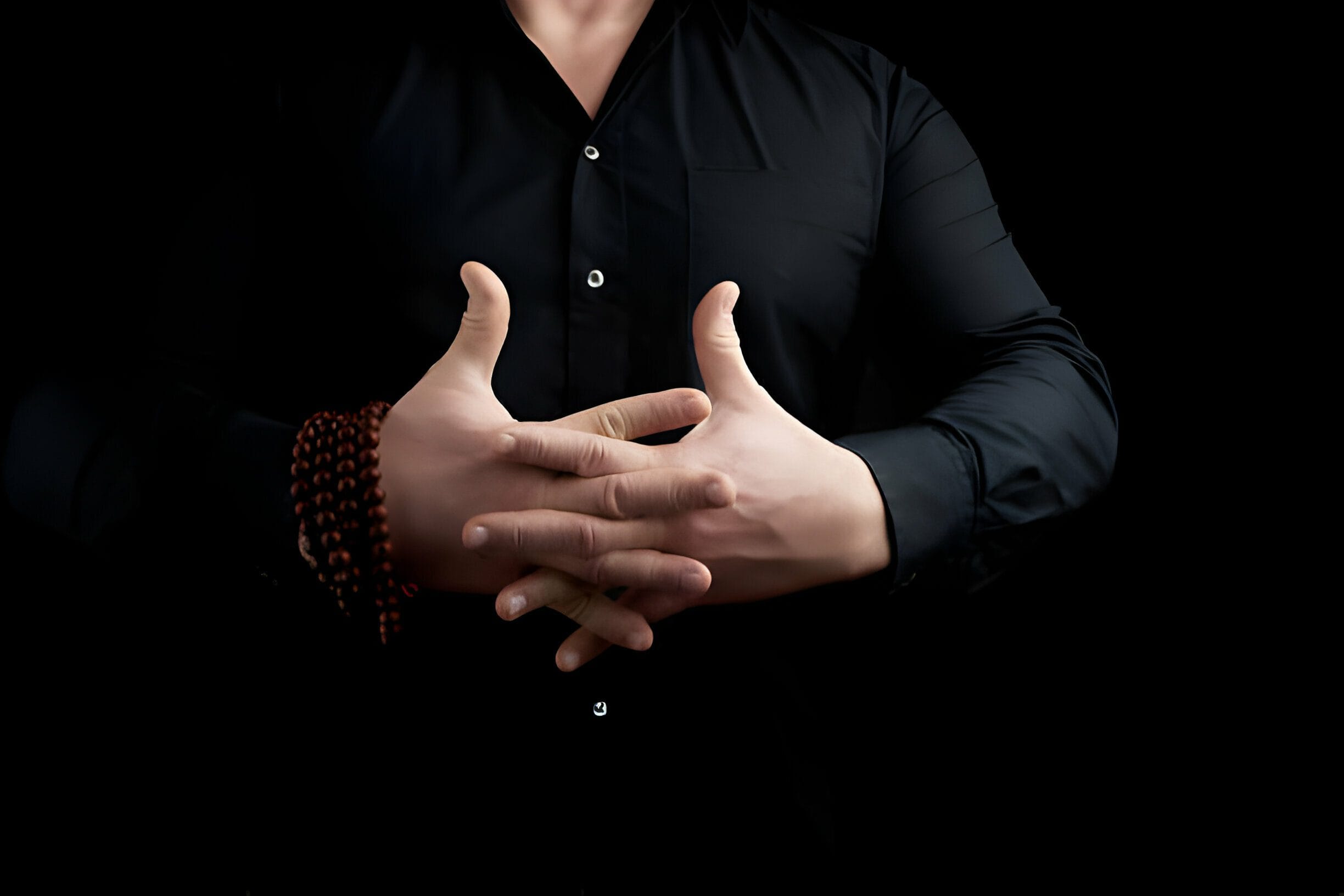
Vajrapradama mudra is a symbolic hand gesture commonly used in various spiritual practices, particularly in Buddhism and Hinduism. Also known as the “Gesture of Unshakable Confidence,” this mudra represents fearlessness, courage, and unwavering determination. The name “Vajrapradama” is derived from the Sanskrit words “vajra,” meaning diamond or thunderbolt, and “pradama,” meaning gift or bestowal. Together, these words symbolize the unyielding strength and steadfastness that this mudra embodies.
By assuming this hand gesture, practitioners seek to cultivate a sense of inner fortitude and resilience, enabling them to overcome obstacles and face challenges with unwavering confidence. In this article, we will explore the significance, steps to perform, and benefits associated with the Vajrapradama mudra, delving into its rich history and its transformative potential in one’s spiritual journey.
Benefits of Vajrapradama mudra.
Vajrapradama mudra holds great significance and is believed to offer numerous benefits to those who practice it regularly.
1. Enhances Inner Strength.
Vajrapradama mudra is said to symbolize the indestructible and unshakable nature of the diamond. By practicing this mudra, individuals can tap into their inner strength and develop resilience in the face of challenges and adversity.
Related Stories
 Surya Mudra: Benefits, Side Effects, How To Do and Precautions
 Easy Yoga Poses for Kids Age 2: A Fun and Healthy Way to Introduce Yoga to Toddlers
2. Boosts Self-Confidence.
The firm and unwavering gesture of Vajrapradama mudra helps to instill a sense of self-assurance and confidence. It empowers individuals to assert themselves and stand tall in any situation, promoting a positive self-image and boosting overall self-esteem.
3. Cultivates Fearlessness.
The diamond-like nature of this mudra represents fearlessness. Regular practice of Vajrapradama mudra is believed to dissolve fears and anxieties, enabling individuals to approach life with courage and determination.
4. Enhances Focus and Concentration.
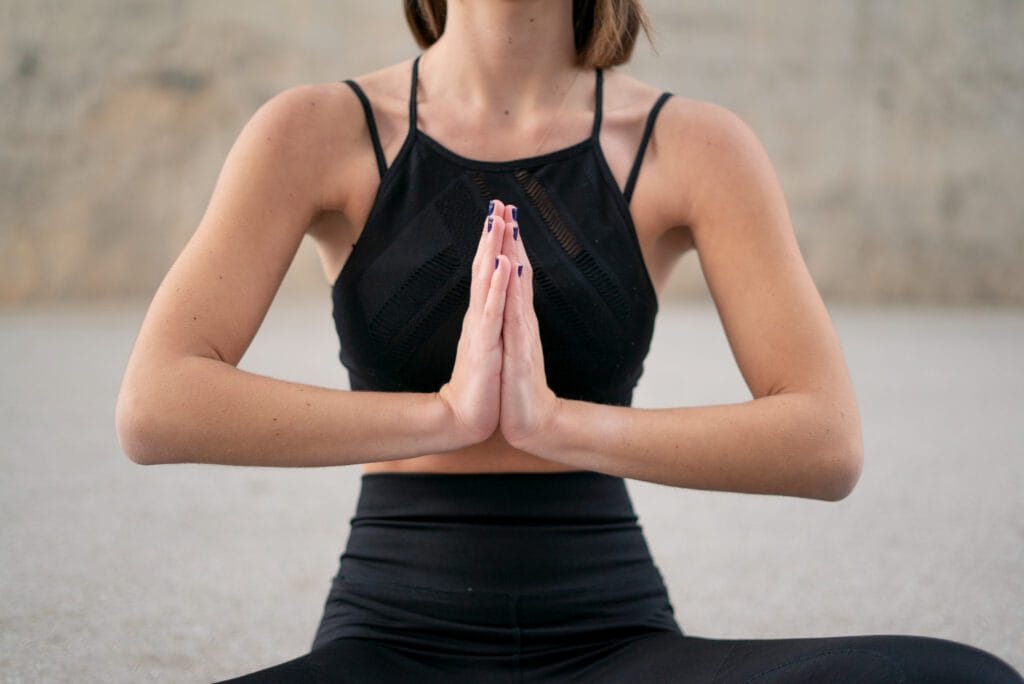
By bringing the thumb and index finger together in Vajrapradama mudra, a connection is created between the body and mind. This gesture stimulates the flow of energy and enhances mental clarity, promoting better focus and concentration during various activities, including meditation and work.
5. Balances Energy Flow.
Vajrapradama mudra is believed to balance the energy flow within the body, harmonizing the vital life force known as prana. By practicing this mudra, individuals can experience a sense of equilibrium and overall well-being.

6. Improves Communication.
This mudra is also associated with effective communication. By practicing Vajrapradama mudra, individuals can enhance their ability to express themselves clearly and effectively, both verbally and non-verbally.
7. Promotes Grounding and Stability.
The firmness of the hand gesture in Vajrapradama mudra symbolizes stability and grounding. Regular practice of this mudra helps individuals to connect with the earth element, fostering a sense of stability, balance, and security.
8. Enhances Spiritual Connection.
Vajrapradama mudra is considered a sacred gesture that can deepen one’s spiritual connection. By practicing this mudra, individuals can experience a greater sense of divine connection, leading to spiritual growth and enlightenment.
| 💡 Tips Verywel Fit.com Practicing Vajrapradama mudra offers a multitude of benefits, including increased inner strength, self-confidence, fearlessness, focus, balanced energy flow, improved communication, grounding, and enhanced spiritual connection. Incorporating this powerful mudra into one’s daily practice can bring about positive transformations in various aspects of life. |
How to do Vajrapradama Mudra?
To perform the Vajrapradama Mudra, follow these steps:
1. Begin by finding a comfortable seated position on a yoga mat or cushion. You can choose to sit cross-legged or in a kneeling position, whatever feels most comfortable for you.
2. Straighten your spine, lengthening it from the base of your pelvis to the crown of your head. Relax your shoulders and keep them away from your ears.
3. Bring your hands in front of your chest, with the palms facing each other and the fingers pointing upward. Make sure your elbows are comfortably bent and relaxed.
4. Slowly interlace your fingers, allowing the tips of your thumbs to touch each other. This creates a circular shape, resembling a thunderbolt or diamond.
5. Gently press your palms together, exerting equal pressure from both hands. Keep your grip firm but not too tight, finding a balance between stability and ease.
6. Rest your hands on your lap or thighs, maintaining the mudra throughout your practice. Close your eyes or soften your gaze, focusing your attention inward.
7. Take a few deep breaths, allowing your body to relax and your mind to settle. With each inhalation, imagine drawing strength and confidence into your being. With each exhalation, release any doubts or fears.
8. To deepen your connection with the mudra, you can repeat a mantra or affirmation silently or out loud. For example, you could recite, “I am strong, fearless, and unwavering in my confidence.”
9. Remain in this mudra for as long as it feels comfortable, whether it be for a few minutes or an extended period. You can incorporate it into your regular meditation or yoga practice, or simply use it as a standalone practice to cultivate inner strength and stability.
10. When you’re ready to release the mudra, gently separate your hands, maintaining a sense of mindfulness and presence. Take a moment to observe any shifts in your energy or mindset that may have occurred during the practice.
| 💡 Tips Verywel Fit.com Remember, the Vajrapradama Mudra is not only a physical gesture but also a symbolic representation of your inner state. By regularly practicing this mudra, you can develop a sense of unshakable confidence, empowering yourself to face life’s challenges with strength and resilience. |
Who can do Vajrapradama Mudra?
Vajrapradama Mudra can be performed by anyone who desires to enhance their inner strength and confidence. Whether one is a beginner or an experienced practitioner, Vajrapradama Mudra can be practiced by anyone seeking to connect with their inner power and establish a sense of unwavering resolve.
Who should avoid Vajrapradama Mudra?
There are certain individuals who should exercise caution or avoid this mudra altogether. Those with severe mental health conditions, such as psychosis or dissociative disorders, may find the intense concentration and focus required for this mudra overwhelming or potentially exacerbating their symptoms. Similarly, individuals with uncontrolled high blood pressure or heart conditions should avoid this mudra as it may further increase blood pressure and heart rate.
Additionally, pregnant women are advised to avoid Vajrapradama Mudra, especially during the first trimester, as it involves applying pressure on the abdomen, which could potentially be harmful to the developing fetus. It is always recommended to consult with a qualified teacher or healthcare professional before incorporating any new practices into one’s routine, especially if there are pre-existing health concerns.
Bottom Line.
Vajrapradama Mudra is a powerful hand gesture that carries deep spiritual significance. By assuming this mudra, one can cultivate inner strength, courage, and fearlessness, while also promoting a sense of groundedness and stability.
The symbolic representation of the diamond in this mudra highlights the unbreakable nature of the mind, enabling practitioners to face challenges and adversities with unwavering determination. Whether used in meditation or as a physical gesture, Vajrapradama Mudra serves as a reminder to tap into our own inner power and embrace life’s obstacles with resilience and grace.