















 Workout

 Meditation






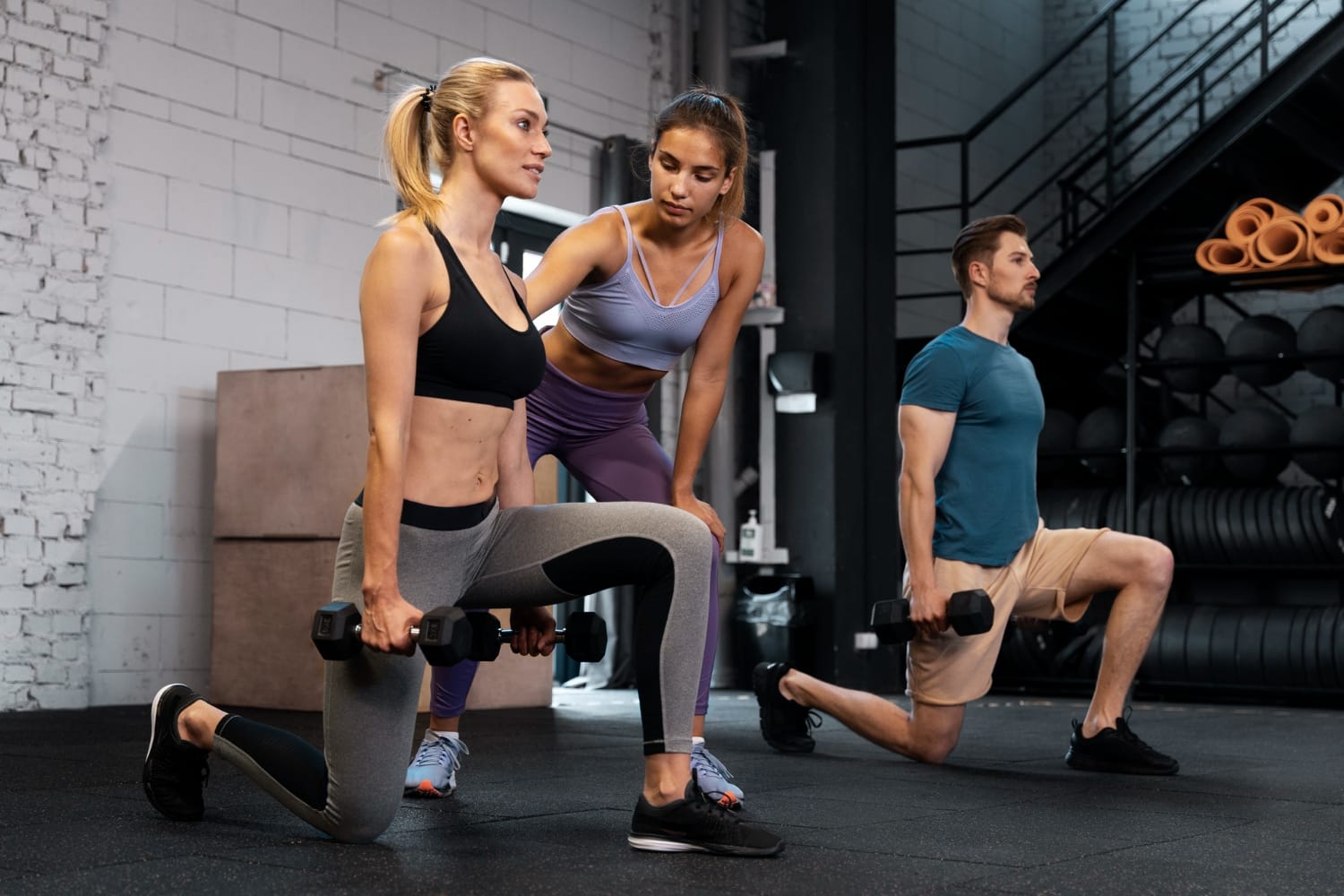
Everyone dreams of having a toned, well-defined body, and for many, the glutes (or butt muscles) are a major focus. Whether you’re aiming for aesthetic appeal, enhanced athletic performance, or overall health, seeing progress in your glutes can be incredibly motivating. This article will walk you through the clear signs that your glutes are growing, backed by expert insights, scientific evidence, and real-life experiences.
Understanding Glute Anatomy.
Before diving into the signs of growth, it’s essential to understand the basics of glute anatomy. The glutes are composed of three main muscles:
1. Gluteus Maximus: The largest muscle in the buttocks, responsible for the shape and movement of the hip and thigh.
2. Gluteus Medius: Located on the outer surface of the pelvis, it stabilizes the pelvis during activities.
Related Stories
 Is Spending 3 Hours in the Gym Beneficial?
 The Ultimate Guide to HIIT Workouts for Women
3. Gluteus Minimus: The smallest of the three, situated beneath the gluteus medius, aiding in hip stabilization and movement.
Visual Signs of Growing Glutes.
1. Increased Muscle Definition.
– As your glutes grow, you’ll notice more definition in the buttocks area. This can manifest as more pronounced curves and a firmer appearance. “I started seeing a clear line separating my glutes from my thighs,” shares fitness enthusiast Emily Torres. “That’s when I knew my workouts were paying off.”
2. Clothing Fit Changes.
– Jeans and other fitted clothing will start to feel tighter around your hips and buttocks. You might need to go up a size in your pants, even if the rest of your body remains the same size. This is a positive sign that your glute muscles are expanding.
3. Enhanced Symmetry.
– As your glutes grow, your body’s overall symmetry can improve, giving you a more balanced and proportionate look. This can boost your confidence and make you feel better in your skin.
Physical Signs of Growing Glutes.
1. Increased Strength.
– One of the clearest signs of muscle growth is increased strength. If you find that you can lift heavier weights or perform more repetitions in glute-focused exercises like squats, deadlifts, or hip thrusts, your glutes are likely getting stronger and bigger.
2. Reduced Soreness.
– Initially, glute-focused workouts might leave you sore for days. As your glutes grow and adapt, you’ll experience less soreness after your workouts. This adaptation indicates that your muscles are becoming more robust.
3. Improved Posture.
– Stronger glutes contribute to better posture by stabilizing the pelvis and supporting the lower back. If you notice that you’re standing taller and your lower back pain is decreasing, this could be a sign of growing glutes.
Measurements and Tracking Progress.
1. Taking Measurements.
– Measuring the circumference of your hips and buttocks every few weeks can help track growth. Use a tape measure and write down the numbers to compare over time.
2. Progress Photos.
– Taking regular photos from various angles (front, side, and back) can help you visually track your progress. It’s often easier to see changes in photos than in the mirror, as daily changes can be subtle.
3. Body Fat Analysis.
– Using tools like calipers or body fat scales can help determine whether muscle growth is occurring. While these methods aren’t perfect, they can provide additional insights when combined with other tracking methods.
| 💡 Experts Point of View. We spoke to fitness expert Jessica Reynolds, a certified personal trainer with over a decade of experience in helping clients build their glutes. Here’s what she had to say: “Consistency is key when it comes to glute growth. You need to progressively overload the muscles, meaning you should gradually increase the weight and intensity of your workouts. Also, proper nutrition plays a crucial role. Your body needs enough protein and overall calories to build muscle.” |
Scientific Evidence Supporting Glute Growth.
Research supports several methods and principles for effective muscle growth:
1. Progressive Overload.
– According to a study published in the Journal of Strength and Conditioning Research, progressive overload (gradually increasing the weight lifted) is essential for muscle hypertrophy (growth).(1)

2. Protein Intake.
– A study in the American Journal of Clinical Nutrition highlights that higher protein intake supports muscle growth and repair. Aim for 1.6 to 2.2 grams of protein per kilogram of body weight.(2)

3. Rest and Recovery.
– Research from the National Institutes of Health shows that muscles need adequate rest to recover and grow. Ensure you’re getting enough sleep and not overtraining the same muscle groups daily.(3)

Personal Stories and Testimonials.
Hearing from those who have successfully grown their glutes can be incredibly motivating. Here are some personal stories:
Sarah’s Journey.
– “I started my glute-focused training routine a year ago. At first, I felt discouraged because I wasn’t seeing immediate results. But after sticking with it, I began to see changes in my hip measurements and my strength levels. Now, my jeans fit differently, and I feel much more confident!”
John’s Transformation.
– “As a former skinny guy, I always struggled with building muscle. I committed to a solid training plan, emphasizing heavy lifts like deadlifts and hip thrusts. Over time, not only did my glutes grow, but my overall athletic performance improved significantly.”
What People Ask.
1. How long does it take to see glute growth?
It varies per individual, but with consistent training and proper nutrition, noticeable changes can be seen in 8-12 weeks.
2. Can I grow my glutes without weights?
Yes, bodyweight exercises like lunges, bridges, and step-ups can also promote glute growth, though adding resistance can accelerate progress.
3. How often should I train my glutes?
For optimal results, train your glutes 2-3 times per week, ensuring adequate rest between sessions.
4. Do genetics play a role in glute growth?
Genetics can influence the shape and potential size of your glutes, but everyone can achieve growth with the right approach.
5. Is it normal for my glutes to feel different sizes?
Yes, slight asymmetry is normal. Focus on unilateral exercises (like single-leg squats) to balance strength and size.
The Final Thought.
Growing your glutes requires dedication, consistency, and the right approach. By tracking visual and physical signs, adhering to scientifically-backed training principles, and learning from experts, you can effectively grow and strengthen your glutes.
Remember, everyone’s body is different, so patience and persistence are key. Celebrate your progress and keep pushing towards your goals.
By understanding the signs of glute growth and staying committed to your training, you’ll be well on your way to achieving the strong, toned glutes you desire. Happy training!
+3 Sources
Verywelfit has strict sourcing guidelines and relies on peer-reviewed studies, educational research institutes, and medical organizations. We avoid using tertiary references. You can learn more about how we ensure our content is accurate and up-to-date by reading our editorial policy.
- The Effect of High-Intensity Interval Cycling Sprints Subsequent to Arm-Curl Exercise on Upper-Body Muscle Strength and Hypertrophy; https://pubmed.ncbi.nlm.nih.gov/26694501/
- Defining meal requirements for protein to optimize metabolic roles of amino acids; https://pmc.ncbi.nlm.nih.gov/articles/PMC5278948/
- 7 Muscle Recovery and Nutrition; https://pmc.ncbi.nlm.nih.gov/articles/PMC9230724/