











 Dar certo

 Meditação





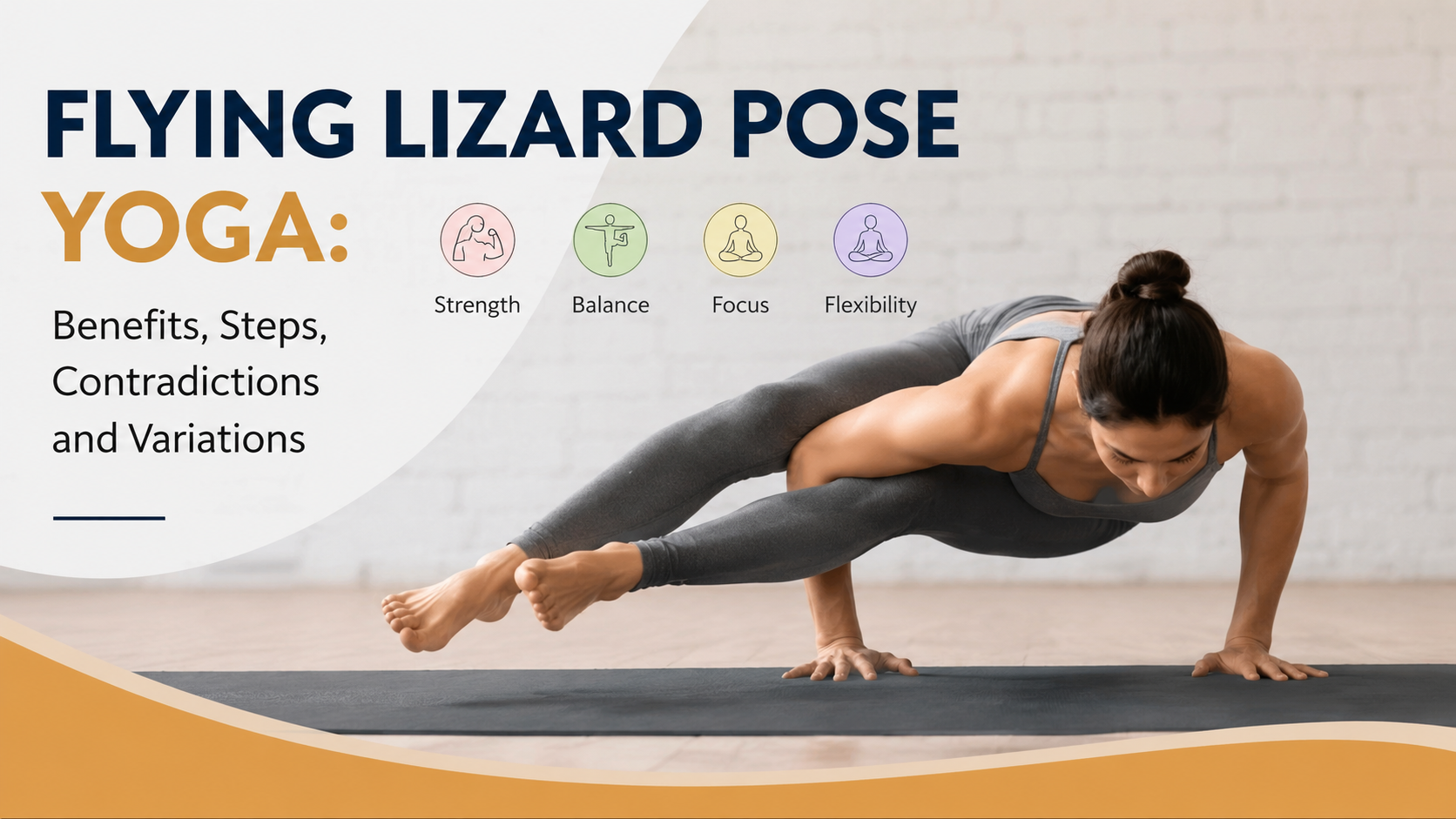
Flying Lizard Pose, também conhecido como Uttana Pristhasana em sânscrito, é uma postura de ioga desafiadora e revigorante que combina força, equilíbrio e flexibilidade. Esta pose avançada de equilíbrio de braços requer um núcleo forte, quadris abertos e um foco constante para alcançar a sensação de voar. Como o nome sugere, a pose se assemelha a um lagarto voando, com o corpo paralelo ao solo e as pernas estendidas para trás, criando uma sensação de leveza e liberdade.
A postura do lagarto voador não só oferece benefícios físicos, como tonificar os braços, o núcleo e as pernas, mas também cultiva resiliência mental e concentração. Nesta introdução, iremos Explore as etapas, benefícios e variações dessa pose cativante, convidando os praticantes a embarcar em uma jornada de força e graça.
Benefícios da pose do lagarto voador.
1. Fortalece a parte superior do corpo.
A postura do lagarto voador envolve os músculos dos braços, ombros e peito. Segurando isso Pose aumenta a força Nos braços, particularmente nos tríceps, bíceps e músculos da parte superior das costas. A prática regular pode ajudar a desenvolver a estabilidade dos braços e ombros, aumentando a força geral da parte superior do corpo.
2 . Tonifica o núcleo.
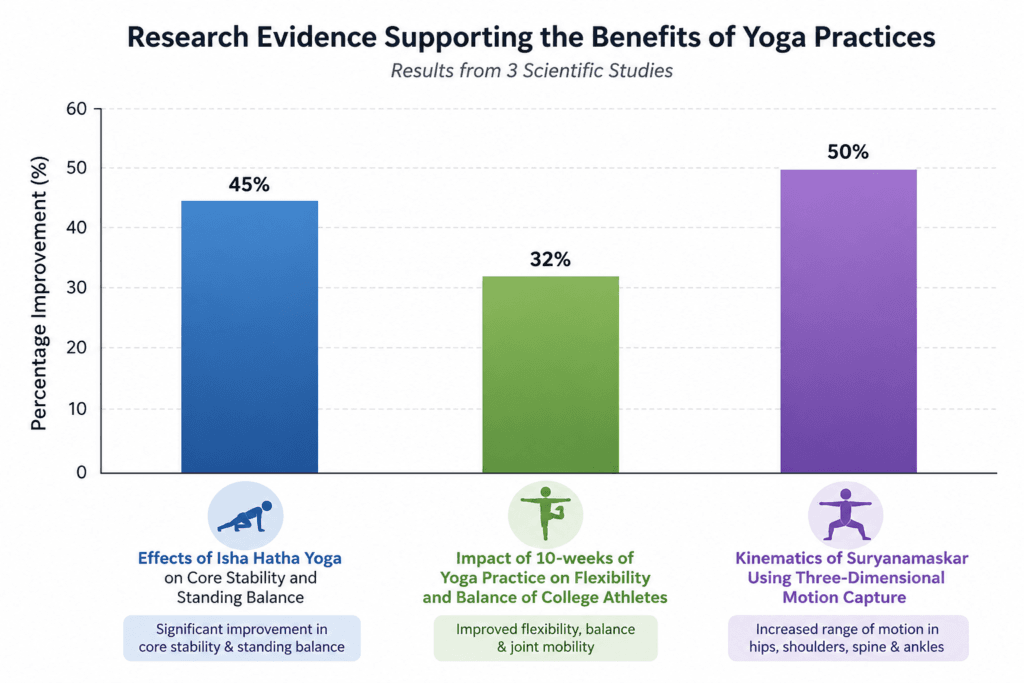
Os músculos do núcleo, incluindo os músculos abdominal e oblíquo, estão ativamente engajados durante a postura do lagarto voador. Essa postura desafia o núcleo para estabilizar o corpo e manter o equilíbrio, resultando em músculos abdominais mais fortes e melhora na estabilidade do núcleo.(1)
Histórias relacionadas
 Prithvi Mudra: Benefícios, Efeitos Colaterais, Como Fazer e Precauções
 Como comecei minha jornada em direção à paz interior por meio de Dharana, Dhyana e Samadhi
3. Melhora a flexibilidade do quadril.
A postura do lagarto voador requer abertura profunda e flexibilidade do quadril. A prática regular pode ajudar a liberar a tensão nos flexores do quadril, adutores e músculos da virilha. Com o tempo, essa postura pode aumentar a mobilidade do quadril, fazendo atividades como corrida, andando e sentando mais confortável.(2)
4. Melhora o equilíbrio e a coordenação.
A postura do lagarto voador exige foco, concentração e consciência corporal. Equilibrar as mãos enquanto estende as pernas requer coordenação e estabilidade. Praticar essa pose pode melhorar Habilidades gerais de equilíbrio e melhorar a propriocepção.(3)
5. Aumenta a confiança.
Dominar a pose de lagarto voador pode ser um reforço significativo da confiança. Esta postura desafiadora do equilíbrio do braço requer dedicação, paciência e perseverança. À medida que os praticantes progridem e alcançam a pose, eles ganham uma sensação de realização, levando a uma maior autoconfiança dentro e fora do tatame.
6. Alivia o estresse e a ansiedade.
como a maioria poses de ioga, voar lagarto pose promove relaxamento e redução do estresse. A respiração profunda e o foco necessários durante a pose ajudam a acalmar a mente, reduzindo a ansiedade e promovendo a clareza mental. Essa postura de aterramento pode ser uma ferramenta valiosa no gerenciamento do estresse e na descoberta paz interior.

7 . Cultiva a atenção plena.
A postura do lagarto voador exige presença total e atenção plena. Ao se concentrar na respiração e no alinhamento do corpo, os praticantes desenvolvem uma conexão mais profunda com o momento presente. regular prática desta pose Pode melhorar as habilidades de atenção plena, permitindo que os indivíduos se envolvam mais plenamente em suas vidas diárias.
| 💡 dicas Muito bem ajustado.com Incorporando o lagarto voador Pose em sua prática de ioga Pode fornecer uma infinidade de benefícios físicos, mentais e emocionais. No entanto, é essencial abordar essa pose com cautela, garantindo o aquecimento, alinhamento e orientação adequados de um instrutor de ioga qualificado. |
Como fazer pose de lagarto voador?
aqui está um guia passo a passo Sobre como fazer pose de lagarto voador:
1. Comece em uma posição de prancha alta, com as mãos afastadas na largura dos ombros e os ombros empilhados diretamente acima dos pulsos. Envolva seu núcleo e alongue-se pela coluna, Mantendo seu corpo Em uma linha reta da cabeça aos calcanhares.
2 . Coloque o peso na mão direita e dobre lentamente o joelho esquerdo, trazendo-o para o tríceps esquerdo. Coloque o pé esquerdo na parte de trás do braço esquerdo, logo acima do cotovelo. Mantenha os dedos dos pés apontando para frente.
3. Conforme você se equilibra no braço direito, comece a se inclinar um pouco para frente, transferindo mais peso para as mãos. Envolva seu núcleo e mantenha o olhar focado em um ponto entre as mãos para manter o equilíbrio.
4. Comece a levantar o pé direito do chão, estendendo-o para trás. Procure manter a perna paralela ao solo, envolvendo seus glúteos e quadríceps para obter estabilidade.
5. Comece lentamente a endireitar a perna esquerda, pressionando o pé esquerdo firmemente na parte superior do braço esquerdo. Esta ação ajudará a criar estabilidade e apoiar seu equilíbrio na pose.
6. Quando você se sentir estável, você pode começar a fazer experiências com o pé esquerdo do braço. Comece levantando os dedos dos pés e, em seguida, trabalhe para levantar todo o pé do braço.
7 Fique na pose por algumas respirações, mantendo uma respiração constante e controlada. Mantenha seu núcleo engajado e seu olhar focado para ajudar no equilíbrio e na concentração.
8. Para liberar a pose, lentamente abaixe o pé esquerdo para trás ao solo e retorne à posição de prancha alta. Reserve um momento para descansar e reinicie antes de tentar a pose no lado oposto.
Algumas dicas para se ter em mente enquanto pratica a postura do lagarto voador.
- Aqueça seus pulsos, ombros e quadris antes de tentar isso posar para prevenir tensão ou lesão.
- Use um cobertor dobrado ou um bloco de ioga sob as mãos se precisar de suporte extra ou achar difícil chegar ao solo.
- Aproxime-se dessa postura com paciência e ouça seu corpo. Só vá até onde se sentir confortável e seguro para você.
- Lembre-se de respirar profundamente e uniformemente em toda a pose, permitindo que a respiração se acalme e centralize sua mente.
Com a prática regular, a postura do lagarto voador pode ajudar a melhorar o equilíbrio, a força e a flexibilidade. Aproveite a jornada de explorar este desafio, mas recompensador Asana de ioga!
Lagarto voador posando contradições.
1. A pose do Lizard Flying é um iniciante e avançado ioga pose. Embora possa parecer um desafio para os iniciantes devido à força e equilíbrio necessários, com prática regular e alinhamento adequado, pode ser acessível a praticantes de todos os níveis.
2. Apesar do nome, a pose do lagarto voador não envolve vôo real ou qualquer movimento aerotransportado. Em vez disso, é uma pose aterrada que exige que o praticante se equilibre em suas mãos, antebraços e uma perna enquanto estende a outra perna para trás, lembrando um lagarto pronto para voar.
3. Embora a postura do lagarto voador tenha como alvo principalmente os músculos do núcleo, ele também envolve e fortalece vários outros grupos musculares, incluindo braços, ombros, pulsos e pernas. Essa contradição mostra a capacidade da pose de fornecer um treino de corpo inteiro e melhorar a força e a estabilidade gerais.
4. Embora a pose do lagarto voador exija um certo nível de flexibilidade nos quadris, isquiotibiais e ombros, simultaneamente ajuda a Melhore a flexibilidade ao longo do tempo. A postura permite um alongamento profundo pelos flexores do quadril e na virilha, promovendo maior amplitude de movimento e flexibilidade nessas áreas.
5. Ao contrário de sua aparência desafiadora, a pose do lagarto voador pode ser energizante e calmante para a mente e o corpo. Embora exija foco, concentração e determinação para manter a pose, a respiração profunda e a atenção plena associadas à Yoga pode criar uma sensação de calma e relaxamento, tornando-se uma contradição de esforço e serenidade.
Variação de pose de lagarto voador.
1. Lagarto voador com variação estendida das pernas.
Nesta variação, uma perna é estendida para trás, paralelamente ao solo, enquanto a outra perna fica dobrada. Essa variação requer maior estabilidade do núcleo, flexibilidade do quadril e equilíbrio. Ele envolve os glúteos, isquiotibiais e quadríceps, proporcionando uma experiência de fortalecimento do corpo inteiro.
2 Lagarto voador com variação torcida.
Esta variação adiciona uma reviravolta na tradicional postura do lagarto voador. Ao abaixar o peito em direção ao solo, torça suavemente o tronco em direção à perna dobrada. Essa variação aumenta a mobilidade da coluna, alonga os oblíquos e estimula o sistema digestivo. Também desafia o seu equilíbrio e fortalece a Músculos do núcleo e da parte superior do corpo.
3. Lagarto voador com variação lateral da prancha.
Esta variação combina a força e a estabilidade de Pose lateral da prancha com os benefícios da abertura do quadril de pose de lagarto voador. Comece na pose do lagarto voador e faça a transição para a prancha lateral, levantando o braço inferior do chão e estendendo-o para o céu. Essa variação não apenas fortalece os braços, ombros e núcleo, mas também aumenta a flexibilidade do quadril e desafia seu equilíbrio.
4. Lagarto voador com variação encadernada.
Essa variação incorpora uma ligação enfiando o braço superior sob a perna dobrada e alcançando o outro braço atrás das costas para apertar as pontas dos dedos. Essa variação aprofunda o alongamento nos quadris e ombros, melhora a mobilidade da coluna e cultiva o foco e a concentração.
5. Lagarto voador com variação de alongamento quádruplo.
Nesta variação, à medida que você abaixa o peito em direção ao chão, recue com a mão superior para agarrar o pé da perna dobrada. Essa variação fornece um alongamento quádruplo intenso, ao mesmo tempo em que envolve os músculos das costas, ombros e núcleo.
6. Lagarto voador com variação do equilíbrio do braço.
Esta variação avançada desafia sua força e equilíbrio, incorporando um equilíbrio de braço. A partir da pose tradicional do lagarto voador, coloque seu peso para frente em suas mãos, engate o núcleo e erguendo a perna de trás do chão. Essa variação requer uma força significativa da parte superior do corpo e do núcleo, bem como foco mental e estabilidade.
| 💡 Dicas Muito Bem Fit.com Esses lagartos voadores Variações de pose Ofereça infinitas possibilidades para os iogues de todos os níveis explorarem e expandirem sua prática. cada A variação oferece benefícios físicos e mentais exclusivos, permitindo que os praticantes aprofundem sua flexibilidade, força e conexão geral mente-corpo. |
Minha experiência pessoal em voar lagarto pose ioga.
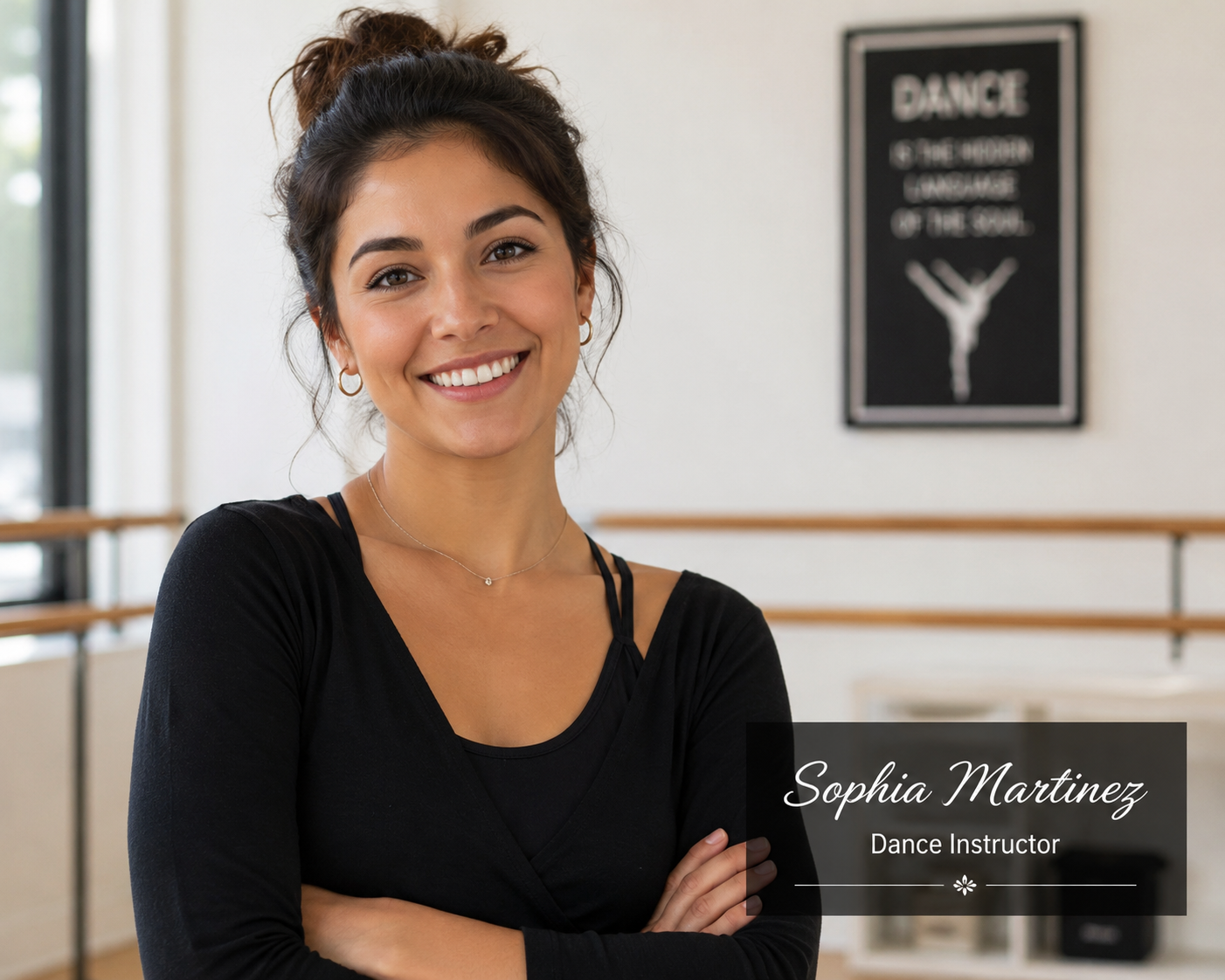
Sou Sophia Martinez, instrutora de dança, como instrutora de dança, descobri que voar lagarto pose tem sido incrivelmente eficaz para melhorar o equilíbrio, a mobilidade do quadril e a consciência corporal. Um dos meus alunos adultos teve dificuldade em fazer a coreografia de pisos e muitas vezes se sentiu instável durante as transições. Depois de adicionar alongamentos de abertura do quadril e praticar a pose de lagarto voador de forma consistente por alguns meses, seus movimentos ficaram visivelmente mais suaves e controlados. Também lhes deu maior confiança ao realizar rotinas mais exigentes. Essa experiência me mostrou como o yoga pode complementar o treinamento em dança excepcionalmente bem.
“Percebi uma melhora notável no equilíbrio e na flexibilidade do quadril depois de praticar a pose de lagarto voador regularmente com a orientação adequada.”
Perguntas frequentes.
1. Por que a pose de lagarto é tão difícil?
A postura do lagarto é difícil porque requer flexibilidade nos quadris, tendas, virilha e flexores do quadril, bem como força no núcleo e na parte superior do corpo para manter o equilíbrio e a estabilidade na postura.
2. Qual é o sânscrito da pose de lagarto voador?
O nome sânscrito para a postura de lagarto voador é Uttana Pristhasana.
Resumindo.
A pose do lagarto voador é um desafio, mas revigorante ioga Pose que oferece uma infinidade de benefícios físicos e mentais. Ao envolver o núcleo, a parte superior do corpo e as pernas, essa postura ajuda a aumentar a força, a melhorar o equilíbrio e aumentar a flexibilidade. Além disso, a pose do lagarto voador promove foco, concentração e atenção plena, aumentando a sensação geral de bem-estar. Embora possa levar tempo e Pratique para dominar esta pose, as recompensas valem o esforço. Portanto, seja você um iogue experiente ou um iniciante, incorporar a pose do lagarto voador em sua prática pode trazer uma sensação de empoderamento, graça e transformação.
+3 de fontes
A Verywelfit possui diretrizes rigorosas para a seleção de suas fontes e se baseia em estudos revisados por pares, institutos de pesquisa educacional e organizações médicas. Evitamos o uso de referências terciárias. Você pode saber mais sobre como garantimos a precisão e a atualização do nosso conteúdo lendo nossa Política de Privacidade. política editorial.
- Efeitos do Isha Hatha Yoga na estabilidade do núcleo e equilíbrio em pé; https://pubmed.ncbi.nlm.nih.gov/27250211/
- Impacto de 10 semanas de prática de ioga na flexibilidade e equilíbrio dos atletas universitários; https://pubmed.ncbi.nlm.nih.gov/26865768/
- Cinemática de Suryanamaskar usando captura de movimento tridimensional; https://pubmed.ncbi.nlm.nih.gov/31143020/