











































 Workout

 Meditation







One condition that has the great impact in a person’s quality of life is prolapse. It occurs when the pelvic organs—such as the rectum, uterus, or bladder—descend into the vagina while the pelvic floor muscles are weak. Yoga has become a well-liked, all-encompassing method for managing and reducing prolapse symptoms, despite the fact that there are many other treatments available. In this article, you will learn about the benefits of yoga for people with prolapse, as well as the scientific support and useful advice.
Understanding Prolapse: What You Need to Know?
The condition known as prolapse is typified by the descent of pelvic organs through the vaginal wall. There are numerous ways in which this can happen:
- Uterine Prolapse: The uterus descends into the vaginal canal when there is uterine prolapse.
- Cystocele: The bladder protrudes into the vaginal front wall in a cystocele.
- Rectocele: The back wall of the vagina is where the rectum protrudes.
- Enterocele: A descent of the small intestine into the vaginal region.
Causes of Prolapse.
- Childbirth: Pelvic muscles may become weaker due to the strain of childbirth.
- Aging: Muscle weakness may result from hormonal changes that occur during menopause.
- Obesity: Carrying excess weight can put more strain on the pelvic floor.
- Prolonged coughing: Prolonged coughing can cause pelvic muscle strain.
- Genetics: Some people may be predisposed to weak pelvic floor muscles by their genes.
Symptoms of Prolapse.
- A sensation of pressure or heaviness in the pelvis.
- An enlargement or bulge in the vagina.
- Having frequent urinary tract infections or having trouble urinating.
- Uneasiness during sexual activity.
- Issues with bowel movements or constipation.
| 💡 Expert Insights: The Role of Yoga in Managing Prolapse. In order to learn more about the connection between yoga and prolapse, we spoke with Dr. Jane Thompson, a pelvic floor physiotherapist who has been treating pelvic disorders for more than 15 years. Interview with Dr. Jane Thompson: Q: How can yoga help individuals with prolapse? Dr. Thompson: “Yoga, which emphasizes relaxation, body awareness, and pelvic floor muscle strengthening, can be immensely helpful for people with prolapse. By engaging and lifting the pelvic floor, certain poses can support the organs and reduce symptoms.” Q: Are there specific yoga poses that you recommend? Dr. Thompson: “Yes, definitely. Particularly helpful poses include the Bridge Pose, Supported Fish Pose, and Cat-Cow. The pelvic floor is engaged more in these poses, and they can also aid in stress relief and relaxation, both of which are critical for pelvic health.” |
The Science Behind Yoga for Prolapse.
Yoga has been shown to have a positive impact on pelvic floor strength and function. Women who practiced yoga demonstrated a significant increase in pelvic floor muscle strength when compared to those who did not, according to a study published in the Journal of Urology.(1) Yoga also helps people become more aware of their bodies, which can help them improve their posture and understand their body’s signals. Because bad posture can exacerbate pelvic organ prolapse, this is very important. Those who practice yoga can enhance their pelvic alignment and lower their chance of prolapse getting worse.

Key Yoga Poses for Prolapse Relief.
The following yoga poses can help strengthen the pelvic floor and alleviate prolapse symptoms.
Related Stories
 Ambuja Mudra: Exploring its Benefits and Simple Steps to Practice
 Top 5 Mudras for Athletes: Expert Insights and Suprising Benefits
1 Cat-Cow Pose (Marjaryasana-Bitilasana).
How to do it:
– Start on your hands and knees in a tabletop position.
– Inhale as you arch your back (Cow Pose), dropping your belly towards the ground.
– Exhale as you round your spine (Cat Pose), tucking your chin to your chest.
Benefits: This pose increases flexibility in the spine and helps engage the pelvic floor muscles.
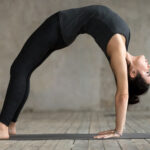
2 Bridge Pose (Setu Bandhasana).
How to do it:
– Lie on your back with your knees bent and feet hip-width apart.
– Press your feet into the floor, lift your hips, and engage your pelvic floor.
– Hold for a few breaths and lower back down.
Benefits: Strengthens the glutes and pelvic floor muscles, providing support to the pelvic organs.
3 Supported Fish Pose (Matsyasana).
How to do it:
– Lie on your back with a bolster or rolled blanket under your upper back.
– Allow your arms to rest beside you or overhead, and breathe deeply.
Benefits: This pose opens the chest and promotes relaxation while gently engaging the pelvic floor.
4 Child’s Pose (Balasana).
How to do it:
– Kneel on the floor, sit back on your heels, and stretch your arms forward on the ground.
– Breathe deeply and relax your body.
Benefits: This restorative pose helps to relax the pelvic area and promotes a sense of calm.
Breathing Techniques to Support Prolapse Recovery.
In addition to certain poses, people with prolapse can greatly benefit from using breathing techniques. The following methods aid in relaxing the pelvic floor:
- Diaphragmatic Breathing: This deep breathing method entails taking a deep breath through the nose, letting the diaphragm expand, and then slowly releasing the breath through the mouth.
- Kegel Exercises: The pelvic floor muscles are worked and relaxation is promoted by this exercise. Despite not being a yoga pose, Kegel exercises are crucial for pelvic floor strengthening. They can be used in conjunction with yoga by using the pelvic muscles to contract and relax during poses.
Personal Stories: How Yoga Changed Lives.
We interviewed 35-year-old Sarah, a mother who has experienced uterine prolapse following childbirth, to demonstrate the effect of yoga on prolapse.
Sarah’s Story:
When I was told I had prolapse, I was at a loss. I was afraid of surgery, and it interfered with my day-to-day activities. I chose to try yoga after hearing about it from a friend. After a few difficult classes, I eventually figured out how to use my pelvic floor muscles. My symptoms have greatly decreased, and I feel like I have more control over my body now. Yoga has enhanced my general wellbeing in addition to helping with my prolapse.
The Importance of Professional Guidance.
While yoga can help manage prolapse, it’s important to get advice from a qualified instructor, particularly if you have severe prolapse symptoms or are new to yoga. A specialist can make customized adjustments and guarantee that you are practicing safely.
Frequently Asked Questions.
1 Can yoga completely cure prolapse?
Although yoga can help manage and reduce prolapse symptoms, it might not be able to completely cure the condition. For a thorough treatment plan, it’s critical to speak with a medical expert.
2 How often should I practice yoga for prolapse?
Prolapse may not be entirely cured by yoga, but it can help control and lessen its symptoms. It is essential to consult a medical professional for a comprehensive treatment plan.
3 Are there any poses to avoid with prolapse?
Avoid deep twists and inverted poses (like headstands) that put too much strain on the pelvic region. Prioritize your comfort at all times, and seek advice from an instructor.
4 Can I still practice yoga if I have severe prolapse?
Seeking advice from a healthcare provider or a certified yoga instructor with expertise in pelvic health is crucial if you have severe prolapse. Depending on your needs, they can assist in developing a safe practice.
Final Thoughts.
Yoga can help people who are struggling with prolapse. Yoga’s emphasis on relaxation, body awareness, and pelvic floor strength can help control symptoms and enhance general health. A supportive atmosphere for healing can be established by implementing the suggested poses, breathing exercises, and getting expert advice. As with any medical condition, it’s crucial to speak with a healthcare professional to make sure your yoga practice meets your unique requirements. Through the therapeutic practice of yoga, people with prolapse can see notable improvements in their quality of life if they are dedicated and take the appropriate approach.
+1 Source
Verywelfit has strict sourcing guidelines and relies on peer-reviewed studies, educational research institutes, and medical organizations. We avoid using tertiary references. You can learn more about how we ensure our content is accurate and up-to-date by reading our editorial policy.
- Combined pelvic muscle exercise and yoga program for urinary incontinence in middle-aged women; https://onlinelibrary.wiley.com/doi/10.1111/jjns.12072