











































 Workout

 Meditation







The Fast Facts
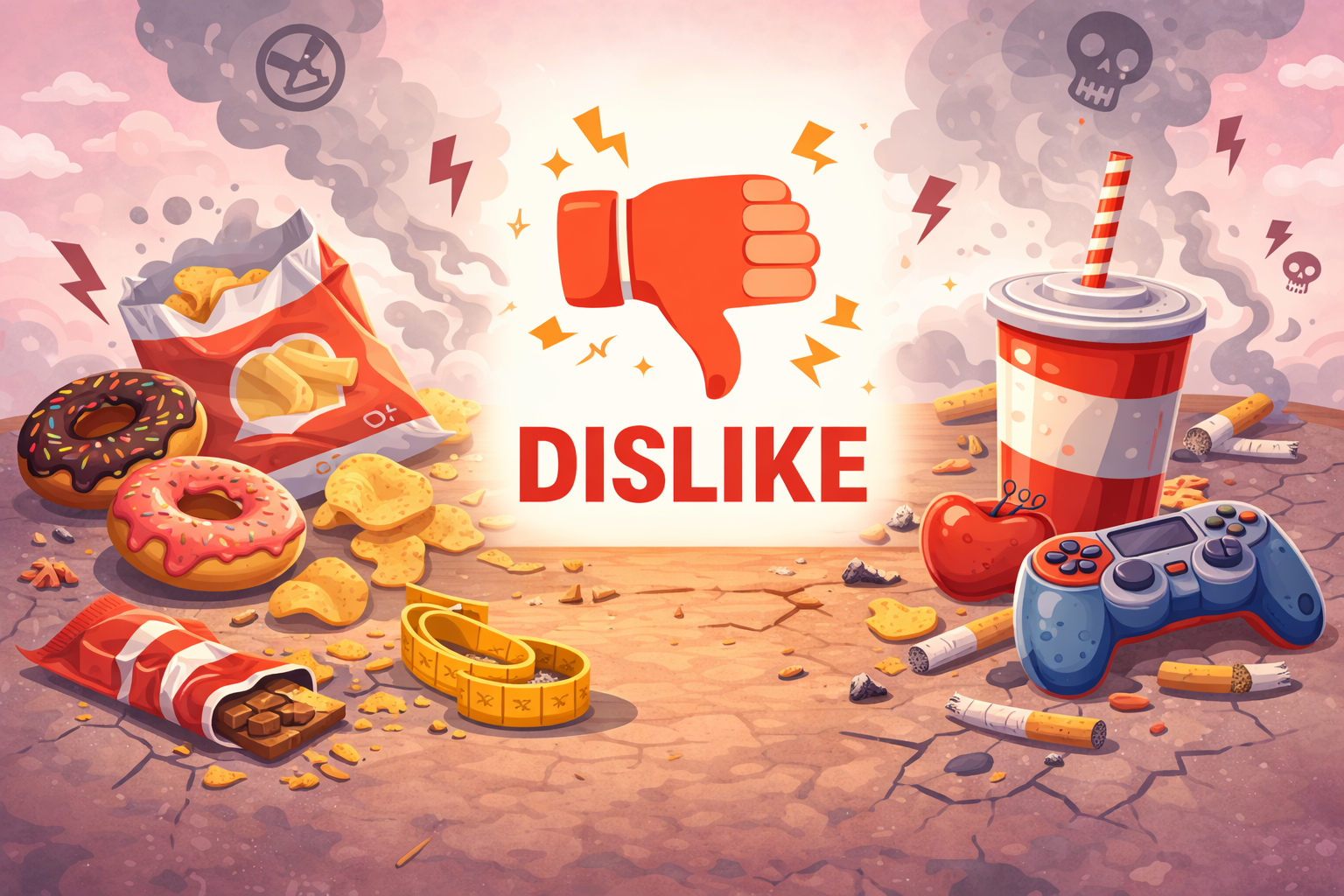
- Junk food is high in calories and low in nutritional value, making it easy to consume large amounts of calories in a short amount of time.
- Additionally, eating large amounts of junk food can lead to an imbalance in your body’s hormones, which can lead to an increased appetite and cravings for more junk food.
- In the olden days, it was not as easy to purchase and consume junk food as it is today.

It is often said that obesity and junk food go hand-in-hand, but does this sentiment still hold true today? In the olden days, obesity was not as prevalent as it is today, even though junk food was available. This begs the question: why didn’t junk food cause obesity in the olden days? In this article, we will explore this intriguing question and discuss possible explanations for why obesity was not as widespread in the past despite the presence of junk food.
How Does Junk Food Cause Obesity?
Junk food is high in calories and low in nutritional value, making it easy to consume large amounts of calories in a short amount of time. This can lead to overeating and, eventually, weight gain. Eating high-calorie junk food on a regular basis can cause your body to store extra calories as fat, leading to rapid weight gain.
Junk food often contains high levels of saturated fat, which can raise cholesterol levels and increase your risk of developing heart disease. Additionally, eating large amounts of junk food can lead to an imbalance in your body’s hormones, which can lead to an increased appetite and cravings for more junk food. This can result in an unhealthy cycle of junk food consumption and weight gain.
Related Stories
 Is Homemade Tomato Soup Good for You : Top 15 Health Benefits
 Ancient Nutrition: How Traditional Diets Fueled Human Health for Thousands of Years
Why Didn’t Junk Food Cause Obesity in The Olden Days?
1 Lack of access.
In the olden days, junk food was not as available as it is now. There were fewer restaurants, fast food outlets, and supermarkets selling junk food. This made it difficult to obtain junk food, limiting the amount of it consumed.
2 Fewer processed foods.
In the olden days, much of the food available was made from scratch or from fresh ingredients. This made it difficult to consume large amounts of processed food, which is a major component of the modern junk food diet.
3 Less sedentary lifestyle.
In the olden days, people had to move around much more in order to obtain food. This meant that they were burning more calories than we do today.
4 Lower calorie density.
Many of the foods that are considered junk food today are high in calories. In the olden days, many of the foods were much lower in calories, making it difficult to consume enough calories to cause obesity.

5 Lower sugar content.
Many of the foods today that are considered junk food have high amounts of sugar added to them. This was not the case in the olden days, making it difficult to consume large amounts of sugar that leads to obesity.
6 Balanced Diets.

In the olden days, people had to eat a variety of foods in order to stay healthy. This meant that they were not consuming large amounts of any one food, which would be necessary to cause obesity.
7 Home Cooking.
In the olden days, people cooked most of their meals at home. This meant that they had control over the ingredients that went into their meals, making it difficult to consume large amounts of unhealthy food.
8 Lack of Convenience.
In the olden days, it was not as easy to purchase and consume junk food as it is today. This meant that people had to take the time to prepare and cook their meals, limiting the amount of unhealthy food consumed.
9 Cost.
In the olden days, junk food was much more expensive than it is today. This meant that people did not have the same cheap access to unhealthy food, making it difficult to consume large amounts of it.
10 Social norms.
In the olden days, unhealthy eating habits were not accepted in the same way that they are today. This meant that people were less likely to consume large amounts of junk food, as it was considered socially unacceptable.
How to Prevent Junk Food from Causing Obesity in the Present Day.
1 Increase awareness of healthy eating.
Educate people about the importance of eating a balanced diet, filled with fresh fruits and vegetables, whole grains, and lean proteins. This will help people understand which foods are best for their health and will help them make healthier choices when it comes to snacks and meals.
2 Encourage physical activity.

Encourage people to get at least 30 minutes of physical activity each day. This will help people burn off excess calories and will help to prevent obesity.
3 Avoid processed and fast food.
Avoid processed and fast food as much as possible. These foods are often loaded with fat, sugar, and calories, and can lead to weight gain and health problems.
4 Avoid sugary drinks.
Sugary drinks, such as soda and juice, are loaded with calories and can lead to weight gain. Instead, opt for water or unsweetened tea and coffee.
5 Avoid eating out.
Eating out at restaurants or fast food joints can lead to overeating and can increase your consumption of unhealthy ingredients. Instead, opt to make your own meals at home, which will help you have more control over what you eat.
6 Avoid unhealthy snacking.
Unhealthy snacks, such as chips and candy, are loaded with calories and can lead to weight gain. Instead, opt for healthier snacks, such as fruits and vegetables.
7 Read food labels.
Reading food labels can help you choose healthier options when shopping for food. Look for items that are low in sugar, fat, and calories.
8 Develop healthy habits.
Developing healthy habits, such as eating breakfast and limiting TV time, can help you maintain a healthy weight and prevent obesity.
Bottom Line.
The olden days were a time when people ate mostly whole, natural foods that were unprocessed and nutrient-dense, and the lack of processed, junk food likely contributed to a lower rate of obesity. Additionally, activity levels were much higher in the olden days, as people often worked manual labor jobs and did a lot of physical activity for fun, which likely helped keep weight in check. Therefore, while it is possible that junk food may have contributed to some cases of obesity, it likely was not the main cause of obesity in the olden days.