











































 Workout

 Meditation






The Fast Facts
- Incorporating a mix of cardiovascular exercises, strength training, and flexibility work within a 60-90 minute session can be effective and sustainable.
- While spending three hours in the gym may offer specific benefits for certain individuals, it is generally unnecessary and may pose risks such as overtraining and elevated cortisol levels.
- Adopting a balanced workout routine that aligns with personal goals, includes adequate rest, and is sustainable within one’s lifestyle is essential for long-term health and fitness.

Engaging in regular physical activity is essential for maintaining overall health and well-being. However, the duration and intensity of workouts can significantly impact the benefits and potential drawbacks. This article explores the implications of spending three hours in the gym, examining both the advantages and disadvantages, and provides guidance on optimizing workout routines for individual goals.
Benefits of Extended Gym Sessions.
While three-hour gym sessions are uncommon and may not be necessary for most individuals, certain benefits can be associated with extended workouts, particularly for specific fitness goals:
- Enhanced Endurance: Prolonged sessions can improve cardiovascular endurance, beneficial for endurance athletes.(1)
- Skill Mastery: Extended time allows for focused practice on specific skills or techniques, aiding in proficiency.
- Comprehensive Training: Longer sessions can accommodate a combination of aerobic, strength, and flexibility exercises.
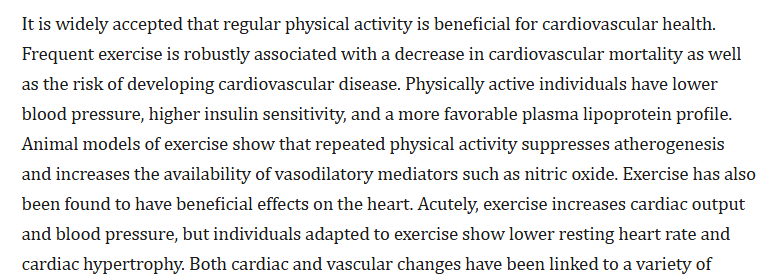
Potential Drawbacks of Prolonged Workouts.
Despite the potential benefits, extended gym sessions can pose several challenges:
Related Stories
Controlled Articular Rotations Exercises For Seniors: Benefits. Types and How To Do Ariana Grande Nude Fitness: Why the World’s Most Honest Workout Is Leading 2026 Trends
- Overtraining Risks: Excessive exercise without adequate rest can lead to overtraining syndrome, characterized by fatigue, decreased performance, and increased injury risk.
- Elevated Cortisol Levels: Long-duration workouts can increase cortisol, the stress hormone, which may contribute to fat retention and muscle breakdown.
- Time Constraints: Allocating three hours daily to the gym may be impractical for individuals with busy schedules, potentially leading to decreased adherence to fitness routines.
Expert Recommendations on Workout Duration.
Fitness experts generally advocate for shorter, more intense workouts over prolonged sessions:
- High-Intensity Interval Training (HIIT): HIIT involves short bursts of intense exercise followed by rest periods. Studies have shown that HIIT can provide significant health benefits in less time compared to traditional workouts.
- Balanced Routine: Incorporating a mix of cardiovascular exercises, strength training, and flexibility work within a 60-90 minute session can be effective and sustainable.
- Adequate Rest: Ensuring sufficient rest and recovery time is crucial to prevent overtraining and promote muscle growth.
Real-World Examples and Case Studies.
Several individuals have experienced significant fitness improvements with moderate workout durations:
- Michael Fury: At 62, Michael incorporated weight training into his routine, leading to enhanced physical and mental health. His sessions were structured and time-efficient, demonstrating that extended gym time is not necessary for substantial benefits.
- Cheng Chen Chin-Mei: A 90-year-old from Taiwan, Cheng Chen began weightlifting to manage Parkinson’s disease. Her training sessions were concise yet effective, highlighting that even shorter workouts can yield significant health improvements.
Frequently Asked Questions.
1 Can long workouts lead to increased fat storage?
Yes, exercising for more than an hour can elevate cortisol levels, which may signal the body to store fat, especially if not balanced with proper nutrition and rest.
2 Is it better to work out harder or longer?
Both approaches have benefits, but high-intensity workouts can yield significant results in less time and may be more practical for those with time constraints.
3 How much exercise is recommended weekly?
Health guidelines suggest at least 150 minutes of moderate-intensity or 75 minutes of vigorous-intensity aerobic activity per week, complemented by muscle-strengthening activities on two or more days.
Final Thoughts.
While spending three hours in the gym may offer specific benefits for certain individuals, it is generally unnecessary and may pose risks such as overtraining and elevated cortisol levels. Adopting a balanced workout routine that aligns with personal goals, includes adequate rest, and is sustainable within one’s lifestyle is essential for long-term health and fitness.
+1 Sources
Verywelfit has strict sourcing guidelines and relies on peer-reviewed studies, educational research institutes, and medical organizations. We avoid using tertiary references. You can learn more about how we ensure our content is accurate and up-to-date by reading our editorial policy.
- Cardiovascular Effects and Benefits of Exercise; https://pmc.ncbi.nlm.nih.gov/articles/PMC6172294/