










































Trending
Why Jicama Became My Go-To Crunchy Superfood: A Complete Guide Seafood Tetrazzini Recipe with Surprising Health Benefits Vital Things to Know Before and After Undergoing Botox Brow Lift Spaghetti With Broccoli Sauce: Healthy Vegetarian Recipe to Enjoy Pasta in One Pot How Do You Know If Your Body Is Absorbing The Nutrients You Ate? What is Maca Coffee : Health Benefits, Side effects And Recipe Snow Peas with Smoked Salmon: Healthy Recipe Why Didn’t Junk Food Cause Obesity in The Olden Days? Shirshasana or Headstand : Benefits, How to Do and Side Effects Why Does Yoga Make Me Nauseous? Understanding the Causes and How to Overcome It Unlocking the Secrets of Aloe Vera for Beard Growth Embracing the Salt and Pepper Look: A Guide to Dyeing Your Beard Are Peeling Foot Masks Good for You? A Comprehensive Guide Jnana Mudra: Benefits, Side Effects, How To Do and Precautions Understanding After-Meditation Headaches: Precautions, Prevention, and Expert Insights How to Prevent Lip Filler Migration : 7 Effective Ways Quick Chicken and Chickpea Curry: Healthy Recipe Top 10 Yoga Poses on the Wall You Must Try Unlocking Serenity Through My Practice: Understanding the Giraffe Yoga Pose Does Cornstarch Cause Hair Loss? An In-depth Exploration How the Falling Star Yoga Pose Helped Me Find Balance and Strength: Benefits, Steps, and Precautions Lentil Bolognese Sauce: Healthy Vegetarian Recipe for Your Pasta Dishes and Much More Can I Use an Electric Razor with Shaving Cream? A Comprehensive Guide Top 5 Mudras for Athletes: Expert Insights and Suprising Benefits Gluten-free and Vegan Seed Crackers: Healthy Crunchy Snack Recipe Hair Gel vs Hair Spray: Which is Right for Your Hair? Thai Tofu and Mushroom Soup: Healthy Vegan Recipe With Oriental Aromas Sea Bream Open in the Oven With Peppers: Healthy Recipe Is Pastrami Really Good for Weight Loss: What Does Expert Say? 15 Reasons to Start Drinking Onion Tea for Your Health With Recipe Is Bruising Normal After Myofascial Release? Why Everyone Is Talking About Coconut Kefir: Benefits, Nutrition, and How to Use It African Diet Plan for Weight Loss : Benefits, Recipe And Meal Plan Olive Oil for Beard Growth: A Comprehensive Guide Amazing Benefits and Side Effects of Coffee Enemas Understanding the Potential of the Heart 8 Acupuncture Point: Benefits, Uses, and Healing Insights Spinach Tortilla Rolls With Cheese and Smoked Salmon in the Oven: Healthy Recipe Rich in Protein Grilled Fish With Honeyed Lemon and Caper Sauce: Tasty and Quick Healthy Recipe How Yoga Transforms Your Body? Are Mentos Candy Bad For You: Truth Revealed
Appointment
Ask Question
Talk2Expert
Q&A
AI Tools
Health Tracker
Workout
Nutrition
Meditation
Recipe
Beauty Tips
Review Board
Editorial Process
✓ Evidence Based
10.4k
Reads
1.2k

Why is 20:4 Intermittent Fasting Better Than 18:6?

Medically reviewed
Our Review Process
Our content undergoes a rigorous editorial process, including fact-checking and clinical review by qualified medical experts.
READ MORE →

Our Editorial Team
Jill Castle (Nutritionist)
AUTHOR
Roxana Ehsani
MEDICAL ADVISOR
by Roxana Ehsani
Roxana Ehsani ✔ Verified Expert
Roxana Ehsani, RD, LDN, is a registered dietitian, a board-confirmed expert in sports dietetics, and a public media representative. She has a four year college…
READ MORE →
—Written by Jill Castle (Nutritionist)
Jill Castle (Nutritionist)
Jill Castle, MS, RDN, is a distinguished Pediatric Dietitian, accomplished 6-time author, and sought-after Keynote Speaker. Know More. Learn about our editorial process.
READ MORE →
Updated on May 13, 2025
Why This Was Updated
We continuously monitor the health landscape and update our articles to reflect the latest evidence.

Updated on May 13, 2025

VIEW ALL HISTORY →
—Published on January 15, 2024
Our editorial process ensures that the information we provide is well-researched and reliable. Learn about our commitment to quality in our editorial policy.
Listen to this article

The Fast Facts

  • 6 Intermittent Fasting is an eating pattern in which you fast for an 18 hour period and then you have a 6 hour window to consume your meals.
  • 4 Intermittent Fasting is a type of fasting where you fast for 20 hours each day and eat all your meals within a 4-hour window.
  • 4 Intermittent Fasting can help to improve mental clarity, as you are able to reduce stress and give your mind a break during the fasting period.

VeryWellFit logo


Intermittent fasting has become increasingly popular in recent years as a way to lose weight, improve health, and increase energy. Many people are now considering different methods of intermittent fasting, such as 20:4 and 18:6. While both can help you achieve your goals, there are some key differences between the two that make 20:4 Intermittent Fasting a better choice for many people. In this article, we’ll discuss why 20:4 Intermittent Fasting is better than 18:6 and how it can help you reach your goals.

What is 20:4 Intermittent Fasting?

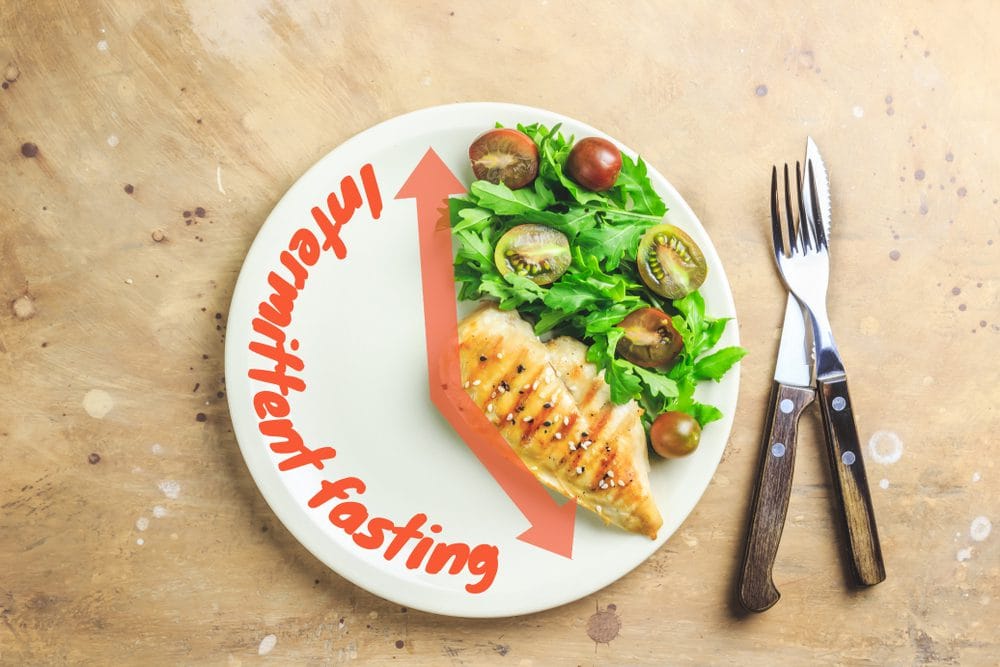
20:4 Intermittent Fasting is a type of fasting where you fast for 20 hours each day and eat all your meals within a 4-hour window. This type of fasting can help you lose weight, reduce inflammation, and improve overall health.

It is important to get enough nutrients during the 4-hour window and to make sure that you are eating healthy, nutrient-dense foods during that time. 20:4 Intermittent Fasting is a great way to improve your health and help you reach your health goals.

What is 18:6 Intermittent Fasting?

18:6 Intermittent Fasting is an eating pattern in which you fast for an 18 hour period and then you have a 6 hour window to consume your meals. This form of fasting is designed to help you lose weight and improve your overall health.

It can also help improve digestion, reduce inflammation, and improve blood sugar levels. During your fasting period, you should only drink water, tea, and other non-caloric beverages.

During your eating window, you should aim to consume nutritious, whole foods and limit processed and sugary foods. 18:6 Intermittent Fasting is easy to follow and can be an effective way to get to your health goals.

Reasons Why is 20:4 Intermittent Fasting better Than 18:6?

1 20:4 Intermittent Fasting allows for more flexibility in terms of when you can eat, as you are given a larger window of time to eat each day.

2 20:4 Intermittent Fasting can be easier to stick to as you are able to eat for a longer period of time each day.
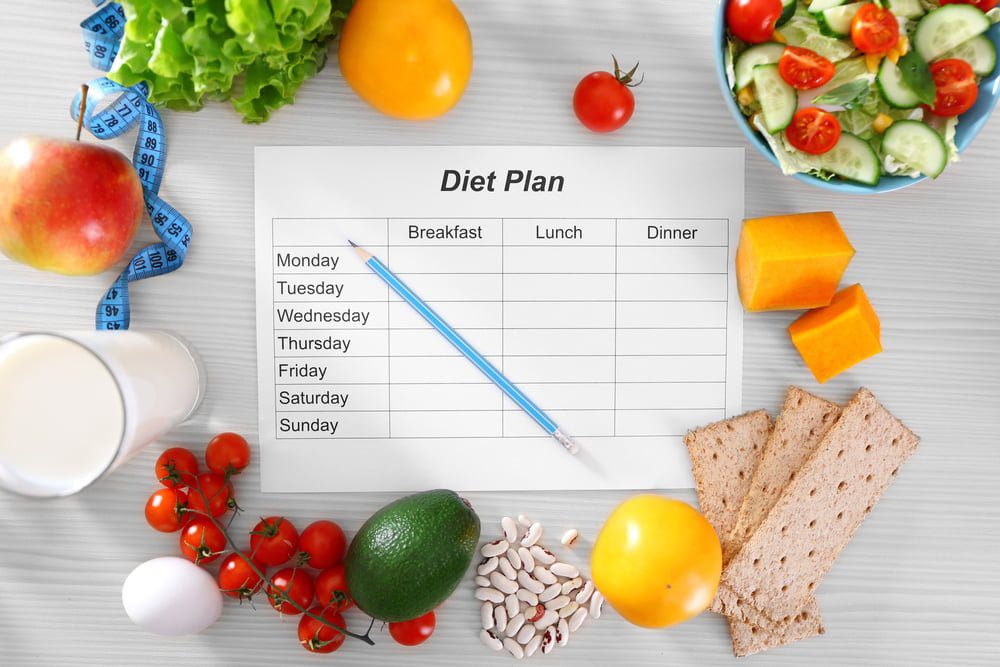
Hyperbolic Diet Plan

3 20:4 Intermittent Fasting can help to reduce hunger and cravings, as you are able to eat more frequently throughout the day.

4 20:4 Intermittent Fasting may be better for weight loss as it can help to reduce overall calorie intake, as you are eating fewer meals.

5 20:4 Intermittent Fasting may be better for people who are trying to build muscle, as it can help to maximize muscle growth while minimizing fat gain.

6 20:4 Intermittent Fasting can help to improve energy levels, as you are able to get more rest during the fasting period.

7 20:4 Intermittent Fasting can help to improve digestion, as you are able to give your digestive system a break during the fasting period.

8 20:4 Intermittent Fasting can help to improve mental clarity, as you are able to reduce stress and give your mind a break during the fasting period.

Is 20:4 Intermittent Fasting really better than 18:6?

20:4 Intermittent Fasting is a popular diet that involves eating within a specific window of time and fasting for the majority of the day. The 20:4 diet is more restrictive than the 18:6 diet, as it requires fasting for 20 hours each day and eating within a 4 hour window.

While some studies suggest that this more restrictive diet may be more effective at weight loss and other health benefits, it is important to note that this is not a one-size-fits-all approach.

There is no definitive answer as to which diet is truly better, as each individual’s needs and preferences should be taken into consideration when choosing a diet plan.

Bottom Line.

Overall 20:4 Intermittent Fasting is better than 18:6 due to the longer fasting window, which can help with weight loss, autophagy, and improved cognitive function. Additionally, 20:4 Intermittent Fasting can help regulate hormones, reduce inflammation, and increase energy levels. Ultimately, 20:4 Intermittent Fasting is the healthier and more beneficial option for those looking to lose weight and improve their overall health.


Last reviewed on

How we reviewed this article:

🕖 HISTORY

Our team of experts continuously reviews and updates our content as new evidence emerges. See Our Editorial Process

Current Version
May 13, 2025

Written By: Jill Castle

Reviewed By: Roxana Ehsani

Jan 15, 2024

Written By: Jill Castle

Reviewed By: Roxana Ehsani

The dietary recommendations provided here are based on research and expert review. Individual needs vary — please consult a registered dietitian or nutritionist before changing your diet. Know More

Jill Castle (Nutritionist)

Author
Jill Castle, MS, RDN, is a distinguished Pediatric Dietitian, accomplished 6-time author, and sought-after Keynote Speaker. Know More. Learn about our editorial process.

Roxana Ehsani

Dietitian
Roxana Ehsani, RD, LDN, is a registered dietitian, a board-confirmed expert in sports dietetics, and a public media representative. She has a four year college…

Leave a Comment

×
The best of health and wellness
We do the research so you don't have to. Stay in the know with the latest in health and wellness.
opt-in image