











































 Workout

 Meditation






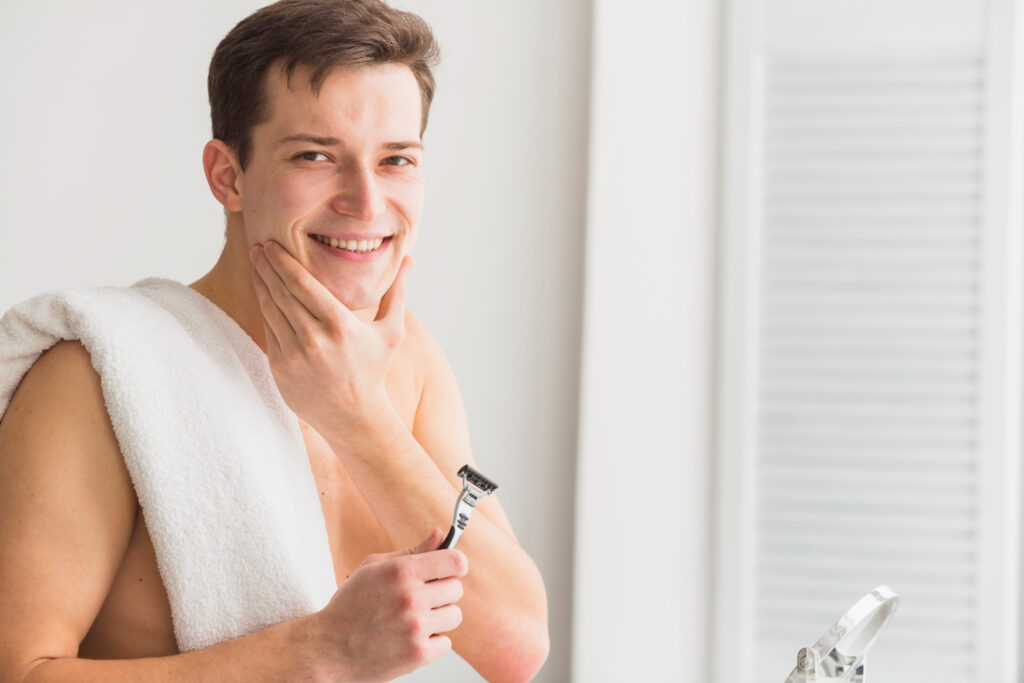
Shaving is a regular part of many people’s grooming routine, but it often comes with the unpleasant side effect of razor bumps. These irritating, red, and often painful bumps can make you think twice about shaving again. In your search for a solution, you might wonder: can Vaseline help with razor bumps? This article will explore that question in detail.
What Are Razor Bumps?
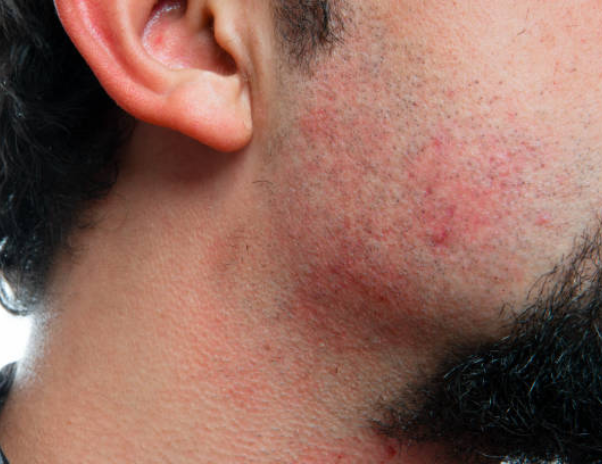
Razor bumps, also known as pseudofolliculitis barbae, occur when shaved hair grows back into the skin, causing inflammation. This condition is especially common among people with curly hair, as the curls can cause the hair to re-enter the skin more easily. Razor bumps can lead to discomfort, itching, and even infections if not properly treated.
How Does Vaseline Work?
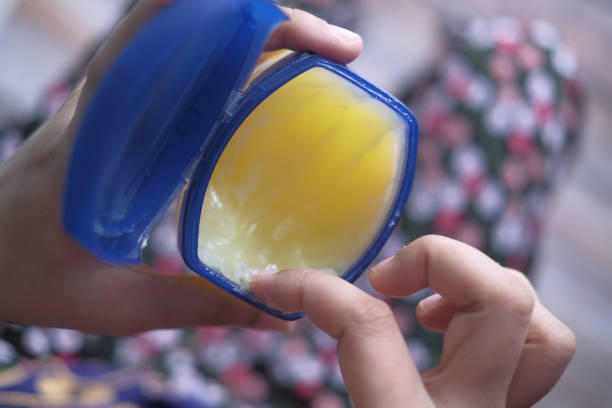
Vaseline, a brand of petroleum jelly, is a common household item known for its moisturizing and protective properties. It forms a barrier on the skin, locking in moisture and shielding the skin from external irritants. But how does this translate to relief from razor bumps?
1 Moisturizing.
One of the primary benefits of Vaseline is its ability to keep the skin moisturized. Dry skin is more prone to irritation and razor bumps. By maintaining skin hydration, Vaseline can help prevent the skin from becoming irritated and inflamed.
Related Stories
 Does Nail Polish Remover Expire: Find Out The Reality
 How to Make Your Beard Grey Naturally: A Comprehensive Guide
2 Protective Barrier.
Vaseline acts as a protective barrier, which can prevent further irritation from friction, clothing, and environmental factors. This is particularly useful after shaving when the skin is more sensitive and vulnerable to external factors.
Expert Insights.
To get a better understanding of how Vaseline can help with razor bumps, I spoke with Dr. Emily Collins, a dermatologist with over 20 years of experience. According to Dr. Collins, “Vaseline can indeed be beneficial in treating razor bumps. Its moisturizing properties can soothe irritated skin, and its protective barrier helps prevent further irritation. However, it should be used correctly and in conjunction with proper shaving techniques.”
How to Use Vaseline for Razor Bumps?
Using Vaseline to treat razor bumps is straightforward, but there are a few steps you should follow to ensure maximum effectiveness:
- Cleanse the Area: Start by washing the affected area with a gentle cleanser. This helps remove any dirt, oil, and bacteria that could cause further irritation or infection.
- Pat Dry: Gently pat the skin dry with a clean towel. Avoid rubbing the skin, as this can exacerbate irritation.
- Apply Vaseline: Using clean hands, apply a thin layer of Vaseline to the affected area. Be sure not to use too much, as this can clog pores and potentially cause more irritation.
- Leave It On: Allow the Vaseline to sit on the skin. You can reapply as needed throughout the day, especially if you notice the skin becoming dry or irritated again.
Personal Experience.
I also spoke with Jane Martinez, a 32-year-old who has struggled with razor bumps for years. Jane shared her experience with using Vaseline: “I started using Vaseline after every shave, and I noticed a significant improvement. My skin felt more hydrated, and the razor bumps were less frequent and less severe. It’s become a staple in my skincare routine.”
Additional Tips to Prevent Razor Bumps.
While Vaseline can help manage razor bumps, there are additional steps you can take to prevent them from occurring in the first place:
Proper Shaving Techniques.
- Use a Sharp Razor: A dull razor can tug at the skin and hair, increasing the risk of razor bumps. Always use a sharp, clean razor.
- Shave in the Direction of Hair Growth: Shaving against the grain can cause hair to re-enter the skin. Shave in the direction of hair growth to minimize this risk.
- Use Shaving Cream or Gel: These products provide lubrication and reduce friction, helping the razor glide smoothly over the skin.
- Avoid Over-Shaving: Shaving too frequently or too closely can irritate the skin and increase the likelihood of razor bumps.
Post-Shave Care.
1 Rinse with Cold Water: After shaving, rinse the skin with cold water to close the pores and reduce inflammation.
2 Apply a Moisturizer: Keeping the skin moisturized is key to preventing razor bumps. Use a non-comedogenic moisturizer to avoid clogging pores.
Scientific Evidence.
The effectiveness of Vaseline for treating razor bumps is supported by its well-documented moisturizing and protective properties. A study published in the Journal of Cosmetic Dermatology highlights the benefits of petroleum jelly in maintaining skin hydration and creating a protective barrier. The study notes that these properties can be particularly beneficial in managing skin conditions characterized by irritation and inflammation, such as razor bumps.(1)
Frequently Asked Questions.
1 Is Vaseline Safe for All Skin Types?
Yes, Vaseline is generally safe for all skin types, including sensitive skin. However, if you have acne-prone skin, use it sparingly to avoid clogging pores.
2 Can I Use Vaseline After Every Shave?
Yes, you can use Vaseline after every shave. Its moisturizing and protective properties can help soothe and protect the skin.
3 Are There Any Side Effects of Using Vaseline?
Vaseline is generally considered safe with minimal side effects. In rare cases, it may cause minor skin irritation or allergic reactions. If you experience any adverse reactions, discontinue use and consult a healthcare professional.
4 Can Vaseline Prevent Razor Bumps?
While Vaseline can help reduce the occurrence of razor bumps by keeping the skin moisturized and protected, it is not a guaranteed preventative measure. Proper shaving techniques and post-shave care are also essential in preventing razor bumps.
5 What Are Some Alternatives to Vaseline for Razor Bumps?
Other products that can help with razor bumps include aloe vera gel, witch hazel, and tea tree oil. These products have anti-inflammatory and soothing properties that can help manage razor bumps.
Bottom Line.
Vaseline can indeed help with razor bumps by keeping the skin moisturized and protected. Its barrier-forming properties can reduce irritation and inflammation, making it a useful addition to your post-shave routine. However, it is essential to use it correctly and in combination with proper shaving techniques to achieve the best results.
Remember, everyone’s skin is different, so what works for one person may not work for another. It may take some experimentation to find the best solution for managing and preventing razor bumps. By incorporating Vaseline and following the tips provided in this article, you can enjoy a smoother, more comfortable shaving experience.
+1 Source
Verywelfit has strict sourcing guidelines and relies on peer-reviewed studies, educational research institutes, and medical organizations. We avoid using tertiary references. You can learn more about how we ensure our content is accurate and up-to-date by reading our editorial policy.
- Revitalizing the skin: Exploring the role of barrier repair moisturizers; https://onlinelibrary.wiley.com/doi/full/10.1111/jocd.16171