





































 Workout

 Meditation






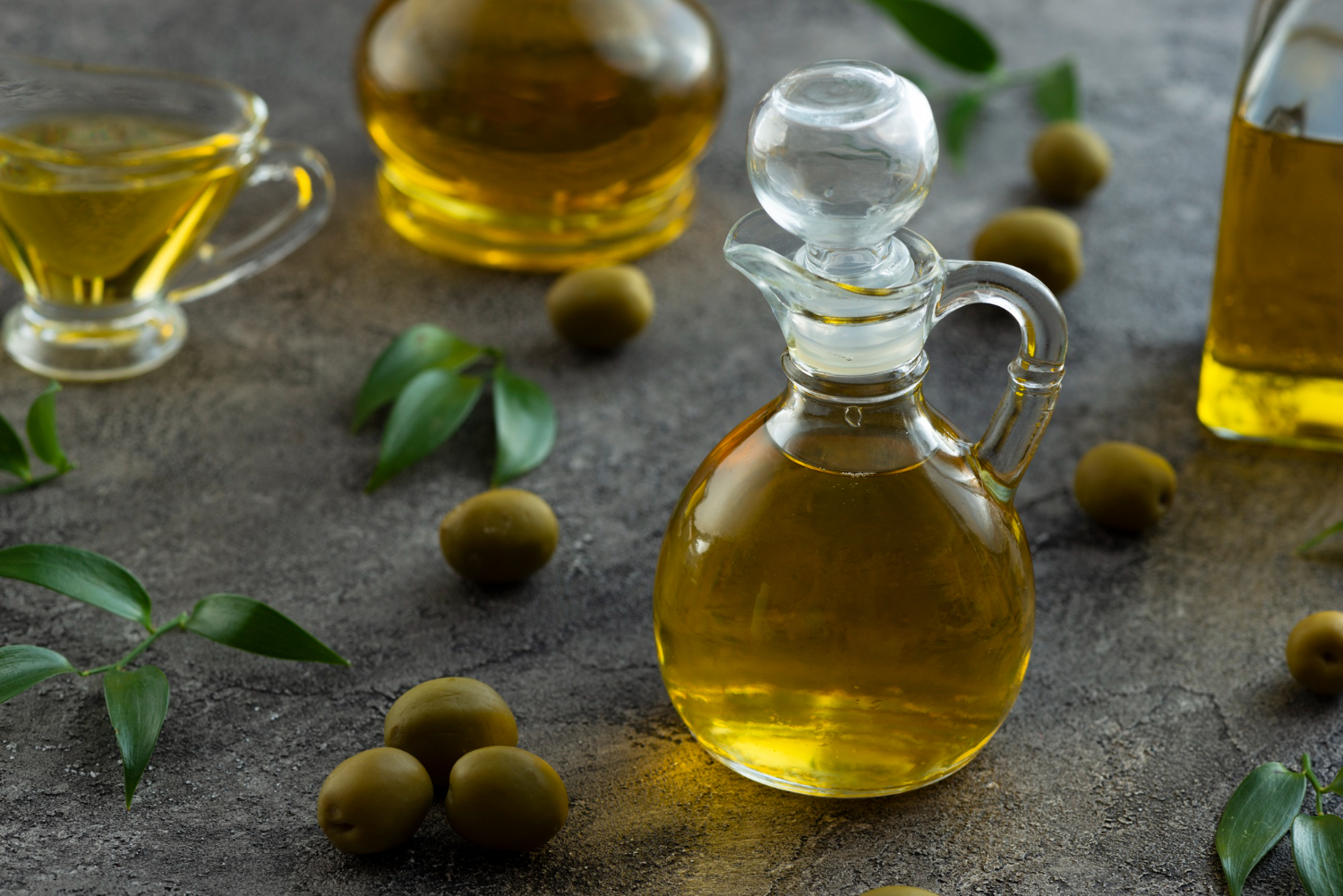
Growing a beard has become a popular trend among men worldwide. While some men find it easy to grow a thick, full beard, others struggle with patchiness or slow growth. Many turn to natural remedies to enhance their beard growth, with olive oil being a favorite due to its rich nutrients and health benefits. In this article, we’ll explore how olive oil can aid in beard growth, backed by scientific evidence, expert opinions, and user experiences. We’ll also address frequently asked questions about using olive oil for beards.
The Nutritional Powerhouse: Olive Oil.
Olive oil, especially extra virgin olive oil, is loaded with nutrients that can potentially aid in beard growth. These include:
- Vitamin E: Known for its antioxidant properties, vitamin E helps in reducing oxidative stress, which can damage hair follicles.
- Omega-3 Fatty Acids: These essential fats are crucial for overall hair health.
- Oleic Acid: A monounsaturated fat that provides deep moisturizing benefits, improving the skin and hair’s overall health.
- Polyphenols: Compounds that have anti-inflammatory and antioxidant effects, which can benefit hair growth by reducing scalp inflammation and improving blood circulation.

How Olive Oil Affects Beard Growth?
1 Moisturizes and Nourishes.
Olive oil acts as a natural moisturizer, which is essential for maintaining healthy hair. Dry, brittle hair is more likely to break, and a well-moisturized beard is less prone to damage. Applying olive oil helps in locking in moisture, making the beard softer and more manageable.
2 Improves Blood Circulation.
Massaging olive oil into your beard can improve blood circulation to the hair follicles. Better circulation means more nutrients and oxygen reach the hair roots, promoting healthier and faster growth.


3 Reduces Inflammation.
Inflammation of the skin can lead to hair loss and slow growth. The anti-inflammatory properties of olive oil can help soothe the skin, reducing redness, irritation, and conditions like dandruff, which can inhibit beard growth.
4 Antioxidant Protection.
The antioxidants in olive oil help to combat free radicals, which can damage hair follicles and slow down hair growth. By protecting the follicles, olive oil supports healthier and stronger beard growth.
5. Prevents Beardruff.
Beard dandruff, or beardruff, is a common issue that can affect beard growth by irritating the skin and causing flakiness. Olive oil helps to moisturize the skin beneath the beard, preventing dryness and beardruff.
Scientific Evidence.
Several studies highlight the benefits of olive oil for hair health:
- A study published in the Journal of Cosmetic Science found that the application of oils, including olive oil, can penetrate the hair shaft, reducing water absorption and decreasing hair swelling, which leads to less damage and breakage.
- Research in the International Journal of Trichology emphasizes the role of antioxidants like those found in olive oil in protecting hair follicles from oxidative damage, which is crucial for maintaining healthy hair growth.
How to Use Olive Oil for Beard Growth?
Step-by-Step Guide.
- Choose the Right Olive Oil: Opt for extra virgin olive oil as it is the least processed and retains the most nutrients.
- Clean Your Beard: Wash your beard with a mild shampoo to remove dirt and excess oils.
- Warm the Olive Oil: Slightly warm the oil to enhance its absorption. You can do this by placing the oil bottle in a bowl of warm water.
- Apply the Oil: Pour a small amount of olive oil into your palms and massage it into your beard and the skin beneath. Make sure to distribute the oil evenly.
- Leave It On: Let the oil sit for at least 30 minutes. For deeper conditioning, you can leave it overnight.
- Rinse: Rinse your beard with lukewarm water and pat dry with a towel.
Frequency.
For best results, apply olive oil 2-3 times a week. Overuse can make your beard look greasy.
Personal Interview: Beard Care Enthusiast.
Interview with James Carter.
James Carter, a beard care enthusiast with a lush, well-maintained beard, shares his experience with olive oil.
Q: How did you start using olive oil for your beard?
A: “I had heard about the benefits of olive oil for hair, so I decided to give it a try on my beard. I was struggling with dryness and beardruff, and nothing seemed to work. Olive oil was a game-changer.”
Q: What changes did you notice after using olive oil?
A: “My beard became much softer and more manageable. The dryness and flakes disappeared, and I noticed my beard growing thicker and faster. It’s become a staple in my beard care routine.”
Q: Any tips for beginners?
A: “Be consistent but not overzealous. Start with small amounts and see how your skin reacts. Also, make sure to wash it out properly to avoid a greasy look.”
Frequently Asked Questions.
1 Is olive oil safe for all skin types?
Yes, olive oil is generally safe for all skin types. However, those with oily or acne-prone skin should use it sparingly, as it can potentially clog pores.
2 Can olive oil cause any side effects?
While rare, some people may experience allergic reactions. It’s advisable to do a patch test before applying olive oil extensively on your beard.
3 How long does it take to see results?
Results vary from person to person. Some may notice improvements within a few weeks, while for others, it might take a couple of months.
4 Can I mix olive oil with other oils?
Absolutely. Mixing olive oil with other beneficial oils like jojoba or argan oil can enhance its effectiveness.
5 How should I store olive oil?
Store olive oil in a cool, dark place to prevent it from going rancid. Ensure the bottle is tightly sealed to maintain its quality.
Bottom Line.
Olive oil is a natural and effective solution for those looking to enhance their beard growth. Its rich nutrient profile, moisturizing properties, and ability to improve blood circulation make it an excellent addition to any beard care routine. Whether you’re dealing with beardruff, dryness, or slow growth, incorporating olive oil could be the key to achieving a fuller, healthier beard. Always remember to be consistent and patient, as natural remedies often take time to show results.
By leveraging the power of olive oil, you can take a significant step towards a lush, well-groomed beard that not only looks good but feels great too.