











































 Workout

 Meditation






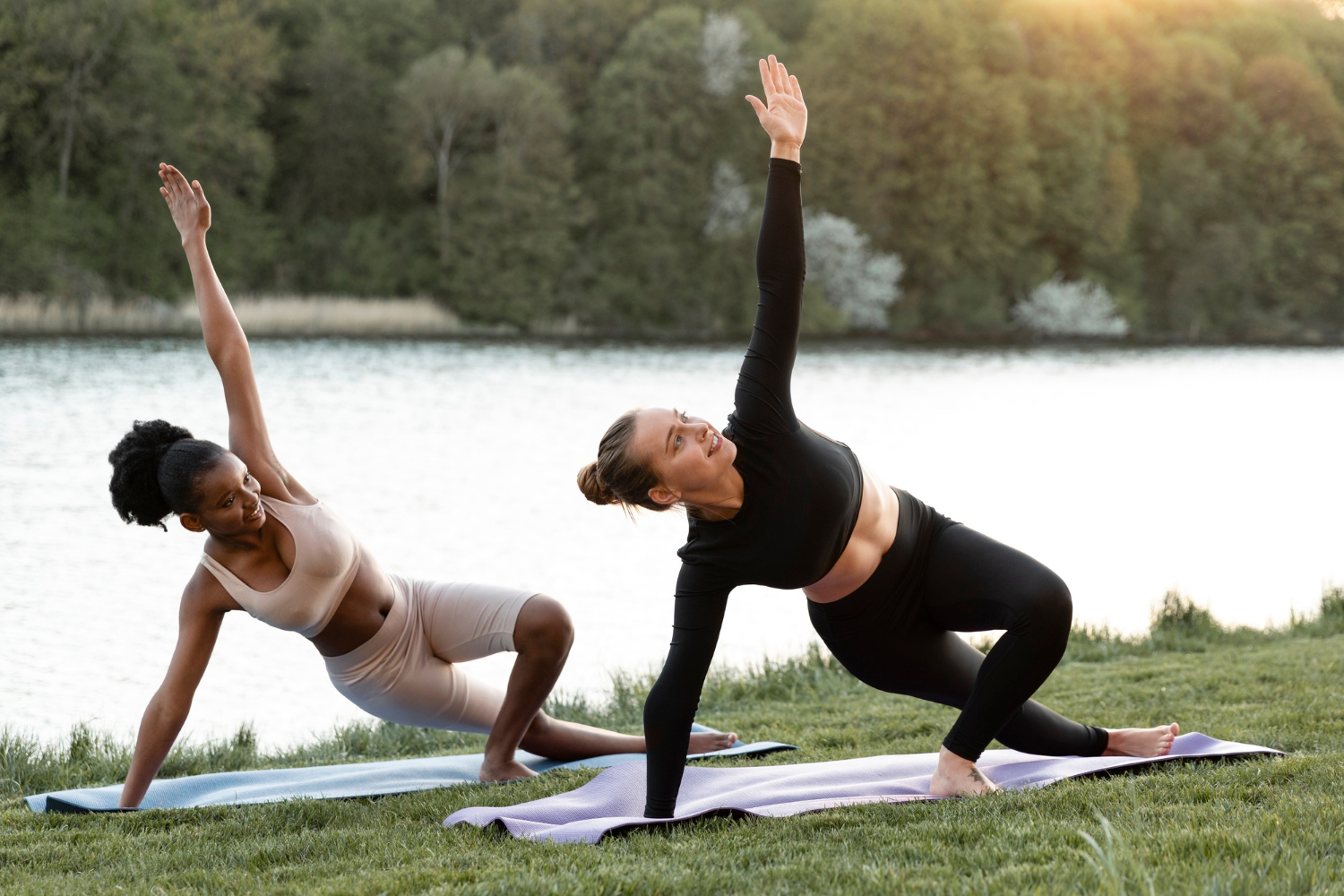
Yoga is a transformative practice that encompasses physical, mental, and spiritual well-being. While the focus is often on individual effort and self-discovery, there are times when a little guidance and support can greatly enhance our practice. This is where hands-on assists come in. Whether you are a beginner or a seasoned yogi, incorporating hands-on assists into your practice can deepen your understanding of the poses, improve alignment, and help you access a deeper level of relaxation and release. In this article, we will explore 10 yoga hands-on assists that can take your practice to the next level and help you unlock the full potential of your body and mind on the mat.
Benefits of Yoga Hands-On Assists.
1 Enhanced Body Awareness.
One of the primary benefits of yoga hands-on assists is the increased body awareness they foster. By receiving gentle adjustments and precise alignment cues, students develop a deeper connection with their bodies. This heightened awareness allows practitioners to better understand their body’s limitations, strengths, and areas that require improvement, empowering them to make adjustments accordingly.
2 Improved Alignment.
Hands-on assists provide valuable guidance in achieving proper alignment in each pose. Skilled instructors can gently manipulate a student’s body to align it correctly, ensuring that the pose is performed safely and effectively. Proper alignment not only optimizes the benefits of the asanas but also prevents injuries and supports the body’s natural alignment outside of the yoga studio.
3 Increased Flexibility and Range of Motion.
Hands-on assists can assist in stretching muscles and tissues beyond what a practitioner may be able to achieve on their own. By gently encouraging deeper stretches or facilitating adjustments in challenging poses, instructors help students increase their flexibility and expand their range of motion. This allows practitioners to progress in their practice and explore new variations of poses, ultimately helping them reach their full potential.
Related Stories
 Micro-Movement & Breathwork in the Workplace: A Practical Framework for Improving Focus, Reducing Burnout, and Supporting Cognitive Performance
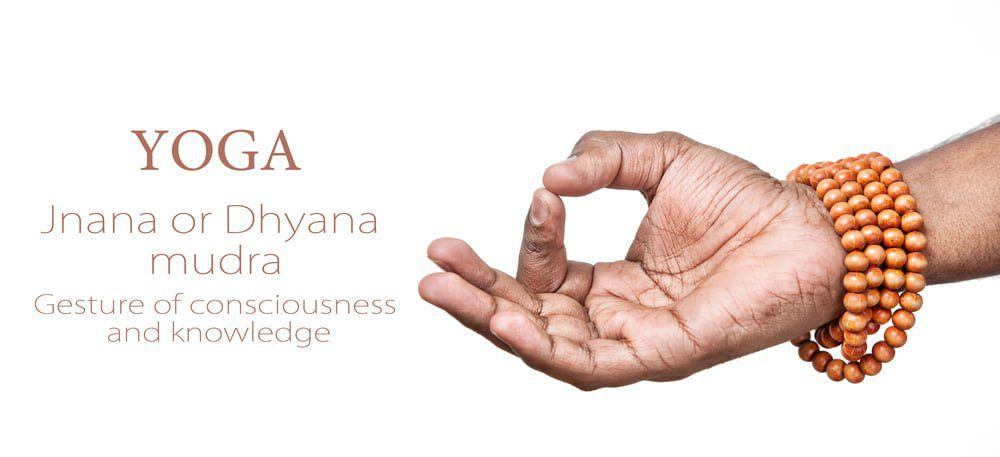
 Jnana Mudra: Benefits, Side Effects, How To Do and Precautions
4 Deepened Mind-Body Connection.
Yoga is known for its focus on the mind-body connection, and hands-on assists play a crucial role in strengthening this connection. By receiving physical support and adjustments, students are reminded to stay present and mindful in their practice. This encourages them to tune in to their breath, sensations, and thoughts, fostering a deeper sense of connection between their physical and mental states.
5 Increased Confidence and Trust.
Hands-on assists can instill a sense of confidence in practitioners by providing them with the support they need to explore and hold more challenging poses. Through the guidance of an experienced instructor, students can build trust in their own abilities and feel supported in their yoga journey. This increased confidence and trust can extend beyond the mat, positively impacting various aspects of their lives.
6 Personalized Guidance and Corrections.
Each individual has unique anatomical considerations and limitations that may affect their practice. Hands-on assists allow instructors to offer personalized guidance and corrections tailored to the specific needs of each student. This individualized attention ensures that practitioners receive the maximum benefits from their practice while minimizing the risk of injury.
| 💡 Tips Verywel Fit.com Incorporating hands-on assists in yoga practice offers a multitude of benefits, including enhanced body awareness, improved alignment, increased flexibility, deepened mind-body connection, increased confidence and trust, and personalized guidance. These assists provide students with the opportunity to refine their practice, deepen their understanding of their bodies, and experience a more profound and transformative yoga journey. |
10 Yoga Hands-On Assists And How They Can Enhance Your Practice?
1 Forward Fold Adjustment.
With a gentle touch, the instructor can guide you deeper into your forward fold by placing their hands on your lower back and gently pressing forward, encouraging length and extension through the spine.
2 Downward Dog Alignment.
To ensure proper alignment in downward dog, the instructor may use a hands-on assist by placing their hands on your hips and gently pressing them up and back, allowing you to lengthen your spine and deepen the stretch.
3 Warrior I Support.
During Warrior I, an instructor can provide support by placing their hands on your hips and gently adjusting your alignment, ensuring that your hips are squared and your front knee is directly over your ankle.
4 Twist Deepening.
When in a seated or standing twist, an instructor may place their hands on your back, gently guiding you deeper into the twist, helping to release tension and increase spinal mobility.
5 Hip Opening Assistance.
In poses like pigeon or lizard pose, an instructor can use a hands-on assist by placing their hands on your hips and gently guiding them down and forward, encouraging a deeper stretch and release in the hips.
6 Heart Opening Adjustment.
During backbends like bridge pose or camel pose, an instructor can provide support by placing their hands on your lower back and gently pressing upward, allowing you to open your chest and deepen the backbend safely.
7 Balance Improvement.
In balancing poses like tree pose or warrior III, an instructor may use a hands-on assist by lightly touching your hips or shoulders, providing stability and helping you find your center of gravity.
8 Shoulder Relaxation.
During shoulder stretches or poses like eagle arms, an instructor can use a hands-on assist by gently pressing down on your raised elbow, encouraging relaxation and release of tension in the shoulders.
9 Deepening Twists.
In poses like revolved triangle or revolved side angle pose, an instructor can provide a hands-on assist by placing their hands on your torso and gently guiding you deeper into the twist, helping to improve spinal rotation.
10 Savasana Support.
During the final relaxation pose, savasana, an instructor may use a hands-on assist by gently placing their hands on your shoulders or feet, offering a grounding touch that can promote relaxation and a deeper sense of surrender.
By incorporating these 10 hands-on assists, yoga instructors can enhance your practice by providing guidance, support, and helping you deepen your stretches, improve alignment, and find more ease and relaxation in your practice.
Additional Tips.
- Always ask for permission before assisting someone in a yoga pose. Respect their boundaries and comfort level.
- Approach the student from the side or behind to avoid invading their personal space.
- Use gentle touch and apply pressure gradually. Avoid using too much force or causing any discomfort.
- Communicate with the student throughout the assist. Ask them how they feel and if they need any adjustments.
- Keep your hands and fingers relaxed while assisting. Avoid gripping or squeezing the student’s body.
- Be aware of any injuries or limitations the student may have. Modify or avoid certain assists if necessary.
- Use verbal cues along with the hands-on assist to help the student understand the alignment and movement.
- Demonstrate the assist on yourself or another student first, if possible. This helps the student visualize the movement before experiencing it themselves.
- Be mindful of your own body mechanics while assisting. Maintain proper posture and avoid straining your own body.
- Attend workshops or training sessions on hands-on assists to improve your skills and learn new techniques.
Bottom Line.
Hands-on assists in yoga can be a powerful tool for both students and teachers. They offer a unique opportunity for deeper connection, enhanced understanding, and improved alignment. However, it is important for instructors to approach hands-on assists with mindfulness, respect, and consent, ensuring that they create a safe and inclusive environment for all participants. By incorporating hands-on assists into a yoga practice, individuals can truly experience the transformative benefits of this ancient practice, fostering growth, healing, and self-discovery on their yoga journey.