






































 Workout

 Meditation






The Fast Facts
- It’s not recommended to use cornstarch daily as it can build up on the scalp, potentially leading to clogging of hair follicles.
- Using cornstarch as a dry shampoo can be beneficial temporarily, but it’s not a substitute for regular washing.
- Cornstarch can absorb excess oil from the scalp, making it a quick fix for greasy hair.

Hair loss is a common concern that affects millions of people worldwide. The quest for beautiful, healthy hair often leads individuals to experiment with various products and natural remedies. One such product that has garnered attention is cornstarch. Some believe cornstarch can help with hair care, while others worry it might cause hair loss. This article delves into whether cornstarch is beneficial or harmful to hair health.
What is Cornstarch?
Cornstarch is a fine, white powder derived from the endosperm of corn kernels. It is widely used in cooking as a thickening agent for soups, sauces, and gravies. Besides its culinary uses, cornstarch has found its way into beauty and hair care routines, often touted for its ability to absorb oil and add volume to hair.
How is Cornstarch Used in Hair Care?
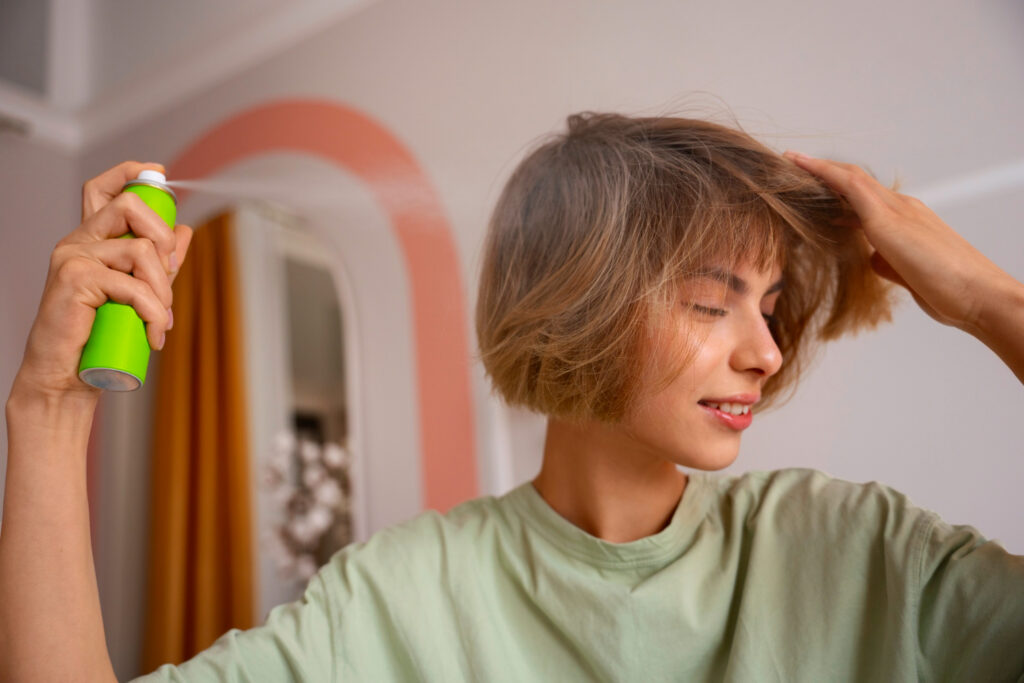
Cornstarch is often used as a dry shampoo alternative. Here’s how people commonly use it:
Related Stories
 Embracing the Salt and Pepper Look: A Guide to Dyeing Your Beard
 How to Prevent Lip Filler Migration : 7 Effective Ways
1 Oil Absorption: Cornstarch can absorb excess oil from the scalp, making it a quick fix for greasy hair.
2 Volume Addition: By absorbing oil and moisture, cornstarch can give the hair a fuller appearance.
3 Detangling: Some use cornstarch to help detangle hair, making it easier to manage and style.
Cornstarch and Hair Health: The Concerns.
While many praise cornstarch for its benefits, concerns have been raised about its potential to cause hair loss. To understand this, we need to explore the relationship between cornstarch and hair health scientifically and through expert opinions.
Scientific Perspective on Cornstarch and Hair Loss.
1 Chemical Composition.
Cornstarch is primarily composed of amylose and amylopectin, two types of starch molecules. These molecules have no direct interaction with hair follicles or the scalp’s dermal papilla cells, which are crucial for hair growth.
2 Scalp Health.
Healthy hair starts with a healthy scalp. Using cornstarch as a dry shampoo can be beneficial temporarily, but it’s not a substitute for regular washing. Accumulation of cornstarch on the scalp can clog pores, potentially leading to:
– Sebum Buildup: Excessive sebum and cornstarch can create a breeding ground for bacteria and fungi, leading to scalp conditions like folliculitis.
– Pore Blockage: Clogged pores can hinder hair follicle function, possibly leading to hair thinning or hair loss.
3 Abrasive Nature.
Cornstarch particles are fine but can be abrasive if not washed out properly. This abrasiveness might damage the hair cuticle over time, causing breakage and split ends.
Expert Insights: Interviews with Hair Care Specialists.
To provide a comprehensive view, we interviewed two experienced trichologists, Dr. Lisa Morgan and Dr. David Reed, to share their expertise on this topic.
Dr. Lisa Morgan:
“While cornstarch can be a quick fix for oily hair, it’s not a long-term solution. Overuse can lead to scalp issues, which might contribute to hair shedding. It’s essential to maintain a balanced hair care routine that includes proper cleansing and hydration.”
Dr. David Reed:
“There’s no direct evidence linking cornstarch to hair loss. However, improper use can lead to conditions that may indirectly cause hair loss. It’s crucial to ensure that any product used on the scalp is thoroughly cleaned out to prevent buildup.”
Common Misconceptions.
Misconception 1: Cornstarch Promotes Hair Growth.
There’s no scientific evidence supporting the idea that cornstarch can stimulate hair growth. Its primary function is oil absorption.
Misconception 2: Cornstarch is a Permanent Solution.
Cornstarch can temporarily manage oily hair but should not replace regular shampooing and conditioning.
Frequently Asked Questions.
1 Can I use cornstarch every day on my hair?
It’s not recommended to use cornstarch daily as it can build up on the scalp, potentially leading to clogging of hair follicles.
2 How should I use cornstarch on my hair safely?
Use cornstarch sparingly, and ensure you wash it out thoroughly to avoid buildup. It’s best used occasionally rather than as a daily routine.
3 Are there any safer alternatives to cornstarch for oily hair?
Yes, there are many dry shampoos specifically formulated to absorb oil without clogging pores. Natural options like rice powder or arrowroot powder can also be gentler alternatives.
4 Can cornstarch cause dandruff?
Cornstarch itself doesn’t cause dandruff, but buildup from improper cleansing can contribute to dandruff or other scalp conditions.
5 Is cornstarch suitable for all hair types?
While cornstarch can be used on most hair types, individuals with very fine or sensitive hair should use it cautiously to avoid potential irritation or damage.
Personal Testimonies.
Alice K., 34, New York:
“I’ve used cornstarch as a dry shampoo for years without any issues. It works great for my oily hair. I just make sure to wash my hair thoroughly every few days to avoid buildup.”
John S., 29, California:
“After using cornstarch, I noticed my scalp became itchy and irritated. I stopped using it and switched to a commercial dry shampoo designed for sensitive scalps. My hair feels much better now.”
Bottom Line.
Cornstarch can be a useful, natural alternative to commercial dry shampoos when used correctly. However, it’s not without its risks. Overuse or improper cleansing can lead to scalp issues that may indirectly contribute to hair loss. It’s important to balance cornstarch use with regular hair care practices to maintain a healthy scalp and hair.
For those experiencing significant hair loss, it’s advisable to consult a healthcare professional or a trichologist to identify the underlying cause and receive appropriate treatment. Remember, a healthy scalp is key to healthy hair, and while natural remedies like cornstarch can be helpful, they should be used wisely and in moderation.