












 Dar certo

 Meditação






A primeira vez que experimentei uma flexão de ioga, assumi que seria mais fácil do que uma flexão tradicional porque a palavra “yoga” me fez pensar em alongamento lento e movimentos suaves.
Eu não poderia estar mais errado.
Em algumas repetições, percebi que este exercício desafiava não apenas minha força na parte superior do corpo, mas também meu equilíbrio, flexibilidade, coordenação e respiração. Ao contrário de uma flexão padrão, uma flexão de ioga combina o movimento controlado com as posturas de ioga, criando um exercício de corpo inteiro que se fortalece e energiza.
Uma razão pela qual eu aprecio flexões de ioga é que elas não se concentram apenas na construção de músculos. Eles também incentivam uma melhor postura, consciência corporal e mobilidade. Se você é novo em Fitness ou buscar uma variedade de variedades de exercícios, este movimento pode ser uma adição valiosa quando realizado com a técnica adequada.
Histórias relacionadas
 7 mudras para o crescimento e espessura do cabelo que você deve experimentar hoje
 O que é pose do Vasisthasana: significado, benefícios, como fazer e variações
Neste guia, explicarei o que é uma flexão de ioga, como executá-la corretamente, os músculos que funciona e dicas práticas Para ajudá-lo a dominar o movimento com segurança.
O que é uma flexão de ioga?
Uma flexão de ioga é um exercício dinâmico de peso corporal que combina elementos de uma flexão tradicional com movimentos de ioga.(1)
Normalmente, envolve a movimentação por posições como:
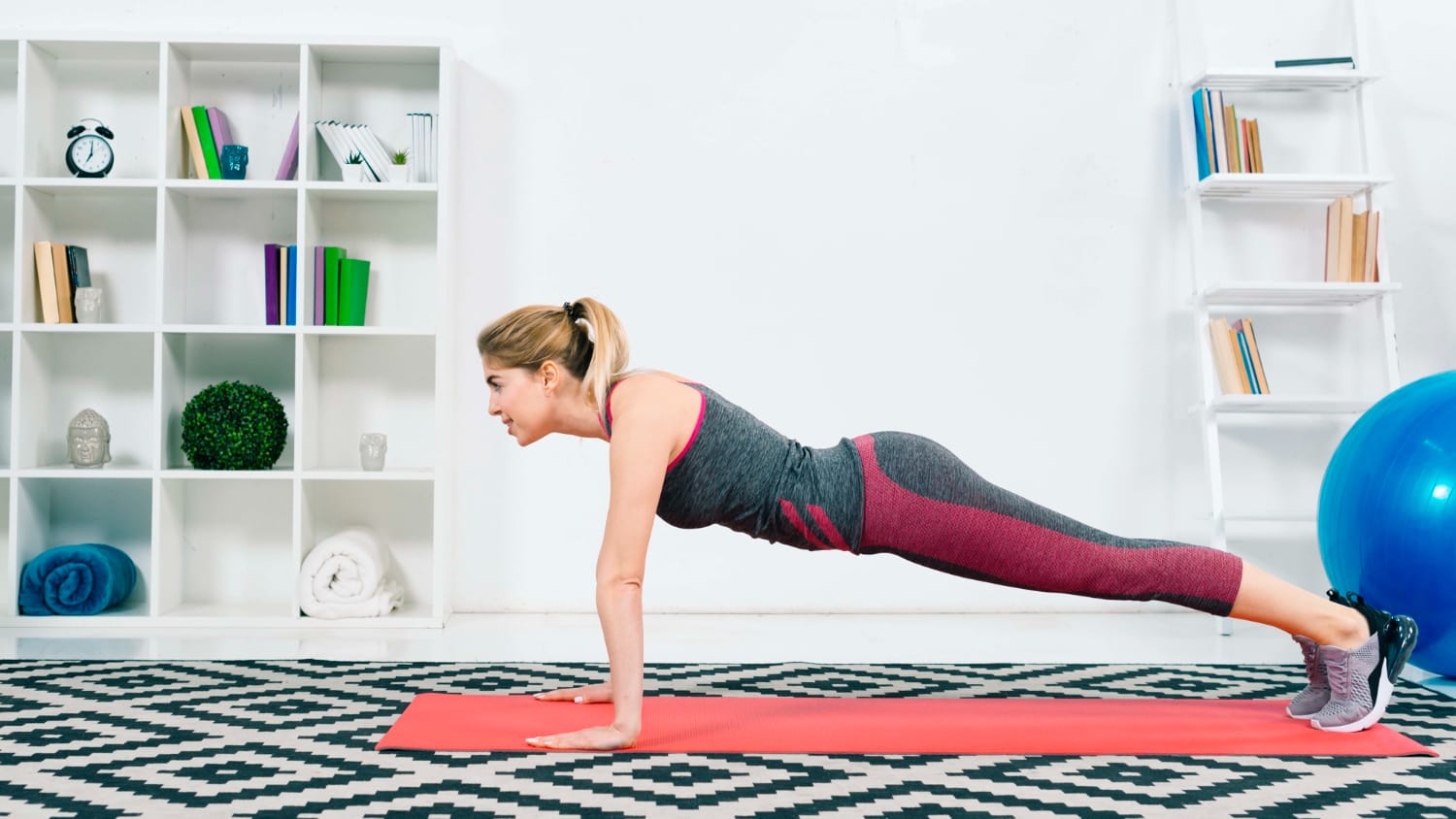
- pose de prancha
- Chaturanga (prancha baixa)
- Pose de cachorro ou cobra virada para cima
- cão virado para baixo
Como várias posturas de ioga estão ligadas em um movimento contínuo, o exercício desenvolve força e flexibilidade ao mesmo tempo.

Ao contrário das flexões convencionais que enfatizam principalmente a força de pressão, as flexões de ioga incentivam o movimento controlado por uma maior amplitude de movimento, enquanto coordena cada fase com sua respiração.
Minha primeira impressão da flexão de ioga.
Quando assisti alguém fazer uma flexão de ioga pela primeira vez, parecia suave e sem esforço.
No entanto, uma vez que eu mesmo tentei, percebi rapidamente que era necessário manter uma boa forma:
- Estabilidade do ombro
- Força do núcleo
- Mobilidade do quadril
- Flexibilidade dos isquiotibi
- respiração controlada
Em vez de apressar as repetições, descobri que desacelerar e focar na técnica tornava o exercício muito mais eficaz.
Onde surgiu a flexão de ioga?
A flexão de ioga não vem de uma pose tradicional de ioga. Em vez disso, evoluiu de Vinyasa Yoga, um estilo de ioga em que as posturas fluem continuamente de um movimento para outro em coordenação com a respiração.
Muitas aulas de ioga incluem uma sequência chamada fluxo de Vinyasa, que faz a transição:
- prancha alta
- Chaturanga Dandasana
- cão virado para cima
- cão virado para baixo
Os profissionais de fitness posteriormente adaptaram essa sequência fluida no que muitas pessoas agora chamam de yoga push up.
Atualmente, é comumente usado em:
- aulas de ioga
- Aptidão funcional
- treinos HIIT
- treinamento de mobilidade
- Programas de exercícios de peso corporal
Como uma flexão de ioga é diferente de uma flexão regular?
Embora ambos os exercícios fortaleçam a parte superior do corpo, eles enfatizam diferentes padrões de movimento.
| característica | ioga flexão | Push-up tradicional |
|---|---|---|
| movimento | Sequência de fluxo dinâmico | direto para cima e para baixo |
| flexibilidade | em alta | moderar |
| Ativação do núcleo | em alta | em alta |
| Mobilidade do ombro | maior | moderar |
| Integração com Yoga | sim | não |
| Foco respiratório | forte | moderar |
Uma flexão tradicional visa principalmente a força de pressão, enquanto uma flexão de ioga combina força, mobilidade e flexibilidade em um exercício contínuo.
Os músculos trabalharam durante uma flexão de ioga.
Uma razão pela qual eu gosto de flexões de ioga é que eles envolvem vários grupos musculares simultaneamente.(2),(3)
peito (peitorais).
Os músculos do tórax fornecem muito do poder de empurrão durante as fases de descida e prensagem.
Ombros (deltoides).
Os ombros estabilizam os braços durante todo o movimento e ajudam na transição entre as posições do yoga.
tríceps.
Os tríceps estendem os cotovelos enquanto você pressiona o chão.
músculos do núcleo.
seu:
- reto abdominal
- Abdomina transversal
- oblíquo
Trabalhe continuamente para estabilizar o tronco e manter o alinhamento adequado.
Músculos das costas.
Vários músculos auxiliam em toda a sequência, incluindo:
- Latissimus dorsi
- rombóides
- trapézio
- ereto espinha
Esses músculos ajudam a apoiar a postura e a estabilidade da coluna.
glúteos.
Os músculos do glúteo estabilizam os quadris e mantêm o alinhamento corporal.
Flexores do quadril.
Os flexores do quadril ajudam a controlar o movimento durante as transições entre as poses.
isquiotibiais.
À medida que você se move para um cão virado para baixo, os isquiotibiais experimentam um alongamento suave que contribui para Flexibilidade apri ao longo do tempo.
bezerros.
Os bezerros auxiliam na estabilidade do tornozelo e também são esticados durante a posição final.
Benefícios de envolver vários grupos musculares.
Como muitos músculos trabalham juntos, as flexões de ioga podem ajudar a melhorar:
- Força funcional
- coordenação corporal
- Resistência muscular
- estabilidade
- Qualidade do movimento
Em vez de isolar um grupo muscular, o exercício treina seu corpo para se mover como um sistema integrado.
Como fazer um yoga push up passo a passo?
Aprender a técnica adequada é mais importante do que completar muitas repetições.
Eu sempre recomendo dominar o movimento lentamente antes de aumentar a velocidade ou o volume.
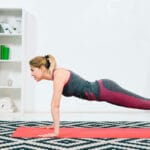
Passo 1: Comece na prancha alta.
Comece com o seu:
- Mãos diretamente abaixo dos ombros
- braços retos
- núcleo engajado
- pernas estendidas
- Corpo formando uma linha reta da cabeça aos calcanhares
Evite deixar seus quadris caírem ou levantarem muito alto.
Passo 2: Abaixe-se em Chaturanga.
Enquanto você inspira ou expira (dependendo da sua tradição de ioga preferida), dobre lentamente os cotovelos.
Mantenha os cotovelos próximos às costelas, em vez de permitir que elas se arrumem.
Abaixe até que os braços estejam aproximadamente paralelos ao chão.
Manter um corpo reto por toda parte.
Passo 3: Transição para um cão virado para cima.
Role os ombros para trás.
Pressione as mãos.
Levante o peito.
Endireite os braços enquanto permite que seus quadris se movam em direção ao chão.
Mantenha os ombros relaxados longe das orelhas.
Passo 4: Mova-se para o cão virado para baixo.
Pressione firmemente através das palmas das mãos.
Levante os quadris para cima e para trás.
Endireite os braços.
Alongue a coluna.
Permita que seus calcanhares se movam suavemente em direção ao chão.
Seu corpo deve se assemelhar a um “V”.”
Passo 5: Retorne à prancha alta.
Mova seu corpo para frente até voltar à posição de prancha.
Isso completa uma repetição.
Repita enquanto mantém um movimento lento e controlado.
Técnica de respiração adequada.
Uma coisa que aprendi rapidamente é que a respiração faz uma diferença significativa.
Em vez de prender a respiração:
- Inspire enquanto se prepara.
- Expire durante a fase de descida.
- Inspire enquanto levanta o peito.
- Expire enquanto pressiona o cão virado para baixo.
Sincronizar a respiração com o movimento ajuda Melhore o controle e reduza Tensão desnecessária.
Dicas de alinhamento comuns para iniciantes.
Um bom alinhamento ajuda a maximizar Benefícios ao reduzir o risco de lesões.
Eu recomendo focar nestes pontos:
Mantenha o pescoço neutro.
Evite olhar muito para a frente ou abaixar a cabeça.
Envolva seu núcleo.
Imagine desenhando suavemente o umbigo em direção à coluna.
Relaxe os ombros.
Evite encolher os ombros em direção às orelhas.
Mantenha os cotovelos próximos.
Permitir que os cotovelos se acendam excessivamente coloca um estresse adicional nos ombros.
Mova-se lentamente.
O movimento controlado melhora o envolvimento e a técnica dos músculos.
Modificações para iniciantes.
Se uma flexão completa do yoga parecer muito difícil inicialmente, experimente essas opções mais fáceis.
Push yoga do joelho.
Mantenha os joelhos no chão durante a fase de descida.
Push up de ioga elevado.
Coloque as mãos:
- um banco
- blocos de ioga
- uma cadeira resistente
Reduzir o ângulo diminui a quantidade de peso corporal Você deve levantar.
Amplitude de movimento mais curta.
em vez de Abaixando todo o caminho Para Chaturanga, comece com uma faixa menor e aumente gradualmente a profundidade à medida que a força melhora.
Quem pode se beneficiar com as flexões de ioga?
As flexões de ioga podem ser adequadas para muitas pessoas, incluindo:
- Iniciantes aprendendo exercícios com peso corporal
- praticantes de ioga
- Entusiastas do treinamento de força
- praticantes de casa
- Pessoas querendo uma melhor postura
- Pessoas que buscam melhorar a mobilidade
- Atletas de fitness funcionais
Como em qualquer exercício, as pessoas com lesões no ombro, no pulso ou nas costas devem consultar um profissional de saúde ou fisioterapeuta qualificado antes de adicionar flexões à sua rotina.
Quantas flexões de ioga os iniciantes devem fazer?
Ao começar, recomendo priorizar a técnica sobre as repetições.
Um simples ponto de partida pode ser:
- Iniciantes: 5–8 repetições × 2–3 séries
- Intermediário: 8–12 repetições × 3 séries
- Avançado: 12–15 repetições × 3–4 séries
Descanse para 30–60 segundos Entre as séries e pare se sentir dor ou perder a forma adequada.
Benefícios das flexões de ioga.
Quando me senti confortável com o movimento, percebi que um ioga flexão é muito mais do que um exercício para a parte superior do corpo. Combina treinamento de força, flexibilidade, equilíbrio e respiração controlada em uma sequência fluida.
Ao contrário de muitos exercícios tradicionais de peso corporal que visam uma única área, as flexões de ioga envolvem todo o corpo, incentivando o movimento consciente.
vamos Explore os maiores benefícios.
1. Construa a força da parte superior do corpo.
um dos mais óbvios Os benefícios são o aumento da força da parte superior do corpo.
Durante cada repetição, vários músculos trabalham juntos, incluindo:
- peito
- ombros
- tríceps
- Parte superior das costas
Como você está levantando seu próprio peso corporal, o exercício melhora gradualmente a resistência muscular e a força funcional.
Com o tempo, músculos mais fortes podem tornar as atividades cotidianas – como levantar mantimentos ou empurrar objetos pesados – são mais fáceis.
2 . Fortalece seu núcleo.
Uma flexão de ioga não é apenas sobre seus braços.
Durante todo o movimento, seus músculos abdominais trabalham continuamente para estabilizar a coluna.
Os músculos do núcleo ajudam a prevenir:
- Arqueamento excessivo da parte inferior das costas
- flacidez do quadril
- perda de equilíbrio
Um núcleo mais forte pode contribuir para:
- melhor postura
- Saldo melhorado
- Maior estabilidade durante o exercício
- Redução do risco de desconforto na parte inferior das costas
3. Melhora a flexibilidade.
Ao contrário de uma flexão regular, uma flexão de ioga inclui alongamentos que melhoram a mobilidade.
Por exemplo:
Alongamentos para cima do cão:
- peito
- abdômen
- Flexores do quadril
Alongamentos para baixo voltados para baixo:
- tendão
- bezerros
- ombros
- coluna
Com o tempo, essa combinação de força e alongamento pode melhorar a flexibilidade geral.
4. Melhora a mobilidade do ombro.
muitas pessoas Passe horas Sentar-se nas mesas ou olhar para os telefones.
Isso geralmente leva a ombros rígidos e má postura.
Como as flexões de ioga movem os ombros por várias posições, elas podem ajudar a melhorar:
- Mobilidade do ombro
- estabilidade articular
- amplitude de movimento
A forma adequada é essencial para evitar o estresse desnecessário nas articulações dos ombros.
5. Suporta uma melhor postura.
A má postura geralmente se desenvolve a partir de uma posição prolongada e dos músculos fracos da parte superior das costas.
A flexão de ioga incentiva:
- abertura do peito
- extensão espinhal
- Engajamento principal
- Estabilidade do ombro
Essas qualidades podem contribuir para uma postura mais saudável ao longo do tempo, quando combinadas com movimentos regulares ao longo do dia.
6. Melhora a aptidão funcional.
Uma razão pela qual eu gosto de exercícios com peso corporal é que eles geralmente imitam padrões de movimento da vida real.
As flexões de ioga melhoram sua capacidade de:
- incitar
- estabilizar
- contrapartida
- Transição sem problemas entre as posições
A força funcional ajuda a apoiar as atividades diárias, esportes e exercícios recreativos.
7 . Desenvolve a consciência corporal.
Yoga enfatiza o movimento consciente.
Em vez de simplesmente contar as repetições, pego a atenção para:
- respiração
- alinhamento
- ativação muscular
- contrapartida
- Qualidade do movimento
Esse aumento da consciência corporal geralmente se transfere para outras formas de exercício.
8. Aumenta a resistência muscular.
A realização de múltiplas repetições desafia os músculos para sustentar o esforço ao longo do tempo.
Com uma prática consistente, as flexões de ioga podem melhorar a resistência:
- peito
- ombros
- braços
- medula
A resistência muscular torna-se cada vez mais importante para exercícios mais longos e atividades diárias.
9. Não requer equipamento.
Uma das coisas que mais gosto de yoga flexões é a simplicidade.
Tudo que você precisa é:
- Um tapete de ioga (opcional)
- roupas confortáveis
- Espaço suficiente para mover
Como não é necessário nenhum equipamento, eles são perfeitos para:
- treinos em casa
- viagem
- exercício ao ar livre
- apartamentos pequenos
10. Pode ser adaptado para diferentes níveis de condicionamento físico.
As flexões de ioga podem ser modificadas dependendo da sua experiência.
Iniciantes podem executar:
- Push ups de ioga do joelho
- Puxas de ioga elevadas
- Amplitude de movimento mais curta
Os praticantes avançados podem aumentar o desafio:
- diminuindo o ritmo
- Aumentando as repetições
- Adicionando retenção de pausa
- Combinando-os em sequências de ioga fluindo
As flexões de ioga podem ajudar na perda de peso?
Outra pergunta comum que ouço é:
“As flexões de ioga são boas para perda de peso?”
A resposta é:
Eles podem suportar a perda de peso, mas não queimam gordura diretamente por conta própria.
perda de peso Depende principalmente da manutenção de um déficit calórico por meio de uma combinação de:
- Nutrição equilibrada
- atividade física
- sono adequado
- consistência
As flexões de ioga contribuem com:
- queima de calorias
- Construindo músculos
- Melhorar a forma física
- Apoiando os hábitos de exercícios regulares
Incluí-los em um treino de corpo inteiro pode aumentar o gasto energético geral.
Puxações de ioga para força.
Ao contrário dos exercícios de isolamento que visam apenas um grupo muscular, as flexões de ioga constroem Força funcional em várias áreas do corpo.
A prática regular pode melhorar:
- força de empurrar
- Estabilidade do ombro
- Resistência do núcleo
- suporte para aperto
- Controle geral do corpo
Isso os torna úteis para as pessoas que participam de:
- ioga
- Aptidão funcional
- calistenia
- treinamento do peso corporal
Flexiões de ioga para flexibilidade.
A flexibilidade é uma das maiores diferenças entre as flexões de ioga e as flexões tradicionais.
O movimento alonga vários grupos musculares, incluindo:
- peito
- tendão
- bezerros
- Flexores do quadril
- coluna
- ombros
Com o tempo, uma flexibilidade melhorada pode ajudar a reduzir a rigidez e fazer com que os movimentos diários se sintam mais confortáveis.
Push-up de ioga versus flexão tradicional.
Embora esses exercícios pareçam um pouco semelhantes, eles treinam o corpo de forma diferente.
| característica | ioga flexão | Push-up tradicional |
|---|---|---|
| Objetivo principal | Força + Flexibilidade | Força da parte superior do corpo |
| Engajamento principal | em alta | em alta |
| treinamento de mobilidade | excelente | limitado |
| alongamento incluído | sim | não |
| fluxo de ioga | sim | não |
| dificuldade | moderar | Moderado-alto |
| melhor para | Aptidão funcional e mobilidade | Desenvolvimento da força |
Nenhum dos exercícios é necessariamente melhor.
Muitos profissionais de fitness incluem ambos em um rotina de exercícios equilibrados.
Erros comuns a evitar.
A técnica adequada ajuda a maximizar os resultados, reduzindo o risco de lesões.
Aqui estão os erros que vejo com mais frequência.
1. Deixando os quadris caírem.
Permitir que seus quadris caiam, estressantes desnecessárias na parte inferior das costas.
Em vez disso:
- Aperte o seu núcleo.
- Mantenha seu corpo alinhado da cabeça aos calcanhares.
2 . Alargando os cotovelos.
Cotovelos largos aumentam o estresse do ombro.
Procure manter os cotovelos próximos ao tronco durante o Chaturanga.
3. correndo pelo movimento.
As flexões de ioga não devem ser executadas o mais rápido possível.
Movimento mais lento melhora:
- ativação muscular
- estabilidade
- coordenação
4. prendendo a respiração.
A respiração deve permanecer suave em cada repetição.
Coordenar a respiração com o movimento ajuda a melhorar o controle.
5. Ignorando o engajamento principal.
A ativação do núcleo fraco geralmente causa:
- ombros arredondados
- Arqueamento inferior das costas
- má postura
Sempre envolva os músculos abdominais antes de abaixar.
6. Olhando muito para frente.
Estender excessivamente o pescoço pode criar uma tensão desnecessária.
Mantenha o olhar um pouco à frente, mantendo um pescoço neutro.
7 . Forçando a flexibilidade.
Alguns iniciantes tentam empurrar muito profundamente o cão virado para cima ou o cão virado para baixo.
Mova-se apenas dentro de uma faixa confortável.
A flexibilidade melhora gradualmente com uma prática consistente.
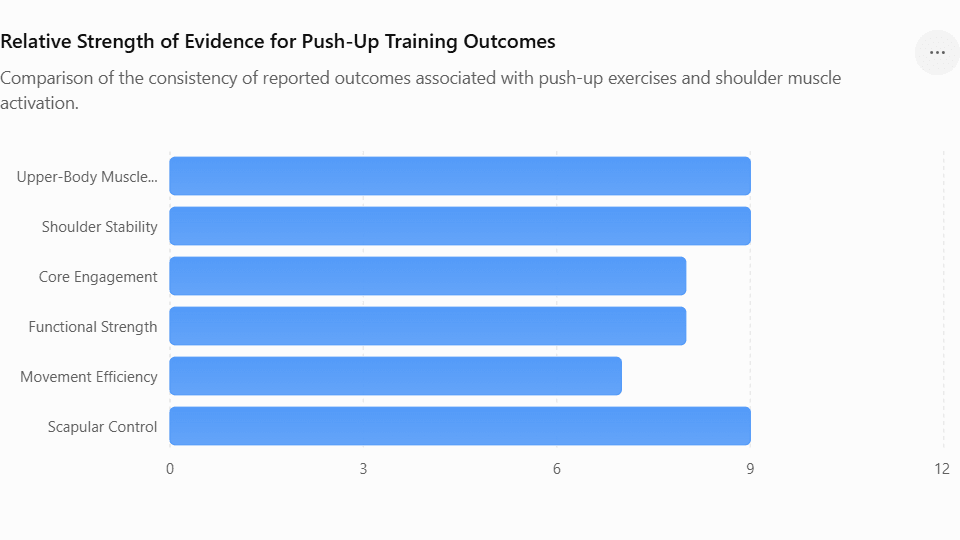
Variações de yoga para flexão.
Depois de dominar o movimento básico, várias variações podem adicionar variedade.
Push yoga do joelho.
Ideal para iniciantes, fortalecendo a força.
Incline Yoga Push Up.
As mãos permanecem elevadas em uma superfície robusta.
Isso reduz a quantidade de peso corporal levantada.
Slow Tempo Yoga Push Up.
Pause por dois ou três segundos durante cada fase.
Isso aumenta o tempo sob tensão.
Push Up de ioga de uma perna.
Levante uma perna durante o cão virado para baixo para desafiar o equilíbrio e a estabilidade do núcleo.
Power Yoga Push Up.
Realizado continuamente como parte de um fluxo de ioga em ritmo acelerado.
Isso aumenta a demanda cardiovascular.
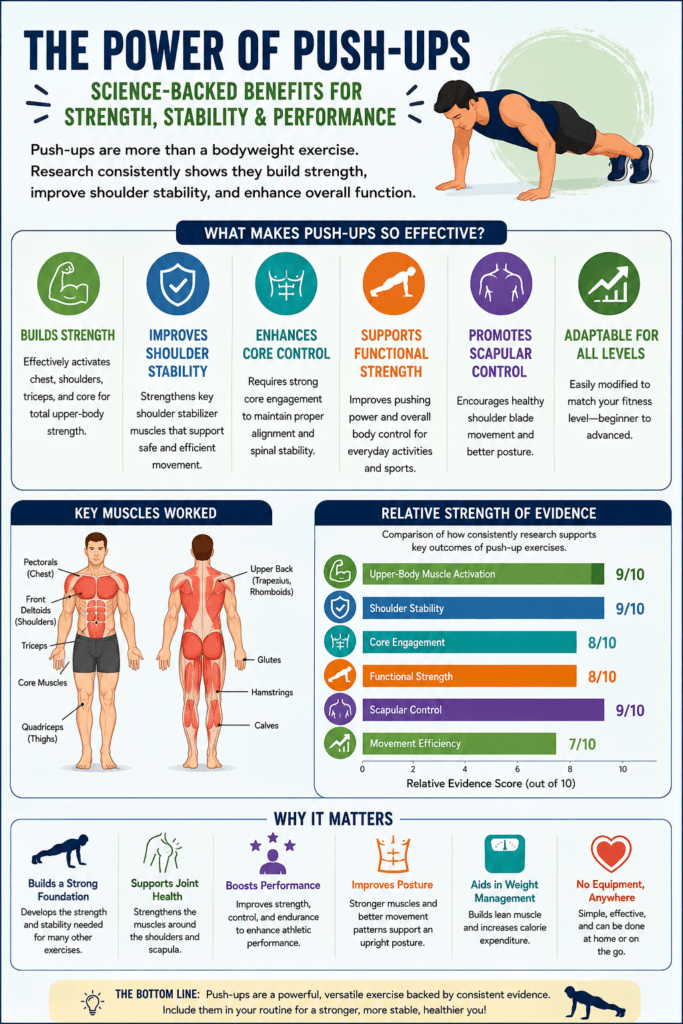
Com que frequência você deve praticar flexões de ioga?
A maioria dos adultos saudáveis pode incluir flexões de ioga em sua rotina de exercícios 2 a 4 vezes por semana, dependendo do seu nível de condicionamento físico e recuperação.
Diretrizes gerais:
- Iniciantes: 2 sessões por semana
- Intermediário: 3 sessões por semana
- Avançado: 3 a 4 sessões por semana
permitir pelo menos um dia de Recuperação entre exercícios intensos da parte superior do corpo para dar tempo aos seus músculos para reparar e fortalecer.
Os iniciantes podem aprender flexões de ioga?
Com certeza.
Quando comecei, concentrei-me em:
- aprendendo a forma adequada
- movendo-se lentamente
- Construindo a força gradualmente
- Priorizando a qualidade sobre a quantidade
Começar com modificações mais fáceis e progredir no seu próprio ritmo geralmente é a abordagem mais segura e eficaz.
Combinando flexões de ioga com outros exercícios.
As flexões de ioga funcionam bem ao lado de exercícios como:
- agachamento de peso corporal
- luvas
- pranchas
- pontes de glúteo
- cães de pássaro
- Alongamentos de vaca-gato
- alpinistas
Juntos, esses movimentos criam uma rotina equilibrada que visa força, mobilidade, estabilidade e resistência.
Quem deve evitar flexões de ioga?
Embora as flexões de ioga sejam um excelente exercício para o peso corporal para muitas pessoas, elas podem não ser apropriadas para todos. Se você tiver uma lesão ou condição médica existente, é importante falar com um profissional de saúde ou fisioterapeuta qualificado antes de adicioná-los à sua rotina.
Pessoas que devem ser cautelosas incluem:
- Indivíduos com lesões no ombro
- pessoas com graves dor no pulso ou síndrome do túnel do carpo
- Qualquer pessoa que se recupere de uma cirurgia no tórax ou na parte superior do corpo
- Pessoas com pressão alta descontrolada (durante exercícios extenuantes)
- Indivíduos com agu dor lombar
- Qualquer pessoa aconselhada a evitar exercícios de suporte de peso
Se sentir dores agudas durante o movimento, pare imediatamente e procure orientação profissional.
Dicas de segurança para flexões de ioga.
Para realizar flexões de ioga com segurança, sempre me concentro na qualidade sobre a quantidade.
Aqui estão algumas dicas de segurança que podem fazer uma grande diferença:
Aquecimento primeiro.
Prepare seus músculos com 5 a 10 minutos de atividade leve e alongamentos dinâmicos antes de começar.
Mantenha a forma adequada.
Evite sacrificar a técnica apenas para completar mais repetições.
Boa forma reduz o estresse no seu:
- ombros
- pulsos
- parte inferior das costas
- cotovelos
Ouça o seu corpo.
A fadiga muscular é normal, mas a dor aguda ou persistente não.
Faça uma pausa, se necessário.
Evite prender a respiração.
A respiração estável ajuda a melhorar a estabilidade e evita tensões desnecessárias.
progredir gradualmente.
Aumente as repetições, séries ou dificuldades somente depois de dominar o movimento básico.
Rotina de aquecimento antes das flexões de ioga.
Um aquecimento adequado prepara suas articulações e músculos para o movimento.
Eu recomendo gastar cerca de 5–10 minutos sobre o seguinte:
Alongamento de vaca-gato.
- 10 repetições
Ajuda a mobilizar a coluna.
Círculos de braço.
- 20 segundos para a frente
- 20 segundos para trás
Aquece os ombros.
Rolinhos de ombro.
- 10 repetições
Melhora a mobilidade do ombro.
círculos de pulso.
- 20 segundos em cada direção
Prepara os pulsos para o suporte de peso.
Segurar prancha alta.
- 20–30 segundos
Ativa o núcleo e os ombros.
cão virado para baixo.
- Segure por 20 a 30 segundos
Alonga suavemente as panturrilhas, os isquiotibiais e os ombros.
rotina de arrefecimento.
Arrefecer após o treino pode ajudar a reduzir o aperto muscular.
Alongamentos simples incluem:
pose da criança.
esperar 30–60 segundos.
Alongamento da Cobra.
esperar 20–30 segundos.
Alongamento da agulha.
Ajuda a liberar a tensão nos ombros e na parte superior das costas.
dobra para a frente.
Alonga os isquiotibiais e a parte inferior das costas.
Alongamento de tóra.
esperar 20–30 segundos em cada lado.
Treino de ioga para iniciantes.
Se você está apenas começando, aqui está uma rotina simples que você pode Siga 2 a 3 vezes por semana.
| exercer | conjuntos | repetições |
|---|---|---|
| prancha alta | 2 | 20–30 seg. |
| Push ups de ioga do joelho | 2 | 6–8 |
| Puxas de ioga padrão | 2 | 5–8 |
| segurar o cachorro para baixo | 2 | 20 seg |
| pose da criança | 2 | 30 seg |
repousar 45–60 segundos entre conjuntos.
Rotina de flexão de ioga intermediário.
Quando você se sentir confortável com o básico, você pode aumentar gradualmente o desafio.
| exercer | conjuntos | repetições |
|---|---|---|
| flexões de ioga | 3 | 10–12 |
| retenção de prancha | 3 | 40 seg |
| prancha lateral | 2 | 30 seg cada lado |
| alongamento cobra | 2 | 30 seg |
| cachorro descendente | 2 | 30 seg |
Rotina avançada de yoga flexão.
Para praticantes experientes, buscando maior resistência e resistência.
| exercer | conjuntos | repetições |
|---|---|---|
| Push Ups Slow Tempo Yoga | 4 | 12–15 |
| Flexões de ioga de uma perna | 3 | 8 de cada lado |
| prancha para cachorro descendente | 3 | 15 |
| Chaturanga segurar | 3 | 20 seg |
| Alongamento para cima do cão | 2 | 30 seg |
Como progredir ao longo do tempo?
O progresso nem sempre significa fazer mais repetições.
Você também pode melhorar por:
- Desacelerando o movimento
- Aumento da amplitude de
- Melhorando a flexibilidade
- Aperfeiçoando sua respiração
- Reduzindo o tempo de descanso
- Adicionando mais conjuntos gradualmente
Melhorias pequenas e consistentes Muitas vezes, levam a melhores resultados a longo prazo.
Mitos comuns sobre flexões de ioga.
Vamos esclarecer alguns equívocos comuns.
Mito 1: as flexões de ioga são fáceis.
fato: Eles exigem força, equilíbrio, flexibilidade e coordenação, tornando-os desafiadores para muitos iniciantes.
Mito 2: Eles só melhoram a flexibilidade.
fato: As flexões de ioga fortalecem o peito, os ombros, o tríceps, o núcleo e as costas, além de melhorar a flexibilidade.
Mito 3: Eles substituem todos os outros exercícios.
fato: Embora sejam eficazes, eles funcionam melhor como parte de uma rotina de exercícios que inclui exercícios de lombar, cardiovascular e mobilidade.
Mito 4: Mais rápido é melhor.
fato: Repetições lentas e controladas melhoram a ativação muscular e reduzem o risco de lesões.
Mito 5: Somente praticantes de ioga podem fazê-los.
fato: Qualquer pessoa com força e mobilidade adequadas pode aprender flexões de ioga por meio de progressão gradual e técnica adequada.
Perguntas frequentes.
1. O que é uma flexão de ioga?
Uma flexão de ioga é um exercício dinâmico de peso corporal que combina uma flexão tradicional com poses de ioga, como prancha, chaturanga, cachorro virado para cima e cachorro virado para baixo.
2. Quais músculos funcionam como flexões de ioga?
As flexões de ioga têm como alvo principalmente o peito, os ombros, o tríceps, o núcleo, as costas, os glúteos e as pernas, além de melhorar a flexibilidade e o equilíbrio.
3. As flexões de ioga são boas para iniciantes?
Sim. Os iniciantes podem começar com versões modificadas, como flexões de ioga no joelho ou flexões de ioga inclinadas, antes de progredir para o movimento completo.
4. As flexões de ioga podem ajudar na perda de peso?
Eles podem contribuir para a perda de peso aumentando a atividade física e a construção muscular, mas funcionam melhor quando combinados com uma dieta equilibrada e exercícios regulares.
5. Quantas flexões de ioga devo fazer?
Iniciantes podem começar com 5–8 repetições para 2–3 séries, aumentando gradualmente à medida que a força e a técnica melhoram.
6. As flexões de ioga são melhores do que as flexões regulares?
Nenhum é universalmente melhor. As flexões de ioga combinam força, flexibilidade e mobilidade, enquanto as flexões tradicionais dão maior ênfase à força de pressão da parte superior do corpo.
7 Posso fazer flexões de ioga todos os dias?
Para a maioria das pessoas, é melhor praticá-las 2 a 4 vezes por semana Para permitir que os músculos e articulações tenham tempo adequado para se recuperar.
8. As flexões de ioga constroem músculos?
Sim. Eles ajudam a fortalecer o tórax, os ombros, o tríceps e o núcleo, especialmente quando realizados de forma consistente com sobrecarga progressiva e nutrição adequada.
Considerações finais.
o ioga flexão é muito mais do que uma variação da flexão tradicional. Ele combina treinamento de força, mobilidade, flexibilidade, equilíbrio e respiração consciente em um movimento que flui, tornando-o uma adição valiosa a muitas rotinas de condicionamento físico.
O que mais aprecio neste exercício é sua versatilidade. Os iniciantes podem começar com modificações simples, enquanto indivíduos mais experientes podem progredir para variações avançadas que desafiam a força e a coordenação. Além de construir o peito, os ombros e os tríceps, as flexões de ioga também incentivam uma melhor postura, maior consciência corporal e flexibilidade aprimorada por meio de sua sequência dinâmica de movimentos.
Como qualquer exercício, o sucesso vem da consistência e da técnica adequada, em vez de apressar as repetições. Concentrar-se no movimento controlado, na respiração constante e na progressão gradual ajudará você a obter os maiores benefícios, reduzindo o risco de lesões.
Se o seu objetivo é melhorar a força funcional, aumentar a flexibilidade, apoiar controle de peso, ou simplesmente adicione variedade aos seus treinos, as flexões de ioga podem ser um exercício eficaz e gratificante quando praticado como parte de um programa de condicionamento físico equilibrado.
+3 de fontes
A Verywelfit possui diretrizes rigorosas para a seleção de suas fontes e se baseia em estudos revisados por pares, institutos de pesquisa educacional e organizações médicas. Evitamos o uso de referências terciárias. Você pode saber mais sobre como garantimos a precisão e a atualização do nosso conteúdo lendo nossa Política de Privacidade. política editorial.
- Análise cinética de exercícios de flexão: uma revisão sistemática com recomendações práticas; https://pubmed.ncbi.nlm.nih.gov/30284496/
- Eletromiografia de estabilizadores escapulares em pessoas sem discinese escapular durante flexões: uma revisão sistemática e meta-análise; https://pubmed.ncbi.nlm.nih.gov/38116582/
- Análise eletromiográfica do trapézio anterior e superior do serrátil do exercício: revisão sistemática e meta-análise; https://pubmed.ncbi.nlm.nih.gov/31584855/