





































 Workout

 Meditation






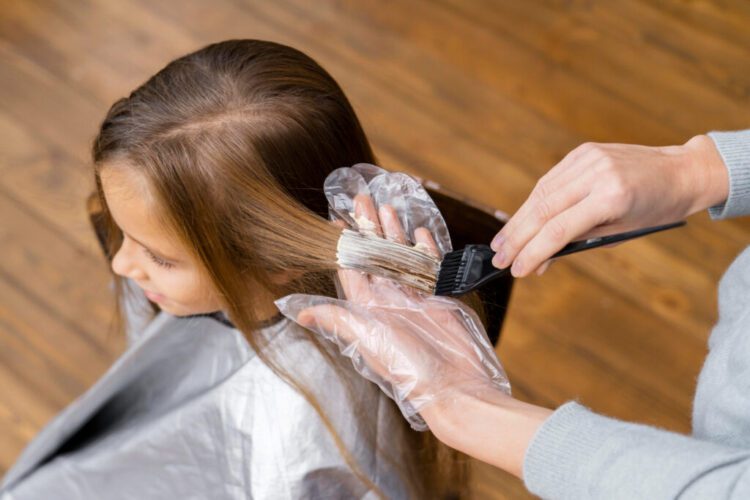
Hair dye has become increasingly popular as a means of expressing individuality and style. People often invest time and money into achieving their desired hair color, but what happens when sweat enters the equation? With the growing interest in fitness and active lifestyles, it is crucial to understand whether sweat affects hair dye.
This introduction aims to explore the impact of sweat on hair dye, considering factors such as the dye’s longevity, color fading, and overall hair health. By delving into this topic, we can better equip ourselves with knowledge to maintain vibrant and long-lasting hair color, even during intense physical activities.
Does Sweat Affect Hair Dye: Find Out The Reality?
Sweat has been a topic of concern for those who regularly dye their hair. The question arises as to whether sweat affects hair dye and if it can cause the color to fade or wash out prematurely.
The reality is that sweat alone does not directly affect the hair dye itself. However, excessive sweating can lead to increased oil production on the scalp, which can then cause the hair dye to fade more quickly.
Related Stories
 Vital Things to Know Before and After Undergoing Botox Brow Lift
 Should You Wash Your Hair After Rain?
Additionally, if sweat is mixed with chlorine from swimming pools or saltwater from the ocean, it can have a bleaching effect on the hair, causing the color to lighten or change.
Therefore, it is important to take precautions such as using a color-safe shampoo, wearing a hat or protective hair accessories, and rinsing the hair thoroughly after sweating to minimize any potential impact on hair dye.

How long does sweat affect hair dye?
The impact of sweat on hair dye largely depends on the type of dye used and the individual’s hair type. Generally, sweat can cause hair dye to fade or wash out more quickly, particularly if the dye has not fully penetrated the hair shaft.
Sweat contains salt and other minerals that can break down the dye molecules, leading to color fading. Additionally, sweating can create a moist environment that may accelerate the fading process.
People with oilier scalps or those who engage in activities that cause excessive sweating may notice a more significant effect on their hair dye. Therefore, to prolong the longevity of hair dye, it is advisable to use high-quality dyes, follow proper hair care routines, and minimize exposure to excessive sweating.
How to Prevent hair dye from fading Due to Sweat?
To prevent hair dye from fading due to sweat, there are a few measures you can take. Firstly, it is recommended to wait at least 48 hours after dyeing your hair before engaging in any strenuous physical activity that may cause excessive sweating. This allows the dye to fully penetrate the hair shaft and set.
Additionally, using a color-protecting shampoo and conditioner specifically formulated for dyed hair can help maintain the vibrancy and longevity of the color. These products are designed to be gentle on the hair and prevent color fading caused by sweat and other environmental factors.
Another helpful tip is to tie your hair up or wear a headband or cap to prevent sweat from directly contacting your hair and causing the color to bleed or fade.
Finally, after exercising or sweating, make sure to rinse your hair with cool water to remove any sweat or salt buildup, and avoid using hot water as it can strip the color. By following these steps, you can help preserve the intensity of your hair dye and extend the life of your vibrant locks.
Frequently Asked Questions.
1 Is sweating from workout really removes the hair dye?
No, sweating from a workout does not remove hair dye.
2 Can I dye my hair even though it is greasy?
Yes, you can dye your hair even if it is greasy. However, it is recommended to wash your hair before dyeing it to ensure better and more even results.
3 Can I workout after getting my hair dyed?
Yes, you can workout after getting your hair dyed. Just make sure to wait at least 24-48 hours after dyeing your hair before sweating excessively or washing it to allow the color to fully set.
4 Does sweat affect bleached hair?
Yes, sweat can potentially affect bleached hair as it contains salt and other minerals that can cause the hair to become dull, dry, and prone to breakage. Additionally, sweating excessively can lead to the color fading faster. It is important to rinse and wash your hair thoroughly after sweating to minimize any negative effects.
5 Does sweat affect hair dye blonde?
Yes, sweat can potentially affect blonde hair dye. Sweat contains salt and oils that can strip color from the hair, causing the blonde dye to fade or become brassy over time.
6 Does sweat affect hair dye black hair?
No, sweat does not affect black hair dye.
7 How to stop hair dye from bleeding when sweating?
To stop hair dye from bleeding when sweating, you can try using a color-sealing shampoo or conditioner specifically made for colored hair. Additionally, wearing a shower cap or tying your hair up during workouts can help minimize sweat exposure.
Bottom Line.
It can be said that sweat does have the potential to affect hair dye, especially if it is excessive or if the dye has not properly set. Sweat contains salt and other minerals that can cause the hair dye to fade or wash out prematurely. Additionally, the pH level of sweat can alter the chemical composition of the dye, leading to color distortion or unevenness.
To minimize the impact of sweat on hair dye, it is advisable to follow the recommended aftercare instructions provided by the dye manufacturer, such as avoiding excessive sweating and using color-preserving products. Additionally, protecting the hair from excessive exposure to sweat by wearing a hat or using a sweatband during physical activities can help maintain the longevity of the hair dye.