











































 Workout

 Meditation






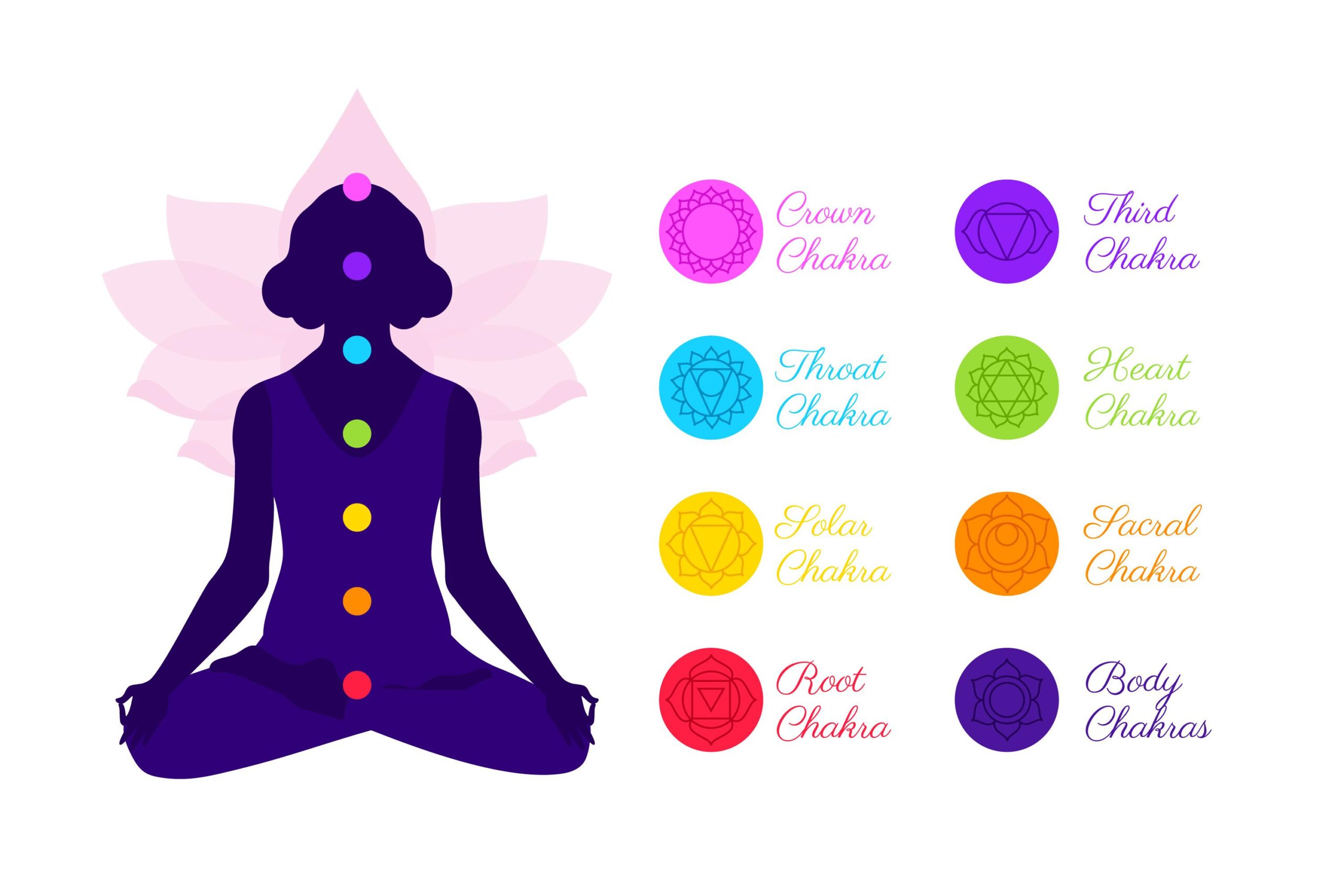
In a world where stress and chaos often dominate our lives, finding inner peace and balance is paramount. One ancient practice that has gained widespread attention for its ability to enhance well-being and facilitate manifestation is working with the body’s energy centers, known as chakras. In this comprehensive guide, we will delve into the fascinating realm of chakras, exploring their significance, benefits, types, how to work with them, and important precautions to consider along the way.
Understanding the Power of Chakras.
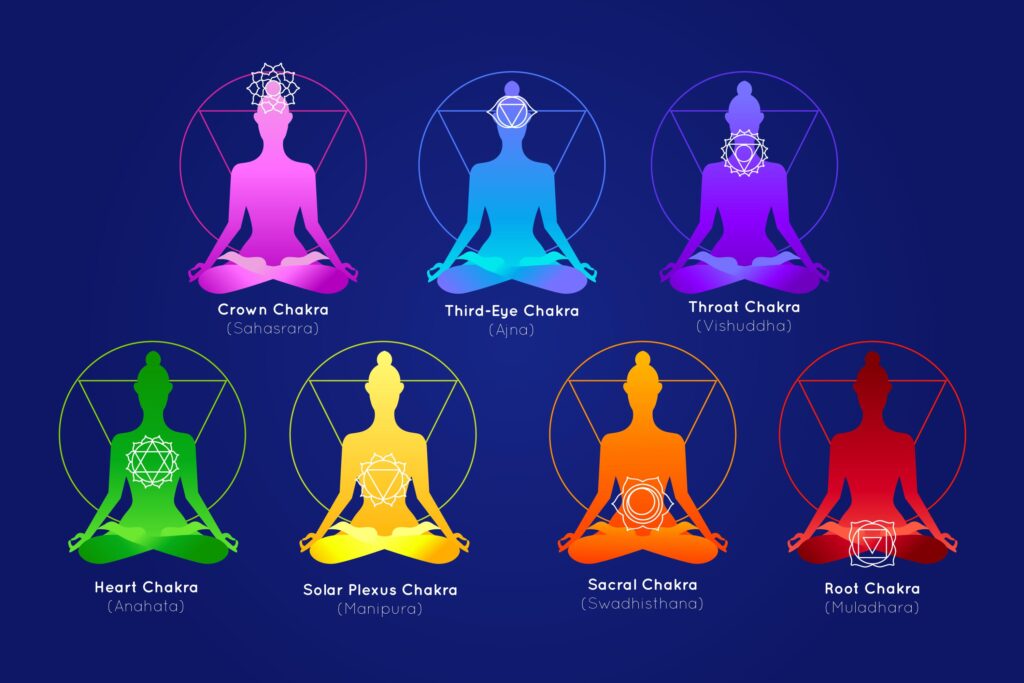
Chakras, originating from the Sanskrit word for “wheel” or “disk,” refer to the seven energy centers located along the spine, each corresponding to different aspects of our physical, emotional, and spiritual well-being. These energy centers are believed to be interconnected and vital for maintaining harmony within the body and mind. When these chakras are balanced and aligned, energy flows freely, leading to a sense of vitality and abundance.
The Seven Chakras.
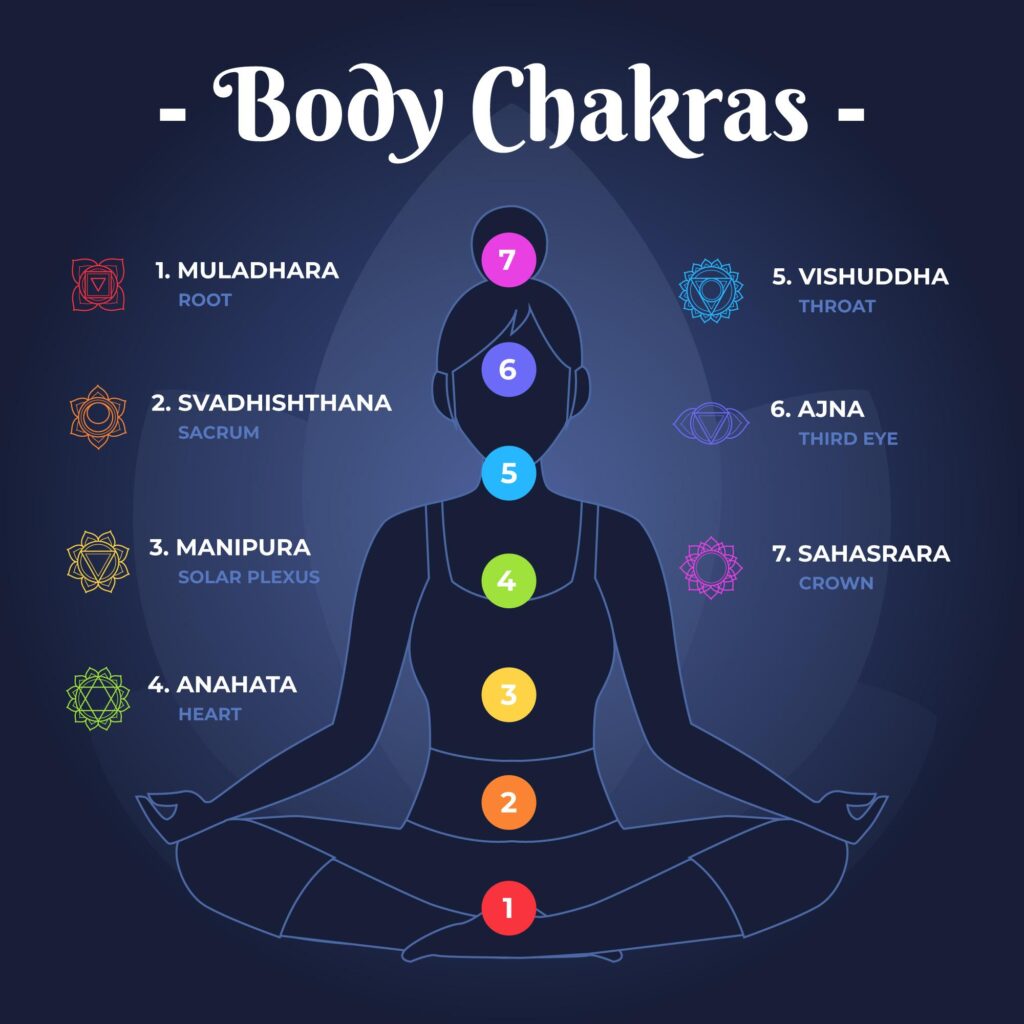
1 Root Chakra (Muladhara): Located at the base of the spine, the root chakra governs feelings of safety, security, and stability.
2 Sacral Chakra (Svadhisthana): Situated in the lower abdomen, the sacral chakra influences creativity, passion, and pleasure.
Related Stories
 Mudras for Clearing Mucus from Your Lungs Naturally
 What is Viniyoga: Benefits And How To Do
3 Solar Plexus Chakra (Manipura): Found in the upper abdomen, the solar plexus chakra is associated with personal power, confidence, and self-esteem.
4 Heart Chakra (Anahata): Positioned in the center of the chest, the heart chakra governs love, compassion, and emotional balance.
5 Throat Chakra (Vishuddha): Located in the throat region, the throat chakra influences communication, self-expression, and authenticity.
6 Third Eye Chakra (Ajna): Situated between the eyebrows, the third eye chakra is linked to intuition, insight, and spiritual awareness.
7 Crown Chakra (Sahasrara): Positioned at the top of the head, the crown chakra connects us to the divine, higher consciousness, and enlightenment.
Benefits of Chakra Work.
Working with chakras can yield a multitude of benefits for both physical and emotional well-being. Some of the key advantages include:
- Enhanced energy flow and vitality
- Improved emotional stability and resilience
- Heightened creativity and intuition
- Strengthened sense of self-worth and empowerment
- Greater clarity of thought and mental focus
- Deeper spiritual connection and alignment
- Accelerated manifestation of goals and desires
How to Work with Chakras?
There are various techniques for balancing and activating the chakras, ranging from meditation and visualization to yoga and energy healing practices. Here’s a simple step-by-step guide to get you started:
1 Meditation: Find a quiet space, sit comfortably, and focus on each chakra sequentially, visualizing them as vibrant spinning wheels of light. Envision each chakra glowing brightly and harmoniously.
2 Breathwork: Practice deep breathing exercises to cleanse and energize the chakras. Inhale deeply, imagining the breath flowing into the specific chakra, and exhale any tension or negativity associated with it.
3 Yoga Poses: Engage in yoga postures that target specific chakras. For example, forward bends like Uttanasana can stimulate the root chakra, while heart-opening poses like Bhujangasana can activate the heart chakra.
4 Affirmations: Repeat positive affirmations that resonate with each chakra’s qualities. For instance, affirmations like “I am safe and secure” for the root chakra or “I speak my truth with clarity and confidence” for the throat chakra.
5 Crystals and Gemstones: Utilize crystals and gemstones associated with each chakra to amplify and balance their energy. Examples include red jasper for the root chakra, citrine for the solar plexus chakra, and amethyst for the crown chakra.
Precautions When Working with Chakras.
While working with chakras can be profoundly transformative, it’s essential to approach the practice with mindfulness and caution. Here are some important precautions to consider:
– Listen to Your Body: Pay attention to any sensations or emotions that arise during chakra work. If you experience discomfort or distress, honor your body’s signals and adjust your practice accordingly.
– Seek Guidance if Needed: If you’re new to chakra work or have specific health concerns, consider consulting a qualified energy healer, yoga instructor, or holistic practitioner for personalized guidance and support.
– Maintain Balance: Avoid becoming overly fixated on a single chakra or neglecting other areas of your life. Aim for balance and integration across all energy centers to foster holistic well-being.
– Stay Grounded: Incorporate grounding practices such as spending time in nature, eating nourishing foods, and engaging in physical activity to anchor yourself amidst energetic shifts.
Scientific Evidence on Chakras and Manifestation.
While the concept of chakras may be rooted in ancient wisdom and spiritual traditions, modern science is beginning to explore their physiological and psychological correlates. Studies have shown that practices such as meditation, which focus on activating and balancing the chakras, can lead to measurable improvements in stress reduction, emotional regulation, and overall well-being.
Frequently Asked Questions.
1 Can anyone work with chakras, or is it reserved for spiritual practitioners?
Chakra work is accessible to everyone, regardless of spiritual background or experience. With an open mind and willingness to explore, anyone can benefit from aligning and balancing their energy centers.
2 How long does it take to see results from chakra work?
The timeline for experiencing results from chakra work varies for each individual. Some may notice immediate shifts in their energy and perspective, while others may require more time and consistency in their practice.
3 Are there any risks associated with chakra work?
When approached mindfully and respectfully, chakra work is generally safe and beneficial. However, it’s essential to honor your body’s limits and seek professional guidance if you have any underlying health conditions or concerns.
Bottom Line.
The journey of exploring and working with chakras is a profound and transformative endeavor that holds the potential to enhance every aspect of our lives. By cultivating awareness, intention, and a deeper connection to our innermost selves, we can tap into the infinite power of the chakra system to manifest our desires and live with greater vitality, joy, and purpose. May this guide serve as a beacon of inspiration and guidance on your path to chakra exploration and manifestation mastery.