









































 Workout

 Meditation






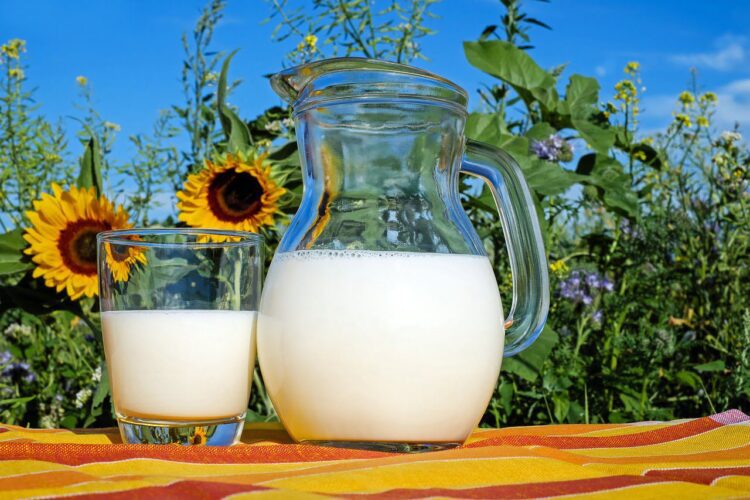
Milk is a rich natural source of essential nutrients like proteins, vitamins and minerals. While many people opt for skim milk believing it to be healthier. Recent research indicates that even full-fat milk may not pose a risk to health. The Dietary Guidelines recommend people choose skim or low-fat milk instead of whole milk.
Three Main Types of Milk According to Its Fat Content.
- Whole milk with 3.25% fat.
- Low fat milk with 1% fat.
- Skim or fat free milk with 0% fat.
Types of Cow’s Milk and Their Nutritional Information.
Following are the details of nutrients per 250 gram glass of different types of milk.(1)
| Nutrients | Whole Milk | Low fat Milk | Skim Milk |
| Calories | 152 | 106 | 83.6 |
| proteins | 8.14g | 8.32g | 8.44g |
| fat | 7.97g | 2.34g | 0.19g |
| Carbohydrates | 11.5g | 12.7g | 12.1g |
| Saturated fat | 4.63g | 1.4g | 0.12g |
| calcium | 306 mg | 310 mg | 325 mg |
| Vitamin D | 2.39 mcg | 2.61 mcg | 2.71 mcg |
| Vitamin A | 79.7 mcg | 143 mcg | 157 mcg |
| iodine | 94.4 mcg | 89.1 mcg | 87.8 mcg |
The fat present in milk helps our body to absorb fat-soluble vitamins like A, E and D. When the addition of fat-soluble vitamins to milk is included, it helps to break down the fat content and at the same time boosts these nutrients.
A 2019 study suggests that omega-3 fatty acids naturally present in small amounts in milk. The reason given for this due to the type of animal feed they are fed, cows are unable to convert them into omega-3 fatty acids.
Related Stories
 Taco Bell Nutrition Calculator – Calculate Calories Before You Order
 Algae: the New Eco-sustainable Vegetable Protein for Your Muscles
Which Type of Milk is Healthy for Health?
According to experts people generally choose fat-free or low-fat milk instead of whole milk. This approach is intended to help keep a person’s saturated fat intake below 10% of calories per day and reduce their risk of chronic diseases.
Different types of milk from the table above have similar non-fat nutritional profiles. Because manufacturers add vitamin A and vitamin D to milk.
So people who consume low or non-fat versions of milk usually don’t miss out on these nutrients. People who want to keep or maintain their weight in a moderate range, opting for skim or low-fat milk can be a wise choice as they contain lesser amount of calories.
Health Benefits and Essential Nutrients of Milk.
Milk is a source of various essential nutrients which includes:
- Protein, Fat and Carbohydrate.
- Minerals including calcium, magnesium, zinc, potassium, phosphorus, iodine and selenium.
- Vitamin A, B6, B12, D and Vitamin K.
One cup of skim milk provides 325 mg of calcium. Which meets the 1,000 milligrams of calcium, about one-third of an adult’s requirement. Milk protein casein and buttermilk has a series of high concentration amino acids which play an important role in the muscle synthesis of our body. Milk contains polysaturated fatty acids which protects the body from inflammation and heart disease.
Additional Health Benefits.
Supports Strong Bones and Teeth.
Milk is rich in calcium, phosphorus, and vitamin D, which work together to improve bone density, reduce the risk of osteoporosis, and support healthy teeth.(2)
Aids Muscle Growth and Repair.
Milk contains high-quality proteins like casein and whey, along with essential amino acids, which help in muscle synthesis, recovery, and maintenance—especially beneficial after exercise.
Promotes Heart Health.
The potassium in milk helps regulate blood pressure, while its polyunsaturated fatty acids support heart health by reducing inflammation and improving cholesterol balance.(3)

Supports Healthy Weight Management.
The protein and fat content in milk increases satiety, helping control appetite and reduce unnecessary calorie intake.
Boosts Immunity.
Vitamins A, B12, and zinc found in milk support immune function and help the body fight infections.
Improves Digestive Health.
Milk provides important nutrients that support gut health, and fermented milk products like buttermilk further enhance digestion through beneficial bacteria.
Supports Metabolic Health.
Magnesium and vitamin B6 in milk play a role in energy metabolism, nerve function, and maintaining healthy blood sugar levels.
Side Effects.
One of the common concerns about milk is the amount of fat found in whole milk. In today’s lifestyle currently it is advised people to consume low fat or skim milk instead of whole milk. However, according to a 2018 research, it is a type of lipid hypothesis that increases the risk of heart disease to a great extent due to a diet high in saturated fat and increasing cholesterol within the body.
Another potential side effects of consuming milk is lactose intolerance. According to health experts, lactose intolerance is most common in some of the following groups of people:
- Asian American.
- African Americans.
- Mexican American.
- Native Americans.
Lactose intolerance people are unable to digest lactose, a type of sugar found in milk. As a result, this condition may cause bloating, gas or diarrhea. Individuals with lactose intolerance can consume lactose-free dairy or plant-based milks such as oat or almond milk.
However, dietary guidelines recommend that infants under 12 months of age should not consume cow’s milk to replace human milk or infant formula. Yes they can drink whole milk from 1 year onwards.
Bottom Line.
Milk is a nutrient rich food that provides a suitable source of protein, vitamins and minerals. Although current lifestyle advises people to choose skimmed or low-fat milk, recent research indicates that whole milk does not increase the risk of heart disease. Controversy continues about the contribution of a diet high in saturated fat and cholesterol to heart disease.
Without conclusive evidence, choosing one type of milk according to one’s weight, body composition goals and current health status and risks may be a sensible approach. People managing their weight or at risk for chronic diseases may want to limit their saturated fat intake. Along with this, you can consume more whole foods and plant-based foods. They should also combine this approach with regular physical activity.
+3 Sources
Verywelfit has strict sourcing guidelines and relies on peer-reviewed studies, educational research institutes, and medical organizations. We avoid using tertiary references. You can learn more about how we ensure our content is accurate and up-to-date by reading our editorial policy.
- Milk, nonfat, fluid, with added vitamin A and vitamin D (fat free or skim); https://fdc.nal.usda.gov/fdc-app.html#/food-details/746776/nutrients
- Milk and Dairy Products and Their Nutritional Contribution to the Average Polish Diet; https://pmc.ncbi.nlm.nih.gov/articles/PMC6723869/
- Milk and dairy products: good or bad for human health? An assessment of the totality of scientific evidence; https://pmc.ncbi.nlm.nih.gov/articles/PMC5122229/