






 Dar certo

 Meditação





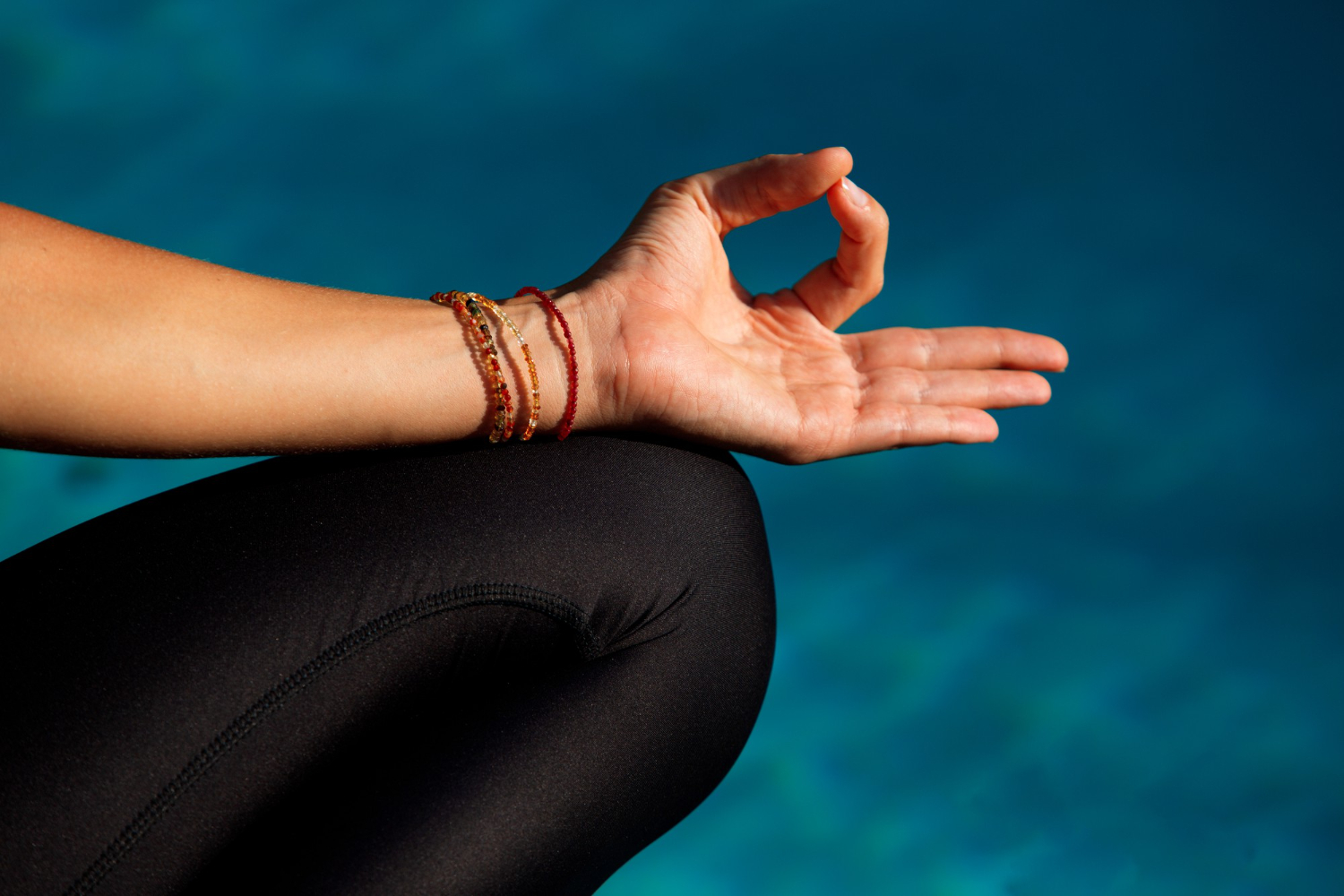
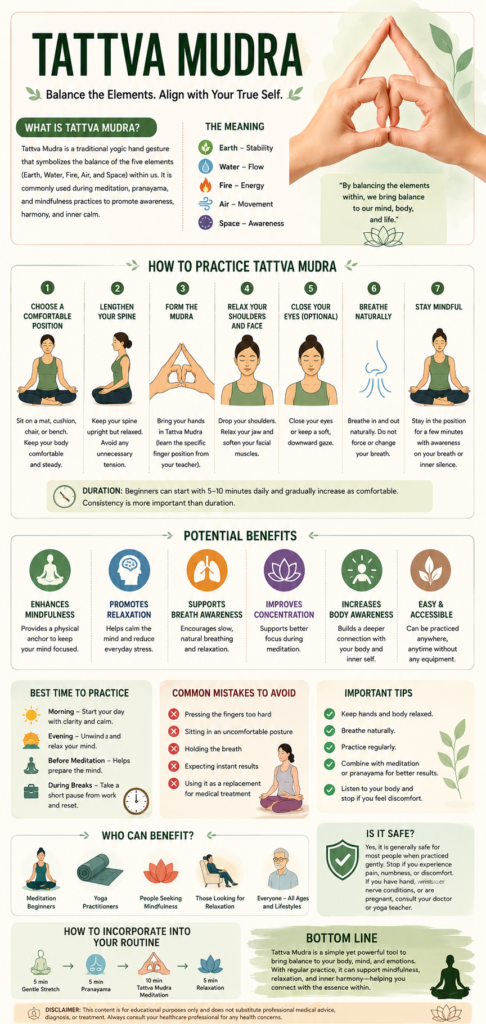
Tattva Mudra é um gesto de mão usado em práticas tradicionais de ioga e meditação. A palavra em sânscrito tattva É comumente traduzido como “princípio”, “elemento” ou “realidade fundamental”, enquanto mudra Refere-se a um gesto ou selo simbólico da mão.
Quando me deparei com o Tattva Mudra, o que me chamou a atenção foi o quão simples a técnica física apareceu. Não há postura complicada, equipamento ou movimento extenuante envolvidos. A prática envolve principalmente posicionar os dedos de uma maneira particular, mantendo uma postura confortável e direcionando a atenção para a respiração ou meditação.
Como muitos mudras tradicionais, o tattva O mudra está associado a conceitos filosóficos que envolvem o equilíbrio, consciência e a relação entre o indivíduo e os elementos. No entanto, é importante distinguir as interpretações tradicionais de yogue das afirmações científicas modernas.
Há uma pesquisa clínica limitada de alta qualidade, investigando especificamente o Tattva mudra. Portanto, afirma que o gesto pode curar a doença, “desintoxicar” o corpo, equilibrar órgãos específicos ou produzir alterações fisiológicas garantidas, devem ser tratadas com cautela.
Histórias relacionadas
 7 mudras para o crescimento e espessura do cabelo que você deve experimentar hoje
 Arco voltado para cima: significado, benefícios, etapas, contra-indicações e variações
Uma maneira mais consciente das evidências de abordar o Tattva Mudra é como uma prática de atenção plena ou meditação que pode complementar um rotina de ioga.
O significado por trás do Tattva Mudra.
O conceito de Tattva tem uma longa história nas tradições filosóficas indianas.
Em vários sistemas yogues e filosóficos, o mundo físico é discutido por meio da estrutura de elementos ou princípios fundamentais. Estas são frequentemente descritas como:
- terra
- irrigar
- incendiar
- ar
- espaço
Diferentes tradições de ioga interpretam mudras de forma diferente, e não há uma explicação universalmente aceita para cada mudra.

O Tattva mudra é, portanto, melhor entendido dentro da tradição particular do yoga em que é ensinada, em vez de assumir que toda explicação moderna representa uma antiga regra universal.
O propósito simbólico geralmente está relacionado com a consciência, o equilíbrio e a contemplação.
Tattva mudra vs outros mudras.
Uma razão pela qual as pessoas ficam confusas sobre o Tattva Mudra é que vários gestos com as mãos têm nomes semelhantes e posições de dedo.
Alguns mudras comumente discutidos incluem:
- Gyan Mudra
- queixo mudra
- Prana Mudra
- Apana mudra
- vayu mudra
- Pritvi Mudra
- Surya Mudra
Cada um tem sua descrição tradicional.
O Tattva mudra também pode ser descrito de forma diferente dependendo da linhagem, professor ou escola de ioga.
Por esse motivo, se você está aprendendo com um professor em particular, vale a pena seguir as instruções do professor em vez de misturar várias versões.
Como executar o tattva mudra?
Como existem variações, aprenda o arranjo específico do dedo de um Professor de ioga se sua prática segue uma linhagem particular.
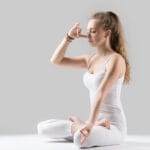
Para uma versão comumente ensinada, comece sentando-se confortavelmente e trazendo as mãos para a posição prescrita do dedo, mantendo os dedos restantes relaxados.
Uma prática básica pode ser abordada da seguinte forma:
Passo 1: Escolha uma posição confortável.
Sente-se:
- um tapete de ioga
- uma almofada
- um banco de meditação
- uma cadeira
Você não precisa sentar-se de pernas cruzadas se essa posição for desconfortável.
Passo 2: alongue a coluna.
Permita que sua coluna permaneça confortavelmente ereta.
Evite criar tensão desnecessária tentando sentar-se rigidamente.
Passo 3: Posicione as mãos.
Forme o Tattva Mudra de acordo com a versão ensinada pelo seu instrutor de ioga.
Mantenha as mãos relaxadas em vez de pressionar os dedos com força.
Passo 4: Relaxe os ombros.
Solte os ombros das orelhas.
Relaxe a mandíbula e os músculos faciais.
Passo 5: Feche os olhos se estiver confortável.
Você pode fechar os olhos ou manter um olhar suave.
Passo 6: Respire naturalmente.
Não force sua respiração.
Basta notar o ritmo de sua inspiração e expiração.
Passo 7: Pratique atentamente.
Fique na posição por vários minutos, mantendo a atenção em sua respiração ou foco de meditação.
Por quanto tempo você deve praticar o tattva mudra?
Não existe uma duração ideal cientificamente estabelecida especificamente para o Tattva mudra.
Se você é novo na prática, 5 a 10 minutos é um ponto de partida razoável.
Você pode aumentar gradualmente a duração se sentir confortável.
Alguns praticantes incorporam mudras em sessões de meditação mais longas.
O importante é a consistência, em vez de se forçar a permanecer na posição por um período muito longo.
Benefícios potenciais do Tattva mudra.
É aqui que é particularmente importante separar as alegações tradicionais das evidências científicas.
Não há pesquisas suficientes para dizer que o próprio Tattva Mudra trata ou previne uma doença específica.
Porém, incorporando uma Mudra em meditação pode oferecer benefícios indiretos Através da prática mais ampla de relaxamento e atenção plena.
1. Incentiva a atenção plena.
Manter uma posição específica da mão oferece um ponto de foco físico.(1)
Em vez de permitir que a atenção vagueie continuamente, você pode notar:
- seus dedos
- sua respiração
- sua postura
- seus pensamentos
- suas sensações físicas
Isso pode tornar a meditação mais fácil para alguns iniciantes.
2. Suporta relaxamento.
Uma sessão de meditação silenciosa pode ajudar a criar uma sensação de calma.
O potencial relaxamento benefício Deve ser atribuído à prática geral, em vez de assumir que o gesto com a mão por si só tem um efeito médico único.
3. Promove a consciência corporal.
Mudras exigem que você preste atenção às suas mãos e postura.
Essa consciência pode se tornar parte de uma prática mais ampla do corpo mente.
4. Pode complementar o yoga.
O Tattva Mudra requer muito pouco esforço físico, facilitando a incorporação em:
- Meditação
- pranayama
- ioga restauradora
- Yoga suave
- Yoga Nidra preparação
5. Não requer equipamento.
uma coisa que eu particularmente aprecio sobre Mudras é sua praticidade.
Você pode praticar um gesto com as mãos sentado em quase qualquer lugar.
Você não precisa:
- pesos
- máquinas
- roupas especiais
- uma grande sala
Tattva mudra e meditação.
A meditação é provavelmente uma das mais Configurações naturais para praticar o tattva mudra.
Em vez de tratar o mudra como uma intervenção médica independente, pense nisso como um âncora para atenção.
Por exemplo:
- Sente-se confortavelmente.
- Coloque as mãos no mudra.
- Feche os olhos.
- Faça várias respirações naturais.
- Observe a sensação de respiração.
- Quando sua mente vaguear, volte gentilmente sua atenção para a respiração e as mãos.
Você não precisa eliminar os pensamentos.
A meditação geralmente é desenvolver a consciência, em vez de forçar a mente a ficar completamente vazia.
Tattva mudra e pranayama.
Alguns praticantes combinam mudras com exercícios de respiração.
Se você optar por fazer isso, comece com a respiração natural em vez de tentar imediatamente o pranayama avançado.
Uma rotina simples pode incluir:
2 minutos: Respiração confortável
5 minutos: Tattva mudra com consciência da respiração
2 minutos: Sentado quieto
Se sentir tonturas ou desconforto durante os exercícios respiratórios, pare e retorne à respiração normal.
Qual é o melhor momento para praticar?
Não existe um “melhor” tempo comprovado cientificamente especificamente para o Tattva mudra.
Escolha um horário em que você possa praticar de forma consistente.
manhã.
A prática da manhã pode proporcionar uma transição silenciosa para o dia.
noite.
Uma sessão noturna pode Encaixe-se naturalmente em uma rotina de relaxamento.
Antes da meditação.
Você pode usar o Tattva Mudra como uma sugestão física que informa à sua mente que é hora de se estabelecer.
durante uma pausa de trabalho.
Se você passar longas horas Em uma mesa, uma pequena pausa para meditar pode ser uma oportunidade de se afastar do trabalho.
Lembre-se de que sentar-se continuamente por longos períodos não é o ideal simplesmente porque você está praticando um mudra. Levante-se e Mova-se regularmente também.
Tattva mudra para iniciantes.
Se você é completamente novo no Mudras, não complique demais a prática.
Comece com:
- uma cadeira ou almofada confortável
- Ombros relaxados
- Respiração natural
- uma curta duração de prática
- distrações mínimas
Seu primeiro objetivo não é alcançar uma sensação mística particular.
Em vez disso, concentre-se em se familiarizar com a posição das mãos e desenvolver um hábito de meditação consistente.
erros comuns.
Erro 1: pressionar os dedos com muita força.
Um mudra não precisa causar desconforto.
Mantenha as mãos relaxadas.
Erro 2: sentar-se desconfortavelmente.
Você não precisa sentar com as pernas cruzadas.
Uma cadeira é perfeitamente aceitável se permitir que você mantenha uma postura confortável.
Erro 3: prendendo a respiração.
A menos que você esteja praticando intencionalmente uma técnica de respiração específica sob instruções apropriadas, respire naturalmente.
Erro 4: Esperando resultados imediatos.
meditação e Práticas de Não são necessariamente sobre mudanças físicas instantâneas.
Dê a si mesmo tempo para desenvolver consistência.
Erro 5: tratando as reivindicações tradicionais como fatos médicos.
Isso é especialmente importante.
Alega que o Tattva mudra pode curar diabetes, hipertensão, distúrbios digestivos, doenças da tireoide, transtornos de ansiedade ou outras condições médicas não são suportadas por evidências clínicas suficientes.
Use-o como uma prática complementar de bem-estar, não como um substituto para o atendimento médico.
O Tattva Mudra é seguro?
Para a maioria das pessoas saudáveis, é improvável que um gesto suave praticado com as mãos seja confortável para criar um estresse físico significativo.
No entanto, algumas pessoas podem Experiência de mão ou pulso Desconforto se eles mantiverem uma posição por muito tempo.
Modifique ou pare se você tiver:
- dor
- dormência
- formigamento
- grampo
- rigidez significativa
Pessoas com condições de mão, pulso ou nervos podem querer orientação individualizada de um profissional de saúde ou instrutor de ioga qualificado.
Tattva mudra durante a gravidez.
A gravidez não é automaticamente significa que todos os mudras não são seguros.
Entretanto, A gravidez é uma época em que o yoga E as práticas de respiração devem ser adaptadas ao estágio de gravidez e saúde do indivíduo.
Se você estiver grávida, principalmente se tiver complicações na gravidez, fale com seu profissional de saúde obstétrico antes de iniciar um novo programa de ioga ou meditação.
O gesto com as mãos geralmente é menos exigente fisicamente do que o esforço poses de ioga, mas a prática mais ampla ainda pode precisar de modificação.
Tattva mudra e bem-estar mental.
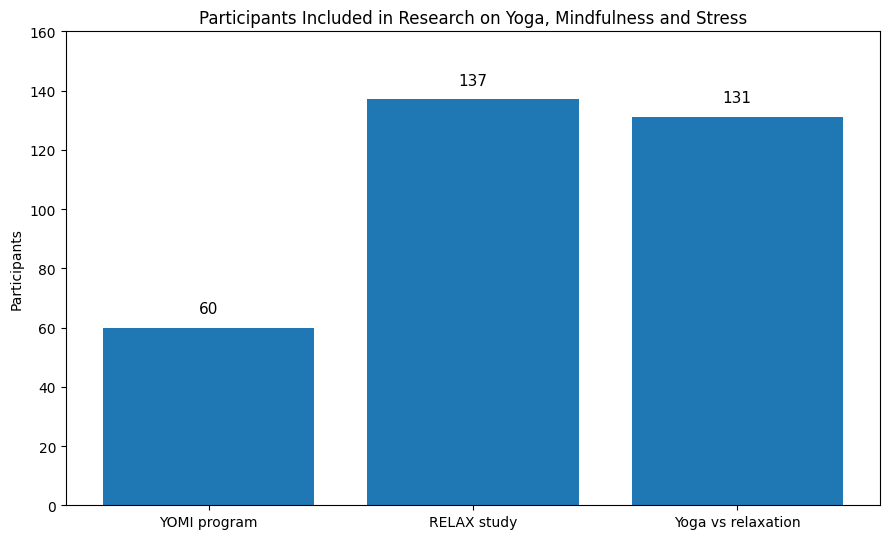
A meditação e a ioga são cada vez mais estudadas por seus efeitos potenciais no bem-estar psicológico.(2)
No entanto, devemos evitar afirmar que um mudra em particular trata a depressão, ansiedade ou outro transtorno de saúde mental.(3)
Se você está enfrentando ansiedade persistente, depressão, ataques de pânico ou outros sintomas de saúde mental, procure um cuidado profissional adequado.
O Tattva mudra pode potencialmente ser incluído como uma prática de relaxamento ou atenção plena ao lado de – não em vez de – tratamento profissional.
Uma prática de mudra de tattva de 10 minutos.
Aqui está uma rotina simples para iniciantes.
Minuto 1–2: Resolver.
Sente-se confortavelmente e permita que sua respiração se torne natural.
Minuto 3–4: Estabeleça o mudra.
Posicione suas mãos de acordo com a versão do Tattva Mudra que você está praticando.
Minuto 5–8: Meditação.
Concentre-se suavemente na sua respiração.
Quando sua atenção vaguear, volte para o seu fôlego.
Minuto 9–10: Acabamento.
Solte a posição da mão.
Respire algumas vezes e abra lentamente os olhos.
Não há necessidade de se apressar imediatamente em outra atividade.
Você pode praticar o tattva mudra todos os dias?
Se a posição for confortável, a prática diária pode ser uma maneira razoável de estabelecer consistência.
Você pode começar com cinco minutos por dia.
A chave não é quantos dias você pode se forçar a praticar por muito tempo, mas se o A prática de ajustes naturalmente em seu estilo de vida.
Por exemplo:
Segunda a sexta: 5–10 minutos
Fim de semana: Meditação mais longa, se desejado
Não há necessidade de praticar por uma hora.
Combinando tattva mudra com outras práticas de ioga.
O tattva mudra pode ser incorporado em uma rotina mais ampla.
Por exemplo:
5 minutos: Mobilidade suave
5 minutos: pranayama
10 minutos: Meditação sentada com Tattva Mudra
5 minutos: relaxamento
Isso lhe dá uma prática curta de mente-corpo de 25 minutos sem exigir um treino físico intenso.
Quem pode se beneficiar da prática do Tattva Mudra?
Por ser simples e requer pouco esforço físico, pode apelar para:
- Iniciantes da meditação
- praticantes de ioga
- Pessoas interessadas em atenção plena
- Indivíduos que procuram uma prática de relaxamento tranquilo
- Pessoas que preferem atividades de bem-estar de baixo impacto
Mas “pode ser o benefício” não deve ser confundido com “medicamentos”.”
A evidência mais forte é para práticas mais amplas, como atenção plena, meditação e atividade física – não especificamente para o Tattva mudra.
O que a ciência diz sobre os mudras?
Os mudras têm uma longa história tradicional, mas a pesquisa científica moderna testando especificamente mudras individuais permanece limitada.
Alguns estudos investigam ioga, meditação, pranayama ou intervenções mais amplas sobre o corpo. Essas descobertas podem fornecer um contexto útil, mas não devem ser atribuídas automaticamente ao Tattva mudra.
Por exemplo, se um ensaio clínico constatar que um Programa de ioga melhora Um resultado particular, isso não significa que um gesto com a mão desse programa produziu o resultado.
Essa distinção ajuda a manter o conteúdo de saúde preciso.
Tattva Mudra vs Gyan Mudra.
Ambos são comumente usados durante a meditação, mas não devem ser tratados como intercambiáveis.
Gyyan mudra é tradicionalmente associado à conexão do polegar e do dedo indicador.
O Tattva Mudra pode ser ensinado usando diferentes configurações de dedo, dependendo da tradição.
Se você não tiver certeza de qual versão está aprendendo, peça ao seu instrutor para demonstrá-la.
Perguntas frequentes.
1. O que é Tattva Mudra?
O Tattva Mudra é um gesto tradicional de yogue usado em algumas práticas de ioga e meditação. O termo está associado a conceitos como princípios, elementos ou realidade fundamental.
2. Quais são os benefícios de praticar o Tattva Mudra?
Os benefícios potenciais são considerados melhor no contexto da meditação e da atenção plena. Pode ajudar a fornecer um foco físico para a atenção e apoiar uma prática calmante, mas não há evidências suficientes para afirmar que o próprio Tattva Mudra trata de condições médicas específicas.
3. Por quanto tempo devo praticar o tattva mudra?
Os iniciantes podem começar com aproximadamente 5 a 10 minutos e aumentar gradualmente a duração, se confortável. Não existe uma duração ideal cientificamente estabelecida especificamente para este mudra.
4. Posso praticar o tattva mudra todos os dias?
Sim, se a posição da mão for confortável. Uma prática diária curta pode ser mais fácil de manter do que sessões ocasionais de longa duração.
5. O tattva mudra pode curar doenças?
Não há evidências clínicas suficientes para apoiar as alegações de que o tattva mudra cura doenças. Deve ser visto como uma prática complementar de ioga ou meditação, em vez de tratamento médico.
6. Posso praticar sentado em uma cadeira?
Sim. Você não precisa sentar com as pernas cruzadas. Escolha uma posição que permita que você permaneça confortável e relaxado.
7 Posso combinar o tattva mudra com a meditação?
Sim. A meditação é um dos contextos mais naturais para incorporar um mudra.
Considerações finais.
O Tattva Mudra é um gesto tradicional simples das mãos que pode ser incorporado à meditação, exercícios respiratórios e Práticas suaves de.
Seu maior valor prático pode vir de ajudar a criar um ritual consistente em torno da atenção plena e atenção focada.
Ao mesmo tempo, é importante permanecer realista sobre o que sabemos.
A literatura tradicional de ioga pode associar mudras a conceitos enérgicos, elementares ou espirituais, mas as evidências clínicas modernas examinando especificamente o Tattva mudra são limitadas. Afirmações de que ele pode curar doenças ou substituir o tratamento médico não são apoiados por evidências fortes.
Para mim, a maneira mais útil de abordar o Tattva Mudra é bastante simples: use-o como prática complementar de mindfulness, Mantenha as mãos e o corpo Confortável, respire naturalmente e concentre-se na consistência em vez de perseguir efeitos dramáticos.
Se você tiver uma condição médica, continue seguindo o plano de tratamento do seu profissional de saúde. Um mudra pode sentar-se ao lado de cuidados de saúde apropriados – ele não deve substituí-lo.
+3 de fontes
A Verywelfit possui diretrizes rigorosas para a seleção de suas fontes e se baseia em estudos revisados por pares, institutos de pesquisa educacional e organizações médicas. Evitamos o uso de referências terciárias. Você pode saber mais sobre como garantimos a precisão e a atualização do nosso conteúdo lendo nossa Política de Privacidade. política editorial.
- Yin Yoga e Mindfulness: Um estudo controlado randomizado de cinco semanas avaliando os efeitos do programa Yomi no estresse e na preocupação; https://pubmed.ncbi.nlm.nih.gov/28286971/
- Redução do estresse por treinamento em ioga versus mindfulness em adultos que sofrem de angústia: um estudo controlado randomizado de três braços, incluindo entrevistas qualitativas (estudo de relax); https://pmc.ncbi.nlm.nih.gov/articles/PMC9570550/
- um estudo comparativo randomizado de ioga e relaxamento para reduzir o estresse e a ansiedade; https://pubmed.ncbi.nlm.nih.gov/17544857/