











































 Workout

 Meditation







The Fast Facts
- Pregnancy is a remarkable and transformative journey that emphasizes the significance of the health and well-being of the mother and the developing baby.
- It is recommended by the experts that a balanced diet rich in omega-3 fatty acids be consumed by women during pregnancy to ensure sufficient DHA intake.
- Expectant mothers can improve their emotional health and reduce symptoms of depression and stress during pregnancy by adding DHA to their diet, fostering a positive environment for mother and child.

Pregnancy is a remarkable and transformative journey that emphasizes the significance of the health and well-being of the mother and the developing baby. To guarantee a healthy pregnancy, adequate prenatal care becomes vital during this crucial time. One critical aspect of prenatal care is monitoring the levels of various nutrients in the mother’s body. Among these vital nutrients, Docosahexaenoic Acid (DHA), an omega-3 fatty acid, plays a crucial role in promoting optimal development for the fetus.
It is recommended by the experts that a balanced diet rich in omega-3 fatty acids be consumed by women during pregnancy to ensure sufficient DHA intake. Good dietary sources of DHA such as salmon, sardines, tuna, mackerel and herring, algae-derived supplements and fortified foods should be consumed. In cases where dietary intake may be insufficient, DHA supplements may be recommended by healthcare providers to fulfill the deficiency.
Benefits of DHA Supplementation During Pregnancy.
1 Enhanced Brain, Retinal and Nervous System Development.

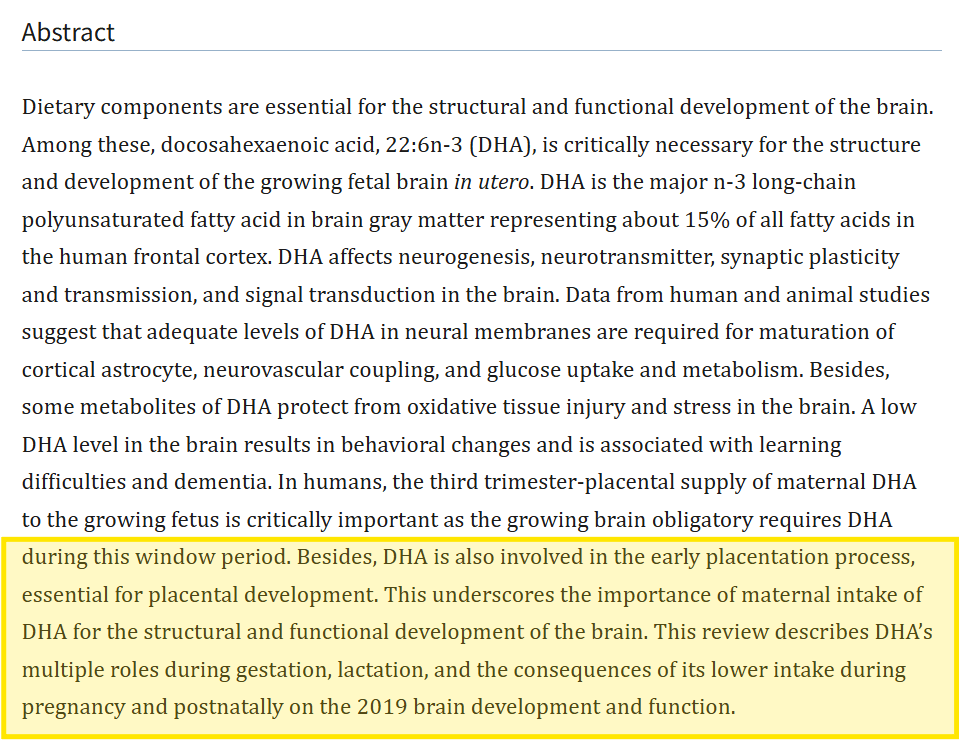
Research shows that DHA supplementation during pregnancy enhances the development of the baby’s brain, retinal tissue and nervous system. Studies indicate that adequate levels of DHA improve cognitive function, visual acuity, attention and problem-solving skills in children. Pregnant women can provide their babies with the necessary building blocks for optimal neurological development by ensuring sufficient DHA intake.(1),(2)
Related Stories
 The Hyperbolic Diet Plan: A Revolutionary Diet Plan for Weight Loss
 Are Mentos Candy Bad For You: Truth Revealed
2 Strengthened Immune System.
DHA strengthens the baby’s immune system by playing an important role. As an essential omega-3 fatty acid, it develops immune cells, regulates inflammation, enhances antibody production and supports the overall immune response.
Adequate DHA intake during pregnancy and breastfeeding promotes the transfer of this beneficial nutrient to the baby, supporting their immune system development. DHA protects newborns from various infections and illnesses by enhancing the immune response, promoting their overall health and well-being.
3 Decreased Chance of Preterm Birth.
Infants face significant illness and death due to early preterm birth. However, researchers have extensively proven that supplementing with DHA during pregnancy can significantly reduce the risk of early preterm birth.

A study has revealed that DHA reduces the risk by an impressive 42 percent while supporting a longer gestation period. Moreover, consuming DHA during pregnancy is associated with healthy birth weight and optimal measurements of the baby’s length and head circumference.(3)

4 Reduced The Risk of Preeclampsia.
Expectant mothers and their babies face significant risks due to preeclampsia, a severe condition characterized by high blood pressure and organ damage during pregnancy, typically occurring after the 20th week.
A study on pregnant women showed promising results regarding the impact of DHA supplementation. The study indicated that taking DHA supplements reduces the chances of developing preeclampsia by 33 percent. Additionally, it was found that the risk of severe preeclampsia decreased by an even greater margin of 54 percent.(4)

5 Lowered Perinatal Depression.
Research suggests that supplementing with DHA during pregnancy can lower the risk of perinatal depression and stress in mothers. DHA plays a crucial role in brain development and mood regulation, supporting overall mental well-being.(5)
Expectant mothers can improve their emotional health and reduce symptoms of depression and stress during pregnancy by adding DHA to their diet, fostering a positive environment for mother and child.
How to Take DHA During Pregnancy?
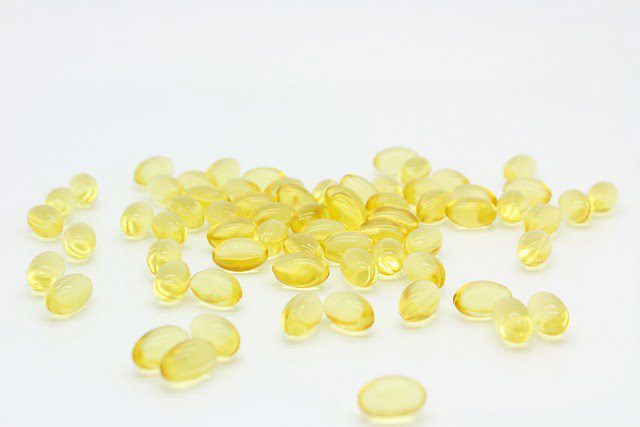
It is recommended to take around 200-300 mg of DHA daily during pregnancy. This can be achieved by consuming fatty fish such as salmon, sardines and tuna, or by taking DHA supplements that are specifically designed for pregnant women. It is important to consult with a healthcare provider before taking any supplements to ensure that it is safe and appropriate for the pregnancy.
Frequently Asked Questions.
1 How much DHA should I consume during pregnancy?
The American Pregnancy Association recommends that pregnant women consume at least 200-300 milligrams of DHA per day. However, some prenatal vitamins may already contain this amount, so it is important to check with your healthcare provider.
2 What are the best food sources of DHA?
The best food sources of DHA include fatty fish such as salmon, tuna, and sardines. Other sources include algae-based supplements, fish oil supplements, and fortified foods such as eggs and milk.
Bottom Line.
Several reasons make it crucial to track DHA levels in pregnant women. It promotes the baby’s cognitive development, visual acuity and eye health. It likewise adds to the mother’s personal prosperity, lessens the gamble of preterm birth and advances maternal cardiovascular wellbeing. Normal observing of DHA levels and suitable dietary changes or supplementation can assist with guaranteeing a solid pregnancy and set up for the child’s ideal development and improvement.
+5 Sources
Verywelfit has strict sourcing guidelines and relies on peer-reviewed studies, educational research institutes, and medical organizations. We avoid using tertiary references. You can learn more about how we ensure our content is accurate and up-to-date by reading our editorial policy.
- Maternal Docosahexaenoic Acid Status during Pregnancy and Its Impact on Infant Neurodevelopment; https://www.ncbi.nlm.nih.gov/pmc/articles/PMC7759779/
- DHA Effects in Brain Development and Function; https://www.ncbi.nlm.nih.gov/pmc/articles/PMC4728620/
- A Prenatal DHA Test to Help Identify Women at Increased Risk for Early Preterm Birth: A Proposal; https://www.ncbi.nlm.nih.gov/pmc/articles/PMC6316227/
- Dietary factors that affect the risk of pre-eclampsia; https://www.ncbi.nlm.nih.gov/pmc/articles/PMC9237898/
- Prenatal Maternal Docosahexaenoic Acid (DHA) Supplementation and Newborn Anthropometry in India: Findings from DHANI; https://www.ncbi.nlm.nih.gov/pmc/articles/PMC7996222/