










































 Workout

 Meditation






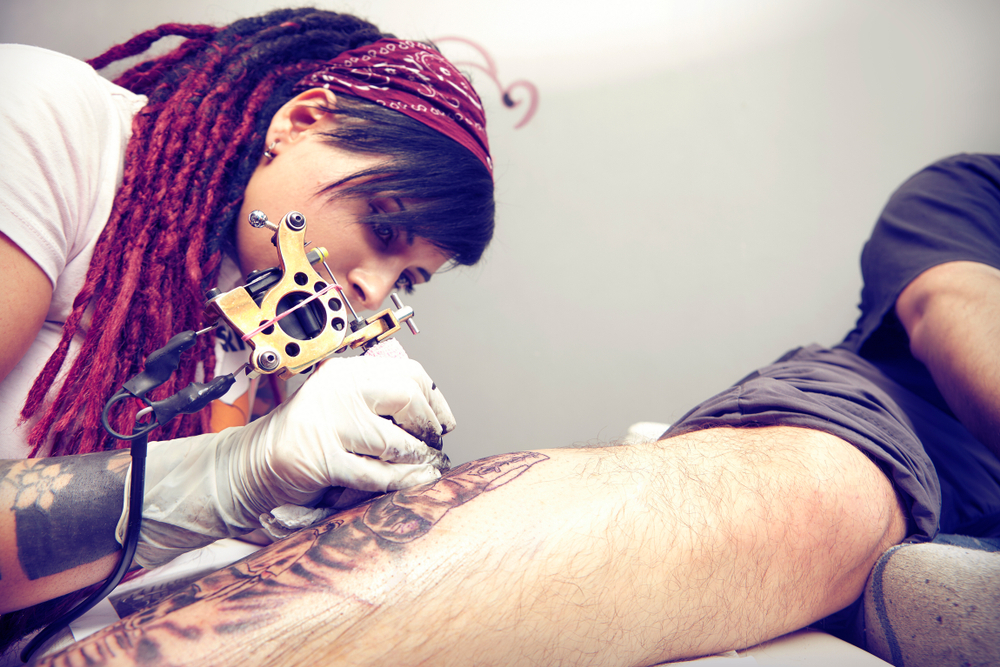
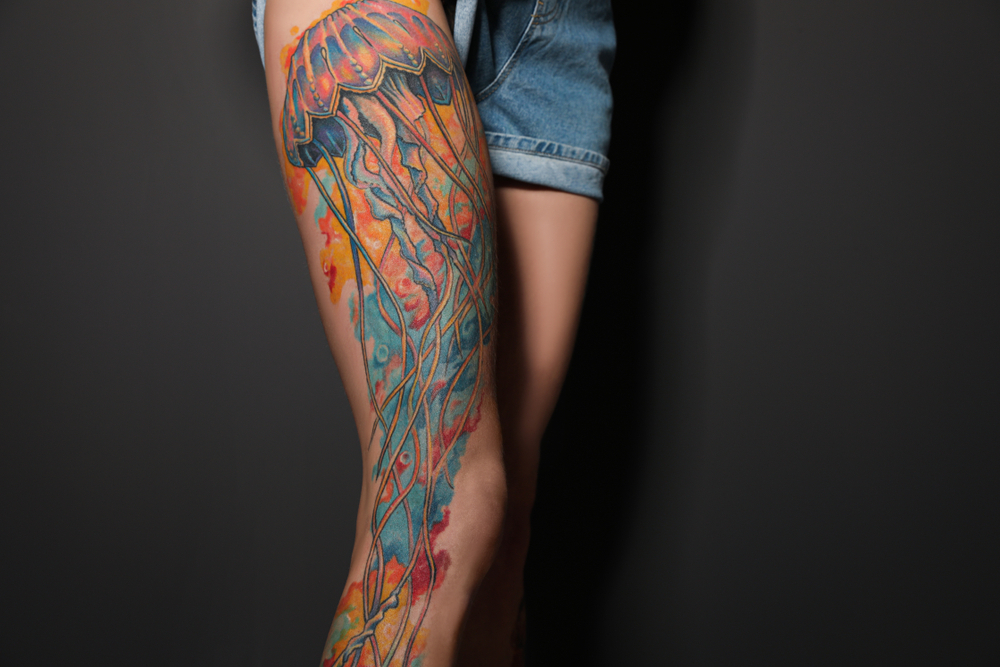
Getting a tattoo is often perceived as a painful yet thrilling experience, as individuals make a permanent commitment to expressing their identity through body art. Among the various body parts suitable for tattooing, the calf stands out as a widely chosen canvas due to its ample space and visibility. However, before embarking on this artistic journey, it is essential to understand the pain level associated with calf tattoos and the subsequent healing process.
Calf Tattoo Pain Level.
The pain level of getting a calf tattoo can vary from person to person, as pain tolerance differs for everyone. Generally, the calf area is known to be less sensitive compared to other body parts, such as the ribs or inner thigh.
Therefore, many individuals describe the pain of getting a calf tattoo as moderate to low. However, certain factors can influence the pain experienced, such as the size and design complexity of the tattoo, as well as individual pain thresholds.
It is important to note that while discomfort may be felt during the tattooing process, it is usually temporary and well worth the final result for those who choose to adorn their calf with a beautiful piece of art.
Related Stories
 Coconut Oil for Eyebrows: Benefits and How to Use
 Does Cornstarch Cause Hair Loss? An In-depth Exploration
Calf Tattoo Pain Healing Process.
1 Preparing for the calf tattoo pain healing process starts before you even get the tattoo. It is important to choose a reputable and professional tattoo artist who follows all safety and hygiene protocols to minimize the risk of complications and ensure proper healing.
2 Once the tattooing process is complete, the first step in the healing process is to properly clean the tattooed area. The tattoo artist will typically clean the tattoo with an antiseptic solution and cover it with a sterile bandage or plastic wrap to protect it from bacteria and external elements.
3 For the first few hours after getting the tattoo, it is essential to keep the bandage on and avoid touching or scratching the area. This helps prevent the introduction of any bacteria that could lead to infection.
4 After a few hours, the bandage can be removed, and the tattoo should be gently washed with lukewarm water and a mild, fragrance-free soap. It is important to avoid scrubbing the tattoo or using any harsh products that could irritate the skin.
5 Once cleaned, the tattoo should be patted dry with a clean towel, avoiding rubbing or excessive pressure on the area. It is crucial to let the tattoo air dry for a few minutes before proceeding to the next step.
6 After drying, a thin layer of a recommended tattoo aftercare ointment should be applied to the tattooed area. This ointment helps keep the skin moisturized, promotes healing, and prevents the formation of scabs. It is essential to follow the instructions provided by the tattoo artist or consult a dermatologist for the best ointment suited for your skin type.
7 During the healing process, it is crucial to avoid exposing the tattoo to direct sunlight, swimming pools, hot tubs, saunas, or any activities that may cause excessive sweating or submerging the tattoo in water. These activities can increase the risk of infection and slow down the healing process.
8 It is normal for the tattooed area to experience some pain, redness, swelling, and mild bruising during the initial healing phase. However, if these symptoms worsen or persist for an unusually long time, it is essential to consult a healthcare professional for a proper evaluation.
9 It is important to resist the urge to scratch or pick at the scabs that may form on the tattooed area. This can disrupt the healing process and may lead to scarring or color loss. Instead, it is recommended to gently moisturize the tattoo and let the scabs naturally fall off on their own.
10 The time required for complete healing varies from person to person and depends on various factors such as the size and complexity of the tattoo, individual skin type, and overall health. On average, it takes around two to four weeks for the tattoo to heal completely, but it is crucial to continue following proper aftercare instructions until the skin is fully restored.
11 After the tattoo has healed, it is essential to protect it from excessive exposure to sunlight by applying sunscreen with a high SPF whenever the tattoo is exposed to the sun. This helps prevent fading and keeps the colors vibrant for a longer duration.
12 Regularly moisturizing the tattooed area with fragrance-free lotion can also help maintain the skin’s health and prevent dryness or itching. It is recommended to continue this practice even after the tattoo has fully healed to keep the skin nourished and maintain the tattoo’s appearance.
| 💡 Tips Verywel Fit.com Overall, the calf tattoo pain healing process requires patience, proper aftercare, and following the advice of your tattoo artist or healthcare professional. By doing so, you can ensure a successful healing process and enjoy your beautifully tattooed calf for years to come. |
Calf Tattoo : Aftercare.
Getting a calf tattoo is an exciting and personal experience, but taking care of it properly during the healing process is crucial to ensure optimal results and minimize the risk of complications. After getting inked on your calf, it is essential to follow a strict aftercare routine to promote healing and maintain the vibrancy of your new tattoo.
1 Keep it Clean.
The first step in caring for your calf tattoo is to keep it clean. Gently wash the tattooed area with mild, fragrance-free soap and lukewarm water. Avoid scrubbing or using harsh products that can irritate the skin. Pat the area dry with a clean, soft towel or let it air dry.
2 Apply an Antibacterial Ointment.
After cleansing, apply a thin layer of an antibacterial ointment recommended by your tattoo artist or a dermatologist. This helps prevent infection and promotes healing. Be sure to follow the instructions provided by the ointment’s manufacturer or your artist.
3 Protect from Sun Exposure.
Protect your calf tattoo from excessive sun exposure, especially during the healing process. Ultraviolet (UV) rays can fade the colors and cause damage to the skin. Apply a broad-spectrum sunscreen with a high SPF to the tattooed area whenever it is exposed to the sun. Wearing loose clothing or using a clean, breathable bandage can also provide additional protection.
4 Avoid Scratching or Picking.
It’s common for a tattoo to itch as it heals, but resist the temptation to scratch or pick at it. Scratching can introduce bacteria into the tattooed area and disrupt the healing process. Instead, gently tap or pat the tattoo if the itching becomes unbearable.
5 Stay Hydrated.
Proper hydration is essential for healthy skin and the healing of your tattoo. Drink plenty of water to keep your skin hydrated from the inside out. Moisturized skin is less prone to dryness, itching, and peeling, which can affect the appearance of the tattoo.
6 Avoid Submerging in Water.
During the initial healing period, avoid submerging your calf tattoo in water, such as swimming pools, hot tubs, or baths. Prolonged exposure to water can soften the scabs, leading to color loss or infection. Showers are generally safe, but keep the water temperature lukewarm and avoid direct water pressure on the tattooed area.
7 Be Mindful of Physical Activities.
While your calf tattoo is healing, be cautious with physical activities that may cause friction or excessive sweating. Avoid tight clothing or shoes that can rub against the tattooed area. If participating in activities that might expose your tattoo to dirt, moisture, or potential injury, cover it with a clean, breathable bandage.
8 Follow Additional Instructions.
Every tattoo artist may have their own specific aftercare instructions based on their expertise and the specific ink used. It is essential to follow their guidance and ask any questions you may have to ensure proper aftercare practices.
| 💡 Tips Verywel Fit.com Remember, each person’s healing process may vary, but following these general aftercare guidelines for your calf tattoo can significantly contribute to its longevity and overall appearance. If you experience any unusual symptoms such as excessive redness, swelling, or oozing, consult a healthcare professional or your tattoo artist promptly. |
Bottom Line.
Calf tattoo pain can vary from person to person. Factors such as individual pain tolerance, location on the calf, and the design complexity can all contribute to the level of discomfort experienced during the tattooing process. However, it is important to note that while the pain may be temporary, the satisfaction and personal meaning that can be derived from a calf tattoo can last a lifetime. Ultimately, each individual should carefully consider their own pain threshold and personal motivations before deciding to get a calf tattoo.