













































 Workout

 Meditation






- Generating summary...
In the serene world of meditation, where peace and tranquility are sought, encountering a headache afterward can be disconcerting. While meditation is celebrated for its numerous health benefits, some practitioners may experience headaches post-meditation, leaving them puzzled and seeking answers. In this comprehensive guide, we delve into the phenomenon of after-meditation headaches, exploring their causes, precautions, prevention strategies, and expert insights.
What Are After-Meditation Headaches?
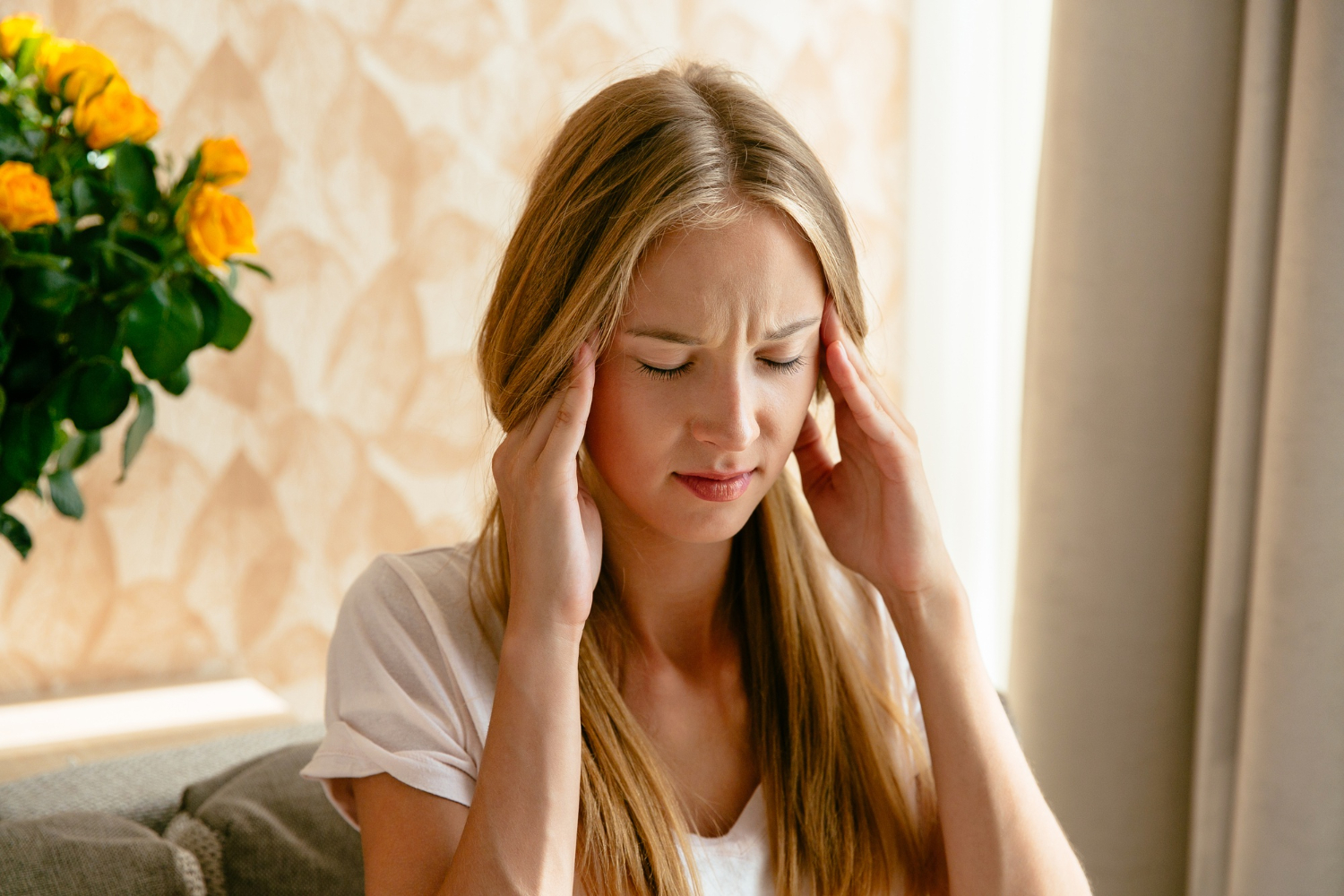
After-meditation headaches refer to the occurrence of head pain following a meditation session. While not uncommon, these headaches can vary in intensity and duration. They may manifest as tension headaches, migraines, or cluster headaches, affecting individuals differently based on their meditation practice, body chemistry, and overall health.
Causes of After-Meditation Headaches.
1 Dehydration: One of the primary culprits behind post-meditation headaches is dehydration. During meditation, especially in deep states of concentration, individuals may forget to hydrate adequately, leading to dehydration-induced headaches.
2 Muscle Tension: Meditation often involves sitting or lying down in a relaxed position for an extended period. However, maintaining this posture can lead to muscle tension, particularly in the neck and shoulders, triggering tension headaches.
Related Stories
 How To Do Chaturanga Yoga Push-Up: A Comprehensive Guide
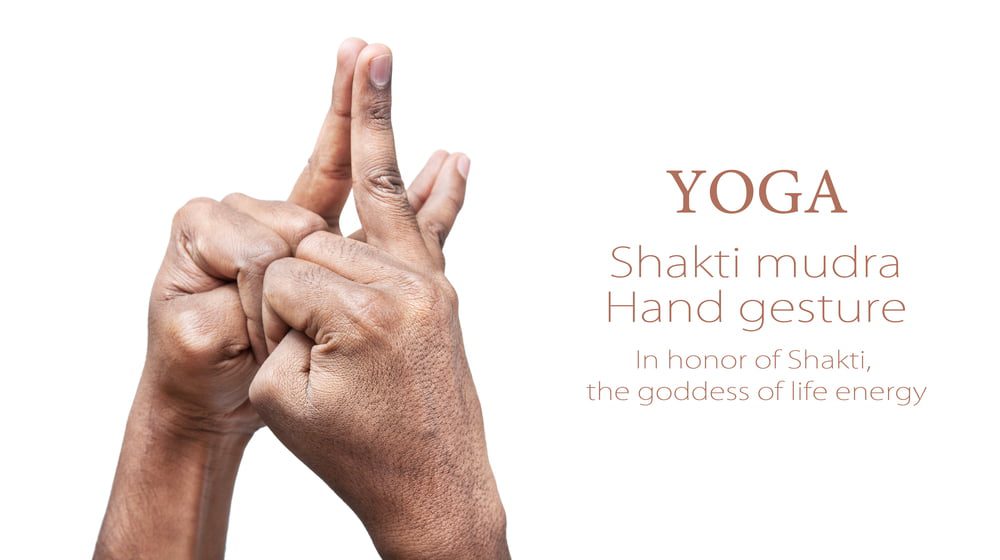
 Shakti Mudra: Benefits, Side Effects, How To Do and Precautions
3 Cerebral Blood Flow Changes: Research suggests that meditation can alter cerebral blood flow patterns. Abrupt changes in blood flow, especially after a session, may contribute to vascular headaches.
4 Stress Release: Paradoxically, as meditation aids in stress reduction, the release of pent-up tension and emotions during the practice can sometimes manifest as headaches afterward.
Precautions to Take During Meditation.
1 Stay Hydrated: Make it a point to drink water before and after your meditation session. Keeping a water bottle nearby can serve as a reminder to stay hydrated throughout the practice.
2 Proper Posture: Maintain good posture during meditation to minimize muscle tension. Sit or lie down comfortably, ensuring that your spine is aligned and supported.
3 Gradual Progression: Avoid pushing yourself too hard, especially if you’re new to meditation. Start with shorter sessions and gradually increase the duration to allow your body to adapt.

Prevention Strategies for After-Meditation Headaches.
1 Hydration Routine: Establish a hydration routine by drinking water at regular intervals throughout the day, not just during meditation sessions.
2 Gentle Stretching: Incorporate gentle stretching exercises into your pre and post-meditation routine to alleviate muscle tension and promote relaxation.
3 Mindful Breathing: Practice mindful breathing techniques during meditation to regulate blood flow and reduce the likelihood of vascular headaches.
4 Balanced Diet: Maintain a balanced diet rich in fruits, vegetables, and whole grains to support overall health and prevent nutritional deficiencies that could contribute to headaches.
Expert Insights.
To gain further insights into after-meditation headaches, we reached out to Dr. Maya Patel, a seasoned neurologist specializing in headache disorders.
Dr. Patel: “After-meditation headaches are often multifactorial, with dehydration and muscle tension being prominent triggers. It’s crucial for practitioners to maintain proper hydration and posture during meditation to minimize the risk of developing headaches.”
Scientific Evidence.
Several studies have explored the relationship between meditation and headaches:
A study published in the Journal of Headache and Pain found that individuals with a history of migraines experienced a reduction in headache frequency and intensity after participating in an eight-week mindfulness-based stress reduction program. Another study published in Frontiers in Human Neuroscience investigated the effects of different meditation techniques on cerebral blood flow. The findings suggested that certain meditation practices could modulate blood flow in specific brain regions, potentially influencing headache development.
Frequently Asked Questions.
1 Are after-meditation headaches normal?
Yes, they can be a common occurrence, especially for individuals new to meditation or those prone to headaches.
2 How long do after-meditation headaches typically last?
The duration can vary from person to person, ranging from a few minutes to several hours. Rarely, they may persist for days in some cases.
Should I seek medical attention for after-meditation headaches?
If the headaches are severe, frequent, or accompanied by other concerning symptoms, it’s advisable to consult a healthcare professional to rule out underlying causes.
Bottom Line.
While after-meditation headaches can be bothersome, they are often manageable with the right precautions and prevention strategies. By staying hydrated, maintaining proper posture, and incorporating relaxation techniques into your practice, you can minimize the risk of experiencing headaches post-meditation. Remember to listen to your body and seek professional guidance if headaches persist or worsen over time. With mindful attention and care, you can continue to enjoy the profound benefits of meditation without the discomfort of headaches interrupting your journey towards inner peace and well-being.