









































 Workout

 Meditation





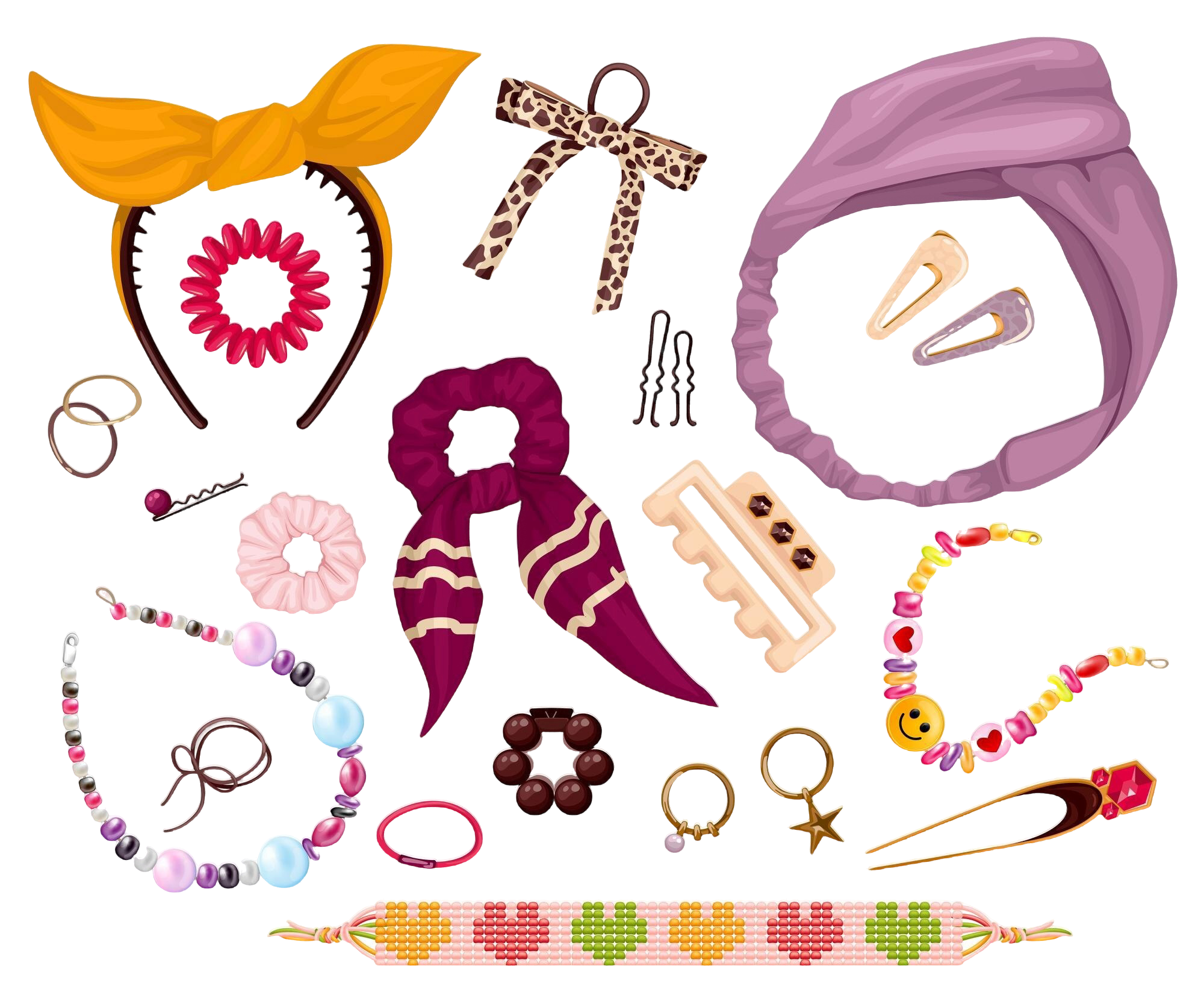
When it comes to maintaining healthy hair, most of us focus on the right shampoos, conditioners, and hair treatments. However, one often overlooked factor is the type of fabric that comes into contact with our hair. From pillowcases to hats, the fabric we choose can have a significant impact on the health and appearance of our hair. In this article, we will explore the best fabrics for hair, backed by scientific evidence and expert opinions.
Why Fabric Matters for Hair?
Your hair is constantly in contact with various fabrics, whether it’s your pillowcase while you sleep, the hat you wear during the day, or the scarf you use to protect your hair from the elements. The type of fabric can influence hair breakage, moisture retention, and overall hair health.
The Science Behind Fabric and Hair Health.
Hair is made of keratin, a protein that can be quite delicate. The outer layer of the hair, known as the cuticle, is easily damaged by friction and harsh materials. Scientific studies have shown that certain fabrics can minimize this damage and help maintain the integrity of the hair shaft.
Silk: The Gold Standard for Hair.
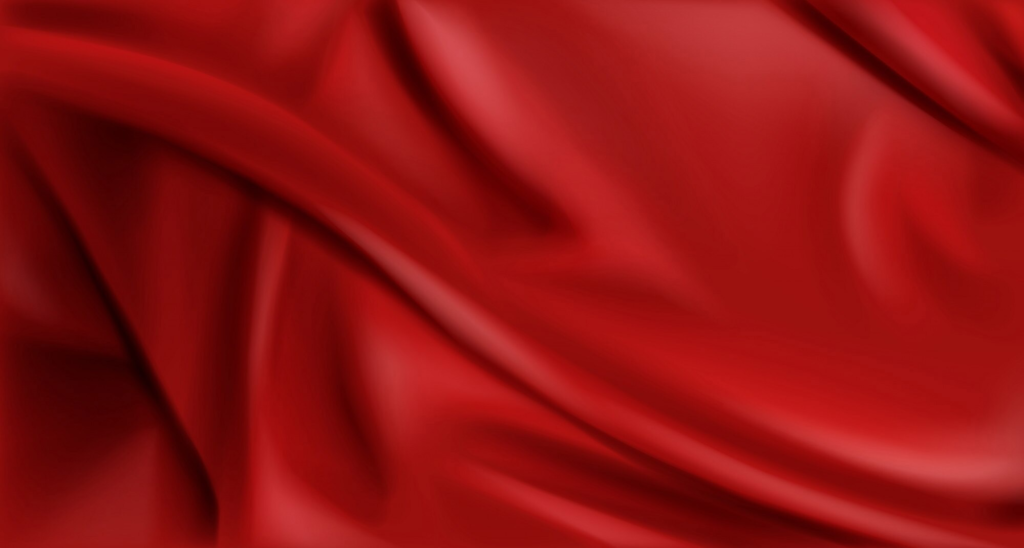
Silk is often touted as the best fabric for hair, and for good reason. Its smooth texture reduces friction, which can help prevent hair breakage and split ends. Silk also helps retain moisture, keeping hair hydrated and less prone to frizz.
Related Stories
 A Comprehensive Guide to Glossier Pregnancy-Safe Products
 Cryotherapy for Cellulite: A Comprehensive Guide
Scientific Evidence: A study published in the Journal of Cosmetic Dermatology found that sleeping on silk pillowcases reduced hair breakage and improved overall hair health compared to cotton pillowcases.(1)
Satin: A Close Second.
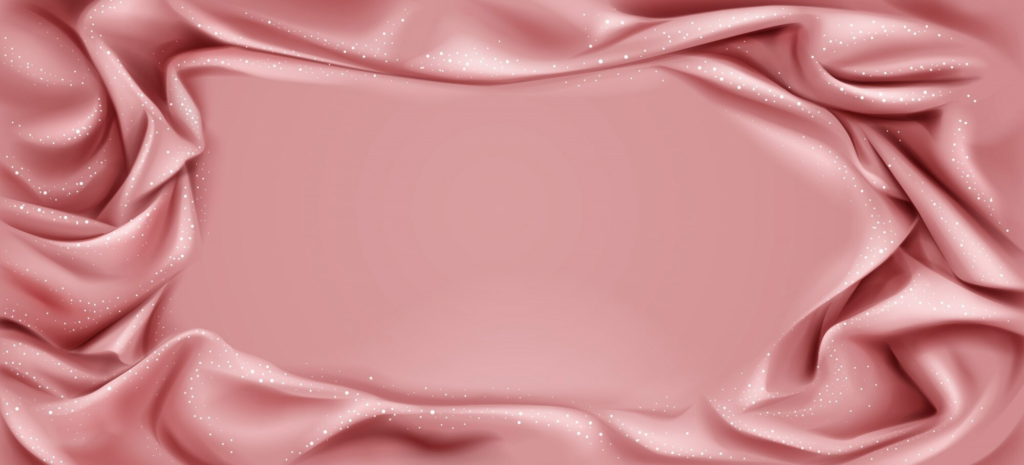
Satin, like silk, is a smooth fabric that minimizes friction. While it’s not a natural fiber like silk, it still provides many of the same benefits at a more affordable price point. Satin is often used in hair bonnets and scarves designed to protect hair during sleep.
Cotton: The Common Culprit.
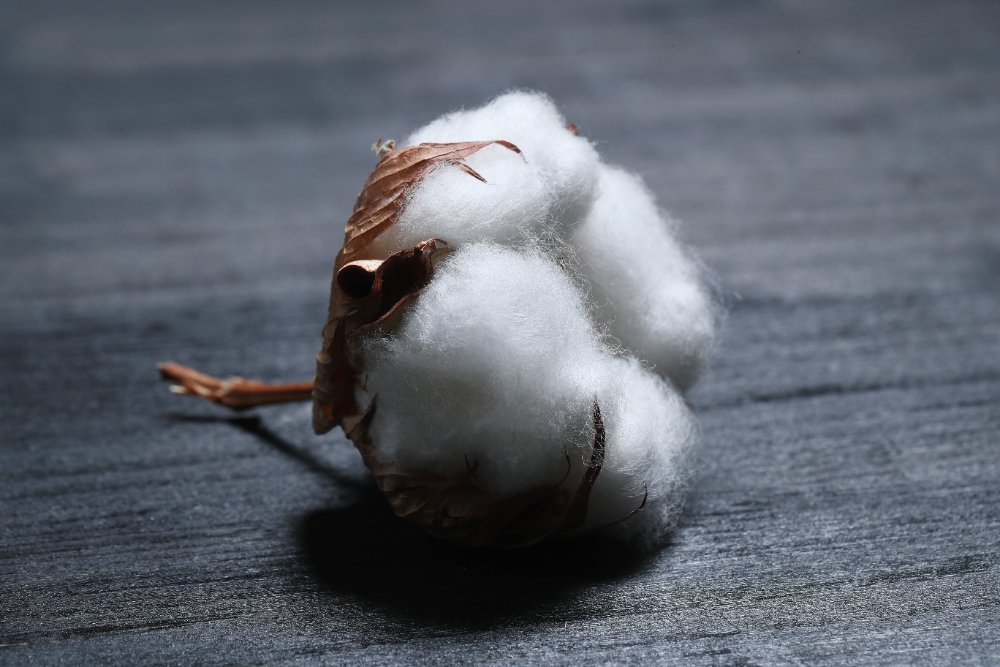
Cotton is a popular fabric due to its comfort and breathability, but it’s not the best choice for hair. The rough texture of cotton can cause friction, leading to hair breakage and split ends. Additionally, cotton is absorbent, which means it can strip hair of its natural oils, leaving it dry and prone to damage.
Scientific Evidence: Research published in Dermatology Reports indicates that cotton pillowcases can contribute to increased hair breakage and moisture loss compared to silk and satin alternatives.(2)
Microfiber: A Modern Solution.
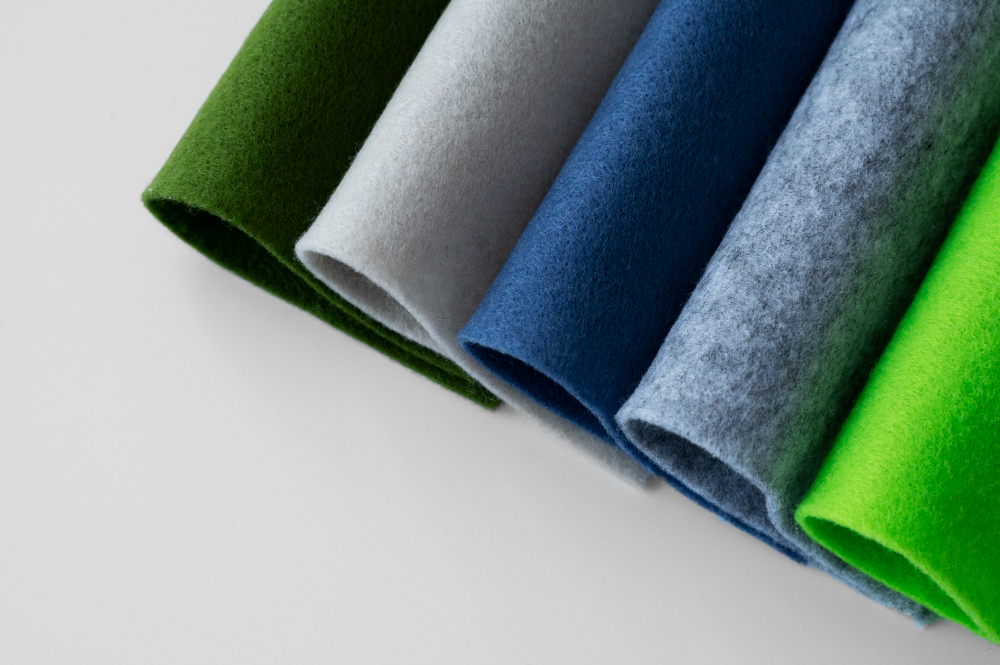
Microfiber is a synthetic fabric known for its softness and absorbency. It’s often used in hair towels designed to reduce drying time and minimize damage. Microfiber towels are gentle on hair and can help reduce frizz and breakage.
Bamboo: The Eco-Friendly Choice.
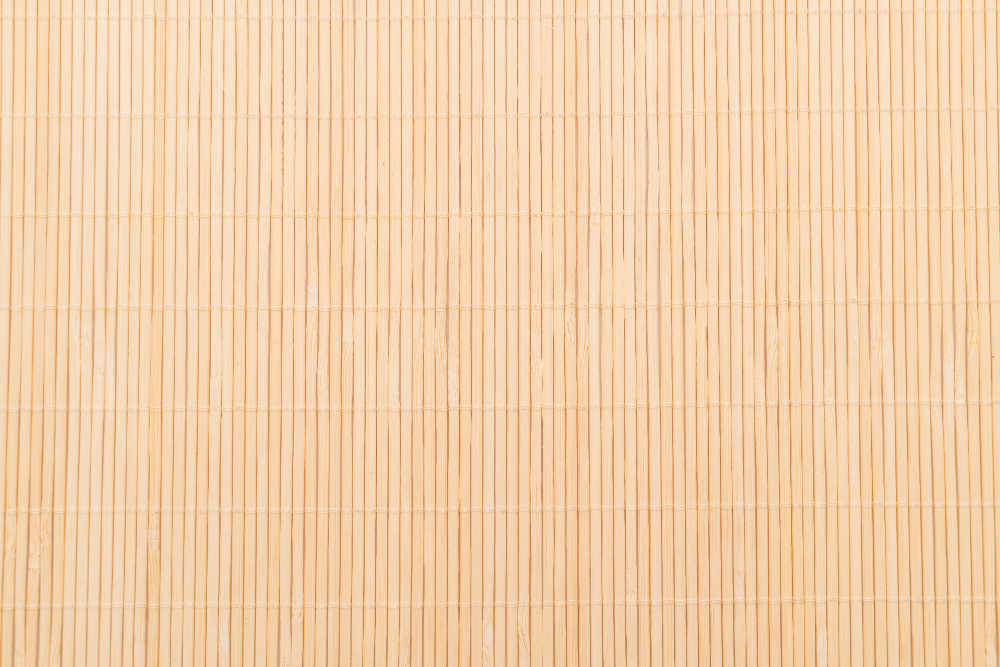
Bamboo fabric is gaining popularity as an eco-friendly option for hair care. It’s soft, smooth, and has natural antimicrobial properties. Bamboo is also highly absorbent, which can help keep hair dry without causing damage.
Wool: A Winter Worry.
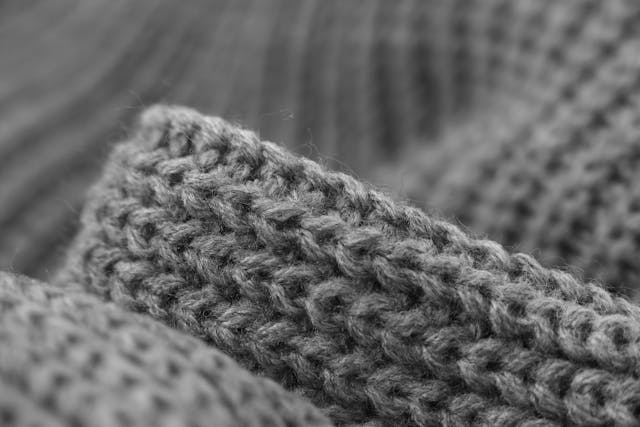
Wool is warm and cozy, making it a popular choice for winter hats and scarves. However, wool can be rough on hair, leading to increased friction and potential damage. If you wear wool, consider lining it with a smoother fabric like satin or silk to protect your hair.
Choosing the Right Fabric for Your Hair Type.
Different hair types have different needs, and the fabric you choose should reflect that.
- Curly Hair: Opt for silk or satin to reduce frizz and retain moisture.
- Fine Hair: Use silk or microfiber to minimize breakage and maintain volume.
- Thick Hair: Bamboo and satin are great choices to keep hair manageable and healthy.
Personal Interview with an Expert.
To gain further insights, we spoke with Dr. Emily White, a dermatologist specializing in hair health.
Interviewer: Dr. White, can you explain why silk and satin are often recommended for hair care?
Dr. White: Certainly. The smooth surfaces of silk and satin reduce friction, which is a major cause of hair damage. They also help retain moisture, which is crucial for maintaining healthy hair.
Interviewer: Are there any fabrics people should avoid?
Dr. White: Cotton is one to avoid, especially for pillowcases. It can cause significant friction and strip hair of its natural oils. Wool can also be problematic if it’s directly against the hair.
Frequently Asked Questions.
1 Is silk better than satin for hair?
Both silk and satin are excellent for hair, but silk is a natural fiber and can be more effective in reducing friction and retaining moisture. Satin is a good, more affordable alternative.
2 Can the type of fabric really make a difference in hair health?
Yes, scientific studies and expert opinions both support the idea that fabric choice can significantly impact hair health by reducing damage and retaining moisture.
3 Are there any budget-friendly options for good hair fabrics?
Satin and microfiber are both affordable options that provide many of the same benefits as silk.
4 How often should I replace my pillowcase for optimal hair health?
It’s recommended to change your pillowcase at least once a week to maintain cleanliness and minimize hair and skin issues.
5 Can wearing a hat damage my hair?
It depends on the fabric. Wool hats can be damaging due to friction, so it’s best to line them with a smooth fabric like satin or silk.
Bottom Line.
Choosing the right fabric for your hair is an important step in maintaining healthy, beautiful hair. Silk and satin are top choices due to their smooth textures and moisture-retaining properties. For those on a budget, satin and microfiber offer great alternatives. Always consider your hair type and specific needs when selecting fabrics for pillowcases, towels, and hats.
By paying attention to the fabrics that come into contact with your hair, you can reduce damage, retain moisture, and keep your hair looking its best. Remember, the right fabric is a simple yet effective way to support your hair care routine.
+2 Sources
Verywelfit has strict sourcing guidelines and relies on peer-reviewed studies, educational research institutes, and medical organizations. We avoid using tertiary references. You can learn more about how we ensure our content is accurate and up-to-date by reading our editorial policy.
- Sleeping in Luxury: The Many Benefits of Silk Pillowcases; https://brindysilk.com/sleeping-in-luxury-the-many-benefits-of-silk-pillowcases/
- Silk pillowcases may provide some hair and skin benefits, but they’re not miracle workers; https://www.washingtonpost.com/lifestyle/wellness/silk-pillowcases-hair-skin-benefits-myths/2021/04/05/a7dcad7c-866a-11eb-82bc-e58213caa38e_story.html