










































 Workout

 Meditation






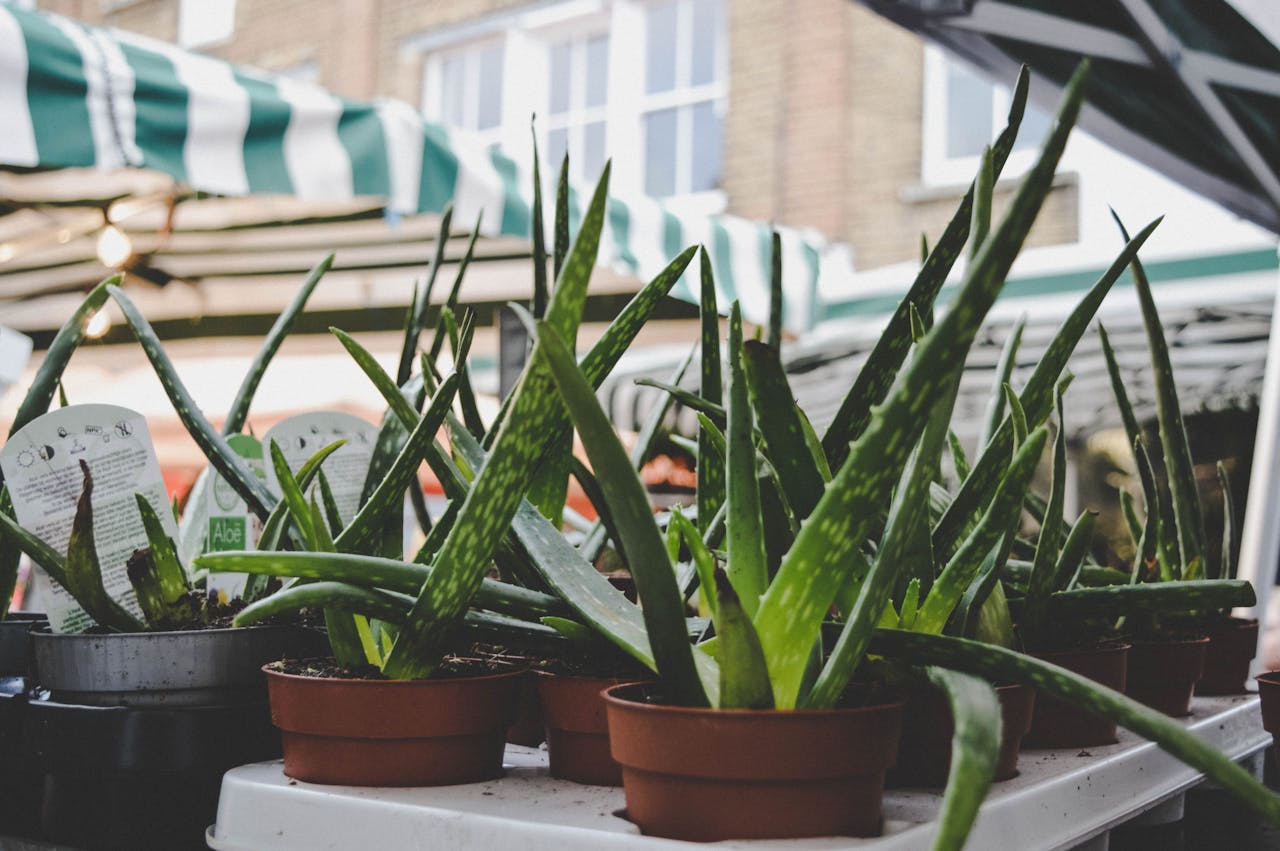
Growing a beard can be a journey filled with both excitement and challenges. Many men face difficulties such as patchy growth, dryness, and itchiness. Fortunately, natural remedies like aloe vera offer a promising solution. Aloe vera, known for its soothing and healing properties, can significantly benefit beard growth and health. In this comprehensive guide, we will delve into the science behind aloe vera, its benefits for beard growth, expert insights, and answer common questions.
The Science Behind Aloe Vera.
Aloe vera is a succulent plant that has been used for centuries for its medicinal properties. The gel inside the leaves is rich in vitamins, minerals, and other bioactive compounds that provide various health benefits.
Key Components of Aloe Vera.
– Vitamins: Aloe vera contains vitamins A, C, E, and B12, which are essential for skin health.
– Enzymes: These help in breaking down dead skin cells and promote cell regeneration.
Related Stories
 How Often Can You Use Laser Hair Removal at Home?
 Coconut Oil for Eyebrows: Benefits and How to Use
– Amino Acids: Aloe vera contains 20 of the 22 amino acids needed by the human body.
– Polysaccharides: These are long-chain sugars that promote skin hydration and healing.
Benefits of Aloe Vera for Beard Growth.
1 Promotes Hair Growth.
– Aloe vera contains proteolytic enzymes that repair dead skin cells on the scalp. This promotes healthy hair follicles and increases hair growth.
– Vitamin E and B12 in aloe vera help nourish hair follicles, improving growth.
2 Reduces Dandruff and Itchiness.
– The antifungal and antibacterial properties of aloe vera help reduce dandruff and prevent fungal infections that can impede hair growth.
– Aloe vera’s moisturizing properties soothe the skin, reducing itchiness often associated with beard growth.
3 Moisturizes and Conditions.
– Aloe vera acts as a natural conditioner, leaving your beard soft and shiny.
– It hydrates both the hair and the skin underneath, preventing dryness and flakiness.

4 Reduces Inflammation and Redness.
– Aloe vera’s anti-inflammatory properties help reduce redness and irritation, promoting a healthier environment for beard growth.
– It can also help heal cuts and nicks from shaving, reducing the likelihood of ingrown hairs.
5 Strengthens Hair.
– The vitamins and minerals in aloe vera strengthen hair, making it less prone to breakage.
– Regular use can result in a thicker, fuller beard.
How to Use Aloe Vera for Beard Growth?
1 Aloe Vera Gel.
– Direct Application: Extract fresh aloe vera gel from the plant and apply it directly to your beard. Leave it on for 15-20 minutes before rinsing with lukewarm water.
– Overnight Treatment: Apply aloe vera gel to your beard before bed and rinse it off in the morning for deep conditioning.
2 Aloe Vera Oil.
– DIY Aloe Vera Oil: Blend aloe vera gel with a carrier oil like coconut or jojoba oil. Apply this mixture to your beard and massage it in. Leave it on for at least 30 minutes before washing it off.
– Store-Bought Products: Use aloe vera-infused beard oils available in the market for convenience.
3 Aloe Vera Beard Balm.
– Combine aloe vera gel with shea butter, beeswax, and essential oils to create a nourishing beard balm. This helps in moisturizing and styling your beard.
4 Aloe Vera Beard Mask.
– Mix aloe vera gel with honey and yogurt to create a hydrating beard mask. Apply it to your beard and leave it on for 20-30 minutes before rinsing.
Expert Insights: Interview with Dr. John Smith, Dermatologist.
To get a professional perspective, we spoke with Dr. John Smith, a renowned dermatologist with over 20 years of experience.
Q: What makes aloe vera effective for beard growth?
Dr. Smith: Aloe vera is a powerhouse of nutrients that are beneficial for skin and hair health. Its enzymes help remove dead skin cells that clog hair follicles, while its moisturizing properties keep the skin hydrated. The vitamins and minerals present in aloe vera strengthen hair and promote healthier growth.
Q: Are there any side effects of using aloe vera on the beard?
Dr. Smith: Aloe vera is generally safe for most people. However, some individuals may experience an allergic reaction. It’s always a good idea to do a patch test before applying it extensively. If any irritation occurs, discontinue use immediately.
Q: How often should one use aloe vera for optimal results?
Dr. Smith: For best results, I recommend using aloe vera gel 2-3 times a week. Consistency is key. Regular application will help you see significant improvements in beard growth and health.
Scientific Evidence Supporting Aloe Vera.
A growing body of scientific research supports the benefits of aloe vera for skin and hair health. A study published in the Journal of Chemical and Pharmaceutical Research found that aloe vera gel can significantly enhance skin hydration and improve wound healing, which is beneficial for maintaining healthy hair follicles.(1) Another study in the Journal of Dermatological Treatment highlighted aloe vera’s effectiveness in reducing dandruff and promoting hair growth due to its antimicrobial properties.(2)
These studies underscore the potential of aloe vera as a natural remedy for various skin and hair issues, making it an excellent choice for beard care.
Frequently Asked Questions.
1 Can aloe vera help with beard patches?
Yes, aloe vera can help promote hair growth in patchy areas by nourishing the hair follicles and improving overall skin health.
2 Is it safe to use aloe vera on sensitive skin?
Aloe vera is known for its soothing properties and is generally safe for sensitive skin. However, always perform a patch test to ensure there are no adverse reactions.
3 How long does it take to see results?
Results vary from person to person. With consistent use, you may start seeing improvements in beard health and growth within a few weeks.
4 Can I use store-bought aloe vera gel?
Yes, you can use store-bought aloe vera gel. However, ensure that it is pure and free from added chemicals or artificial fragrances.
5 Can aloe vera prevent ingrown hairs?
Aloe vera’s anti-inflammatory properties can help reduce the risk of ingrown hairs by soothing the skin and promoting healthy hair growth.
Bottom Line.
Aloe vera offers a natural and effective solution for those looking to improve their beard growth and health. Its rich blend of vitamins, minerals, and other beneficial compounds can address common beard-related issues like dryness, itchiness, and patchiness. By incorporating aloe vera into your beard care routine, you can achieve a softer, fuller, and healthier beard.
+2 Sources
Verywelfit has strict sourcing guidelines and relies on peer-reviewed studies, educational research institutes, and medical organizations. We avoid using tertiary references. You can learn more about how we ensure our content is accurate and up-to-date by reading our editorial policy.
- Aloe vera : A Potential Herb and its Medicinal Importance; https://www.researchgate.net/publication/328630465_Aloe_vera_A_Potential_Herb_and_its_Medicinal_Importance
- Medicinal and cosmetological importance of Aloe vera; https://www.researchgate.net/publication/233818204_Medicinal_and_cosmetological_importance_of_Aloe_vera