













































 Workout

 Meditation






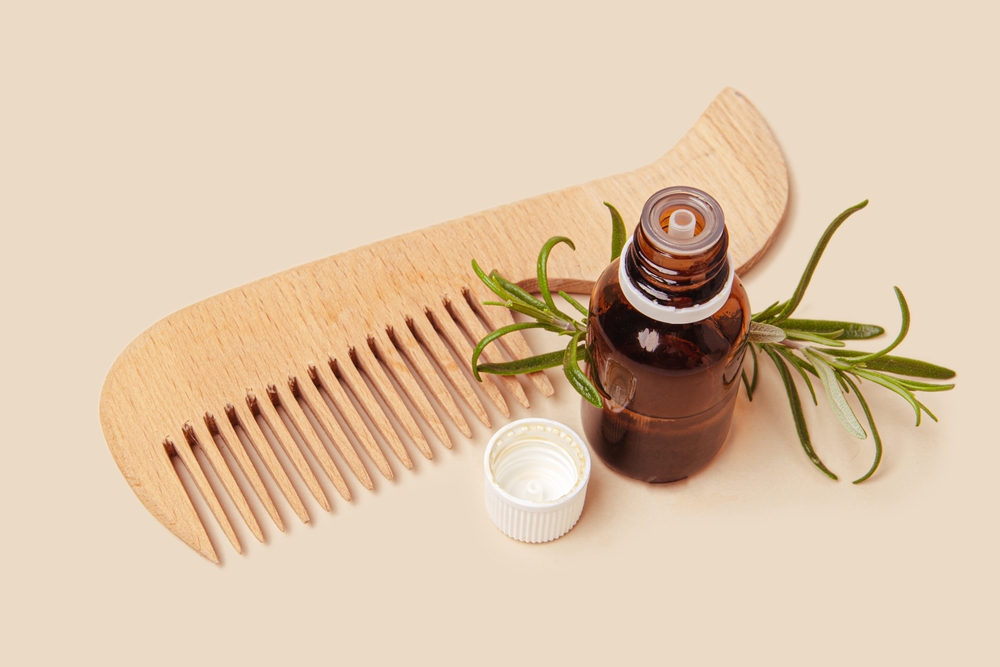
In the quest for luscious, healthy hair, many have turned to natural oils as a solution. Two oils that have garnered significant attention for their hair benefits are rosemary and grapeseed oil. These oils are not only easily accessible but also packed with nutrients that can transform your hair health. This article delves into the benefits of rosemary and grapeseed oil for hair, backed by scientific evidence, expert opinions, and answers to frequently asked questions.
What is Rosemary Oil?
Rosemary oil, derived from the aromatic herb Rosmarinus officinalis, has been used for centuries in traditional medicine. Known for its invigorating scent, rosemary oil is rich in antioxidants and anti-inflammatory compounds.
Key Benefits of Rosemary Oil for Hair.
1 Stimulates Hair Growth: Rosemary oil is believed to improve blood circulation to the scalp, which can help stimulate hair follicles and promote hair growth.
2 Reduces Hair Loss: By blocking DHT, a hormone linked to hair loss, rosemary oil can help reduce shedding.
Related Stories
 Amazing Benefits And Side Effects of Ionic Skin Care
 Can Vaseline Help with Razor Bumps?
3 Improves Scalp Health: Its antifungal and antibacterial properties help keep the scalp clean and healthy, preventing dandruff and other scalp conditions.
4 Strengthens Hair: Regular use of rosemary oil can strengthen hair strands, making them less prone to breakage.

What is Grapeseed Oil?
Grapeseed oil is extracted from the seeds of grapes, often a byproduct of winemaking. It is light, non-greasy, and packed with vitamins and antioxidants.
Key Benefits of Grapeseed Oil for Hair.
1 Moisturizes and Conditions: Grapeseed oil is an excellent moisturizer, helping to keep hair hydrated and soft.
2 Promotes Hair Growth: Rich in Vitamin E, grapeseed oil can support healthy hair growth.
3 Prevents Hair Loss: The antioxidants in grapeseed oil can help strengthen hair and prevent breakage and loss.
4 Balances Sebum Production: This oil helps regulate the scalp’s oil production, making it beneficial for both dry and oily scalps.
Scientific Evidence Supporting Rosemary and Grapeseed Oil.
Numerous studies have highlighted the benefits of these oils for hair health.
Rosemary Oil.
A 2015 study published in SkinMed compared rosemary oil to minoxidil, a popular hair growth treatment. The study found that rosemary oil was just as effective as minoxidil in promoting hair growth after six months of use but with fewer side effects.(1)
Grapeseed Oil.
A study published in the Journal of Cosmetic Science emphasized the antioxidant properties of grapeseed oil, which can protect hair from environmental damage and improve overall hair health. Additionally, grapeseed oil’s high linoleic acid content helps keep hair moisturized and prevents dryness.(2)
Expert Opinions.
To provide a more comprehensive view, we spoke with Dr. Emily Hart, a dermatologist specializing in hair and scalp health, and Michelle Lee, a renowned trichologist.
Dr. Emily Hart: “Rosemary oil is a fantastic natural remedy for those experiencing hair thinning or hair loss. Its ability to stimulate blood circulation and reduce inflammation makes it an effective treatment. Grapeseed oil, on the other hand, is perfect for moisturizing the scalp and hair without leaving a greasy residue.”
Michelle Lee: “I’ve seen many clients benefit from the regular use of grapeseed oil. It’s particularly good for those with dry or brittle hair. Combining it with rosemary oil can offer a balanced approach to hair care, addressing both growth and moisture.”
How to Use Rosemary and Grapeseed Oil for Hair?
Rosemary Oil Application.
1 Scalp Massage: Mix a few drops of rosemary oil with a carrier oil (like coconut or olive oil). Massage it into your scalp for about 5-10 minutes. Leave it on for at least 30 minutes before washing it out.
2 Shampoo Additive: Add a few drops of rosemary oil to your regular shampoo or conditioner. This can enhance the product’s benefits without changing your routine.
3 DIY Hair Mask: Combine rosemary oil with other beneficial ingredients like honey and yogurt to create a nourishing hair mask.
Grapeseed Oil Application.
1 Hot Oil Treatment: Warm grapeseed oil and apply it to your scalp and hair. Cover your head with a shower cap and leave it on for about 30 minutes before washing.
2 Leave-In Conditioner: Use a small amount of grapeseed oil as a leave-in conditioner to tame frizz and add shine.
3 Scalp Treatment: Massage grapeseed oil directly into your scalp to help balance oil production and moisturize dry patches.
Combining Rosemary and Grapeseed Oil.
For an enhanced hair care regimen, combining these oils can provide comprehensive benefits. Here’s a simple method:
1 Mixing Ratio: Combine 5 drops of rosemary oil with 1 tablespoon of grapeseed oil.
2 Application: Massage the mixture into your scalp and through your hair. Leave it on for at least 30 minutes before washing it out with a mild shampoo.
3 Frequency: Use this treatment 2-3 times a week for the best results.
Frequently Asked Questions.
1 Can I use rosemary oil directly on my scalp?
It’s best to dilute rosemary oil with a carrier oil to prevent irritation. Direct application can be too strong for sensitive scalps.
2 How often should I use grapeseed oil on my hair?
You can use grapeseed oil 2-3 times a week. Adjust based on how your hair responds.
3 Can these oils help with dandruff?
Yes, rosemary oil’s antibacterial properties and grapeseed oil’s moisturizing effects can help reduce dandruff.
4 Are there any side effects of using these oils?
While generally safe, some people may experience allergic reactions. Always do a patch test before full application.
5 Can I leave these oils in my hair overnight?
Yes, you can leave both oils in your hair overnight for deeper conditioning. Just cover your hair to protect your bedding.
Bottom Line.
Incorporating rosemary and grapeseed oil into your hair care routine can offer numerous benefits, from stimulating hair growth to moisturizing and strengthening hair. With scientific backing and expert endorsements, these oils stand out as effective, natural solutions for various hair concerns. Whether used separately or combined, rosemary and grapeseed oils can help you achieve healthier, more vibrant hair.
+2 Sources
Verywelfit has strict sourcing guidelines and relies on peer-reviewed studies, educational research institutes, and medical organizations. We avoid using tertiary references. You can learn more about how we ensure our content is accurate and up-to-date by reading our editorial policy.
- Rosemary oil vs minoxidil 2% for the treatment of androgenetic alopecia: a randomized comparative trial; https://pubmed.ncbi.nlm.nih.gov/25842469/
- Grape Seed Oil Compounds: Biological and Chemical Actions for Health; https://www.ncbi.nlm.nih.gov/pmc/articles/PMC4988453/