






































 Workout

 Meditation






Restorative yoga is a gentle and calming practice that focuses on deep relaxation and stress relief. It involves holding poses for longer periods of time, allowing the body and mind to fully relax and unwind. One particular aspect of restorative yoga is heart opening poses, which aim to release tension in the chest and shoulders, and promote a sense of openness and compassion.
These poses are especially beneficial for beginners, as they provide a gentle introduction to the practice, while offering immense benefits for both physical and emotional well-being. In this article, we will explore some heart opening restorative yoga poses that are perfect for beginners, allowing them to experience the transformative power of this practice in a safe and nurturing way.
Is Heart Opening Restorative Yoga Poses really effective and if so, how do they work?
Heart Opening Restorative Yoga Poses can be highly effective in helping to release tension and create a sense of openness in both the physical body and the emotional heart. These poses, such as supported fish pose, camel pose, and reclining bound angle pose, gently stretch and open the chest, shoulders, and upper back, promoting deep relaxation and a feeling of expansion. By physically stretching these areas, it allows for increased circulation and oxygen flow, which can help to reduce stress and anxiety.
Additionally, these poses can also stimulate the heart chakra, which is believed to be the energetic center of love, compassion, and connection. As a result, practicing heart opening restorative poses can help cultivate feelings of self-acceptance, forgiveness, and emotional healing. Whether through the physical or energetic effects, these poses can work to create a profound sense of release and inner peace.
Related Stories
 Why I Feel Nausea During Yoga — And How I Finally Stopped It
 Upward Facing Bow: Meaning, Benefits, Steps, Contraindications And Variations
Benefits of Heart Opening Restorative Yoga Poses for Beginners.
Here are some key benefits that beginners can expect to gain from practicing these poses:
1 Improved Posture.
Heart Opening Restorative Yoga Poses help to counteract the effects of sitting and slouching for extended periods by stretching the chest muscles and strengthening the upper back. This, in turn, promotes better posture and alignment.
2 Enhanced Flexibility.
These poses gently stretch the muscles in the chest, shoulders, and upper back, increasing flexibility and range of motion. This can be particularly beneficial for beginners who may have tightness or stiffness in these areas.
3 Stress Relief.
Heart Opening Restorative Yoga Poses activate the parasympathetic nervous system, which helps to induce a state of deep relaxation. This can significantly reduce stress levels, calm the mind, and promote a sense of overall well-being.
4 Improved Breathing.
By opening the chest and expanding the lungs, these poses encourage deep diaphragmatic breathing. This type of breathing is known to increase oxygen intake, improve lung capacity, and enhance overall respiratory function.
5 Heart Opening and Emotional Release.
These poses are often associated with heart chakra activation, allowing individuals to release emotional blockages and connect with their feelings on a deeper level. This can lead to a greater sense of inner peace, self-acceptance, and emotional healing.
6 Increased Energy Flow.
Heart Opening Restorative Yoga Poses stimulate the flow of energy throughout the body, promoting a sense of vitality and rejuvenation. This can help beginners feel more energized, focused, and ready to take on the day.
7 Relaxation and Better Sleep.
Practicing these poses before bedtime can help beginners unwind, relax their bodies, and prepare for a restful night’s sleep. The gentle stretches and soothing nature of these poses can provide a sense of calmness and promote a deeper and more rejuvenating sleep.
8 Heart Health.
Regular practice of Heart Opening Restorative Yoga Poses can have a positive impact on cardiovascular health. By stretching the chest muscles and improving circulation, these poses can help maintain a healthy heart and reduce the risk of heart-related issues.(1)
| 💡 Tips Verywel Fit.com Heart Opening Restorative Yoga Poses offer a multitude of benefits for beginners. From improving posture and flexibility to reducing stress and enhancing emotional well-being, these poses provide a gentle and accessible way to promote physical, mental, and emotional health. Incorporating these poses into a regular yoga practice can help beginners experience a greater sense of balance, peace, and overall well-being. |
10 Amazing Heart Opening Restorative Yoga Poses for Beginners with steps.
1 Supported Fish Pose (Matsyasana).
– Begin by placing a bolster or folded blanket horizontally on your mat.
– Sit on the edge of the bolster and gently lower your back down onto it, allowing your head to rest comfortably.
– Extend your legs out in front of you or bring the soles of your feet together in a butterfly shape.
– Relax your arms by your sides, palms facing up, and close your eyes.
– Stay in this pose for 5-10 minutes, focusing on deep, diaphragmatic breathing.
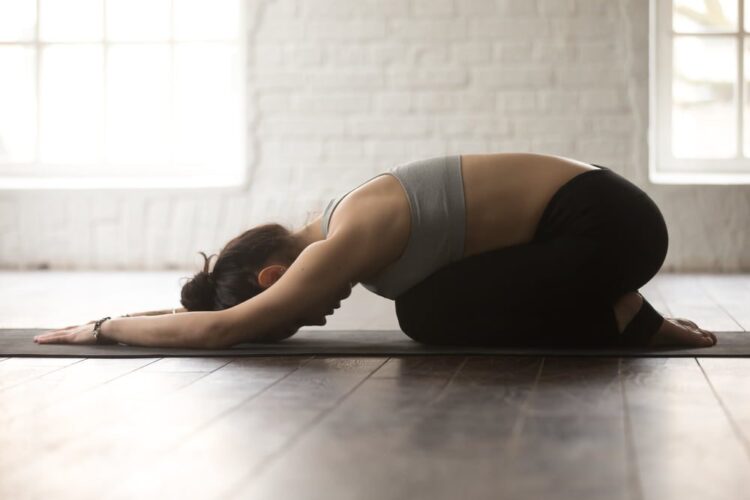
2 Supported Child’s Pose (Balasana).
– Start by kneeling on your mat with your big toes touching and your knees slightly wider than hip-width apart.
– Place a bolster or folded blanket vertically between your thighs and lower your torso down onto it.
– Extend your arms forward, palms resting on the mat or on the bolster.
– Allow your forehead to rest on the mat or on a folded blanket, if needed.
– Breathe deeply and surrender into the pose for 3-5 minutes.
3 Supported Sphinx Pose (Salamba Bhujangasana).
– Lie on your belly with your legs extended behind you.
– Place your forearms on the mat, elbows directly under your shoulders, and palms facing down.
– Lift your chest and head off the mat, keeping your neck long and relaxed.
– If needed, support your forearms with a bolster or folded blanket.
– Hold this pose for 3-5 minutes, focusing on slow, deep breaths.
4 Supported Bridge Pose (Setu Bandha Sarvangasana).
– Lie on your back with your knees bent and feet flat on the mat, hip-width apart.
– Place a block or bolster under your sacrum, the triangular bone at the base of your spine.
– Relax your arms by your sides, palms facing up.
– Gently press your feet into the mat and lift your hips, allowing the support to hold you in the pose.
– Stay in this pose for 3-5 minutes, releasing any tension in your chest and shoulders.
5 Supported Reclining Bound Angle Pose (Supta Baddha Konasana).
– Sit on your mat with your knees bent and the soles of your feet together, allowing your knees to fall open to the sides.
– Place a bolster or folded blanket behind you, perpendicular to your spine.
– Slowly lower your back and head onto the bolster, ensuring it supports your entire spine.
– Relax your arms by your sides, palms facing up.
– Close your eyes and surrender into the pose, staying for 5-10 minutes.
6 Supported Puppy Pose (Uttana Shishosana).
– Begin on all fours, with your knees directly under your hips and your hands slightly forward of your shoulders.
– Walk your hands forward, lowering your chest towards the mat while keeping your hips stacked over your knees.
– Rest your forehead on a block or folded blanket, if needed.
– Allow your arms to relax and lengthen forward, feeling a gentle opening in your chest.
– Breathe deeply and hold this pose for 3-5 minutes.
7 Supported Melting Heart Pose (Anahatasana).
– Start in a tabletop position, with your knees directly under your hips and your hands slightly forward of your shoulders.
– Walk your hands forward, lowering your chest towards the mat.
– Bring your chin or forehead to the mat and extend your arms out in front of you, palms facing down.
– If needed, support your forehead with a block or bolster.
– Relax and melt into the pose, focusing on your breath for 3-5 minutes.
8 Supported Thread the Needle Pose (Parsva Balasana).
– Begin in a tabletop position, with your knees directly under your hips and your hands slightly forward of your shoulders.
– Reach your right arm underneath your left arm, threading it through the space between your left arm and left knee.
– Lower your right shoulder and ear to the mat, allowing your upper body to twist gently.
– Support your head with a block or folded blanket, if needed.
– Hold this pose for 2-3 minutes, focusing on slow, deep breaths.
– Repeat on the other side.
9 Supported Extended Puppy Pose (Uttana Shishosana Variation).
– Start in a tabletop position, with your knees directly under your hips and your hands slightly forward of your shoulders.
– Walk your hands forward, lowering your chest towards the mat while keeping your hips stacked over your knees.
– Place a bolster or folded blanket vertically in front of you.
– Rest your forehead on the bolster or blanket, allowing your arms to relax and extend forward.
– Breathe deeply and hold this pose for 3-5 minutes.
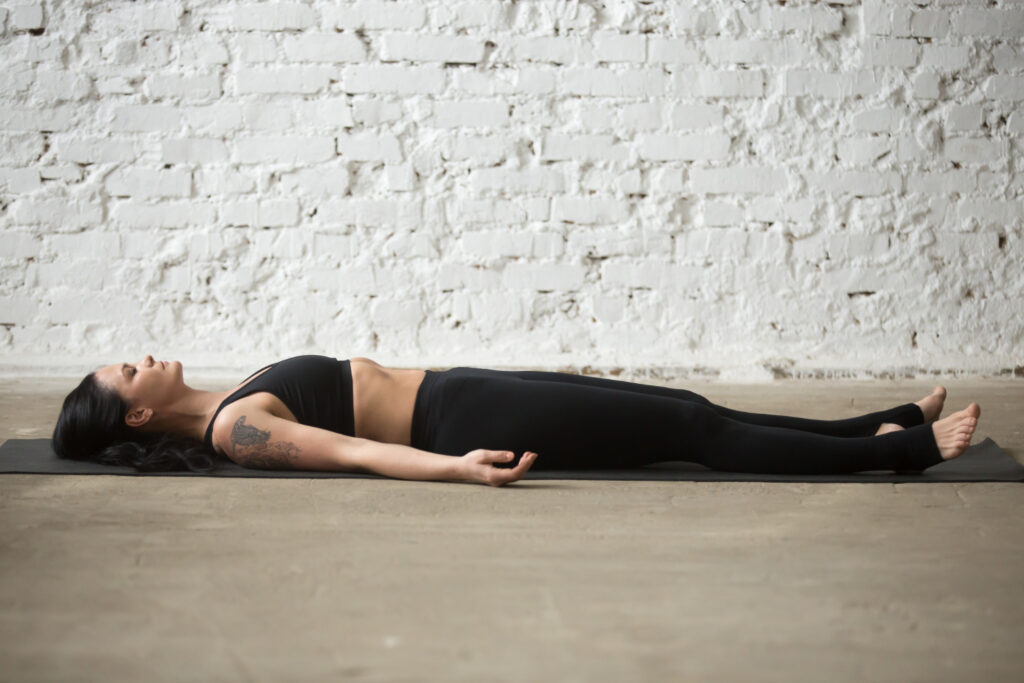
10 Supported Savasana (Corpse Pose).
– Lie on your back with your legs extended and your arms relaxed by your sides, palms facing up.
– Place a bolster or folded blanket under your knees to support your lower back.
– Close your eyes and allow your entire body to melt into the mat.
– Relax and surrender into stillness, focusing on deep, mindful breathing.
– Stay in this pose for 5-10 minutes, absorbing the benefits of your practice.
| 💡 Tips Verywel Fit.com Remember, restorative yoga is a gentle and nurturing practice, so listen to your body and modify poses as needed. With regular practice, these heart-opening poses will help you cultivate a sense of peace, openness, and self-acceptance. Enjoy the journey! |
Bottom Line.
Heart opening restorative yoga poses can be a beneficial practice for beginners looking to enhance their physical and emotional well-being. These poses, such as the supported bridge pose, the reclined bound angle pose, and the supported fish pose, help to open the chest, stretch the shoulders and back, and create space in the heart center.
By incorporating these poses into a regular yoga routine, beginners can experience improved posture, increased flexibility, reduced stress, and a greater sense of emotional balance. However, it is important for beginners to approach these poses with patience and listen to their bodies, modifying or skipping poses if needed. With consistent practice, beginners can gradually deepen their practice and reap the numerous benefits of heart opening restorative yoga poses.
+1 Sources
Verywelfit has strict sourcing guidelines and relies on peer-reviewed studies, educational research institutes, and medical organizations. We avoid using tertiary references. You can learn more about how we ensure our content is accurate and up-to-date by reading our editorial policy.
- Role of Yoga in Cardiovascular Diseases; https://www.sciencedirect.com/science/article/abs/pii/S0146280623004498