















 latihan

 meditasi






Pertama kali saya mencoba push up yoga, saya berasumsi itu akan lebih mudah daripada push-up tradisional karena kata “yoga” membuat saya berpikir tentang peregangan lambat dan gerakan lembut.
Saya tidak bisa lebih salah.
Dalam beberapa pengulangan, saya menyadari bahwa latihan ini tidak hanya menantang kekuatan tubuh bagian atas saya tetapi juga keseimbangan, fleksibilitas, koordinasi, dan pernapasan saya. Tidak seperti push-up standar, yoga push up menggabungkan gerakan terkontrol dengan postur yoga, menciptakan latihan seluruh tubuh yang terasa menguat dan memberi energi.
Salah satu alasan saya menghargai push up yoga adalah karena mereka tidak hanya fokus pada membangun otot. Mereka juga mendorong postur tubuh yang lebih baik, kesadaran tubuh, dan mobilitas. Apakah Anda baru mengenal Kebugaran atau ingin menambahkan variasi ke rutinitas latihan Anda, gerakan ini bisa menjadi tambahan yang berharga bila dilakukan dengan teknik yang tepat.
Cerita terkait
 10 Pose Yoga Restoratif Pembukaan Jantung yang Menakjubkan untuk Pemula
 Cara Meningkatkan Mobilitas Bahu: Perjalanan Pribadi Saya Menuju Gerakan Bebas Rasa Sakit dan Bahu yang Lebih Kuat
Dalam panduan ini, saya akan menjelaskan apa itu push up yoga, bagaimana melakukannya dengan benar, otot-ototnya bekerja, dan Tips Praktis Untuk membantu Anda menguasai gerakan dengan aman.
Apa itu push up yoga?
Yoga Push Up adalah latihan berat badan dinamis yang memadukan elemen push-up tradisional dengan gerakan yoga yang mengalir.(1)
Biasanya melibatkan bergerak melalui posisi seperti:
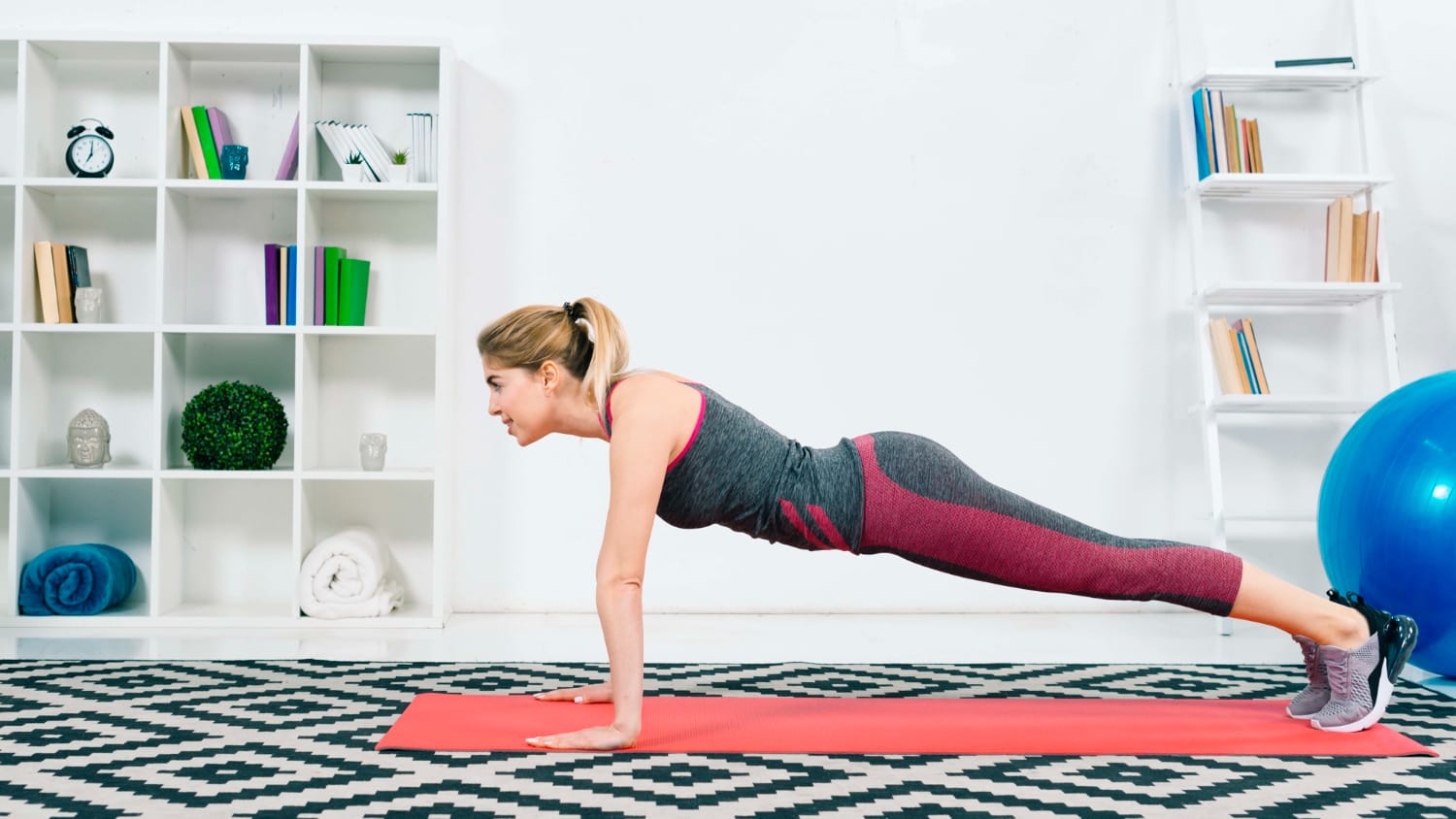
- pose papan
- Chaturanga (Peskan Rendah)
- Pose anjing atau kobra yang menghadap ke atas
- anjing yang menghadap ke bawah
Karena beberapa postur yoga dihubungkan bersama dalam satu gerakan terus menerus, latihan ini mengembangkan kekuatan dan fleksibilitas pada saat yang bersamaan.

Tidak seperti push-up konvensional yang terutama menekankan kekuatan mendorong, push up yoga mendorong gerakan terkontrol melalui rentang gerak yang lebih besar sambil mengoordinasikan setiap fase dengan pernapasan Anda.
Kesan pertama saya tentang push up yoga.
Ketika saya pertama kali melihat seseorang melakukan push up yoga, itu terlihat mulus dan mudah.
Namun, begitu saya mencobanya sendiri, saya segera menyadari bahwa mempertahankan bentuk yang baik diperlukan:
- Stabilitas bahu
- Kekuatan inti
- Mobilitas Pinggul
- Fleksibilitas hamstring
- pernapasan terkontrol
Daripada terburu-buru melalui pengulangan, saya menemukan bahwa memperlambat dan berfokus pada teknik membuat latihan jauh lebih efektif.
Dari mana asal usul yoga push up?
Push up yoga tidak berasal dari satu pose yoga tradisional. Sebaliknya, ia berkembang dari Vinyasa Yoga, gaya yoga di mana postur mengalir terus menerus dari satu gerakan ke gerakan lainnya dalam koordinasi dengan napas.
Banyak kelas yoga termasuk urutan yang disebut aliran vinyasa, yang bertransisi melalui:
- papan tinggi
- Chaturanga Dandasana
- anjing yang menghadap ke atas
- anjing yang menghadap ke bawah
Profesional kebugaran kemudian mengadaptasi urutan yang mengalir ini menjadi apa yang sekarang disebut banyak orang sebagai push up yoga.
Hari ini, ini umum digunakan di:
- Kelas Yoga
- Kebugaran Fungsional
- Latihan HIIT
- Pelatihan mobilitas
- Program Latihan Berat Badan
Bagaimana push up yoga berbeda dari push-up biasa?
Meskipun kedua latihan memperkuat tubuh bagian atas, mereka menekankan pola gerakan yang berbeda.
| ciri | Yoga Push Up | Push-up tradisional |
|---|---|---|
| gerakan | Urutan aliran dinamis | lanjuan |
| keluwesan | tinggi | sedang |
| Aktivasi Inti | tinggi | tinggi |
| mobilitas bahu | maha | sedang |
| Integrasi Yoga | ya | ndak |
| Fokus pernapasan | kuat | sedang |
Push-up tradisional terutama menargetkan kekuatan yang mendorong, sementara push up yoga menggabungkan kekuatan, mobilitas, dan fleksibilitas menjadi satu latihan berkelanjutan.
Otot bekerja selama push up yoga.
Salah satu alasan saya menikmati push up yoga adalah karena mereka melibatkan beberapa kelompok otot secara bersamaan.(2),(3)
dada (pectoral).
Otot dada memberikan banyak daya dorong selama fase penurunan dan penekanan.
bahu (deltoid).
Bahu menstabilkan lengan sepanjang gerakan dan membantu transisi di antara posisi yoga.
trisep.
Trisep memperpanjang siku saat Anda menekan dari lantai.
otot inti.
Anda:
- rektus abdominis
- Abdominis transversal
- miring
Bekerja terus menerus untuk menstabilkan tubuh Anda dan menjaga keselarasan yang tepat.
otot punggung.
Beberapa otot membantu seluruh urutan, termasuk:
- latissimus dorsi
- belah urat
- tragezius
- pembina tulang belakang
Otot-otot ini membantu mendukung postur dan stabilitas tulang belakang.
glutes.
Otot glute Anda menstabilkan pinggul dan menjaga keselarasan tubuh.
fleksor pinggul.
Fleksor pinggul membantu mengontrol gerakan selama transisi di antara pose.
hamstring.
Saat Anda bergerak ke anjing yang menghadap ke bawah, paha belakang mengalami peregangan lembut yang berkontribusi pada Fleksibilitas yang ditingkatkan Seiring waktu.
anak sapi.
Betis membantu dengan stabilitas pergelangan kaki dan juga diregangkan selama posisi akhir.
Manfaat melibatkan beberapa kelompok otot.
Karena begitu banyak otot yang bekerja bersama, push up yoga dapat membantu meningkatkan:
- Kekuatan Fungsional
- koordinasi tubuh
- Daya tahan otot
- kestabilan
- Kualitas gerakan
Alih-alih mengisolasi satu kelompok otot, latihan ini melatih tubuh Anda untuk bergerak sebagai sistem yang terintegrasi.
Bagaimana cara melakukan yoga push up selangkah demi selangkah?
Mempelajari teknik yang tepat lebih penting daripada menyelesaikan banyak pengulangan.
Saya selalu merekomendasikan menguasai gerakan perlahan sebelum meningkatkan kecepatan atau volume.
Langkah 1: Mulai di papan tinggi.
Mulailah dengan Anda:
- tangan tepat di bawah bahu Anda
- Lengan Lurus
- Inti Terlibat
- Kaki terentang
- tubuh membentuk garis lurus dari kepala hingga tumit
Hindari membiarkan pinggul Anda melorot atau terangkat terlalu tinggi.
Langkah 2: Turunkan ke Chaturanga.
Saat Anda menarik napas atau menghembuskan napas (tergantung pada tradisi yoga pilihan Anda), perlahan tekuk siku Anda.
Jaga agar siku Anda tetap dekat dengan tulang rusuk Anda daripada membiarkannya melebar ke luar.
bawah sampai lengan atas Anda kira-kira sejajar dengan lantai.
Pertahankan tubuh lurus di seluruh.
Langkah 3: Transisi ke anjing yang menghadap ke atas.
Gulung bahu Anda ke belakang.
Tekan melalui tangan Anda.
Angkat dadamu.
Luruskan lengan Anda sambil membiarkan pinggul Anda bergerak ke lantai.
Jauhkan bahu Anda dari telinga Anda.
Langkah 4: Bergerak ke anjing yang menghadap ke bawah.
Tekan dengan kuat melalui telapak tangan Anda.
Angkat pinggul ke atas dan ke belakang.
Luruskan lengan Anda.
memanjangkan tulang belakang Anda.
Biarkan tumit Anda bergerak dengan lembut ke lantai.
Tubuh Anda harus menyerupai “V” terbalik.”
Langkah 5: Kembali ke papan tinggi.
Geser tubuh Anda ke depan sampai Anda kembali ke posisi papan.
Ini melengkapi satu pengulangan.
Ulangi sambil mempertahankan gerakan lambat dan terkontrol.
teknik pernapasan yang tepat.
Satu hal yang saya pelajari dengan cepat adalah bahwa bernapas membuat perbedaan yang signifikan.
Alih-alih menahan napas:
- Tarik napas saat Anda mempersiapkan diri.
- Buang napas selama fase penurunan.
- Tarik napas saat Anda mengangkat dada.
- Buang napas sambil menekan kembali ke anjing yang menghadap ke bawah.
Menyinkronkan nafas dengan gerakan membantu Meningkatkan kontrol dan mengurangi ketegangan yang tidak perlu.
Tips keselarasan umum untuk pemula.
Keselarasan yang baik membantu memaksimalkan Manfaat sekaligus mengurangi risiko cedera.
Saya sarankan untuk fokus pada poin-poin ini:
Jaga leher Anda tetap netral.
Hindari melihat terlalu jauh ke depan atau menjatuhkan kepala Anda.
Libatkan inti Anda.
Bayangkan dengan lembut tarik pusar Anda ke arah tulang belakang Anda.
Rilekskan bahu Anda.
Hindari mengangkat bahu ke arah telinga.
Jaga agar siku tetap dekat.
Membiarkan siku melebar secara berlebihan menempatkan tekanan tambahan pada bahu.
bergerak perlahan.
Gerakan terkontrol meningkatkan keterlibatan dan teknik otot.
modifikasi pemula.
Jika push up yoga penuh terasa terlalu sulit pada awalnya, cobalah opsi yang lebih mudah ini.
Push Up Yoga Lutut.
Jaga lutut Anda di lantai selama fase penurunan.
Peningkatan yoga yang meningkat.
Letakkan tangan Anda di atas:
- Sebuah Bangku
- Blok Yoga
- Kursi yang kokoh
Mengurangi sudut mengurangi jumlah Berat Badan Anda harus mengangkat.
rentang gerak yang lebih pendek.
alih-alih Menurunkan Sepanjang Jalan Untuk Chaturanga, mulailah dengan rentang yang lebih kecil dan secara bertahap tingkatkan kedalaman saat kekuatan meningkat.
Siapa yang bisa mendapatkan keuntungan dari push up yoga?
Push up yoga mungkin cocok untuk banyak orang, termasuk:
- Pemula belajar latihan berat badan
- Praktisi Yoga
- Penggemar latihan kekuatan
- olahraga rumah
- Orang yang menginginkan postur yang lebih baik
- Individu yang ingin meningkatkan mobilitas
- Atlet kebugaran fungsional
Seperti halnya latihan apa pun, mereka yang memiliki cedera bahu, pergelangan tangan, atau punggung harus berkonsultasi dengan ahli kesehatan atau terapis fisik yang memenuhi syarat sebelum menambahkan push up yoga ke dalam rutinitas mereka.
Berapa banyak push up yoga yang harus dilakukan pemula?
Saat memulai, saya sarankan memprioritaskan teknik daripada pengulangan.
Titik awal yang sederhana mungkin:
- pemula: 5–8 pengulangan × 2–3 set
- Menengah: 8–12 Pengulangan × 3 set
- lanjutan: 12–15 pengulangan × 3–4 set
istirahat untuk 30–60 detik antara set dan berhenti jika Anda mengalami rasa sakit atau kehilangan bentuk yang tepat.
Manfaat push up yoga.
Begitu saya merasa nyaman dengan gerakan itu, saya menyadari bahwa Yoga Push Up lebih dari sekadar latihan tubuh bagian atas. Ini menggabungkan latihan kekuatan, fleksibilitas, keseimbangan, dan pernapasan terkontrol menjadi satu urutan yang mengalir.
Tidak seperti banyak latihan berat badan tradisional yang menargetkan satu area, push up yoga melibatkan seluruh tubuh sambil mendorong gerakan yang penuh perhatian.
mari Jelajahi manfaat terbesar.
1. Membangun kekuatan tubuh bagian atas.
Salah satu yang paling jelas Manfaatnya adalah peningkatan kekuatan tubuh bagian atas.
Selama setiap pengulangan, beberapa otot bekerja sama, termasuk:
- peti mayat
- pundak
- trisep
- punggung bagian atas
Karena Anda mengangkat berat badan Anda sendiri, latihan ini secara bertahap meningkatkan daya tahan otot dan kekuatan fungsional.
Seiring waktu, otot-otot tubuh bagian atas yang lebih kuat dapat membuat aktivitas sehari-hari—seperti mengangkat bahan makanan atau mendorong benda-benda berat—merasa lebih mudah.
2 .Menguatkan inti Anda.
Push up yoga bukan hanya tentang lengan Anda.
Sepanjang gerakan, otot perut Anda bekerja terus menerus untuk menstabilkan tulang belakang Anda.
Otot inti Anda membantu mencegah:
- Penambatan punggung bawah yang berlebihan
- Pinggul kendur
- Kehilangan keseimbangan
Inti yang lebih kuat dapat berkontribusi pada:
- Postur yang lebih baik
- keseimbangan yang ditingkatkan
- Stabilitas yang lebih besar selama latihan
- Mengurangi risiko ketidaknyamanan punggung bawah
3. Meningkatkan fleksibilitas.
Tidak seperti push-up biasa, push up yoga termasuk peregangan yang meningkatkan mobilitas.
Misalnya:
Anjing yang menghadap ke atas meregangkan:
- peti mayat
- ari-ari
- fleksor pinggul
Anjing yang menghadap ke bawah meregang:
- paha
- lembu jantan
- pundak
- duri
Seiring waktu, kombinasi kekuatan dan peregangan ini dapat meningkatkan fleksibilitas secara keseluruhan.
4. Meningkatkan mobilitas bahu.
banyak orang Habiskan jam duduk di meja atau melihat ke telepon.
Hal ini sering menyebabkan bahu kaku dan postur tubuh yang buruk.
Karena push up yoga menggerakkan bahu melalui beberapa posisi, mereka dapat membantu meningkatkan:
- mobilitas bahu
- Stabilitas sendi
- gerak badan
Bentuk yang tepat sangat penting untuk menghindari tekanan yang tidak perlu pada sendi bahu.
5. Mendukung postur yang lebih baik.
Postur tubuh yang buruk sering berkembang dari duduk yang lama dan otot punggung atas yang lemah.
Yoga Push Up mendorong:
- bukaan dada
- ekstensi tulang belakang
- Keterlibatan inti
- Stabilitas bahu
Kualitas ini dapat berkontribusi pada postur yang lebih sehat dari waktu ke waktu ketika dikombinasikan dengan gerakan teratur sepanjang hari.
6. Meningkatkan kebugaran fungsional.
Salah satu alasan saya menikmati latihan berat badan adalah karena mereka sering meniru pola gerakan kehidupan nyata.
Yoga Push Up meningkatkan kemampuan Anda untuk:
- dorongan
- mempertetapkan
- imbangan
- Transisi dengan lancar antar posisi
Kekuatan fungsional membantu mendukung kegiatan sehari-hari, olahraga, dan latihan rekreasi.
7 .Meningkatkan kesadaran tubuh.
Yoga menekankan gerakan yang penuh perhatian.
Alih-alih hanya menghitung pengulangan, saya mendapati diri saya memperhatikan:
- pernafasan
- keserbaan
- Aktivasi otot
- imbangan
- Kualitas gerakan
Kesadaran tubuh yang meningkat ini sering kali beralih ke bentuk latihan lainnya.
8. Meningkatkan daya tahan otot.
Melakukan beberapa pengulangan menantang otot untuk mempertahankan upaya dari waktu ke waktu.
Dengan latihan yang konsisten, push up yoga dapat meningkatkan daya tahan di:
- peti mayat
- pundak
- perang
- inti
Daya tahan otot menjadi semakin penting untuk latihan yang lebih lama dan aktivitas sehari-hari.
9. tidak memerlukan peralatan.
Salah satu hal favorit saya tentang push up yoga adalah kesederhanaannya.
Yang Anda butuhkan adalah:
- Matras Yoga (opsional)
- pakaian yang nyaman
- Ruang yang cukup untuk bergerak
Karena tidak ada peralatan yang diperlukan, mereka sempurna untuk:
- Latihan di rumah
- perjalanan
- Latihan di luar ruangan
- Apartemen kecil
10. Dapat disesuaikan untuk tingkat kebugaran yang berbeda.
Push up yoga dapat dimodifikasi tergantung pada pengalaman Anda.
Pemula dapat melakukan:
- Push Up Yoga Lutut
- Push up yoga yang ditinggikan
- rentang gerak yang lebih pendek
Latihan tingkat lanjut dapat meningkatkan tantangan dengan:
- Memperlambat tempo
- Meningkatkan pengulangan
- Menambahkan jeda penangguhan
- Menggabungkannya menjadi urutan yoga yang mengalir
Bisakah yoga push up membantu menurunkan berat badan?
Pertanyaan umum lainnya yang saya dengar adalah:
“Apakah Push Up Yoga Baik untuk Menurunkan Berat Badan?”
Jawabannya adalah:
Mereka dapat mendukung penurunan berat badan—tetapi mereka tidak secara langsung membakar lemak sendiri.
Penurunan Berat Terutama tergantung pada mempertahankan defisit kalori melalui kombinasi:
- Nutrisi seimbang
- aktivitas fisik
- Tidur yang cukup
- kemantapan
Yoga Push Up Berkontribusi oleh:
- Membakar kalori
- Membangun otot
- Meningkatkan kebugaran fungsional
- Mendukung kebiasaan olahraga secara teratur
Memasukkan mereka dalam latihan seluruh tubuh dapat meningkatkan pengeluaran energi Anda secara keseluruhan.
Yoga push up untuk kekuatan.
Tidak seperti latihan isolasi yang hanya menargetkan satu kelompok otot, yoga push up membangun Kekuatan Fungsional di berbagai area tubuh.
Latihan rutin dapat meningkatkan:
- Kekuatan Dorongan
- Stabilitas bahu
- daya tahan inti
- Dukungan grip
- Kontrol tubuh secara keseluruhan
Hal ini membuat mereka berguna bagi orang-orang yang berpartisipasi dalam:
- yoga
- Kebugaran Fungsional
- gerak badan
- Latihan beban tubuh
Yoga Push Up untuk fleksibilitas.
Fleksibilitas adalah salah satu perbedaan terbesar antara push up yoga dan push-up tradisional.
Gerakan ini meregangkan beberapa kelompok otot, termasuk:
- peti mayat
- paha
- lembu jantan
- fleksor pinggul
- duri
- pundak
Seiring waktu, peningkatan fleksibilitas dapat membantu mengurangi kekakuan dan membuat gerakan sehari-hari terasa lebih nyaman.
Yoga Push Up vs Push-up Tradisional.
Meskipun latihan ini terlihat agak mirip, mereka melatih tubuh secara berbeda.
| ciri | Yoga Push Up | Push-up tradisional |
|---|---|---|
| Tujuan utama | Kekuatan + fleksibilitas | Kekuatan tubuh bagian atas |
| Keterlibatan inti | tinggi | tinggi |
| Pelatihan mobilitas | sangat baik | terbatas |
| peregangan termasuk | ya | ndak |
| aliran yoga | ya | ndak |
| kesusahan | sedang | sedang–tinggi |
| Terbaik untuk | Kebugaran Fungsional & Mobilitas | Pengembangan kekuatan |
Tidak ada latihan yang lebih baik.
Banyak profesional kebugaran termasuk keduanya dalam Rutinitas latihan yang seimbang.
kesalahan umum yang harus dihindari.
Teknik yang tepat membantu memaksimalkan hasil sekaligus mengurangi risiko cedera.
Berikut adalah kesalahan yang paling sering saya lihat.
1. Membiarkan pinggul melorot.
Membiarkan pinggul Anda jatuh menempatkan tekanan yang tidak perlu di punggung bawah.
sebagai gantinya:
- Kencangkan inti Anda.
- Jaga Tubuh Anda sejajar dari kepala hingga tumit.
2 . melembutkan siku.
Siku lebar meningkatkan tekanan bahu.
Bertujuan untuk menjaga siku Anda dekat dengan tubuh Anda selama chaturanga.
3. Bergegas melalui gerakan.
Push up yoga tidak dimaksudkan untuk dilakukan secepat mungkin.
Gerakan yang lebih lambat meningkat:
- Aktivasi otot
- kestabilan
- koordinasi
4. menahan napas.
Pernapasan harus tetap lancar sepanjang setiap pengulangan.
Mengkoordinasikan napas dengan gerakan membantu meningkatkan kontrol.
5. Melewatkan keterlibatan inti.
Aktivasi inti yang lemah sering menyebabkan:
- bahu bulat
- lengkungan punggung bawah
- Sikap yang buruk
Selalu ikat otot perut Anda sebelum menurunkan.
6. Terlalu melihat ke depan.
Memperluas leher secara berlebihan dapat menimbulkan ketegangan yang tidak perlu.
Jaga pandangan Anda sedikit ke depan sambil mempertahankan leher netral.
7 . memaksa fleksibilitas.
Beberapa pemula mencoba mendorong terlalu dalam ke anjing yang menghadap ke atas atau anjing yang menghadap ke bawah.
bergerak hanya dalam jangkauan yang nyaman.
Fleksibilitas meningkat secara bertahap dengan latihan yang konsisten.
Variasi push up yoga.
Setelah Anda menguasai gerakan dasar, beberapa variasi dapat menambah variasi.
Push Up Yoga Lutut.
Ideal untuk pemula kekuatan bangunan.
Celak Yoga Push Up.
Tangan tetap terangkat pada permukaan yang kokoh.
Ini mengurangi jumlah berat badan yang diangkat.
Push up yoga tempo lambat.
Jeda selama dua atau tiga detik selama setiap fase.
Ini meningkatkan waktu di bawah tekanan.
Yoga satu kaki push up.
Angkat satu kaki selama anjing menghadap ke bawah untuk menantang keseimbangan dan stabilitas inti.
Power Yoga Push Up.
dilakukan terus menerus sebagai bagian dari aliran yoga yang lebih cepat.
Ini meningkatkan permintaan kardiovaskular.
Seberapa sering Anda harus berlatih push up yoga?
Kebanyakan orang dewasa yang sehat dapat memasukkan push up yoga dalam rutinitas latihan mereka 2-4 kali seminggu, tergantung pada tingkat kebugaran dan pemulihan mereka.
Pedoman Umum:
- pemula: 2 sesi per minggu
- Menengah: 3 sesi per minggu
- lanjutan: 3-4 sesi per minggu
Biarkan setidaknya satu hari Pemulihan antara latihan tubuh bagian atas yang intens untuk memberi waktu otot Anda untuk memperbaiki dan memperkuat.
Bisakah pemula belajar push up yoga?
Tentu.
Ketika saya pertama kali memulai, saya fokus pada:
- Mempelajari bentuk yang tepat
- Bergerak perlahan
- kekuatan bangunan secara bertahap
- Mengutamakan kualitas di atas kuantitas
Memulai dengan modifikasi yang lebih mudah dan kemajuan dengan kecepatan Anda sendiri seringkali merupakan pendekatan yang paling aman dan paling efektif.
Menggabungkan push up yoga dengan latihan lainnya.
Push up yoga bekerja dengan baik di samping latihan seperti:
- Squat berat badan
- payung
- papan
- jembatan glute
- anjing burung
- Kucing-sapi peregangan
- pendaki gunung
Bersama-sama, gerakan-gerakan ini menciptakan rutinitas yang seimbang yang menargetkan kekuatan, mobilitas, stabilitas, dan daya tahan.
Siapa yang harus menghindari push up yoga?
Meskipun push up yoga adalah latihan berat badan yang sangat baik bagi banyak orang, mereka mungkin tidak cocok untuk semua orang. Jika Anda memiliki cedera atau kondisi medis yang ada, penting untuk berbicara dengan profesional kesehatan atau terapis fisik yang memenuhi syarat sebelum menambahkannya ke rutinitas Anda.
Orang yang harus berhati-hati antara lain:
- Individu dengan cedera bahu
- orang dengan parah nyeri pergelangan tangan atau sindrom terowongan karpal
- Siapa pun yang pulih dari operasi dada atau tubuh bagian atas
- Orang dengan tekanan darah tinggi yang tidak terkontrol (selama latihan berat)
- Individu dengan akut sakit punggung bawah
- Ada yang disarankan untuk menghindari latihan menahan beban
Jika Anda mengalami rasa sakit yang tajam selama gerakan, segera hentikan dan cari bimbingan profesional.
Tips keamanan untuk push up yoga.
Untuk melakukan push up yoga dengan aman, saya selalu fokus pada kualitas daripada kuantitas.
Berikut adalah beberapa tips keamanan yang dapat membuat perbedaan besar:
Pemanasan dulu.
Persiapkan otot Anda dengan aktivitas ringan selama 5-10 menit dan peregangan dinamis sebelum memulai.
mempertahankan bentuk yang tepat.
Hindari teknik pengorbanan hanya untuk menyelesaikan lebih banyak pengulangan.
Bentuk yang baik mengurangi stres pada:
- pundak
- pergelangan tangan
- punggung bawah
- siku
Dengarkan tubuh Anda.
Kelelahan otot adalah normal, tetapi nyeri yang tajam atau terus-menerus tidak.
Istirahatlah jika diperlukan.
Hindari menahan napas.
Pernapasan yang stabil membantu meningkatkan stabilitas dan mencegah ketegangan yang tidak perlu.
maju secara bertahap.
Tingkatkan pengulangan, set, atau kesulitan hanya setelah Anda menguasai gerakan dasar.
Rutinitas pemanasan sebelum push up yoga.
Pemanasan yang tepat mempersiapkan sendi dan otot Anda untuk bergerak.
Saya merekomendasikan pengeluaran tentang 5-10 menit pada yang berikut ini:
Peregangan kucing-sapi.
- 10 pengulangan
Membantu memobilisasi tulang belakang.
lingkaran lengan.
- 20 detik ke depan
- 20 detik mundur
Menghangatkan bahu.
Gulungan bahu.
- 10 pengulangan
lingkaran pergelangan tangan.
- 20 detik setiap arah
Mempersiapkan pergelangan tangan untuk menahan beban.
Tahan papan tinggi.
- 20–30 detik
Mengaktifkan inti dan bahu.
anjing menghadap ke bawah.
- Tahan selama 20-30 detik
Meregangkan betis, paha belakang, dan bahu dengan lembut.
rutinitas pendinginan.
Pendinginan setelah latihan Anda dapat membantu mengurangi kekencangan otot.
Peregangan sederhana meliputi:
Pose anak.
berpegang pd 30–60 detik.
peregangan kobra.
berpegang pd 20–30 detik.
Peregangan benang-jarum.
Membantu melepaskan ketegangan di bahu dan punggung atas.
Lipatan berdiri ke depan.
meregangkan paha belakang dan punggung bawah.
peregangan dada.
berpegang pd 20–30 detik di setiap sisi.
Latihan push up yoga pemula.
Jika Anda baru memulai, inilah rutinitas sederhana yang Anda bisa Ikuti 2-3 kali seminggu.
| gerak badan | alat pemukat | ulangan |
|---|---|---|
| papan tinggi | 2 | 20–30 detik |
| Push Up Yoga Lutut | 2 | 6–8 |
| Push up yoga standar | 2 | 5–8 |
| Tahan anjing ke bawah | 2 | 20 detik |
| Pose anak | 2 | 30 detik |
istirahat 45–60 detik antar set.
Rutinitas push up yoga menengah.
Setelah Anda merasa nyaman dengan dasar-dasarnya, Anda dapat secara bertahap meningkatkan tantangan.
| gerak badan | alat pemukat | ulangan |
|---|---|---|
| Yoga Push Up | 3 | 10–12 |
| palka | 3 | 40 detik |
| papan samping | 2 | 30 detik setiap sisi |
| Peregangan kobra | 2 | 30 detik |
| anjing ke bawah | 2 | 30 detik |
Rutinitas push up yoga tingkat lanjut.
Untuk olahragawan berpengalaman mencari kekuatan dan daya tahan yang lebih besar.
| gerak badan | alat pemukat | ulangan |
|---|---|---|
| Push up yoga tempo lambat | 4 | 12–15 |
| Push up yoga satu kaki | 3 | 8 Setiap sisi |
| Papan ke anjing ke bawah | 3 | 15 |
| Chaturanga | 3 | 20 detik |
| Peregangan anjing ke atas | 2 | 30 detik |
Bagaimana kemajuan dari waktu ke waktu?
Kemajuan tidak selalu berarti melakukan lebih banyak pengulangan.
Anda juga dapat meningkatkan dengan:
- memperlambat gerakan
- Meningkatkan rentang gerak
- Meningkatkan fleksibilitas
- Menyempurnakan pernapasan Anda
- Mengurangi waktu istirahat
- Menambahkan lebih banyak set secara bertahap
Perbaikan kecil dan konsisten sering menghasilkan hasil jangka panjang yang lebih baik.
Mitos umum tentang push up yoga.
Mari kita menjernihkan beberapa kesalahpahaman umum.
Mitos 1: Push up yoga itu mudah.
Fakta: Mereka membutuhkan kekuatan, keseimbangan, fleksibilitas, dan koordinasi, membuat mereka menantang bagi banyak pemula.
Mitos 2: Mereka hanya meningkatkan fleksibilitas.
Fakta: Yoga Push Up memperkuat dada, bahu, trisep, inti, dan punggung sekaligus meningkatkan fleksibilitas.
Mitos 3: Mereka menggantikan setiap latihan lainnya.
Fakta: Meskipun efektif, mereka bekerja paling baik sebagai bagian dari rutinitas kebugaran yang lengkap yang mencakup latihan tubuh bagian bawah, kardiovaskular, dan mobilitas.
Mitos 4: Lebih cepat lebih baik.
Fakta: Pengulangan yang lambat dan terkontrol meningkatkan aktivasi otot dan mengurangi risiko cedera.
Mitos 5: Hanya praktisi yoga yang dapat melakukannya.
Fakta: Siapa pun yang memiliki kekuatan dan mobilitas yang tepat dapat belajar push up yoga melalui perkembangan bertahap dan teknik yang tepat.
pertanyaan yang sering diajukan.
1. Apa itu push up yoga?
Yoga Push Up adalah latihan berat badan dinamis yang menggabungkan push-up tradisional dengan pose yoga seperti papan, chaturanga, anjing yang menghadap ke atas, dan anjing yang menghadap ke bawah.
2. Otot apa yang bekerja dengan push up yoga?
Yoga Push Ups terutama menargetkan dada, bahu, trisep, inti, punggung, glutes, dan kaki sekaligus meningkatkan fleksibilitas dan keseimbangan.
3. Apakah push up yoga baik untuk pemula?
YA. Pemula dapat memulai dengan versi yang dimodifikasi, seperti push up yoga lutut atau push up yoga miring, sebelum melanjutkan ke gerakan penuh.
4. Bisakah yoga push up membantu menurunkan berat badan?
Mereka dapat berkontribusi pada penurunan berat badan dengan meningkatkan aktivitas fisik dan membangun otot, tetapi mereka bekerja paling baik bila dikombinasikan dengan diet seimbang dan olahraga teratur.
5. Berapa banyak push up yoga yang harus saya lakukan?
Pemula dapat memulai dengan 5–8 pengulangan untuk 2–3 set, secara bertahap meningkat seiring dengan peningkatan kekuatan dan teknik.
6. Apakah push up yoga lebih baik daripada push-up biasa?
Tidak ada yang lebih baik secara universal. Push up yoga menggabungkan kekuatan, fleksibilitas, dan mobilitas, sementara push-up tradisional lebih menekankan pada kekuatan mendorong tubuh bagian atas.
7 Bisakah saya melakukan push up yoga setiap hari?
Bagi kebanyakan orang, lebih baik untuk melatihnya 2-4 kali seminggu Untuk memungkinkan otot dan sendi waktu yang cukup untuk pulih.
8. Apakah push up yoga membangun otot?
YA. Mereka membantu memperkuat dada, bahu, trisep, dan inti, terutama bila dilakukan secara konsisten dengan kelebihan beban progresif dan nutrisi yang tepat.
pemikiran akhir.
sang Yoga Push Up lebih dari sekadar variasi push-up tradisional. Ini menggabungkan latihan kekuatan, mobilitas, fleksibilitas, keseimbangan, dan pernapasan penuh perhatian menjadi satu gerakan yang mengalir, menjadikannya tambahan yang berharga untuk banyak rutinitas kebugaran.
Yang paling saya hargai dari latihan ini adalah keserbagunaannya. Pemula dapat memulai dengan modifikasi sederhana, sementara individu yang lebih berpengalaman dapat berkembang menjadi variasi lanjutan yang menantang kekuatan dan koordinasi. Selain membangun dada, bahu, dan trisep, push up yoga juga mendorong postur tubuh yang lebih baik, kesadaran tubuh yang lebih besar, dan peningkatan fleksibilitas melalui urutan gerakan dinamisnya.
Seperti latihan lainnya, kesuksesan datang dari konsistensi dan teknik yang tepat daripada terburu-buru melalui pengulangan. Berfokus pada gerakan terkontrol, pernapasan stabil, dan perkembangan bertahap akan membantu Anda mendapatkan manfaat terbesar sekaligus mengurangi risiko cedera.
Apakah tujuan Anda adalah untuk meningkatkan kekuatan fungsional, meningkatkan fleksibilitas, mendukung pengurusan beban, atau cukup tambahkan variasi ke latihan Anda, push up yoga bisa menjadi latihan yang efektif dan bermanfaat saat dipraktikkan sebagai bagian dari program kebugaran yang seimbang.
+3 Sumber
VeryWelFit memiliki pedoman pengadaan yang ketat dan bergantung pada studi peer-review, lembaga penelitian pendidikan, dan organisasi medis. Kami menghindari penggunaan referensi tersier. Anda dapat mempelajari lebih lanjut tentang bagaimana kami memastikan konten kami akurat dan terkini dengan membaca Kebijakan Editorial.
- Analisis kinetik latihan push-up: tinjauan sistematis dengan rekomendasi praktis; https://pubmed.ncbi.nlm.nih.gov/30284496/
- Elektromiografi stabilisator skapula pada orang tanpa diskinesis skapula selama push-up: tinjauan sistematis dan meta-analisis; https://pubmed.ncbi.nlm.nih.gov/38116582/
- Serratus Anterior dan atas analisis elektromiografi trapeziografi push-up plus: tinjauan sistematis dan meta-analisis; https://pubmed.ncbi.nlm.nih.gov/31584855/