




































 Workout

 Meditation






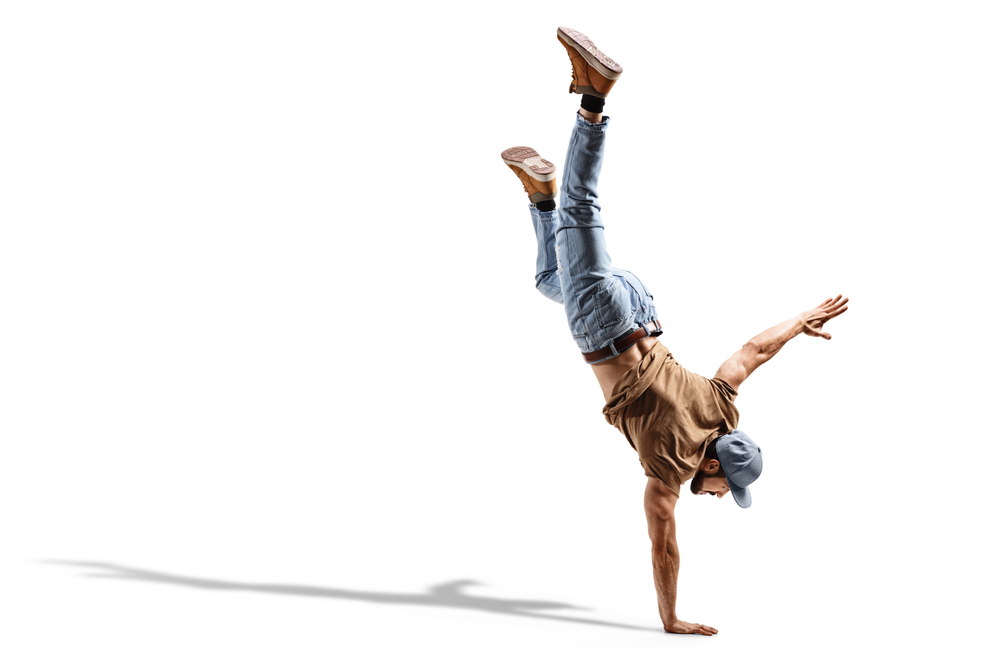
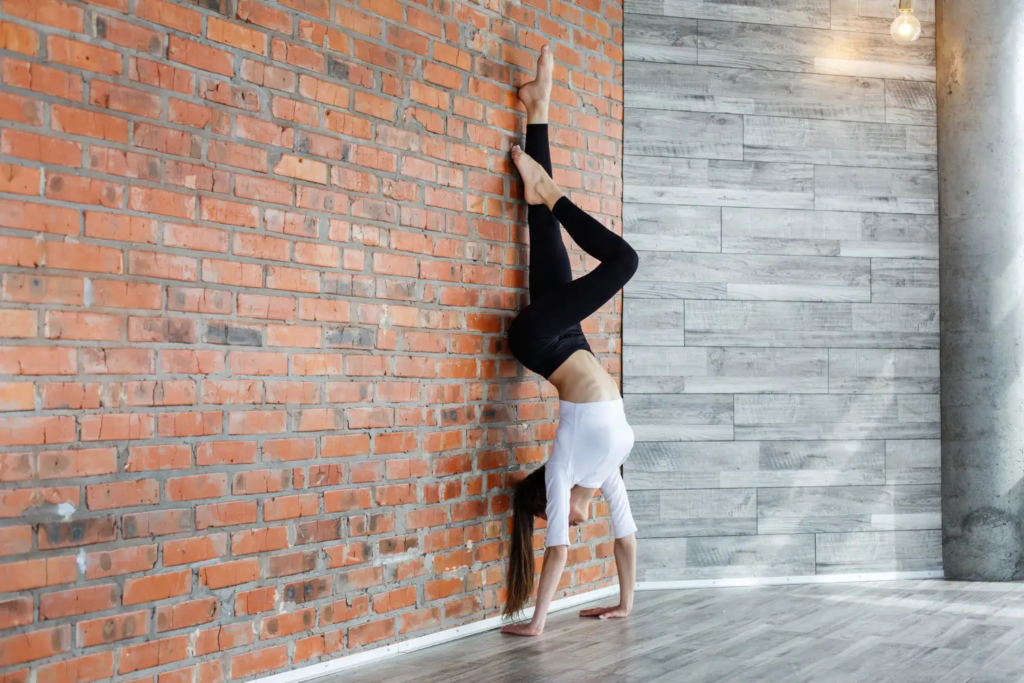
The one-hand stand, an impressive feat of strength and balance, has captivated fitness enthusiasts and casual observers alike. Mastering this skill not only enhances physical prowess but also showcases discipline and determination. In this comprehensive guide, we delve into the benefits, step-by-step instructions, precautions, and common mistakes associated with the one-hand stand.
Benefits of the One-Hand Stand.
1 Core Strength: Engages core muscles, leading to improved stability and balance.
2 Upper Body Development: Builds strength in shoulders, arms, and wrists.
3 Balance Enhancement: Enhances proprioception and balance, crucial for overall athleticism.
Related Stories
 Vishuddha Mudra: Unlocking the Power of Your Throat Chakra
 Revolved Half Moon Yoga Pose: Benefits, Steps and Variations
4 Mental Focus: Requires concentration and mental focus, sharpening cognitive abilities.
5 Impressive Feat: Serves as a remarkable party trick or performance skill, garnering admiration and respect.
Scientific Evidence.
Research published in the Journal of Strength and Conditioning Research highlights the significant activation of core muscles during unilateral exercises like the one-hand stand.(1) Additionally, studies in Neuroscience Letters demonstrate the positive impact of balance training on brain function and cognitive abilities.
How to Perform the One-Hand Stand?
1 Warm-Up: Begin with a thorough warm-up to prepare muscles and joints for the demands of the exercise.
2 Stance: Start in a standing position with feet shoulder-width apart.
3 Balance Preparation: Shift weight onto one hand while lifting the opposite hand off the ground, gradually transferring more weight onto the supporting hand.
4 Engage Core: Tighten abdominal muscles to stabilize the body and maintain balance.
5 Lift Off: Slowly lift the non-supporting hand off the ground while maintaining control and balance with the supporting hand.
6 Focus and Balance: Keep eyes fixed on a focal point to aid balance and concentration.
7 Hold and Breathe: Maintain the position for as long as comfortable while focusing on controlled breathing.
8 Lower Down: Gently lower the non-supporting hand back to the ground and return to a standing position.
Precautions.
1 Progress Gradually: Start with shorter holds and gradually increase duration to avoid overexertion or injury.
2 Proper Form: Ensure proper alignment of wrists, shoulders, and spine to prevent strain.
3 Soft Surface: Practice on a soft surface initially to cushion potential falls.
4 Avoid Overtraining: Allow adequate rest between sessions to prevent overuse injuries.
5 Listen to Your Body: Discontinue exercise if experiencing pain or discomfort.
Common Mistakes to Avoid.
1 Relying Solely on Arm Strength: Focus on engaging core muscles rather than relying solely on arm strength.
2 Losing Focus: Maintain concentration and avoid distractions to prevent loss of balance.
3 Hyperextending the Wrist: Keep wrists in a neutral position to avoid strain or injury.
4 Skipping Warm-Up: Always warm up adequately to prepare muscles and joints for the demands of the exercise.
5 Ignoring Feedback: Pay attention to feedback from your body and adjust technique accordingly to avoid injury.
Personal Interview with Fitness Expert.
We spoke with renowned fitness trainer, Sarah Johnson, who shared her insights on the one-hand stand:
Q: What are the key benefits of incorporating the one-hand stand into a fitness routine?
A: “The one-hand stand is a fantastic exercise for building both strength and balance. It’s a true test of core stability and upper body strength, making it a valuable addition to any workout regimen.”
Q: What advice do you have for beginners attempting the one-hand stand?
A: “Start slow and focus on form. Don’t be discouraged if you can’t hold the position for long at first. With consistent practice and patience, you’ll gradually improve.”
Frequently Asked Questions.
1 Can anyone learn to do a one-hand stand?
With dedication and practice, most individuals can learn to perform a one-hand stand to some degree.
2 How long does it take to master the one-hand stand?
The time it takes to master the one-hand stand varies depending on individual fitness levels and dedication to practice. Progress may be seen in as little as a few weeks to several months.
3 Are there any alternatives to the one-hand stand for building similar strength and balance?
Yes, exercises such as plank variations, handstand progressions, and yoga poses like side plank can help build similar strength and balance.
Bottom Line.
Mastering the one-hand stand is a challenging yet rewarding endeavor that offers a plethora of physical and mental benefits. By following the step-by-step guide, heeding precautions, and avoiding common mistakes, individuals can embark on a journey towards improved strength, balance, and overall fitness prowess. Start your practice today and witness the transformative power of the one-hand stand.
+1 Source
Verywelfit has strict sourcing guidelines and relies on peer-reviewed studies, educational research institutes, and medical organizations. We avoid using tertiary references. You can learn more about how we ensure our content is accurate and up-to-date by reading our editorial policy.
- Core Muscle Activity during Physical Fitness Exercises: A Systematic Review; https://www.ncbi.nlm.nih.gov/pmc/articles/PMC7345922/