







 تدرب
تدرب

 تأمل
تأمل




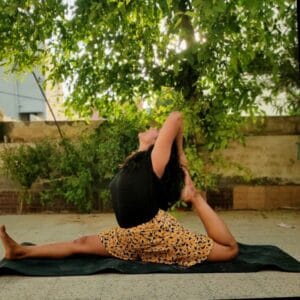

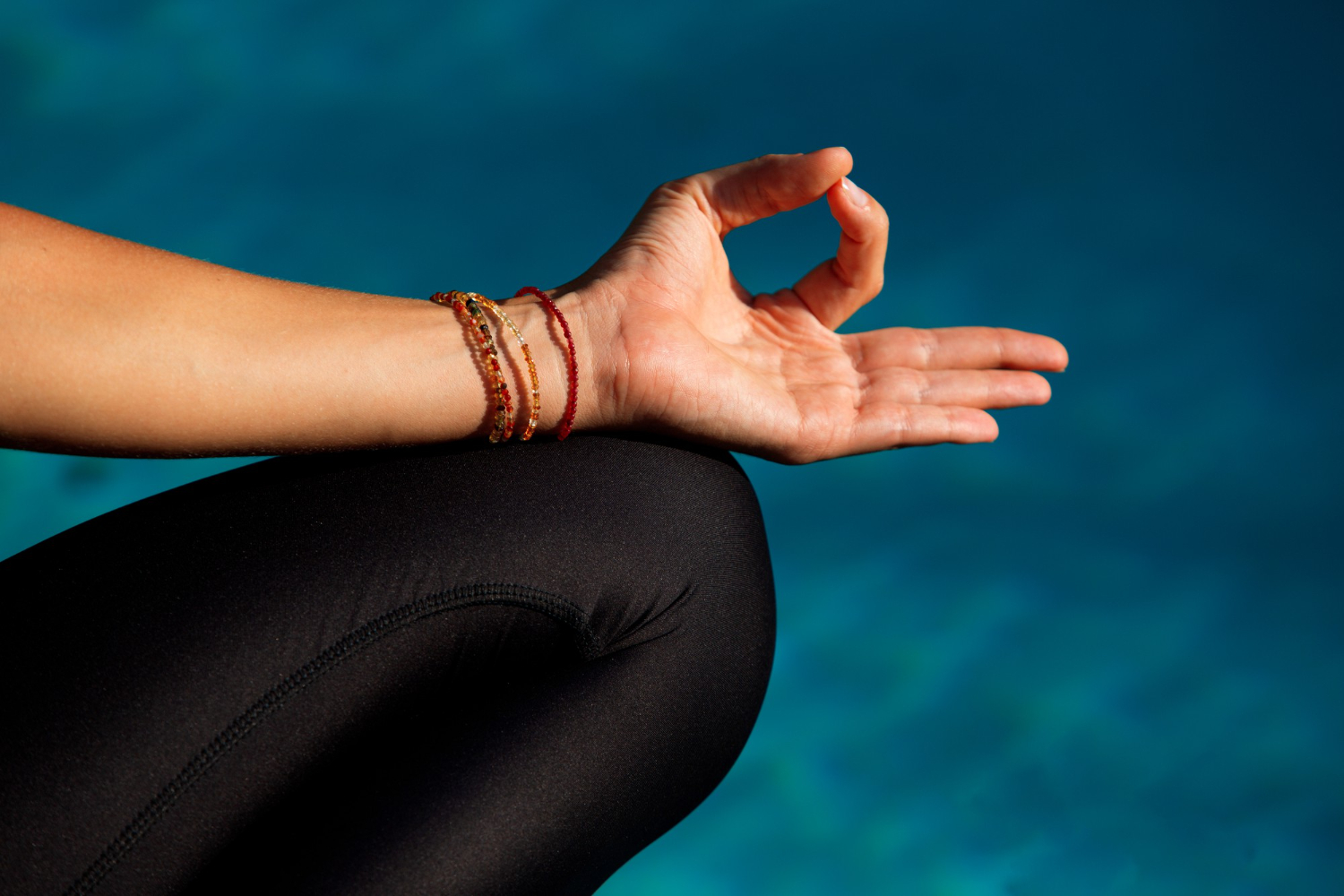
Tattva Mudra هي لفتة يدوية تستخدم في ممارسات اليوجا والتأمل التقليدية. الكلمة السنسكريتية تاتفا يترجم عادة إلى “مبدأ” أو “عنصر” أو “واقع أساسي” ، بينما مودرا يشير إلى إيماءة يد رمزية أو ختم.
عندما صادفت Tattva Mudra لأول مرة ، كان ما لفت انتباهي هو مدى بساطة الأسلوب الفيزيائي. لا توجد وضعية معقدة أو معدات أو حركة شاقة. تتضمن هذه الممارسة في المقام الأول وضع الأصابع بطريقة معينة مع الحفاظ على وضعية مريحة وتوجيه الانتباه نحو التنفس أو التأمل.
مثل العديد من المدراس التقليدية، تاتفا يرتبط مودرا بالمفاهيم الفلسفية التي تنطوي على التوازن, والوعي والعلاقة بين الفرد والعناصر. ومع ذلك ، من المهم التمييز بين تفسيرات اليوغا التقليدية والادعاءات العلمية الحديثة.
هناك أبحاث سريرية محدودة عالية الجودة تحقق على وجه التحديد في Tattva Mudra. لذلك ، يجب معالجة الادعاءات بأن الإيماءة يمكن أن تعالج المرض ، “تزيل السموم” من الجسم ، أو توازن أعضاء معينة ، أو تنتج تغييرات فسيولوجية مضمونة يجب علاجها بحذر.
قصص ذات صلة
 قوة فاجربراداما مودرا: الفوائد ودليل خطوة بخطوة
 يوجا التانترا البيضاء: المعنى والفوائد والممارسة وما يمكن توقعه
هناك طريقة أكثر وعيًا بالأدلة للتعامل مع Tattva Mudra وهي ممارسة اليقظة أو التأمل التي قد تكمل أحد العناصر الموجودة روتين اليوجا.
المعنى وراء تاتفا مودرا.
مفهوم تاتفا له تاريخ طويل في التقاليد الفلسفية الهندية.
في العديد من الأنظمة اليوغا والفلسفية ، تتم مناقشة العالم المادي من خلال إطار العناصر أو المبادئ الأساسية. غالبًا ما توصف هذه على النحو التالي:
- جسد الإنسان
- زود بماء
- حماسة
- هوى
- فراغ
تفسر تقاليد اليوجا المختلفة المودات بشكل مختلف ، ولا يوجد تفسير واحد مقبول عالميًا لكل مودرا.

لذلك من الأفضل فهم Tattva Mudra ضمن تقليد اليوجا الخاص الذي يتم تدريسه فيه بدلاً من افتراض أن كل تفسير حديث يمثل قاعدة عالمية قديمة.
يرتبط الغرض الرمزي بشكل عام بالوعي والتوازن والتأمل.
تاتفا مودرا مقابل مودرا أخرى.
أحد أسباب ارتباك الناس بشأن Tattva Mudra هو أن العديد من إيماءات اليد لها أسماء متشابهة المظهر ومواضع أصابع.
بعض المودات التي نوقشت بشكل شائع تشمل:
- جيان مودرا
- تشين مودرا
- بران مودرا
- أبانا مودرا
- فايو مودرا
- بريثفي مودرا
- سوريا مودرا
لكل منها وصفه التقليدي الخاص.
يمكن أيضًا وصف Tattva Mudra بشكل مختلف اعتمادًا على النسب أو المعلم أو مدرسة اليوجا.
لهذا السبب ، إذا كنت تتعلمه من مدرس معين ، فمن الجدير اتباع تعليمات هذا المعلم بدلاً من مزج عدة إصدارات معًا.
كيف تؤدى تاتفا مودرا؟
نظرًا لوجود الاختلافات ، تعلم ترتيب الإصبع المحدد من مؤهل مدرس اليوجا إذا كان ممارستك يتبع نسبًا معينًا.
للحصول على نسخة يتم تدريسها بشكل شائع ، ابدأ بالجلوس بشكل مريح وجلب اليدين إلى وضع الإصبع المحدد مع الحفاظ على استرخاء الأصابع المتبقية.
يمكن التعامل مع الممارسة الأساسية على النحو التالي:
الخطوة 1: اختر وضعًا مريحًا.
اجلس على:
- حصيرة اليوغا
- وسادة
- مقعد التأمل
- كرسي
لا تحتاج إلى الجلوس القرفصاء إذا كان هذا الوضع غير مريح.
الخطوة 2: إطالة عمودك الفقري.
اسمح لعمودك الفقري بالبقاء في وضع مستقيم بشكل مريح.
تجنب خلق توتر غير ضروري من خلال محاولة الجلوس بصرامة.
الخطوة 3: ضع يديك.
قم بتشكيل Tattva Mudra وفقًا للإصدار الذي يدرسه مدرب اليوجا الخاص بك.
حافظ على استرخاء اليدين بدلاً من الضغط على الأصابع معًا بقوة.
الخطوة 4: استرخاء الكتفين.
اسقط الكتفين بعيدًا عن الأذنين.
استرخاء الفك وعضلات الوجه.
الخطوة 5: أغمض عينيك إذا كنت مريحة.
يمكنك إغلاق عينيك أو الحفاظ على نظرة ناعمة.
الخطوة 6: تنفس بشكل طبيعي.
لا تجبر تنفسك.
ما عليك سوى ملاحظة إيقاع الاستنشاق والزفير.
الخطوة 7: تدرب بحذر.
ابق في الوضع لعدة دقائق مع الحفاظ على الانتباه إلى أنفاسك أو تركيز التأمل المختار.
كم من الوقت يجب أن تمارس تاتفا مودرا؟
لا توجد مدة مثالية راسخة علميًا خاصة لـ Tattva Mudra.
إذا كنت جديدًا في هذه الممارسة ، فإن 5-10 دقائق هي نقطة انطلاق معقولة.
يمكنك زيادة المدة تدريجيًا إذا شعرت بالراحة.
يدمج بعض الممارسين Mudras في جلسات تأمل أطول.
الشيء المهم هو الاتساق بدلاً من إجبار نفسك على البقاء في المنصب لفترة طويلة جدًا.
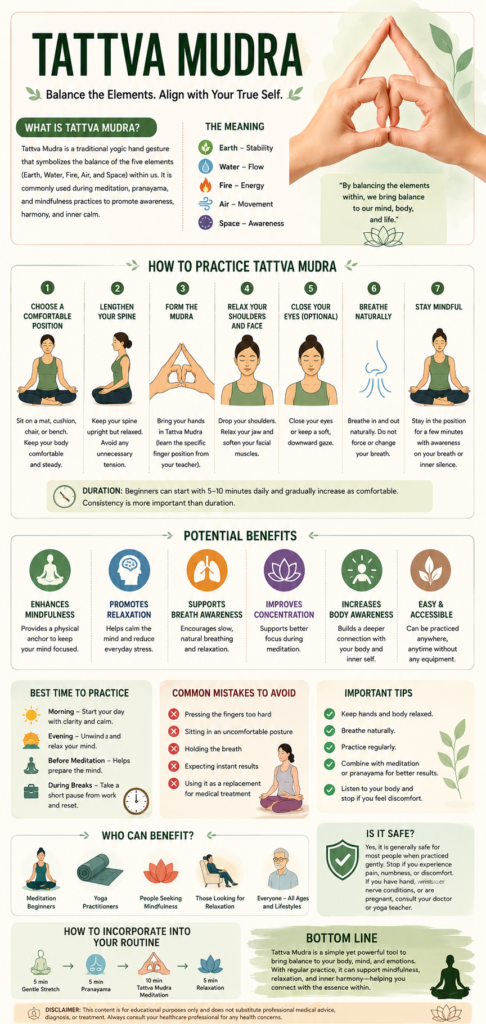
الفوائد المحتملة لـ Tattva Mudra.
هذا هو المكان الذي من المهم بشكل خاص فصل الادعاءات التقليدية عن الأدلة العلمية.
لا توجد أبحاث كافية للقول إن تاتفا مودرا نفسها تعالج أو تمنع مرضًا معينًا.
ومع ذلك، فإن دمج قد يقدم Mudra in Mediament فوائد غير مباشرة من خلال الممارسة الأوسع نطاقا للاسترخاء واليقظة.
1. يشجع اليقظة.
يمنحك الاحتفاظ بوضع يد محدد نقطة تركيز مادية.(1)
بدلًا من السماح للانتباه بالتجول باستمرار، يمكنك ملاحظة:
- أصابعك
- تنفسك
- وضعيتك
- أفكارك
- أحاسيسك الجسدية
يمكن أن يجعل التأمل أسهل لبعض المبتدئين.
2. يدعم الاسترخاء.
قد تساعد جلسة التأمل الهادئة في خلق شعور بالهدوء.
الاسترخاء المحتمل ثبت يجب أن يعزى إلى الممارسة العامة بدلاً من افتراض أن إيماءة اليد وحدها لها تأثير طبي فريد.
3. يعزز وعي الجسم.
تتطلب منك Mudras الانتباه إلى يديك ووضعيتك.
يمكن أن يصبح هذا الوعي جزءًا من ممارسة أوسع نطاقًا للعقل والجسم.
4. يمكن أن تكمل اليوجا.
يتطلب Tattva Mudra القليل من الجهد البدني ، مما يجعل من السهل دمجه في:
- تأمل
- براناياما
- اليوغا التصالحية
- اليوغا اللطيفة
- يوجا نيدرا إعداد
5. لا يتطلب أي معدات.
شيء واحد أقدره بشكل خاص مودراس هو عمليتهم.
يمكنك ممارسة إيماءة اليد أثناء الجلوس في أي مكان تقريبًا.
لا تحتاج:
- أوزان
- آلات
- ملابس خاصة
- غرفة كبيرة
تاتفا مودرا والتأمل.
ربما يكون التأمل من أكثر إعدادات طبيعية لممارسة تاتفا مودرا.
بدلاً من التعامل مع Mudra على أنه تدخل طبي مستقل ، فكر في الأمر على أنه مذيع للانتباه.
مثلا:
- اجلس بشكل مريح.
- ضع يديك في المودرا.
- أغمض عينيك.
- خذ عدة أنفاس طبيعية.
- راقب الإحساس بالتنفس.
- عندما يتجول عقلك ، أعيد انتباهك بلطف إلى التنفس واليدين.
لا تحتاج إلى التخلص من الأفكار.
التأمل عموما هو تطوير الوعي بدلا من إجبار العقل على أن يصبح فارغا تماما.
تاتفا مودرا وبراناياما.
يجمع بعض الممارسين بين المودات وتمارين التنفس.
إذا اخترت القيام بذلك ، فابدأ بالتنفس الطبيعي بدلاً من محاولة براناياما المتقدمة على الفور.
قد يشمل الروتين البسيط:
2 دقيقة: التنفس المريح
5 دقائق: تاتفا مودرا مع وعي بالتنفس
2 دقيقة: الجلوس الهادئ
إذا كنت تعاني من الدوار أو الانزعاج أثناء تمارين التنفس، توقف وعد إلى التنفس الطبيعي.
ما هو أفضل وقت للممارسة؟
لا يوجد وقت “أفضل” مثبت علميًا على وجه التحديد لـ Tattva Mudra.
اختر وقتًا يمكنك التدرب فيه باستمرار.
صباح.
يمكن أن توفر الممارسة الصباحية انتقالًا هادئًا إلى اليوم.
مساء.
جلسة مسائية قد تناسب بشكل طبيعي مع روتين الاسترخاء.
قبل التأمل.
يمكنك استخدام Tattva Mudra كإشارة مادية تخبر عقلك أن الوقت قد حان للاستقرار.
خلال استراحة العمل.
إذا كنت اقض ساعات طويلة في المكتب ، يمكن أن توفر استراحة تأمل قصيرة فرصة للابتعاد عن العمل.
تذكر أن الجلوس المستمر لفترات طويلة ليس مثاليًا لمجرد أنك تمارس مودرا. الوقوف و تحرك بانتظام كذلك.
تاتفا مودرا للمبتدئين.
إذا كنت جديدًا تمامًا على Mudras ، فلا تبالغ في هذه الممارسة.
ابدأ بـ:
- كرسي أو وسادة مريحة
- أكتاف مسترخية
- التنفس الطبيعي
- مدة تدريب قصيرة
- الحد الأدنى من الانحرافات
هدفك الأول ليس تحقيق إحساس صوفي معين.
بدلاً من ذلك ، ركز على التعرف على وضع اليد وتطوير عادة تأمل ثابتة.
الأخطاء الشائعة.
الخطأ 1: الضغط على الأصابع بشدة.
لا يحتاج المودرا إلى التسبب في عدم الراحة.
حافظ على استرخاء اليدين.
الخطأ الثاني: الجلوس بشكل غير مريح.
ليس عليك الجلوس القرفصاء.
الكرسي مقبول تمامًا إذا كان يسمح لك بالحفاظ على وضعية مريحة.
الخطأ 3: حبس أنفاسك.
ما لم تكن تمارس عن قصد تقنية تنفس محددة تحت التعليمات المناسبة ، تنفس بشكل طبيعي.
الخطأ 4: توقع نتائج فورية.
التأمل و ممارسات اليوجا لا تتعلق بالضرورة بالتغييرات الجسدية الفورية.
امنح نفسك الوقت لتطوير الاتساق.
الخطأ الخامس: التعامل مع المطالبات التقليدية على أنها حقائق طبية.
هذا مهم بشكل خاص.
الادعاءات بأن Tattva Mudra يمكنها علاج مرض السكري أو ارتفاع ضغط الدم أو اضطرابات الجهاز الهضمي أو أمراض الغدة الدرقية أو اضطرابات القلق أو غيرها من الحالات الطبية لا تدعمها أدلة سريرية كافية.
استخدمه كممارسة صحية تكميلية - وليس كبديل للرعاية الطبية.
هل تاتفا مودرا آمنة؟
بالنسبة لمعظم الأشخاص الأصحاء ، من غير المرجح أن تخلق إيماءة اليد اللطيفة التي تمارس بشكل مريح ضغوطًا جسدية كبيرة.
ومع ذلك، قد يكون بعض الناس تجربة اليد أو الرسغ الانزعاج إذا كانوا يحتفظون بمكانة لفترة طويلة.
تعديل أو إيقاف إذا واجهت:
- حزن
- خدر
- وخز
- خدش
- تصلب كبير
قد يرغب الأشخاص الذين يعانون من حالات اليد أو الرسغ أو الأعصاب في الحصول على إرشادات فردية من أخصائي رعاية صحية أو مدرب يوغا مؤهل.
تاتفا مودرا أثناء الحمل.
الحمل لا يحدث تلقائيا يعني أن كل مودرا غير آمنة.
ومع ذلك ،, الحمل هو الوقت الذي تكون فيه اليوجا ويجب أن تتكيف ممارسات التنفس مع مرحلة الحمل والصحة للفرد.
إذا كنت حاملاً، خاصة إذا كنت تعانين من مضاعفات الحمل، تحدثي مع أخصائي الرعاية الصحية في التوليد قبل البدء في برنامج جديد لليوغا أو التأمل.
إن إيماءة اليد نفسها أقل تطلبًا جسديًا من كونها شاقة يطرح اليوجا, ، ولكن قد لا تزال الممارسة الأوسع بحاجة إلى تعديل.
تاتفا مودرا والرفاهية العقلية.
تتم دراسة التأمل واليوجا بشكل متزايد من أجل آثارهما المحتملة على الرفاهية النفسية.(2)
ومع ذلك ، يجب أن نتجنب الادعاء بأن مودرا معين يعالج الاكتئاب أو القلق أو اضطراب الصحة العقلية الآخر.(3)
إذا كنت تعاني من القلق المستمر أو الاكتئاب أو نوبات الهلع أو غيرها من أعراض الصحة العقلية ، فاطلب الرعاية المهنية المناسبة.
يمكن تضمين Tattva Mudra كممارسة استرخاء أو يقظة جنبًا إلى جنب - وليس بدلاً من - العلاج المهني.
تمرين تاتفا مودرا لمدة 10 دقائق.
إليك روتين بسيط للمبتدئين.
دقيقة 1-2: استقر.
اجلس بشكل مريح واسمح لتنفسك بأن يصبح طبيعيًا.
دقيقة 3-4: إنشاء المدرا.
ضع يديك وفقًا لإصدار Tattva Mudra الذي تمارسه.
دقيقة 5-8: التأمل.
ركز بلطف على تنفسك.
عندما يتجول انتباهك ، عد إلى أنفاسك.
دقيقة 9-10: إنهاء.
حرر وضع اليد.
خذ أنفاسًا مريحة وافتح عينيك ببطء.
ليست هناك حاجة للاندفاع على الفور إلى نشاط آخر.
هل يمكنك ممارسة تاتفا مودرا كل يوم؟
إذا كان المنصب مريحًا ، يمكن أن تكون الممارسة اليومية طريقة معقولة لتحقيق الاتساق.
يمكنك أن تبدأ بخمسة دقائق في اليوم.
المفتاح ليس عدد الأيام التي يمكنك فيها إجبار نفسك على التدرب لفترة طويلة ، ولكن ما إذا كان نوبات الممارسة بشكل طبيعي في نمط حياتك.
مثلا:
من الاثنين إلى الجمعة: 5-10 دقائق
عطلة نهاية الأسبوع: تأمل أطول إذا رغبت في ذلك
لا يوجد شرط للتدرب لمدة ساعة.
الجمع بين Tattva Mudra وممارسات اليوجا الأخرى.
يمكن دمج Tattva Mudra في روتين أوسع.
مثلا:
5 دقائق: حركة لطيفة
5 دقائق: براناياما
10 دقائق: تأمل جالس مع تاتفا مودرا
5 دقائق: تسلية
يمنحك هذا تمرينًا قصيرًا لمدة 25 دقيقة للعقل والجسم دون الحاجة إلى تمرين بدني مكثف.
من الذي قد يستفيد من ممارسة تاتفا مودرا؟
لأنها بسيطة وتتطلب القليل من الجهد البدني، قد يروق لها:
- مبتدئين التأمل
- ممارسو اليوجا
- الأشخاص المهتمون بالذهن
- الأفراد الذين يبحثون عن ممارسة الاسترخاء الهادئة
- الأشخاص الذين يفضلون أنشطة العافية منخفضة التأثير
ولكن لا ينبغي الخلط بين كلمة “قد تستفيد” و “العلاجات الطبية”.”
أقوى دليل على الممارسات الأوسع مثل اليقظة والتأمل والنشاط البدني - وليس لتاتفا مودرا على وجه التحديد.
ماذا يقول العلم عن مدراس؟
تتمتع Mudras بتاريخ تقليدي طويل ، لكن البحث العلمي الحديث على وجه التحديد يظل محدودًا على وجه التحديد.
تبحث بعض الدراسات في اليوجا أو التأمل أو البراناياما أو تدخلات العقل والجسم الأوسع. يمكن أن توفر هذه النتائج سياقًا مفيدًا ، ولكن لا ينبغي أن تُنسب تلقائيًا إلى Tattva Mudra.
على سبيل المثال، إذا وجدت تجربة سريرية أن برنامج اليوجا يحسن نتيجة معينة ، هذا لا يعني أن إيماءة يد واحدة من هذا البرنامج أنتجت النتيجة.
يساعد هذا التمييز في الحفاظ على دقة المحتوى الصحي.
تاتفا مودرا ضد جيان مودرا.
كلاهما يستخدم بشكل شائع أثناء التأمل ، لكن لا ينبغي التعامل معه على أنهما قابلان للتبديل.
يرتبط Gyan Mudra تقليديًا بتوصيل الإبهام والسبابة.
يمكن تدريس Tattva Mudra باستخدام تكوينات أصابع مختلفة اعتمادًا على التقليد.
إذا لم تكن متأكدًا من الإصدار الذي تتعلمه ، فاطلب من مدرسك إظهاره.
الأسئلة المتداولة.
1. ما هو تاتفا مودرا؟
Tattva Mudra هي إيماءة يد يوغي تقليدية تستخدم في بعض ممارسات اليوجا والتأمل. يرتبط المصطلح بمفاهيم مثل المبادئ أو العناصر أو الواقع الأساسي.
2. ما هي فوائد ممارسة تاتفا مودرا؟
من الأفضل النظر في الفوائد المحتملة في سياق التأمل واليقظة. قد يساعد في توفير تركيز مادي للانتباه ودعم ممارسة مهدئة ، ولكن لا توجد أدلة كافية للادعاء بأن تاتفا مودرا نفسها تعالج حالات طبية معينة.
3. كم من الوقت يجب أن أمارس تاتفا مودرا؟
يمكن للمبتدئين البدء بحوالي 5-10 دقائق وزيادة المدة تدريجيًا إذا كانت مريحة. لا توجد مدة مثالية راسخة علميًا خصيصًا لهذه المودرا.
4. هل يمكنني ممارسة تاتفا مودرا كل يوم؟
نعم ، إذا كان وضع اليد مريحًا. يمكن أن يكون الحفاظ على الممارسة اليومية القصيرة أسهل من الجلسات الطويلة العرضية.
5. هل يمكن لـ Tattva Mudra علاج الأمراض؟
لا توجد أدلة سريرية كافية لدعم الادعاءات بأن تاتفا مودرا يعالج الأمراض. يجب أن يُنظر إليها على أنها ممارسة يوجا أو تأمل تكميلية بدلاً من العلاج الطبي.
6. هل يمكنني ممارسته أثناء الجلوس على كرسي؟
نعم. لا تحتاج إلى الجلوس على رجليه. اختر وضعًا يسمح لك بالراحة والاسترخاء.
7 هل يمكنني الجمع بين تاتفا مودرا والتأمل؟
نعم. التأمل هو أحد أكثر السياقات الطبيعية التي يمكن من خلالها دمج المودرا.
الأفكار النهائية.
Tattva Mudra هي لفتة يدوية تقليدية بسيطة يمكن دمجها في التأمل وتمارين التنفس و ممارسات اليوجا اللطيف.
قد تأتي أكبر قيمتها العملية من المساعدة في إنشاء طقوس ثابتة حول اليقظة والاهتمام المركّز.
في الوقت نفسه ، من المهم أن تظل واقعيًا بشأن ما نعرفه.
قد يربط أدب اليوجا التقليدي مودرا بمفاهيم نشطة أو عنصرية أو روحية ، لكن الأدلة السريرية الحديثة التي تفحص تاتفا مودرا على وجه التحديد محدودة. الادعاءات التي يمكن أن تعالج الأمراض أو تحل محل العلاج الطبي لا تدعمها أدلة قوية.
بالنسبة لي ، فإن الطريقة الأكثر فائدة للتعامل مع Tattva Mudra هي لذلك بسيطة للغاية: استخدمها كممارسة تكميلية لليقظة ،, حافظ على اليدين والجسم مريح ، تنفس بشكل طبيعي ، وركز على الاتساق بدلاً من مطاردة التأثيرات الدرامية.
إذا كنت تعاني من حالة طبية، فاستمر في اتباع خطة العلاج الخاصة بأخصائي الرعاية الصحية. يمكن أن تجلس Mudra جنبًا إلى جنب مع الرعاية الصحية المناسبة - لا ينبغي أن تحل محلها.
+3 مصادر
لدى VeryWelfit إرشادات صارمة بشأن المصادر وتعتمد على الدراسات التي راجعها الأقران ومعاهد البحوث التعليمية والمنظمات الطبية. نتجنب استخدام المراجع من الدرجة الثالثة. يمكنك معرفة المزيد حول كيفية ضمان دقة المحتوى الخاص بنا وتحديثه من خلال قراءة سياسة التحرير.
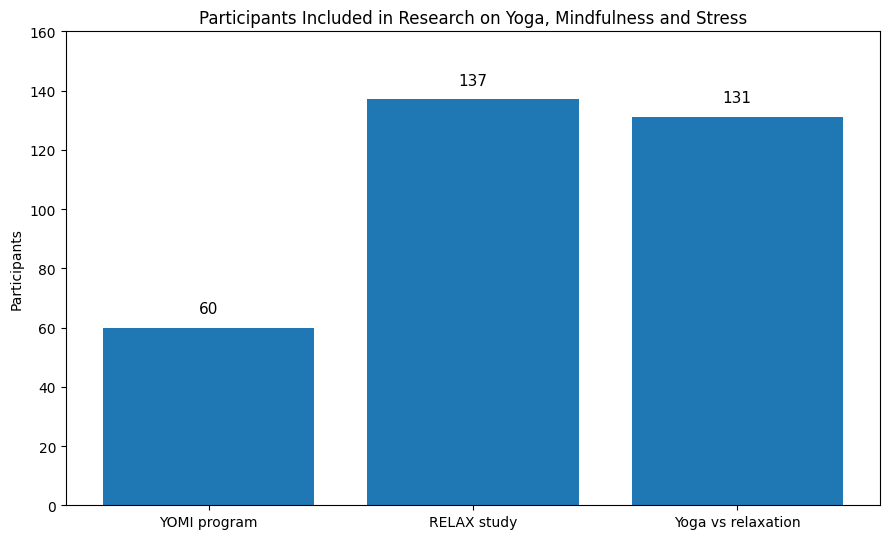
- Yin Yoga and Mindfulness: دراسة عشوائية محكومة لمدة خمسة أسابيع لتقييم آثار برنامج Yomi على التوتر والقلق ؛; https://pubmed.ncbi.nlm.nih.gov/28286971/
- الحد من التوتر عن طريق اليوجا مقابل التدريب على اليقظة لدى البالغين الذين يعانون من الضيق: تجربة عشوائية ثلاثية الأسلحة محكومة بما في ذلك المقابلات النوعية (دراسة الاسترخاء) ؛; https://pmc.ncbi.nlm.nih.gov/articles/PMC9570550/
- تجربة عشوائية مقارنة لليوجا والاسترخاء لتقليل التوتر والقلق ؛; https://pubmed.ncbi.nlm.nih.gov/17544857/