














 latihan

 meditasi






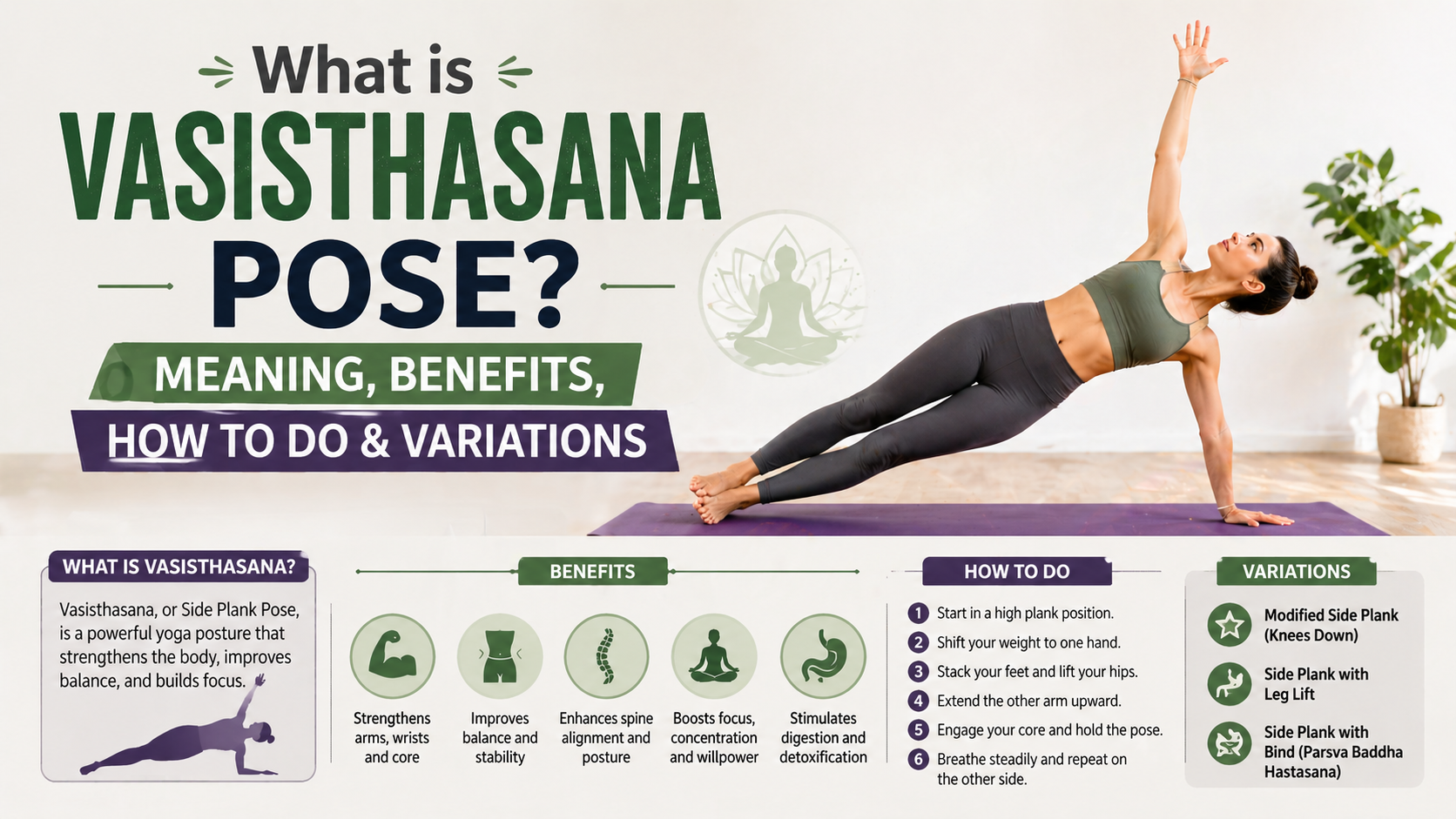
Vasisthasana, juga dikenal sebagai pose side plank, adalah postur yoga populer yang menawarkan banyak manfaat bagi pikiran, tubuh, dan jiwa. Berasal dari kata Sansekerta “vasistha,” yang diterjemahkan menjadi “paling baik, terbaik, terkaya,” pose ini dinamai menurut nama Sage Vasistha, yang dikenal karena kebijaksanaan dan pencerahan spiritualnya.
Vasisthasana sering dipraktikkan sebagai bagian dari urutan salam matahari dan sangat dihormati karena kemampuannya untuk memperkuat inti, meningkatkan keseimbangan, dan meningkatkan fokus mental. Dalam artikel ini, kita akan mempelajari makna dan arti dari Vasisthasana, Jelajahi banyak manfaatnya, Pelajari cara mengeksekusi pose dengan benar, dan mengeksplorasi variasi yang dapat dimasukkan untuk menantang dan memperdalam latihan. Apakah Anda seorang yogi berpengalaman atau pemula, komprehensif ini panduan akan memberi Anda wawasan berharga ke dalam vasisthatasana dan membantu Anda mengembangkan latihan yoga yang lebih kuat, lebih seimbang, dan penuh perhatian.
Arti Vasisthasana.
Istilah “vasistha” mengacu pada resi Vasistha, yang dikenal karena kebijaksanaan dan wawasan spiritualnya. ini Pose mewakili kekuatan, keseimbangan, dan stabilitas yang dimiliki orang bijak, baik secara fisik maupun spiritual. Dengan berlatih vasistasana, seseorang dapat memanfaatkan kekuatan batin mereka dan menemukan keseimbangan dan stabilitas dalam tubuh, pikiran, dan jiwa mereka. Pose ini juga melambangkan pentingnya mempertahankan inti yang kuat dan fondasi yang stabil, baik di dalam maupun di luar matras. Secara keseluruhan, Vasisthasana mendorong para praktisi untuk merangkul mereka Kekuatan batin, membangun ketahanan, dan menemukan harmoni dalam hidup mereka.
Apa manfaat dari Vasisthasana?
mari Jelajahi berbagai keuntungan yang dilatih Vasisthasana dapat membawa:
Cerita terkait
 Nasagra Mudra: Manfaat, Efek Samping, Cara Melakukan, dan Tindakan Pencegahan
 Menyambutkan kekuatan chakra untuk perlindungan: manfaat, jenis, dan praktik
1. Kekuatan inti.
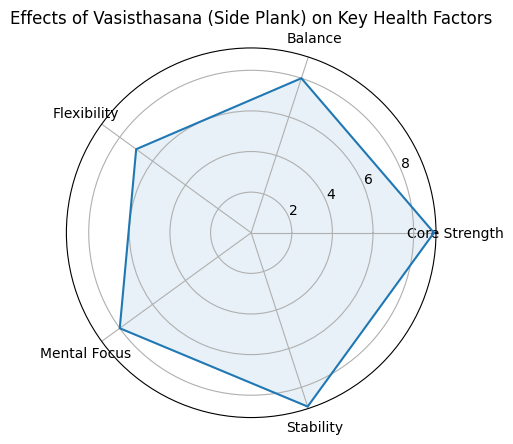
Vasisthasana terutama menargetkan otot-otot inti, termasuk perut, obliques, dan punggung bawah. Dengan melibatkan otot-otot ini, ini membantu untuk membangun inti yang kuat dan stabil, meningkatkan postur tubuh yang lebih baik dan kekuatan tubuh secara keseluruhan.(1)
2. Kekuatan lengan dan bahu.
Pose ini menantang kekuatan lengan dan bahu saat mereka menopang berat badan. Latihan rutin vasistasana membantu untuk mengencangkan dan memperkuat area ini, meningkatkan kekuatan dan stabilitas tubuh bagian atas.
3. Keseimbangan dan stabilitas.
Menjaga keseimbangan dalam vasistasana membutuhkan fokus, konsentrasi, dan kesadaran tubuh. secara teratur Mempraktikkan pose ini meningkatkan Proprioception dan stabilitas, meningkatkan keseimbangan keseluruhan baik di dalam maupun di luar matras.
4. Mengencangkan kaki.
Sementara fokusnya mungkin pada tubuh bagian atas, vasisthatasana juga melibatkan otot-otot kaki. sang kaki bekerja Untuk menopang tubuh dan menjaga keselarasan selama pose, menghasilkan otot kaki yang kencang dan menguat.

5. Peningkatan fleksibilitas.
Vasisthasana meregangkan dan membuka pinggul, paha belakang, dan bahu. Melalui latihan teratur, ini membantu meningkatkan fleksibilitas di area ini, mengurangi kekakuan otot dan meningkatkan rentang gerak secara keseluruhan.
6. pencernaan yang lebih baik.
Kompresi daerah perut di Vasisthasana merangsang organ pencernaan, membantu pencernaan dan meningkatkan keseluruhan kesehatan usus. ini pose dapat membantu meringankan masalah pencernaan dan mempromosikan kesehatan sistem pencernaan.
7 .Fokus mental dan konsentrasi.
Memegang Vasisthasana membutuhkan fokus mental dan konsentrasi untuk menjaga keseimbangan dan stabilitas. Dengan melatih pikiran untuk tetap hadir dan fokus, pose ini membantu menumbuhkan perhatian dan meningkatkan kejernihan mental.
8. Penghilang stres.
Seperti kebanyakan Pose Yoga, Vasisthasana meningkatkan penghilangan stres dengan mendorong pernapasan dalam, relaksasi, dan pelepasan ketegangan. Latihan rutin dapat membantu menenangkan pikiran, mengurangi kecemasan, dan meningkatkan rasa sejahtera secara keseluruhan.
9. peningkatan aliran energi.
Vasisthasana merangsang saluran energi dalam tubuh, memungkinkan aliran prana (kekuatan hidup) yang lancar. Ini merevitalisasi tubuh, meningkatkan vitalitas, dan meningkatkan rasa peremajaan.
10. kepercayaan diri dan pemberdayaan.
Saat Vasisthasana menantang dan memperkuat tubuh, ia juga menumbuhkan rasa percaya diri dan pemberdayaan. Kemampuan untuk menahan pose ini dan menyaksikan kemajuan pribadi dapat meningkatkan harga diri, menciptakan pola pikir positif baik di dalam maupun di luar matras.
| 💡 Tips Fittofar.com Memasukkan Vasisthasana ke dalam reguler Anda Latihan yoga dapat menghasilkan banyak manfaat, memungkinkan Anda untuk menumbuhkan kekuatan, keseimbangan, fleksibilitas, dan kesejahteraan mental. Seperti halnya apapun pose yoga, Sangat penting untuk berlatih dengan keselarasan yang tepat dan mendengarkan tubuh Anda, menghormati keterbatasannya dan secara bertahap berkembang dengan kecepatan Anda sendiri. |
Bagaimana cara melakukan Vasisthasana?
di sini adalah panduan langkah demi langkah Untuk membantu Anda berlatih Vasisthasana:
1. Mulailah dengan posisi papan tinggi, dengan bahu tepat di atas pergelangan tangan dan tubuh Anda dalam garis lurus. Libatkan otot inti Anda dan jaga agar kaki Anda tetap terentang di belakang Anda.
2 . Geser berat badan Anda ke tangan kanan dan kaki kanan, dan gulung ke tepi luar kaki kanan Anda. Tumpuk kaki kiri Anda di atas kaki kanan Anda, jaga agar kaki Anda tetap lurus dan aktif.
3. Saat Anda menyeimbangkan tangan dan kaki kanan, rentangkan lengan kiri ke langit, raih ujung jari Anda ke atas. Jaga pandangan Anda tetap fokus pada tangan kiri Anda.
4. Untuk memperdalam pose, angkat kaki kiri sejajar dengan lantai, ikat otot paha Anda. Anda juga dapat melenturkan kaki kiri Anda untuk menambah stabilitas.
5. Libatkan otot inti Anda dengan menarik pusar ke arah tulang belakang Anda. Ini akan membantu Anda menjaga keseimbangan dan stabilitas dalam pose.
6. Jaga bahu Anda rileks dan jauhkan dari telinga Anda. Pertahankan napas yang stabil selama pose, tarik napas dan buang napas dalam-dalam.
7 Tahan pose selama beberapa napas, secara bertahap tingkatkan durasi saat Anda membangun kekuatan dan stabilitas. Bidik selama 30 detik hingga 1 menit di setiap sisi.
8. Untuk melepaskan pose, perlahan-lahan turunkan kaki dan lengan kiri Anda kembali ke posisi awal, kembali ke papan yang tinggi. Beristirahatlah dalam pose anak atau anjing menghadap ke bawah untuk mengimbangi intensitas pose.
9. Ulangi langkah-langkah di sisi lain, geser berat badan Anda ke tangan dan kaki kiri, dan rentangkan lengan kanan Anda ke langit.
| 💡 Tips Verywel Fit.com Ingatlah untuk mendengarkan tubuh Anda dan memodifikasi pose sesuai kebutuhan. Jika Anda memiliki masalah pergelangan tangan atau bahu, Anda dapat berlatih Vasisthasana dengan lengan bawah Anda di atas matras, bukan tangan Anda. Dengan latihan rutin, Vasisthasana dapat membantu meningkatkan keseimbangan Anda, memperkuat inti Anda, dan menumbuhkan rasa stabilitas batin. |
Variasi Vasisthasana.
Ada beberapa variasi vasisthasana yang dapat dipraktekkan untuk mengintensifkan pose atau Targetkan area tubuh tertentu. ini Variasi memungkinkan praktisi untuk memodifikasi pose sesuai dengan tingkat keahlian dan kebutuhan individu.
1. Vasisthasana yang dimodifikasi.
ini Variasi cocok untuk pemula atau mereka yang memiliki kekuatan tubuh bagian atas yang terbatas. Alih-alih sepenuhnya memanjangkan kaki bawah, lutut dapat ditekuk dan diletakkan di tanah untuk dukungan tambahan. Modifikasi ini membantu membangun kekuatan di lengan, inti, dan bahu, sambil tetap menyediakan Manfaat pose.
2 .Vasistasana kaki diperpanjang.
Untuk menantang keseimbangan dan melibatkan otot inti lebih jauh, kaki atas dapat diperpanjang lurus ke arah langit-langit. Variasi ini membutuhkan kekuatan dan stabilitas yang lebih besar di lengan pendukung, serta peningkatan keterlibatan glutes dan hamstring.
3. Masukkan jarum vasistasana.
ini Variasi menambah twist pada papan samping tradisional berpose. Dari posisi vasistasana standar, lengan atas dapat dijalin di bawah tubuh, mencapai sisi yang berlawanan. Variasi ini membantu membuka dada dan bahu, sekaligus meregangkan obliques dan memperkuat inti.
4. Vasisthasana dengan hip dips.
Dalam variasi ini, pinggul dapat diturunkan ke tanah dan kemudian diangkat kembali, menciptakan gerakan mencelupkan. Gerakan ini membantu menargetkan obliques dan membangun kekuatan di samping tubuh. Ini juga menantang stabilitas pose dan meningkatkan keseimbangan secara keseluruhan.
5. Vasisthasana berkaki satu.
Mengambil pose papan samping ke tingkat berikutnya, variasi ini melibatkan pengangkatan kaki atas dari kaki bawah dan memanjangkannya langsung di depan tubuh. Variasi canggih ini membutuhkan kekuatan inti, keseimbangan, dan stabilitas yang luar biasa. Ini melibatkan glutes, quad, dan fleksor pinggul, sementara juga Meningkatkan Fokus dan konsentrasi.
| 💡 Tips Verywel Fit.com Terlepas dari variasi yang dipilih, penting untuk mempertahankan keselarasan yang tepat dan melibatkan otot inti di seluruh pose. Mempraktikkan variasi vasisthatasana secara teratur dapat membantu membangun kekuatan, stabilitas, dan ketahanan baik dalam tubuh maupun pikiran. |
garis bawah.
Vasisthasana, atau pose side plank, adalah asana yoga yang kuat dan menantang yang menawarkan banyak manfaat fisik dan mental. Dengan melibatkan beberapa kelompok otot dan meningkatkan kekuatan inti, pose ini membantu meningkatkan keseimbangan, stabilitas, dan postur. Selain itu, ini meningkatkan fleksibilitas dan mengencangkan lengan, kaki, dan bokong. Di luar keuntungan fisik, Vasisthasana memupuk fokus mental, konsentrasi, dan kepercayaan diri. Melalui latihan rutin dan keselarasan yang tepat, individu dapat mengalami Efek dari pose ini baik pada tubuh maupun pikiran.
+1 sumber
VeryWelFit memiliki pedoman pengadaan yang ketat dan bergantung pada studi peer-review, lembaga penelitian pendidikan, dan organisasi medis. Kami menghindari penggunaan referensi tersier. Anda dapat mempelajari lebih lanjut tentang bagaimana kami memastikan konten kami akurat dan terkini dengan membaca Kebijakan Editorial.
- mengeksplorasi efek terapeutik yoga dan kemampuannya untuk meningkatkan kualitas hidup; https://pmc.ncbi.nlm.nih.gov/articles/PMC3193654/