














 Dar certo

 Meditação






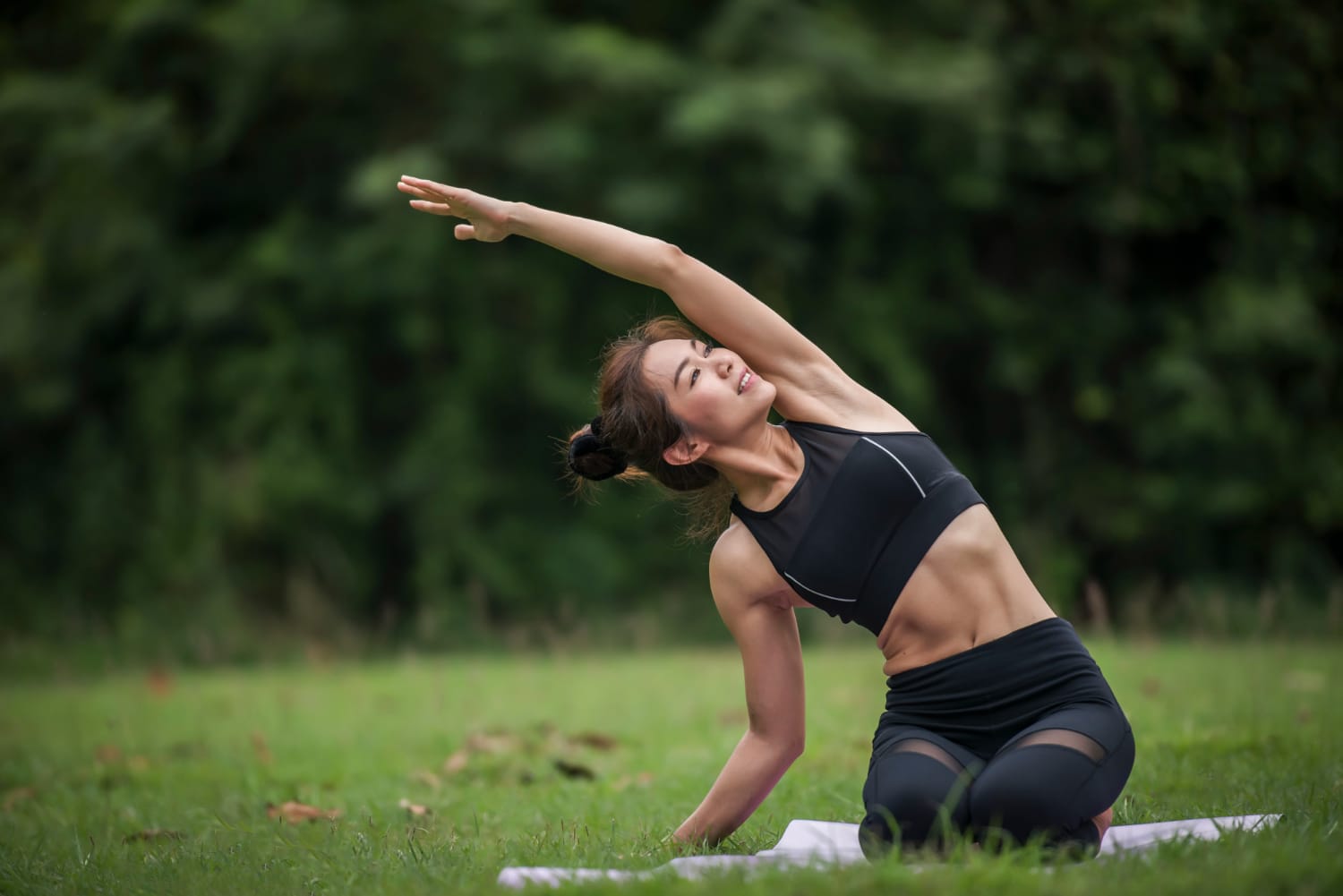
Quando as pessoas falam sobre como melhorar a mobilidade, muitas vezes pensam imediatamente em alongamento.
Eu costumava pensar da mesma forma.
Se uma articulação ficasse rígida, minha primeira reação geralmente era esticar os músculos ao redor e manter a posição por vários segundos. Embora o alongamento possa certamente ter um lugar em uma rotina de condicionamento físico equilibrado, acabei descobrindo outra abordagem que mudou a forma como eu pensava sobre a mobilidade: rotações articuladas controladas, comumente conhecidas como carros.
Os carros são movimentos lentos e deliberados realizados por meio da amplitude de movimento disponível de uma junta. Em vez de simplesmente se mover para frente e para trás, o objetivo é explorar e controlar ativamente o máximo possível do alcance confortável da junta.
Histórias relacionadas
 Exercício de prancha de parede: benefícios, como fazer e variações
 Como fazer flexões de diamantes matadores?
O que eu particularmente gosto nessa abordagem é sua simplicidade. Você não precisa necessariamente de pesos, máquinas ou um grande espaço de treino. Você precisa de atenção, controle e tempo suficiente para se mover deliberadamente.
Neste guia, explicarei o que são rotações articuladas controladas, como elas diferem do alongamento comum, das articulações principais que você pode treinar, benefícios potenciais, erros comuns, e como os iniciantes podem incorporar carros em uma rotina de mobilidade.
O que são rotações articuladas controladas?
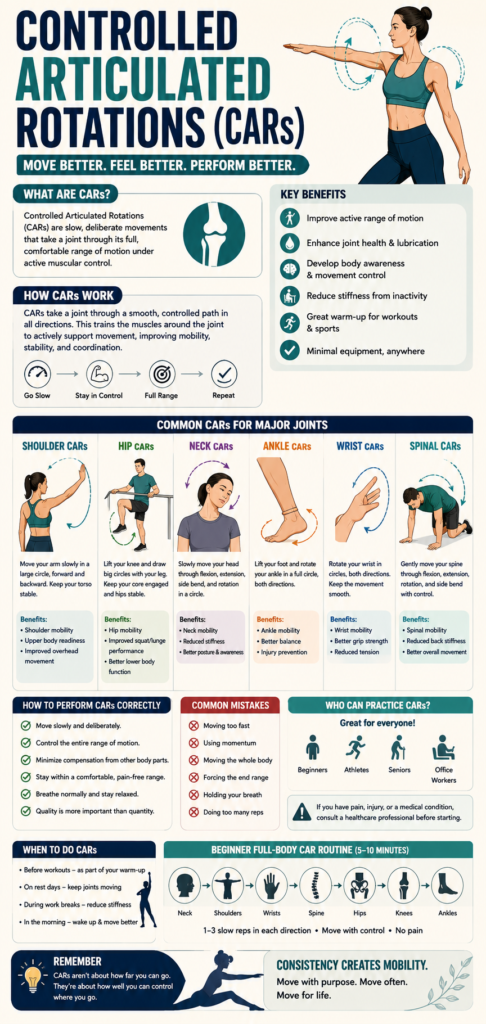
Rotações articuladas controladas (carros) são movimentos lentos e ativos de mobilidade articular, projetados para levar uma junta através de sua amplitude de movimento disponível sob controle muscular.
A palavra “controlado” é importante.
Os carros não deveriam ser círculos rápidos executados casualmente.
Em vez disso, você controla intencionalmente o movimento do começo ao fim.
Por exemplo, durante um carpinteiro, você pode levantar o braço lentamente, gire-o através de um grande arco e retorne-o à posição inicial enquanto tenta Mantenha o resto do seu corpo relativamente quieto.
O mesmo conceito geral pode ser aplicado a:
- ombros
- quadris
- pescoço
- pulsos
- tornozelos
- coluna
Os carros são comumente usados em treinamentos de mobilidade, força e condicionamento, configurações de reabilitação e preparação para movimentos.
O que significa carros?
Carros significa Rotações articulares controladas.
Você também pode ver a frase escrita como rotações articuladas controladas no conteúdo de condicionamento físico.
A ideia fundamental é a mesma: mover de forma ativa e deliberada uma articulação por meio de sua área disponível, em vez de depender exclusivamente de alongamento passivo.
Como funcionam as rotações articuladas controladas?
Um carro normalmente envolve mover uma articulação lentamente por uma grande área confortável, mantendo o corpo ao redor relativamente estável.
Imagine realizar um carro moderno.
Em vez de simplesmente balançar a perna, você controla ativamente a perna enquanto ela se move em diferentes posições.
Isso requer coordenação entre:
- movimento articular
- contração muscular
- contrapartida
- propriocepção
- Estabilidade do núcleo
- controle motor
O exercício, portanto, não é apenas sobre o quão longe você pode se mover.
É também sobre o quão bem você pode controlar o movimento.
Por que eu acho os carros úteis?
O que diferencia os carros de muitos exercícios convencionais de mobilidade é a ênfase no controle ativo.
Se eu simplesmente puxar meu braço para um trecho com minha outra mão, estou confiando em parte em uma força externa.
Com um carro, meus músculos precisam criar e controlar ativamente o movimento.
Essa distinção pode fazer com que a prática de mobilidade pareça mais proposital.
Também gosto que os carros me encorajem a prestar atenção às assimetrias.
Por exemplo, um quadril pode parecer mais suave ou mais controlado que o outro. Isso não significa automaticamente que algo está errado, mas perceber as diferenças pode ajudar a orientar o treinamento futuro.
Mobilidade x flexibilidade.
Esses dois termos são frequentemente usados de forma intercambiável, mas não são exatamente iguais.
flexibilidade Geralmente se refere à capacidade dos tecidos de alongar ou de uma articulação para se mover por uma faixa específica.(1)
mobilidade É mais amplo e inclui a capacidade de controlar ativamente o movimento por meio de uma amplitude de movimento.
Por exemplo, você pode ter flexibilidade passiva suficiente para mover a perna para uma determinada posição, mas lute para colocar ativamente e controlar sua perna.
Essa é uma das razões pelas quais o treinamento em mobilidade pode complementar o alongamento tradicional.
Benefícios de rotações articuladas controladas.
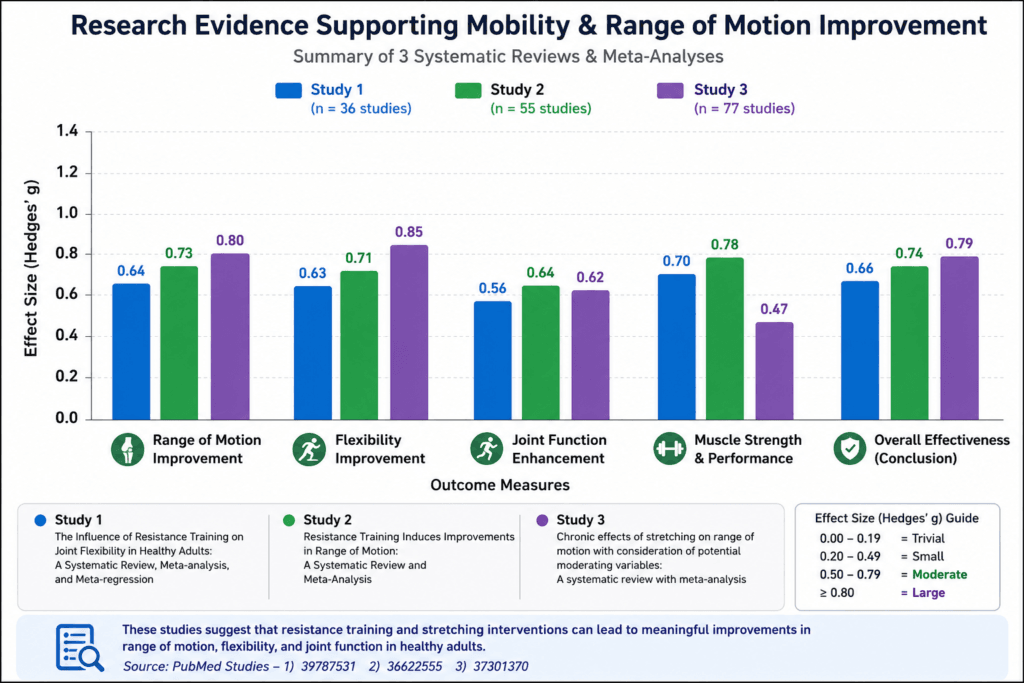
Os carros não são uma solução mágica para todos os problemas de mobilidade, e pesquisas que examinam especificamente os próprios carros ainda são mais Limitada do que a pesquisa sobre mobilidade mais ampla Treinamento.
No entanto, os princípios subjacentes do exercício ativo de amplitude de movimento e da prática regular de movimento estão bem estabelecidos.
Benefícios potenciais Inclua o seguinte.
1. Ajuda a manter a mobilidade articular.
As juntas que se movem regularmente por meio de suas faixas disponíveis podem ajudar a manter a capacidade de movimento.
Isso pode ser particularmente útil para pessoas que passam longos períodos sentados ou realizando atividades repetitivas.
Por exemplo, o trabalho de mesa geralmente significa gastando horas com os quadris e os ombros em posições relativamente fixas.
Uma rotina de mobilidade curta pode fornecer uma pausa útil para o movimento.
2. Melhora a amplitude de movimento ativo.
Como os carros exigem um controle muscular, eles podem ajudá-lo a se tornar mais confortável, controlando o movimento próximo às bordas de sua área disponível.(2),(3)
O objetivo não é forçar uma articulação além de seus limites naturais.
Em vez disso, você está praticando o movimento controlado dentro de uma faixa segura e confortável.
3. Desenvolve a consciência corporal.
Carros exigem concentração.
Você precisa notar:
- Onde a junta está se movendo
- se outro partes do corpo estão compensando
- Onde o movimento parece restrito
- Se o movimento permanece suave
Isso pode melhorar a propriocepção e a consciência geral de como seu corpo se move.
4. Incentiva o movimento específico das articulações.
Um problema comum durante os exercícios de mobilidade é permitir que outras partes do corpo se compensem.
Por exemplo, quando alguém executa um movimento do ombro, eles podem girar o tronco em vez de realmente mover o ombro pelo alcance.
Os carros incentivam você a minimizar a compensação desnecessária.
Isso torna o exercício mais específico para a articulação que você está tentando treinar.
5. Pode ser usado como aquecimento.
Os carros podem ser incorporados em um aquecimento antes do treinamento de força, esportes ou outras atividades físicas.
Algumas repetições controladas podem ajudá-lo a se preparar mentalmente e fisicamente para o movimento.
No entanto, os carros geralmente devem ser gentis em vez de exaustivos.
6. Requer equipamento mínimo.
Uma das maiores vantagens é a acessibilidade.
A maioria dos exercícios de carro exige nada mais do que seu próprio corpo.
Isso significa que você pode praticá-los:
- em casa
- na academia
- no trabalho
- Enquanto viaja
- Antes de um treino
7 . Pode ajudar a reduzir a rigidez da inatividade.
Longos períodos de inatividade podem deixar as articulações rígidas.
Movimento ativo suave pode ajudá-lo a se sentir menos restrito após ficar sentado por longos períodos.
Para quem trabalha em uma mesa, uma pausa de mobilidade breve pode ser mais prática do que tentar se encaixar em um treino completo.
8. Suporta a qualidade do movimento.
A mobilidade não é apenas para alcançar alcances extremos.
Um bom movimento também requer controle.
Os carros incentivam um movimento lento e deliberado, o que pode ajudá-lo a se familiarizar com o alcance disponível.
Tipos de rotações articuladas controladas.
Carros podem ser executados para muitas juntas.
Alguns dos mais comuns incluem:
- carros de ombro
- carros de quadril
- carros de pescoço
- tornozelo
- carros de pulso
- carros espinhais
Vamos olhar para cada um.
Carros de ombro.
Os carros de ombro estão entre as variações mais populares.
Eles envolvem mover o braço lentamente por um grande caminho circular enquanto tentam manter o tronco estável.
Como realizar um carro de ombro?
- Fique de pé.
- Mantenha seu núcleo suavemente engajado.
- Comece com um braço ao lado do corpo.
- Levante o braço lentamente para frente.
- Continue movendo-o sobrecarga.
- Gire o braço enquanto ele se move atrás de você.
- Traga-o de volta para a posição inicial.
- Inverta o movimento.
Mova-se lentamente por toda parte.
Evite forçar o ombro a uma posição dolorosa.
Qual alvo dos carros de ombro?
Eles envolvem o movimento no complexo do ombro, ao mesmo tempo que exigem a estabilização do:
- medula
- Parte superior das costas
- Músculos do
Carros de quadril.
Os carros de quadril são particularmente úteis para pessoas que desejam desenvolver maior consciência e controle sobre o movimento do quadril.
Como executar um carro de quadril?
Você pode fazer essa posição enquanto segura uma superfície estável.
- Fique de pé.
- Desloque o peso para uma perna.
- Levante o joelho oposto.
- Mova lentamente o joelho para fora.
- Continue girando a perna para trás.
- Retorne-o à posição inicial.
- Inverta o movimento.
Mantenha o tronco o mais estável possível.
Evite girar todo o corpo para criar um movimento adicional.
Carros de pescoço.
Os carros do pescoço envolvem mover suavemente a coluna cervical através de uma faixa controlada.
Como o pescoço é sensível, eles devem ser realizados de forma particularmente lenta.
Você pode se mover suavemente através:
- flexão
- extensão
- rotação
- dobra lateral
Nunca force o pescoço a uma posição dolorosa ou extrema.
Carros de tornozelo.
Os carros de tornozelo são simples e podem ser executados sentados ou em pé.
Levante um pé ligeiramente do chão e gire lentamente o tornozelo através de sua área disponível.
Isso pode ser útil como parte de um aquecimento antes:
- corrida
- agachamento
- caminhada
- atividades de salto
Carros de pulso.
Os carros de pulso podem ser particularmente úteis para pessoas cujas atividades envolvem movimentos repetitivos das mãos.
Gire lentamente o pulso em uma direção e depois na outra.
Eles podem ser facilmente incorporados em um aquecimento antes:
- levantamento de peso
- ioga
- ginástica
- Trabalho intensivo de digitação
Carros da coluna vertebral.
Os exercícios de mobilidade da coluna são um pouco diferentes das rotações das articulações isoladas porque a coluna consiste em múltiplas articulações.
Os movimentos controlados da coluna podem incluir flexão, extensão, rotação e movimento lateral cuidadosamente coordenados.
Estes devem ser executados dentro de um alcance confortável, em vez de forçar a coluna em posições extremas.
Como executar carros corretamente?
A qualidade do movimento importa mais do que o número de repetições.
Aqui estão os princípios em que me concentro.
Mova-se lentamente.
Um carro deve levar alguns segundos, em vez de ser executado rapidamente.
Mantenha o controle.
Não permita que o impulso carregue a junta através do movimento.
Minimize a compensação.
Tente manter outras partes do corpo relativamente quietas.
Use uma gama confortável.
Seu alcance disponível pode mudar de um dia para o outro.
Não force.
Respire normalmente.
Evite prender a respiração desnecessariamente.
A respiração lenta pode ajudá-lo a permanecer relaxado e focado.
Quantos carros você deve fazer?
Você geralmente não precisa de dezenas de repetições.
Para muitos iniciantes, 1 a 3 repetições lentas por articulação em cada direção podem ser suficientes para introduzir o movimento.
O objetivo é a qualidade e não o cansaço.
À medida que você se torna mais experiente, você pode ajustar a duração, o alcance e o número de repetições de acordo com seus objetivos e programa de treinamento.
Quem pode praticar rotações articuladas controladas?
Os carros podem ser úteis para:
- praticantes de recreio.
- atletas.
- Entusiastas do treinamento de força.
- Praticantes de ioga.
- Trabalhadores de mesa.
- Pessoas interessadas em treinamento em mobilidade.
No entanto, ter uma lesão ou condição médica específica pode alterar quais movimentos são apropriados.
Se uma articulação estiver extremamente dolorida, inchada, instável ou recentemente ferida, é melhor procurar conselhos individualizados em vez de tentar mobilizá-lo de forma agressiva.
Rotina de rotações articuladas controladas para iniciantes.
Se você é completamente novo em carros, não precisa de uma rotina complicada.
tente:
| movimento | repetições |
|---|---|
| carros de pescoço | 1 cada direção |
| carros de ombro | 2 de cada lado |
| carros de pulso | 2 cada direção |
| carros de quadril | 2 de cada lado |
| tornozelo | 2 de cada lado |
| Mobilidade suave da coluna | 2–3 repetições |
A seqüência inteira pode levar apenas alguns minutos.
O importante é permanecer deliberado e evitar transformar a rotina em uma série rápida de círculos.
Qual é o melhor momento para fazer rotações articuladas controladas?
Não há um momento universalmente correto para realizar carros. O melhor momento depende do que você está tentando realizar.
antes de um treino.
carros podem funciona bem Como parte de um aquecimento geral.
Por exemplo, antes de um treino de parte inferior do corpo, você pode realizar:
- carros de quadril
- tornozelo
- Mobilidade suave da coluna
Antes de uma sessão de parte superior do corpo, você pode incluir:
- carros de ombro
- carros de pulso
- Movimentos de mobilidade torácica
O objetivo não é se cansar. Mantenha os movimentos controlados e um volume relativamente baixo.
nos dias de descanso.
Os carros também podem ser úteis nos dias em que você não está realizando um treino exigente.
Alguns minutos de movimento suave das articulações podem oferecer uma oportunidade de permanecer ativo sem criar uma fadiga de treinamento substancial.
durante os intervalos de trabalho.
Se você passar várias horas sentado em uma mesa, pausas curtas de movimento podem ser valiosas.
Em vez de permanecer na mesma posição por horas, você pode se levantar e realizar alguns movimentos suaves do ombro, do quadril ou do tornozelo.
Como parte de uma rotina matinal.
Algumas pessoas gostam de usar carros logo após acordar.
Os movimentos podem ajudá-lo a se conscientizar das áreas que parecem rígidas após o sono.
No entanto, não force as articulações rígidas imediatamente após o despertar. Comece suavemente e deixe seu corpo se soltar gradualmente.
Rotações articuladas controladas antes do treinamento de força.
Um dos usos mais práticos dos carros é a preparação para o treinamento de força.
Suponha que você esteja planejando agachar.
Você pode usar:
- tornozelo
- carros de quadril
- Mobilidade suave da coluna
Se você treinar a parte superior do corpo, você pode usar:
- carros de ombro
- carros de pulso
- mobilidade torácica
Após esse trabalho geral de mobilidade, execute suas atividades normais de aquecimento específicos para atividades.
Por exemplo, antes de agachar pesado, não confie apenas nos carros. Aumente gradualmente a carga por meio de vários conjuntos de aquecimento.
Carros para atletas.
Os atletas geralmente exigem uma combinação de:
- força
- poder
- mobilidade
- coordenação
- estabilidade
Os carros podem ser incluídos como um componente de um programa de treinamento mais amplo.
Um corredor pode enfatizar a mobilidade do tornozelo e do quadril.
Um nadador pode gastar mais tempo com o movimento do ombro.
Um levantador de peso pode se concentrar nos ombros, quadris, tornozelos e na coluna torácica.
O objetivo deve ser atender às demandas de movimento do esporte, em vez de realizar todos os carros possíveis simplesmente por causa disso.
Mobilidade x alongamento: qual é melhor?
Esta é uma pergunta comum.
A resposta é que eles servem a propósitos diferentes.
Alongamento geralmente enfatiza o aumento ou a manutenção da flexibilidade.
O treinamento em mobilidade concentra-se mais amplamente na capacidade de mover e controlar uma articulação por meio de uma amplitude de movimento.
Por exemplo, alguém pode ter flexibilidade passiva para os isquiotibiais para alcançar os dedos dos pés, mas ainda luta para controlar ativamente certos movimentos do quadril.
É por isso que não vejo carros e alongamento como abordagens concorrentes.
Eles podem se complementar.
A rotina equilibrada pode incluir:
- Carros para mobilidade ativa
- Movimentos dinâmicos antes do exercício
- Alongamento estático quando apropriado
- Treinamento de força através de amplitudes de movimento úteis
Erros comuns ao realizar carros.
Os carros parecem simples, mas a qualidade da execução é importante.
1. movendo-se muito rapidamente.
Este é provavelmente o mais erro comum.
Os círculos rápidos criam um impulso, o que pode facilitar o movimento, mas reduz a quantidade de controle ativo necessário.
Desacelere.
2. Usando o momento.
Se você estiver balançando o braço ou a perna, não estará mais realizando o movimento da maneira controlada.
Pense em orientar ativamente cada parte da rotação.
3. Movendo todo o corpo.
Por exemplo, durante um carro de ombro, você pode girar acidentalmente o tronco para criar uma faixa de ombros aparente maior.
Tente manter o tronco estável.
4. Forçando a faixa final.
Mais movimento não é automaticamente melhor.
Tentar forçar uma articulação mais longe do que ela deseja confortavelmente pode causar dor ou irritação.
Trabalhe dentro do seu alcance controlável atual.
5. Prendendo a respiração.
Algumas pessoas prendem a respiração inconscientemente ao se concentrar.
Tente manter uma respiração relaxada e estável.
6. Fazendo muitas repetições.
Os carros não são projetados para esgotar um músculo.
Algumas repetições de alta qualidade podem ser mais úteis do que dezenas de apressadas.
Os carros devem doer?
Um exercício de mobilidade realizado adequadamente não deve ser doloroso.
Você pode notar:
- esforço muscular leve
- um alongamento suave
- rigidez
- Um sentimento de restrição
Mas a dor aguda, intensa ou piora é um motivo para parar.
A dor pode ter muitas causas, então não presuma que a sua força Melhore a mobilidade.
Se você tiver dor nas articulações persistentes, inchaço, instabilidade, dormência ou lesão recente, procure o conselho de um profissional de saúde devidamente qualificado.
Como progredir na prática do seu carro?
Quando o movimento básico se torna confortável, a progressão não significa necessariamente fazer mais repetições.
Você pode progredir melhorando:
controle.
Torne o movimento mais lento e deliberado.
intervalo.
Explorar gradualmente uma faixa um pouco maior se permanecer confortável e controlado.
estabilidade.
Reduza movimentos desnecessários em outras partes do corpo.
Força.
Alguns programas de mobilidade avançada combinam movimentos articulares controlados com exercícios de fortalecimento.
consistência.
Praticar alguns minutos regularmente pode ser mais sustentável do que sessões longas ocasionais.
Uma rotina de 10 minutos de carro.
Aqui está uma rotina simples que você pode usar em casa.
| movimento | tempo |
|---|---|
| carros de pescoço | 1 minuto |
| carros de ombro | 2 minutos |
| carros de pulso | 1 minuto |
| mobilidade espinhal | 1 minuto |
| carros de quadril | 2 minutos |
| mobilidade do joelho | 1 minuto |
| tornozelo | 2 minutos |
Mova-se lentamente e execute cada exercício em ambos os lados, quando apropriado.
Você pode modificar a rotina de acordo com suas necessidades.
Carros para trabalhadores de mesa.
Se você se sentar por várias horas todos os dias, sua rotina de movimento não precisa ser complicada.
Tente fazer uma pequena pausa de vez em quando para:
- levante-se
- andar por aí
- Mova seus ombros
- Gire seus pulsos
- Execute movimentos suaves do quadril
- mova os tornozelos
Os carros podem ser incluídos como parte desta pausa de movimento.
No entanto, nenhum exercício pode compensar completamente a sessão prolongada. Caminhadas regulares e mudanças de posição ao longo do dia também são valiosas.
Carros para corredores.
A corrida envolve movimentos repetitivos, de modo que os corredores podem se beneficiar de prestar atenção à mobilidade no:
- tornozelos
- quadris
- coluna torácica
Um corredor pode usar carros suaves e tornozelos antes de uma sessão de treinamento, seguido por um aquecimento dinâmico mais convencional.
Os carros não devem substituir a preparação específica para a corrida.
Carros para treinamento de força.
Os atletas de força geralmente precisam de mobilidade suficiente para realizar exercícios com segurança e eficácia.
Por exemplo:
Treino de agachamento.
Foco em:
- tornozelos
- quadris
- coluna
supino.
Foco em:
- ombros
- pulsos
- Parte superior das costas
pressão de overhead.
Foco em:
- ombros
- coluna torácica
- pulsos
Novamente, a mobilidade é apenas uma parte da boa técnica. A seleção adequada de carga e o treinamento de força progressiva continuam sendo essenciais.
Com que frequência você deve fazer carros?
Para a mobilidade geral, os carros podem ser praticados regularmente porque geralmente exigem pouco equipamento e fadiga relativamente baixa.
Uma abordagem simples é:
Iniciantes: 3-4 dias por semana
Intermediário: 4 a 6 dias por semana
Praticantes experientes: Sessões diárias curtas se confortáveis
Não há necessidade de realizar todas as juntas todos os dias.
Escolha movimentos com base em seus objetivos e em como seu corpo se sente.
Os carros podem melhorar a flexibilidade?
Os carros podem ajudá-lo a se sentir mais confortável usando sua amplitude de movimento disponível, mas não devem ser considerados um substituto para todos os tipos de treinamento de flexibilidade.
se Melhorando a flexibilidade É o seu objetivo principal, você pode combinar carros com alongamento adequado.
Por exemplo:
Antes do exercício:
- carros
- movimentos dinâmicos
Após o exercício ou sessão separada:
- Alongamento estático
- Trabalho de mobilidade relaxada
Os carros podem ajudar na prevenção de lesões?
É tentador dizer que os exercícios de mobilidade evitam lesões, mas as evidências não suportam a garantia tão ampla.
O risco de lesões depende de muitos fatores, incluindo:
- volume de treinamento
- intensidade de treinamento
- técnica
- Lesões anteriores
- recuperação
- dormir
- Nutrição
- Anatomia Individual
Os carros podem ser um componente útil de um programa de movimento e condicionamento, mas não devem ser tratados como uma apólice de seguro contra lesões.
Quem deve ter cuidado com os carros?
Os carros geralmente são movimentos de baixo custo, mas isso não significa que sejam apropriados para todas as situações.
Tenha cuidado adicional se tiver:
- Cirurgia recente
- Lesão articular aguda
- Instabilidade articular significativa
- dor intensa
- inchaço inexplicado
- sintomas neurológicos
Um fisioterapeuta ou outro profissional de saúde qualificado pode ajudar a determinar quais movimentos são apropriados para sua situação particular.
Perguntas frequentes.
1. O que são rotações articuladas controladas?
Rotações articuladas controladas, comumente chamadas de carros, são movimentos lentos e deliberados que levam uma articulação por meio de sua amplitude de movimento disponível sob controle muscular ativo.
2. Qual é o objetivo dos carros?
O objetivo principal é desenvolver mobilidade articular ativa, controle de movimento e consciência da amplitude de movimento disponível.
3. Os iniciantes podem fazer carros?
Sim. Iniciantes podem começar com movimentos simples e lentos e uma confortável amplitude de movimento.
4. Quantos carros devo fazer?
Geralmente, você não precisa de muitas repetições. Uma a três repetições controladas por articulação pode ser um ponto de partida razoável.
5. Posso fazer carros todos os dias?
Muitas pessoas podem realizar carros gentis com frequência, mas sua rotina deve ser ajustada de acordo com suas necessidades individuais, carga de treinamento e saúde nas articulações.
6. Os carros são iguais aos alongamentos?
não O alongamento geralmente enfatiza o comprimento e a flexibilidade do tecido, enquanto os carros enfatizam o movimento ativo e o controle por meio do alcance de uma junta.
7 Os carros podem substituir um aquecimento?
não completamente. Os carros podem ser um componente de um aquecimento, mas exercícios extenuantes geralmente devem incluir a preparação específica da atividade e os conjuntos progressivos de aquecimento.
8. Os carros podem melhorar a mobilidade articular?
Eles podem ajudar a manter ou melhorar a capacidade de movimento ativo quando praticados de forma consistente, embora os resultados individuais variem.
9. Os carros são bons para atletas?
Eles podem ser úteis como parte de um programa mais amplo de mobilidade e preparação para o movimento, adaptado ao esporte do atleta.
Um plano de carro semanal simples.
Se você deseja uma rotina direta, não precisa complicar.
segunda-feira.
Ombro + quadril + tornozelo
terça.
pescoço + pulso + mobilidade da coluna
Quarta-feira.
rotina de carro de corpo inteiro
Quinta-feira.
descanso ou movimento suave
Sexta-feira.
Ombro + quadril + tornozelo
Sábado.
Mobilidade de corpo inteiro
Domingo.
descanso ou movimento suave
Mantenha cada sessão curta e concentre-se na qualidade.
Considerações finais.
Rotações articuladas controladas São uma abordagem simples, mas ponderada, para o treinamento em mobilidade. Em vez de buscar uma flexibilidade extrema ou realizar círculos articulares rápidos, os carros incentivam você a desacelerar, prestar atenção e controlar ativamente sua amplitude de movimento disponível.
É isso que os torna úteis.
Você pode realizar carros de ombro antes de um treino na parte superior do corpo, na anca e no tornozelo antes do treino da parte inferior do corpo ou uma curta rotina de corpo inteiro durante uma pausa na sessão. Eles exigem pouco ou nenhum equipamento e podem ser adaptados a diferentes níveis de condicionamento físico.
No entanto, eu não trataria os carros como uma solução milagrosa. Eles são uma ferramenta dentro de um quadro muito maior de saúde física. Treinamento de força, exercícios cardiovasculares, recuperação adequada, boa nutrição, movimento regular e cuidados médicos adequados continuam sendo importantes.
Se você é novo no trabalho de mobilidade, comece de forma conservadora. Mova-se lentamente, evite forçar as articulações e preste atenção em como seu corpo responde. Com consistência, os carros podem se tornar uma parte útil de uma rotina de movimento completa.
+3 de fontes
A Verywelfit possui diretrizes rigorosas para a seleção de suas fontes e se baseia em estudos revisados por pares, institutos de pesquisa educacional e organizações médicas. Evitamos o uso de referências terciárias. Você pode saber mais sobre como garantimos a precisão e a atualização do nosso conteúdo lendo nossa Política de Privacidade. política editorial.
- A influência do treinamento resistido na flexibilidade articular em adultos saudáveis: uma revisão sistemática, meta-análise e meta-regressão; https://pubmed.ncbi.nlm.nih.gov/39787531/
- O treinamento de resistência induz melhorias na amplitude de movimento: uma revisão sistemática e meta-análise; https://pubmed.ncbi.nlm.nih.gov/36622555/
- Efeitos crônicos do alongamento na amplitude de movimento com a consideração de potenciais variáveis moderadoras: uma revisão sistemática com meta-análise; https://pubmed.ncbi.nlm.nih.gov/37301370/