







































 Workout

 Meditation






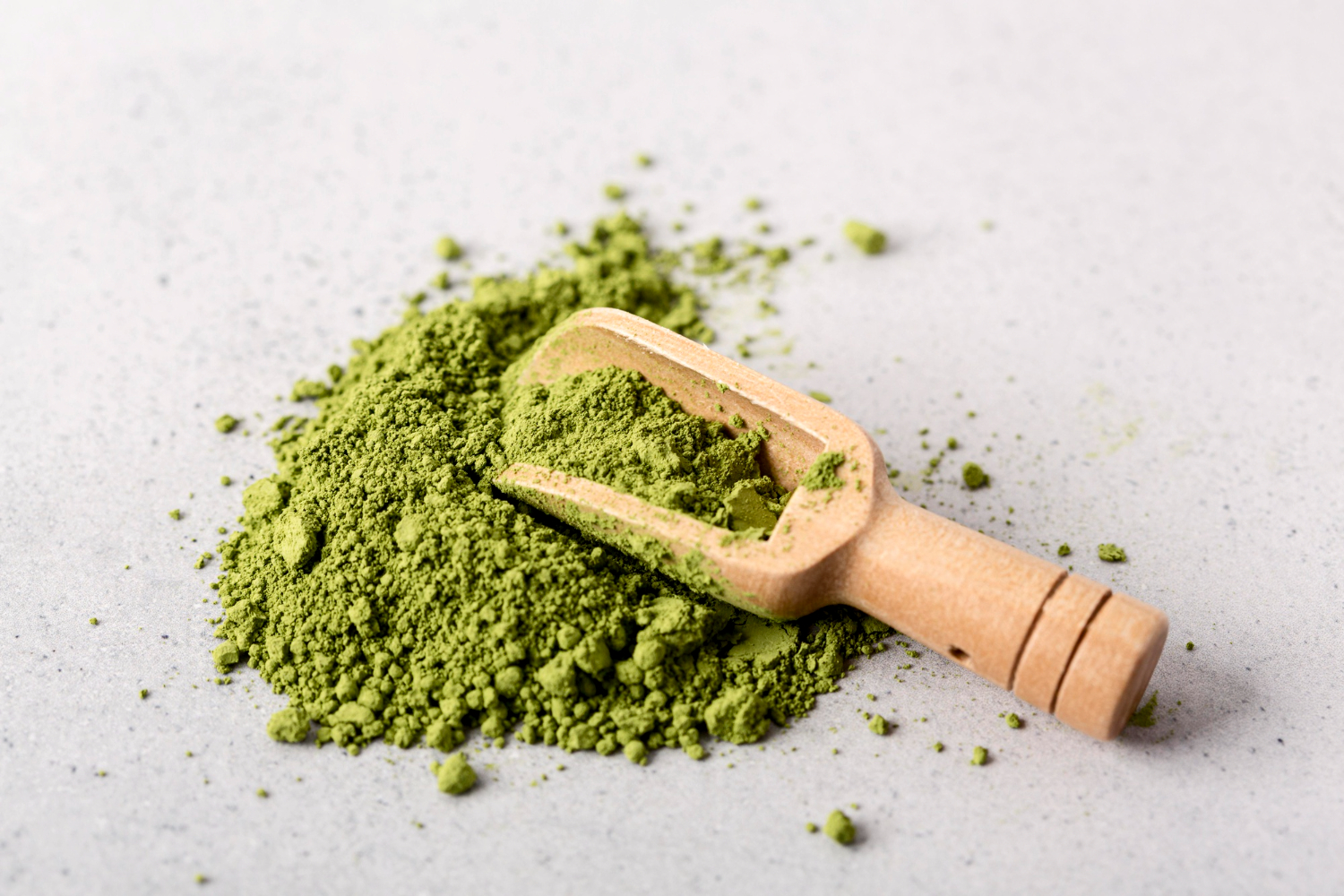
In the search for alternatives to animal protein, new research has found algae to be a good, environmentally friendly source of protein.
Seaweed as a surprising alternative to meat and source of environmentally friendly proteins
Algae: the New Eco-sustainable Vegetable Protein for Your Muscles.
A study from the University of Exeter has found that ingesting protein-rich algae, spirulina and chlorella, promotes muscle remodeling in young, healthy adults.
These results open the door for the use of algae as an interesting and sustainable alternative to proteins of animal origin for the maintenance and construction of muscle.
Related Stories
 The Mango: A Natural Aid for Erectile Dysfunction?
 How Can You Add Multivitamins To Your Daily Diet?
Spirulina and Chlorella, algae for your muscles.
The study has been published in The Journal of Nutrition and is the first to demonstrate that two of the most commercially available species of algae are rich in proteins that support muscle remodelling in young, healthy adults.
Researcher Ino Van Der Heijden, from the University of Exeter, said: “Our work has shown that seaweed could become part of a safe and sustainable food future. With more and more people trying to eat less meat for ethical reasons and environmental concerns, and there is growing interest in non-animal derived, sustainably produced proteins. We believe it is important and necessary to start looking at these alternatives and have identified algae as a promising new protein source.”
Foods rich in protein and essential amino acids have the ability to stimulate muscle protein synthesis, which can be measured in the laboratory by determining the incorporation of labeled amino acids into muscle tissue proteins and translated at a rate over time. It is clear that animal proteins consistently stimulate muscle protein synthesis at rest and after exercise. However, the production of animal proteins is increasingly associated with ethical and environmental problems, and alternatives to animal protein that are economical and environmentally friendly, such as algae, are increasingly being analyzed.
Grown under controlled conditions, Spirulina and Chlorella are the two most commercially available algae that contain high doses of micronutrients and are rich in protein . But its ability to stimulate myofibrillar protein synthesis in humans was not known. To analyze this, researchers at the University of Exeter evaluated the impact of ingesting spirulina and Chlorella , compared to an established high-quality non-animal dietary protein source (fungal-derived mycoprotein) on blood amino acid concentrations, as well as in the rates of myofibrillar protein synthesis at rest and after exercise.
Inference of the Study.
The randomized, double-blind trial involved 36 healthy young adults who performed a single-leg resistance exercise session, then drank a drink containing 25 grams of mycoprotein protein derived from mushrooms, spirulina , or chlorella .
Blood and skeletal muscle samples were collected at baseline and over a 4-h period following supplementation and exercise. And blood amino acid concentrations and myofibrillar protein synthesis rates were evaluated in tissue from the leg that had exercised and in that from the leg that had not exercised.
The results found that algal protein intake increased blood amino acid concentrations, but more rapidly and with higher maximum responses after consumption of spirulina than mycoproteins and Chlorella . And it was also found that the increase in myofibrillar protein synthesis rates occurred in the tissues of both legs, the one that had exercised and the one that had not, but with higher rates in the muscles of the exercised leg compared to the no.
This study is the first of its kind to demonstrate that ingestion of spirulina or chlorella robustly stimulates myofibrillar protein synthesis in resting and exercised muscle tissue, and to an equivalent degree of high quality non-animal derived (mycoprotein).(1)
Source : doi.org/10.1016/j.tjnut.2023.08.035