















 latihan

 meditasi






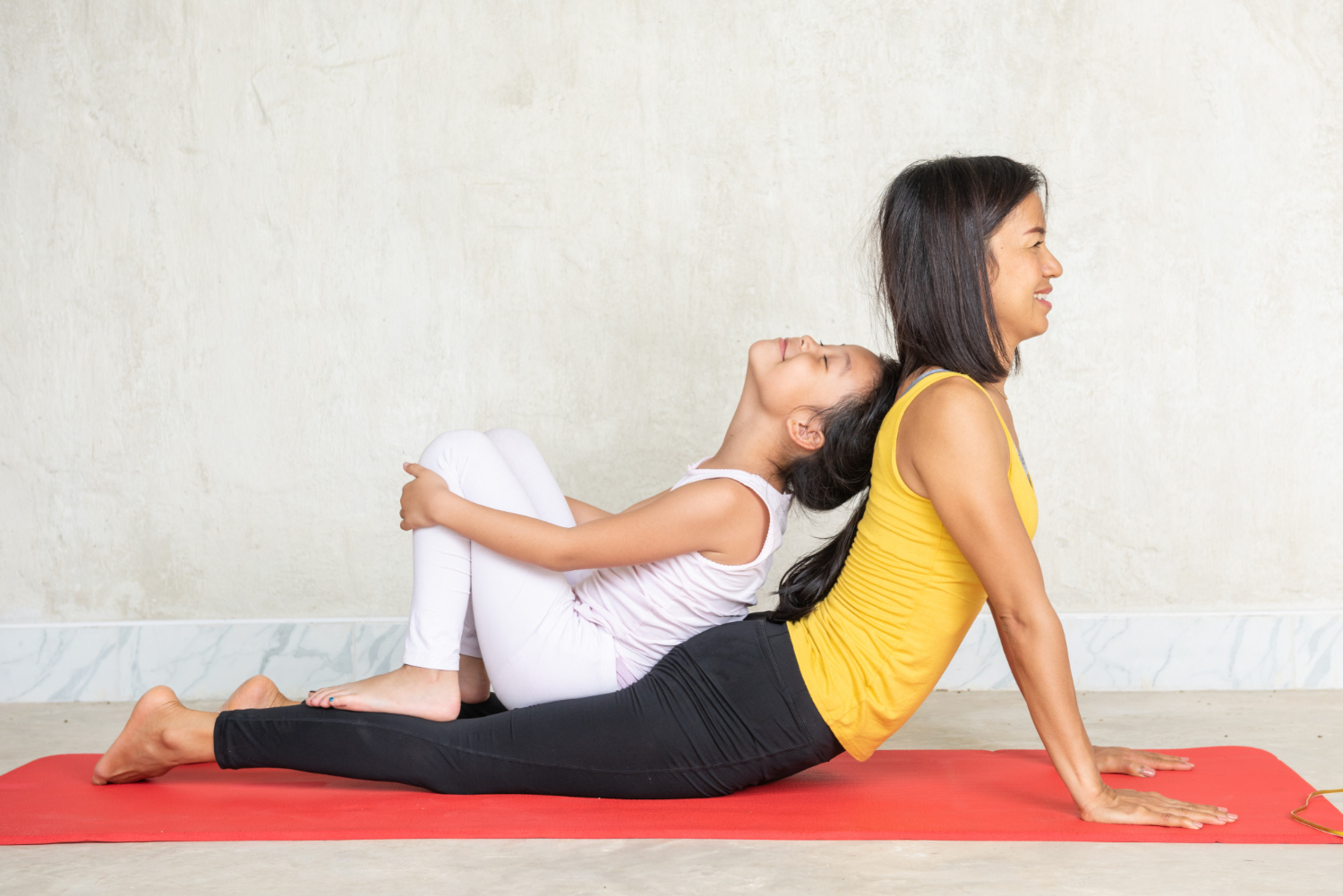
Cuddle Yoga adalah pendekatan yoga yang lembut dan berbasis mitra yang menggabungkan gerakan yoga, postur yang didukung, pernapasan, relaksasi, dan koneksi fisik yang penuh kasih sayang. Tidak seperti yoga tradisional, yang biasanya dilakukan secara individual, cuddle yoga melibatkan dua orang yang bekerja bersama melalui pose yang dipilih dengan cermat yang mungkin termasuk condong, memegang, duduk dekat, atau kontak suportif yang lembut.
Istilah “yoga berpelukan” tidak mengacu pada satu gaya yoga standar. Guru, studio, dan praktisi yang berbeda dapat menggunakan istilah tersebut untuk praktik yang sedikit berbeda. Beberapa versi menekankan pasangan romantis, sementara yang lain fokus pada teman, pasangan, anggota keluarga atau orang dewasa lain yang setuju.
Ide utamanya sederhana: gerakan dan koneksi dipraktikkan bersama.
Yoga berpelukan bisa menyenangkan dan santai, tetapi kontak fisik juga berarti bahwa batasan, komunikasi, dan persetujuan sangat penting. Pasangan tidak boleh ditekan untuk memeluk, menyentuh, menahan atau melakukan postur yang terasa tidak nyaman.
Cerita terkait
 8 Pose Yoga Restoratif Teratas Untuk Nyeri Kronis Dengan Langkah-langkah
 Gerakan mikro & latihan pernapasan di tempat kerja: kerangka kerja praktis untuk meningkatkan fokus, mengurangi kelelahan, dan mendukung kinerja kognitif
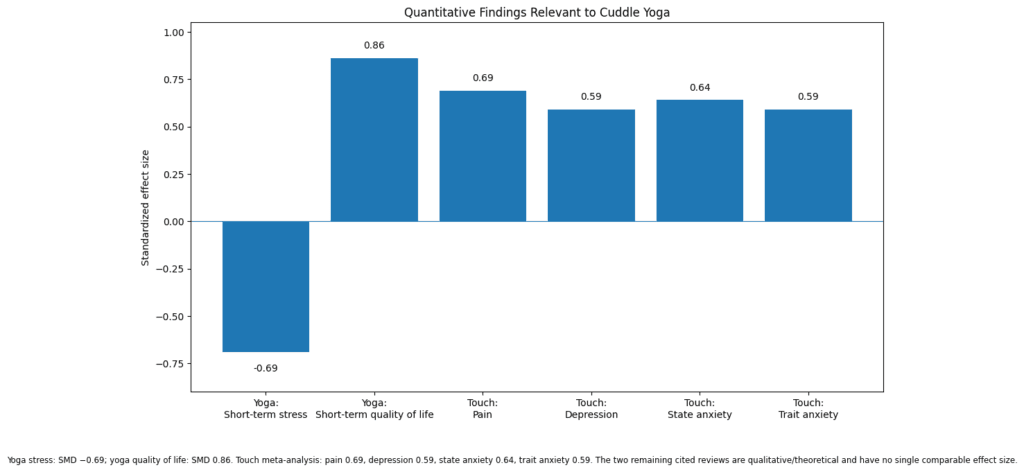
Penelitian yang secara khusus meneliti “pelukan yoga” sebagai praktik yang berbeda terbatas. Namun, penelitian tentang yoga dan stres, serta penelitian tentang sentuhan kasih sayang dan intervensi berbasis sentuhan, memberikan konteks yang berguna. Sebuah tinjauan sistematis tahun 2024 dan meta-analisis yoga pada orang dewasa yang tertekan menemukan bukti pengurangan stres jangka pendek, meskipun kepastian bukti rendah untuk hasil ini.(1) Penelitian tentang intervensi sentuhan juga telah melaporkan manfaat untuk beberapa hasil fisik dan psikologis, meskipun studi tersebut tidak menetapkan bahwa yoga cuddle itu sendiri menghasilkan efek yang sama.(2)
Apa itu Yoga Cuddle?
Cuddle Yoga adalah latihan yoga mitra yang menggabungkan kedekatan fisik yang nyaman dengan gerakan yoga dan relaksasi.
Tergantung pada kelas atau rutinitas, mungkin melibatkan:
- Duduk berhadapan kembali
- berpegangan tangan selama Pose keseimbangan
- Lipatan maju yang didukung
- Peregangan pasangan lembut
- Pernapasan duduk
- Relaksasi yang didukung
- Keseimbangan yang dibantu mitra
- Pelukan lembut di antara latihan
penekanan harus tetap pada kenyamanan bersama dan kerjasama, daripada memaksakan fleksibilitas atau mencapai kesulitan Pose Yoga.

Yoga berpelukan dapat dipraktekkan dengan cara:
- pasangan romantis
- sahabat
- saudara kandung
- orang tua dan anak dewasa
- Mitra Yoga
- Golongan kecil
Hubungan antar peserta kurang penting daripada apakah semua orang yang terlibat merasa nyaman dengan tingkat kontak fisik.
Apakah Cuddle Yoga adalah jenis yoga yang nyata?
Yoga Cuddle lebih baik dipahami sebagai istilah deskriptif daripada tradisi yoga yang distandarisasi secara universal.
Tidak ada urutan tunggal, sistem sertifikasi atau definisi yoga cuddle yang diterima secara universal.
Seorang guru mungkin menggunakan istilah tersebut untuk menggambarkan yoga pasangan dengan kontak yang penuh kasih sayang, sementara instruktur lain dapat menggunakannya untuk sesi yoga pasangan yang santai.
Yoga tradisional mencakup banyak praktik yang melibatkan:
- asanana
- Pranayama
- meditasi
- pengenduran
- pemusatan
Yoga Cuddle menambahkan dimensi sosial dan sentuhan pada praktik yang dipilih.
Oleh karena itu, sangat berguna untuk membedakan antara prinsip yoga tradisional dan konsep modern dari cuddle yoga.
Bagaimana cara kerja cuddle yoga?
Sesi tipikal menggabungkan beberapa elemen.
1. Gerakan yoga.
Peserta melakukan dengan lembut Pose Yoga secara individu atau bersama-sama.
2. Dukungan mitra.
Satu orang dapat memberikan fisik ringan mendukung sementara yang lain melakukan sebuah postur.
3. Pernapasan.
Mitra dapat menyelaraskan pernapasan mereka atau hanya berlatih pernapasan lambat bersama-sama.
4. Kontak fisik.
Tergantung pada batasan individu, ini dapat mencakup:
- berpegangan tangan
- Duduk berhadapan kembali
- kontak bahu
- Kontak tangan ke tangan
- pelukan lembut
5. Relaksasi.
Sesi dapat selesai dengan pernapasan tenang atau latihan relaksasi yang didukung.
Kombinasi ini dapat membuat yoga terasa lebih sosial dan interaktif.
Manfaat Potensial dari Yoga Cuddle.
Karena penelitian langsung tentang yoga cuddle terbatas, penting untuk tidak mengklaim bahwa praktik tersebut mengobati kondisi medis tertentu.
Manfaat potensial lebih baik dipahami sebagai kombinasi dari kemungkinan manfaat dari yoga lembut, relaksasi, gerakan dan sentuhan sosial konsensual.
1. dapat membantu mengurangi stres.
Yoga telah diselidiki secara ekstensif sebagai praktik manajemen stres.
Sebuah tinjauan sistematis tahun 2024 dan meta-analisis termasuk 13 uji coba terkontrol secara acak yang melibatkan 1.026 peserta dan menemukan bukti berkualitas rendah untuk pengurangan jangka pendek dalam persepsi stres di antara orang dewasa yang stres dibandingkan dengan kontrol pasif. (sundal)
Yoga Cuddle menambahkan komponen lain: interaksi sosial dan kontak fisik.
Ini mungkin membuat pengalaman menenangkan secara subjektif bagi sebagian orang.
Namun, kami tidak dapat mengatakan bahwa cuddle yoga lebih efektif daripada yoga individu untuk stres karena ini belum ditetapkan secara memadai.
2 . dapat mendorong relaksasi.
Pernapasan yang lambat, gerakan lembut dan lingkungan yang tenang dapat menciptakan pengalaman yang berfokus pada relaksasi.
Menambahkan kontak pasangan yang nyaman dapat membuat beberapa orang merasa lebih aman dan terhubung.
3. dapat mendorong hubungan sosial.
Yoga mitra mengharuskan orang untuk berkomunikasi dan bekerja sama.
Peserta harus memperhatikan:
- Gerakan pasangan mereka
- Kenyamanan pasangan mereka
- pengaturan waktu
- imbangan
- pernafasan
- Batasan fisik
Ini dapat membuat latihan lebih interaktif daripada sesi yoga individu.
4. Dapat mendukung koneksi kasih sayang.
Penelitian tentang sentuhan kasih sayang telah mengusulkan hubungan antara sentuhan, proses hubungan, regulasi stres, dan kesejahteraan.(3)
Sebuah tinjauan sistematis besar 2024 dan meta-analisis yang memeriksa intervensi sentuh mencakup 137 studi dalam meta-analisis dan 12.966 individu secara keseluruhan; Manfaat di beberapa kesehatan hasil, termasuk pengurangan nyeri dewasa, depresi dan kecemasan. Namun, intervensi yang dipelajari beragam dan tidak boleh disamakan langsung dengan yoga cuddle.
5. dapat meningkatkan kesadaran tubuh.
Latihan mitra mengharuskan Anda untuk memperhatikan tubuh Anda sendiri sambil secara bersamaan merespons yang lain gerakan seseorang.
Hal ini dapat mendorong kesadaran akan:
- sikap badan
- pernafasan
- ketegangan otot
- imbangan
- gerak badan
- Posisi tubuh
6. dapat membuat yoga lebih menyenangkan.
Beberapa orang menganggap latihan solo berulang.
Yoga mitra memperkenalkan variasi dan interaksi.
Sifat menyenangkan dari yoga cuddle mungkin membuat beberapa orang lebih termotivasi untuk berpartisipasi secara teratur.
7 . dapat mendorong komunikasi.
Yoga mitra yang baik membutuhkan komunikasi yang jelas.
Anda mungkin perlu mengatakan:
- “Cukup.”
- “Tolong bergerak lebih lambat.”
- “Bisakah kamu mendukungku?”
- “Aku butuh lebih banyak ruang.”
- “Posisi itu tidak terasa nyaman.”
Belajar berkomunikasi dengan jelas tentang batasan fisik dapat membuat latihan pasangan lebih aman.
8. dapat mengembangkan kepercayaan.
Pose pasangan tertentu mengharuskan peserta untuk saling mengandalkan untuk keseimbangan atau dukungan.
Ketika dilakukan dengan aman, ini dapat menciptakan rasa kerjasama dan kepercayaan.
Namun, kepercayaan tidak boleh diasumsikan.
Itu harus berkembang melalui penghormatan yang konsisten terhadap batasan.
Apakah ada bukti ilmiah untuk cuddle yoga?
bukti langsung terbatas.
Ini adalah salah satu poin terpenting untuk artikel berbasis bukti.
Sebagian besar penelitian yang tersedia saat ini meneliti:
- yoga
- pasangan atau interaksi sosial
- Sentuhan kasih sayang
- Intervensi berbasis sentuhan
- tekanan
- Kesejahteraan psikologis
daripada memeluk yoga itu sendiri.
Misalnya, tinjauan sentuhan kasih sayang menggambarkan jalur potensial yang menghubungkan sentuhan dengan keterikatan, regulasi stres, dan kesejahteraan.
Meta-analisis 2024 yang terpisah dari intervensi sentuhan menemukan manfaat yang terukur dalam beberapa hasil, tetapi intervensi tersebut mencakup banyak bentuk sentuhan yang berbeda dan oleh karena itu tidak dapat digunakan untuk mengklaim bahwa yoga cuddle menghasilkan hasil yang identik.
Perbedaan ini penting untuk komunikasi kesehatan yang bertanggung jawab.
Yoga untuk pasangan.
Yoga Cuddle sangat populer sebagai aktivitas pasangan.
Sesi pasangan dapat memberikan kesempatan untuk:
- bergerak bersama
- mengendurkan
- menyampaikan
- tertawaan
- berlatih pernapasan
- mengendurkan
- menghabiskan waktu tanpa gangguan bersama
Tidak perlu romantis atau seksual.
Faktanya, menjaga aktivitas tetap fokus pada kenyamanan bersama, koneksi dan gerakan dapat membuat latihan lebih mudah diakses.
Yoga berpelukan untuk teman-teman.
Anda tidak perlu menjalin hubungan romantis untuk berlatih yoga pasangan.
Teman dapat melakukan banyak pose menggunakan:
- berpegangan tangan
- Posisi back-to-back
- Dukungan duduk
- gerakan cermin
- Keseimbangan Mitra
Namun, jangan pernah berasumsi bahwa seorang teman merasa nyaman dengan kontak fisik hanya karena Anda saling mengenal dengan baik.
Tanyakan dulu.
Memeluk yoga untuk anggota keluarga.
Yoga berbasis keluarga juga dapat melibatkan kegiatan pasangan.
Misalnya, orang tua dewasa dan anak dewasa dapat berlatih:
- Pernapasan duduk
- Relaksasi back-to-back
- Saldo yang didukung
- Pegangan tangan yang lembut
Namun, untuk anak-anak, kegiatan harus sesuai dengan usia dan diawasi. Hindari menempatkan tubuh anak ke dalam peregangan ekstrim atau menggunakan anak sebagai penopang berat badan orang dewasa.
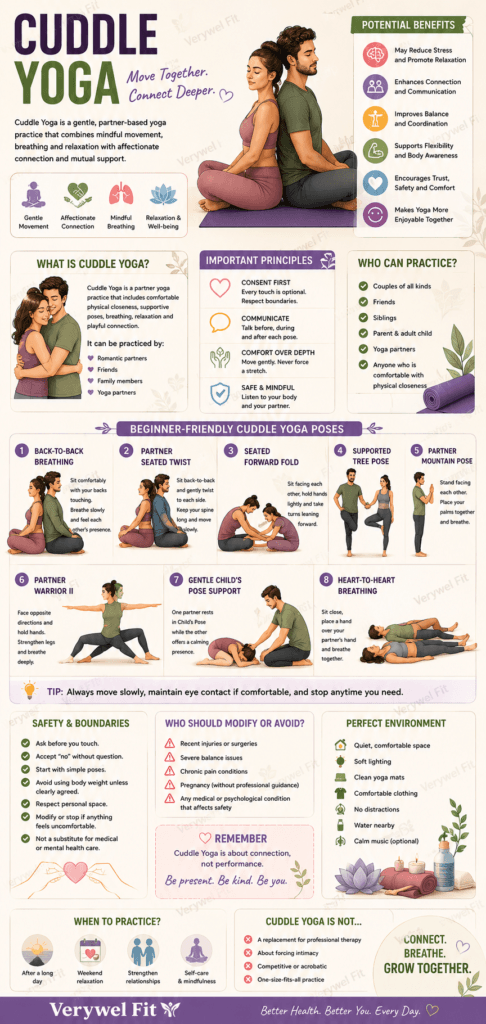
Pose yoga pelukan pemula yang ramah.
Anda tidak perlu yoga mitra akrobatik tingkat lanjut untuk mengalami aspek sosial dari cuddle yoga.
Berikut adalah beberapa pilihan yang lembut.
1. Pernapasan back-to-back.
Duduklah dengan nyaman di lantai dengan punggung menyentuh dengan lembut.
Tutup mata Anda jika nyaman.
Biarkan pernapasan Anda menjadi lambat dan alami.
Anda tidak perlu memaksa pernapasan Anda untuk disinkronkan.
Durasi: 2-5 menit.
Ini adalah salah satu cara termudah untuk memulai karena tidak ada pasangan yang perlu menopang berat badan orang lain.
2. Putar pasangan duduk.
Duduk saling berhadapan.
Jaga tulang belakang Anda relatif tegak.
Setiap orang dapat dengan lembut berputar ke satu sisi.
Letakkan tangan Anda di paha atau lantai sendiri daripada menarik pasangan Anda.
Kembali ke tengah dan ganti sisi.
PENTING: Jangan gunakan tubuh pasangan Anda sebagai pengungkit untuk memaksakan putaran yang lebih dalam.
3. Lipatan maju mitra.
Duduk saling berhadapan dengan kaki Anda terentang dengan nyaman atau sedikit ditekuk.
Pegang tangan dengan ringan.
Satu pasangan dengan lembut bersandar ke belakang sementara yang lain bersandar ke depan.
Kemudian beralih.
Gerakannya harus tetap lembut.
Tujuannya adalah kerjasama—bukan peregangan maksimal.
4. Pose pohon yang didukung.
berdiri di samping pasangan Anda.
setiap orang melakukan pose pohon sambil memegang tangan satu sama lain untuk keseimbangan.
Jaga kaki yang terangkat pada posisi yang nyaman.
Pemula dapat menempatkan kaki di dekat pergelangan kaki daripada tinggi di paha.
5. Pose gunung mitra.
berdiri saling berhadapan.
Tempatkan telapak tangan Anda bersama-sama.
Pertahankan kontak yang lembut.
Fokus pada postur dan pernapasan.
Sederhana ini Pose dapat membantu pemula Memahami cara mengkoordinasikan gerakan tanpa menggunakan kekuatan yang signifikan.
6. Prajurit Mitra II.
berdiri berdampingan atau menghadap ke arah yang berlawanan.
Anda dapat menggunakan kontak tangan untuk koneksi tanpa menarik.
Pertahankan posisi berdiri dan lutut yang nyaman.
7 .Dapatkan napas dari jantung ke jantung.
duduk dengan nyaman saling berhadapan.
Jika kedua orang merasa nyaman, letakkan satu tangan di atas tangan yang lain.
Jaga postur tubuh Anda tetap rileks.
Berlatih pernapasan lambat bersama.
Tidak ada persyaratan untuk kontak mata yang berkepanjangan atau kedekatan fisik.
8. Dukungan pose anak pasangan yang lembut.
Satu orang bergerak ke dalam pose anak yang nyaman.
Mitra duduk di dekatnya daripada menempatkan Berat Badan pada mereka.
Mereka dapat menawarkan bantuan untuk meyakinkan jika diinginkan.
Hindari memberi tekanan pada punggung seseorang.
9. Mitra Savasana.
berbaring secara terpisah di atas tikar yang berdekatan.
Jika kedua peserta merasa nyaman, tangan dapat menyentuh ringan.
Atau, tetap dekat tanpa kontak fisik.
Ini sering merupakan pilihan yang lebih baik daripada pose pasangan yang rumit untuk mengakhiri sesi.
Berpelukan yoga berpose untuk pasangan.
Latihan pasangan dapat mencakup gerakan yang sedikit lebih terkoordinasi.
Urutan sederhana bisa berupa:
- Pernapasan kembali
- Peregangan pasangan duduk
- Pose Gunung Mitra
- Pose Pohon yang Didukung
- Prajurit mitra II
- Putaran duduk yang lembut
- pengenduran
Tujuannya bukan untuk membuat foto yang mengesankan.
Tujuannya adalah untuk Bergerak dengan aman dan berkomunikasi dengan baik.
Apakah Cuddle Yoga Meningkatkan Hubungan?
Ini mungkin memberikan kesempatan untuk aktivitas dan komunikasi bersama, tetapi akan menjadi pernyataan yang berlebihan untuk mengatakan bahwa cuddle yoga secara otomatis meningkatkan hubungan.
Penelitian tentang sentuhan kasih sayang menunjukkan bahwa sentuhan dapat memainkan peran dalam proses hubungan dan kesejahteraan.(4)
Namun, kualitas hubungan tergantung pada banyak faktor, termasuk:
- perhubungan
- menghormati
- yg dipercayakan
- Keamanan emosional
- Nilai-nilai bersama
- Manajemen konflik
- Batasan individu
Yoga tidak dapat menggantikan perilaku hubungan yang sehat.
Pentingnya persetujuan dalam cuddle yoga.
Persetujuan bisa dibilang bagian terpenting dari Cuddle Yoga.
Setiap peserta harus bebas untuk memutuskan:
- apakah mereka ingin berpartisipasi
- yg mana pose yang ingin mereka coba
- di mana mereka merasa nyaman disentuh
- Berapa lama kontak berlangsung
- Ketika mereka ingin berhenti
persetujuan harus:
Diberikan secara bebas, terinformasi, spesifik dan reversibel.
Seseorang dapat setuju untuk berpegangan tangan tetapi menolak berpelukan.
Mereka dapat menyetujui keseimbangan pasangan tetapi menolak pose tertentu.
Mereka dapat berubah pikiran kapan saja.
Bagaimana cara meminta persetujuan?
Gunakan pertanyaan sederhana.
Misalnya:
“Apakah kamu nyaman berpegangan tangan?”
“Apakah Anda ingin mendukung di sini?”
“Apakah jumlah tekanan ini baik-baik saja?”
“Apakah kamu ingin melanjutkan?”
Hindari menafsirkan keheningan sebagai kesepakatan.
Jangan katakan:
“Kau adalah pasanganku, jadi kau harus merasa nyaman dengan ini.”
Keintiman fisik tidak boleh diperlakukan sebagai kewajiban.
Bagaimana jika seseorang mengatakan tidak?
Segera terima jawabannya.
Jangan meminta mereka untuk membenarkannya.
Jangan membujuk mereka.
Jangan membuat mereka merasa bersalah.
Cukup ubah aktivitasnya.
Misalnya, alih-alih berpegangan tangan, Anda dapat:
- berdiri di samping satu sama lain
- gerakan cermin
- Berlatih back-to-back tanpa kontak
- Gunakan tikar terpisah
- Lakukan latihan pernapasan yang sama
Yoga berpelukan harus menciptakan koneksi—bukan tekanan.
Apakah Cuddle Yoga Seksual?
ndak .
Yoga berpelukan tidak secara inheren seksual.
Kedekatan fisik bisa menjadi kasih sayang, mendukung atau hanya bagian dari latihan gerakan.
Namun, karena praktik tersebut melibatkan kontak fisik, peserta harus dengan jelas menetapkan batasan sebelum memulai.
Kelas profesional harus memiliki kebijakan yang sangat jelas seputar kontak yang sesuai dan persetujuan peserta.
Memeluk yoga dan batasan pribadi.
Orang yang berbeda memiliki tingkat kenyamanan yang berbeda.
Satu orang mungkin menikmati pelukan.
Yang lain mungkin lebih suka kontak tangan.
Orang lain mungkin tidak menginginkan kontak fisik sama sekali.
Ketiga preferensi tersebut valid.
Sesi cuddle-yoga inklusif harus memungkinkan orang untuk berpartisipasi tanpa ditekan untuk berhubungan.
Memeluk yoga dan stres.
Komponen yoga dapat berkontribusi pada manajemen stres.
Sebuah tinjauan sistematis tahun 2024 menemukan bukti berkualitas rendah untuk pengurangan jangka pendek dalam persepsi stres di antara orang dewasa yang stres berlatih yoga dibandingkan dengan kontrol pasif.
Penelitian tentang sentuhan juga menunjukkan efek potensial pada hasil yang berhubungan dengan stres.
Sebuah tinjauan tahun 2023 menggambarkan sentuhan afektif sebagai berpotensi relevan dengan pengaturan stres dan proses keterikatan.
Namun, temuan ini tidak boleh digabungkan untuk mengklaim:
“Memeluk Yoga menurunkan kortisol.”
Itu akan melampaui bukti yang tersedia.
Sebaliknya, pernyataan yang lebih akurat adalah:
Yoga Cuddle menggabungkan dua bidang penelitian—yoga dan sentuhan interpersonal—yang masing-masing telah diselidiki dalam kaitannya dengan stres dan kesejahteraan, tetapi efek khusus dari yoga cuddle tetap tidak cukup dipelajari.
Memeluk yoga dan kecemasan.
Yoga telah dipelajari untuk hasil kesehatan mental, tetapi Yoga Cuddle sendiri belum dievaluasi secara memadai sebagai pengobatan untuk gangguan kecemasan.
Jika seseorang memiliki kecemasan yang signifikan secara klinis, serangan panik atau kondisi kesehatan mental lainnya, cuddle yoga mungkin merupakan aktivitas kesehatan yang saling melengkapi tetapi tidak boleh menggantikan perawatan profesional yang tepat.
Memeluk yoga dan fleksibilitas.
Yoga mitra terkadang dapat membantu peserta mengeksplorasi rentang gerak yang lebih besar karena orang lain memberikan dukungan.
Tetapi lebih banyak jangkauan tidak secara otomatis lebih baik.
Seorang pasangan tidak boleh mendorong tubuh orang lain lebih dalam ke peregangan.
Peregangan mitra yang aman harus:
- lemah lembut
- yg dikendalikan
- yg dikomunikasikan
- lumayan
- Mudah dihentikan
Orang yang melakukan peregangan harus tetap terkendali.
Yoga untuk orang dewasa yang lebih tua.
Orang dewasa yang lebih tua berpotensi dapat berpartisipasi dalam yoga pasangan yang dimodifikasi, terutama ketika latihan keseimbangan dan mobilitas diadaptasi dengan tepat.
Namun, saldo mitra tingkat lanjut dapat meningkatkan risiko jatuh.
Gunakan:
- kursi-kursi
- dinding
- Dukungan stabil
- Latihan duduk
bila perlu.
Siapa pun dengan keseimbangan yang signifikan Keterbatasan harus menerima panduan individual sebelum mencoba berpose pasangan yang tidak didukung.
Memeluk yoga selama kehamilan.
Kehamilan membutuhkan modifikasi.
Hindari:
- Putaran dalam
- kompresi perut
- Saldo mitra tidak stabil
- Posisi risiko jatuh
- peregangan berlebihan
- Tekanan pada perut
Individu hamil harus mendapatkan bimbingan dari instruktur yoga prenatal dan profesional kesehatan yang berkualifikasi, terutama jika ada komplikasi kehamilan.
Memeluk yoga setelah cedera atau operasi.
Dukungan mitra tidak membuat sendi yang terluka secara otomatis aman untuk bergerak.
Jika Anda pulih dari:
- operasi lutut
- operasi pinggul
- operasi bahu
- Cedera punggung
- Cedera sendi
mendapatkan bimbingan rehabilitasi yang sesuai sebelum berpartisipasi.
Jangan biarkan pasangan menarik anggota tubuh yang terluka ke dalam peregangan.
Kesalahan umum yoga berpelukan.
Kesalahan 1: Dengan asumsi pasangan Anda merasa nyaman.
selalu bertanya.
Kesalahan 2: Menarik selama peregangan.
Pasangan Anda bukan mesin peregangan.
Jangan pernah memaksakan rentang gerak.
Kesalahan 3: Menggunakan berat badan tanpa peringatan.
Tidak pernah tiba-tiba bersandar pada seseorang.
Kesalahan 4: Mencoba yoga akro tingkat lanjut.
Yoga berpelukan tidak memerlukan akrobat.
Kesalahan 5: Mengabaikan perbedaan keseimbangan.
Dua orang mungkin memiliki tingkat kekuatan dan stabilitas yang sangat berbeda.
Kesalahan 6: Memperlakukan nyeri sebagai kemajuan.
Nyeri bukan tanda bahwa peregangan sedang bekerja.
Kesalahan 7: Membuat kontak fisik wajib.
Tawarkan kontak sebagai pilihan daripada persyaratan.
Rutinitas yoga berpelukan pemula selama 20 menit.
Berikut adalah rutinitas sederhana yang membuat penekanan pada koneksi daripada pose yang sulit.
Menit 1-3: Pernapasan duduk.
duduk saling berhadapan.
Berlatih pernapasan lambat.
Tidak perlu melakukan kontak fisik.
Menit 4–6: Pernapasan kembali.
Jika nyaman, duduklah secara berurutan.
Biarkan kontak tetap lembut.
Menit 7–9: Gunung Mitra.
berdiri saling berhadapan.
Sentuh telapak tangan dengan ringan.
Fokus pada postur.
Menit 10–12: Pohon yang didukung.
Pegang tangan satu sama lain jika diinginkan.
latihan keseimbangan.
beralih sisi.
Menit 13-15: Peregangan duduk.
duduk saling berhadapan.
Lakukan peregangan ke depan dan samping yang lembut.
Jangan saling tarik.
Menit 16-18: Relaksasi.
berbaring atau duduk dengan nyaman.
Tetap dekat tanpa memerlukan kontak fisik.
Menit 19–20: Penutupan.
Ambil beberapa napas lambat.
Terima kasih pasangan Anda.
Rutinitas ini sengaja dibuat sederhana.
Bagaimana membuat cuddle yoga lebih nyaman?
Ciptakan lingkungan di mana kedua orang merasa santai.
Pertimbangkan:
- pakaian yang nyaman
- Matras Yoga Bersih
- Ruang yang cukup
- Pencahayaan lembut
- musik yang tenang
- Air Dekat
- Tidak ada gangguan
Yang terpenting, sepakati batasan sebelum memulai.
Yoga berpelukan vs yoga mitra.
Istilah-istilah ini tumpang tindih tetapi tidak selalu identik.
mitra yoga adalah kategori luas yang melibatkan dua orang yang berlatih yoga bersama.
peluk yoga adalah istilah informal yang lebih spesifik yang menekankan kedekatan kasih sayang atau hubungan fisik.
Yoga mitra bisa sepenuhnya tidak berhubungan.
Yoga berpelukan umumnya menyiratkan beberapa tingkat kedekatan fisik, meskipun tingkat yang tepat tergantung pada peserta.
Yoga berpelukan vs yoga akro.
Acro Yoga biasanya menggabungkan dukungan pasangan yang lebih signifikan, berbagi berat badan, keseimbangan, dan terkadang elemen akrobatik.
Yoga berpelukan umumnya menekankan:
- pengenduran
- perpautan
- Gerakan lembut
- Kontak Kasih Sayang
- kemudahan mengakses
Mereka tidak boleh bingung.
Pemula tidak boleh berasumsi bahwa pose pasangan akrobatik diperlukan untuk memeluk yoga.
Apakah Cuddle Yoga Baik untuk Semua Orang?
Tidak ada satu pun latihan yang ideal untuk semua orang.
Seseorang yang tidak menyukai kontak fisik mungkin merasa tidak nyaman dengan yoga cuddle.
Seseorang dengan keterbatasan keseimbangan mungkin memerlukan modifikasi substansial.
Seseorang dengan cedera baru-baru ini mungkin perlu menghindari pose tertentu.
Seseorang yang lebih menyukai meditasi soliter mungkin lebih menikmati yoga individu.
Latihan terbaik adalah latihan yang aman, sesuai, menyenangkan, dan berkelanjutan.
Bagaimana cara menemukan kelas yoga berpelukan?
Jika Anda tertarik untuk menghadiri kelas, tanyakan kepada instruktur terlebih dahulu:
- Apa arti “pelukan yoga” di kelas ini?
- Apakah kontak fisik opsional?
- Bagaimana persetujuan ditangani?
- Bisakah saya memilih keluar dari pose?
- Apakah pemula diterima?
- Apakah ada modifikasi?
- Apa jenis latihan pasangan yang disertakan?
- Apa kualifikasi instruktur?
Seorang guru yang bereputasi baik harus merasa nyaman menjawab pertanyaan-pertanyaan ini.
pertanyaan yang sering diajukan.
1. Apa itu Yoga Cuddle?
Cuddle Yoga adalah bentuk modern dari yoga mitra yang menggabungkan gerakan yoga, relaksasi, pernapasan, dan kedekatan fisik konsensual.
2. Apa saja manfaat dari Cuddle Yoga?
Manfaat potensial termasuk relaksasi, koneksi sosial, kesadaran tubuh, kenikmatan, mobilitas lembut dan kesempatan untuk berlatih komunikasi. Penelitian langsung tentang cuddle yoga itu sendiri terbatas.
3. Apakah Cuddle Yoga hanya untuk pasangan?
ndak . Ini dapat dipraktikkan oleh teman, anggota keluarga, pasangan yoga atau pasangan, asalkan semua orang yang terlibat merasa nyaman dengan kontak fisik.
4. Apakah Cuddle Yoga Seksual?
ndak Yoga berpelukan tidak secara inheren seksual. Ini adalah praktik kesehatan dan gerakan yang melibatkan kedekatan fisik konsensual.
5. Apakah Cuddle Yoga Mengurangi Stres?
Ini mungkin santai, tetapi bukti langsung tentang yoga Cuddle masih kurang. Penelitian tentang yoga dan sentuhan secara terpisah menunjukkan manfaat potensial yang terkait dengan stres dan kesejahteraan.
6. Bisakah pemula melakukan yoga cuddle?
YA. Pemula harus mulai dengan pose sederhana seperti pernapasan berturut-turut, pose pohon yang didukung, dan gerakan duduk yang lembut.
7 . Apakah saya harus berpelukan saat memeluk yoga?
ndak Kontak fisik harus selalu opsional dan konsensual. Anda dapat berpartisipasi menggunakan latihan mitra non-kontak.
8. Bisakah Cuddle Yoga Meningkatkan Hubungan?
Ini dapat memberikan kesempatan untuk aktivitas dan komunikasi bersama, tetapi tidak boleh disajikan sebagai teknik peningkatan hubungan yang dijamin.
9. Apakah Yoga Mitra Aman?
Ini bisa aman ketika pose sesuai untuk kedua peserta dan dilakukan dengan komunikasi dan kontrol. Hindari memaksa peregangan atau mencoba keseimbangan pasangan tingkat lanjut tanpa instruksi yang tepat.
10. Bisakah saya berlatih yoga berpelukan selama kehamilan?
Beberapa yoga pasangan yang lembut mungkin dilakukan dengan modifikasi yang tepat, tetapi panduan khusus kehamilan dianjurkan. Hindari posisi tidak stabil atau berisiko tinggi dan gerakan apa pun yang menyebabkan ketidaknyamanan.
11. Bisakah Cuddle Yoga membantu kecemasan?
Ada bukti mengenai yoga dan kesehatan mental secara lebih luas, tetapi bukti yang tidak memadai untuk mengatakan bahwa cuddle yoga secara khusus mengobati kecemasan.
12. Apa yang harus saya lakukan jika saya tidak suka sentuhan fisik?
Beritahu pasangan atau instruktur Anda. Anda dapat memilih gerakan yoga pasangan non-kontak, pose cermin, atau latihan terpisah.
13. Apakah Cuddle Yoga sama dengan Acro Yoga?
ndak Acro yoga umumnya melibatkan pembagian berat badan yang lebih besar dan keseimbangan pasangan yang lebih menuntut, sementara yoga berpelukan biasanya menekankan gerakan lembut, relaksasi, dan koneksi.
14. Bisakah anak-anak melakukan yoga berpelukan?
Yoga pasangan yang sesuai dengan usia dapat dipraktikkan dengan anak-anak di bawah pengawasan yang tepat, tetapi berbagi berat badan orang dewasa, peregangan yang intens, dan keseimbangan yang tidak aman harus dihindari.
15. Berapa lama sesi cuddle yoga harus berlangsung?
Pemula dapat memulai dengan sekitar 15-20 menit. Sesi yang lebih panjang dapat dikembangkan secara bertahap sesuai dengan kenyamanan dan pengalaman.
16. Apa aturan paling penting dari pelukan yoga?
Persetujuan dan komunikasi didahulukan. Setiap peserta harus dapat mengatakan tidak, memodifikasi pose atau menghentikan kontak fisik kapan saja.
garis bawah.
Cuddle Yoga adalah latihan kesehatan berbasis mitra modern yang menggabungkan yoga lembut, pernapasan, relaksasi, dan koneksi fisik konsensual. Ini bisa menyenangkan, menenangkan, dan menarik secara sosial, tetapi tidak ada definisi standar tentang praktik tersebut dan penelitian ilmiah langsung secara khusus tentang yoga cuddle saat ini terbatas.
Bukti terkuat berhubungan dengan komponen daripada praktik gabungan. Yoga telah dipelajari untuk manajemen stres, dengan tinjauan sistematis 2024 menemukan bukti berkualitas rendah untuk pengurangan jangka pendek dalam stres yang dirasakan pada orang dewasa yang stres. Penelitian tentang sentuhan kasih sayang dan intervensi berbasis sentuhan juga menyarankan Manfaat Potensial Untuk kesejahteraan psikologis dan fisik, meskipun temuan tersebut tidak dapat secara langsung dikaitkan dengan yoga Cuddle.
Jika Anda ingin mencoba yoga cuddle, mulailah dengan pose sederhana, komunikasikan terus menerus, hindari memaksa peregangan, dan buat kontak fisik opsional. Pernapasan back-to-back, pose pohon yang didukung, gerakan pasangan duduk, dan relaksasi lembut adalah titik awal yang lebih aman daripada keseimbangan pasangan tingkat lanjut.
Yang terpenting, cuddle yoga harus terasa seperti koneksi, bukan kewajiban.
+4 sumber
VeryWelFit memiliki pedoman pengadaan yang ketat dan bergantung pada studi peer-review, lembaga penelitian pendidikan, dan organisasi medis. Kami menghindari penggunaan referensi tersier. Anda dapat mempelajari lebih lanjut tentang bagaimana kami memastikan konten kami akurat dan terkini dengan membaca Kebijakan Editorial.
- Efek yoga pada stres pada orang dewasa yang stres: tinjauan sistematis dan meta-analisis; https://pubmed.ncbi.nlm.nih.gov/39553891/
- tinjauan sistematis dan meta-analisis multivariat dari manfaat kesehatan fisik dan mental dari intervensi sentuhan; https://pubmed.ncbi.nlm.nih.gov/38589702/
- sentuhan afektif dan pengaturan respons stres; https://pubmed.ncbi.nlm.nih.gov/36346350/
- Sentuhan kasih sayang untuk mempromosikan kesejahteraan relasional, psikologis, dan fisik di masa dewasa: model teoretis dan tinjauan penelitian; https://pubmed.ncbi.nlm.nih.gov/27225036//