












 تدرب
تدرب

 تأمل
تأمل






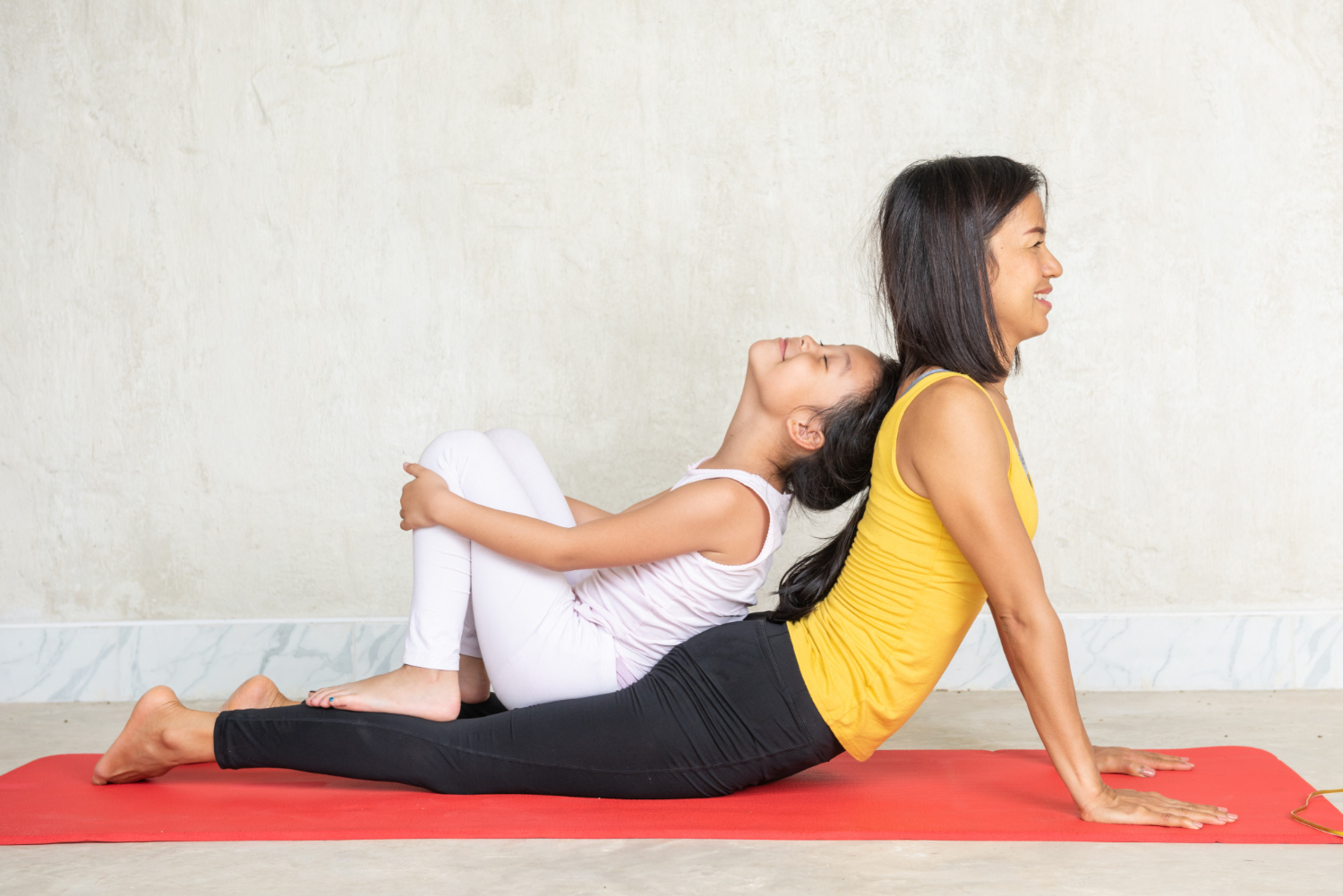
اليوغا الحضن هي نهج لطيف يعتمد على الشريك في اليوجا يجمع بين حركة اليوجا والمواقف المدعومة والتنفس والاسترخاء والتواصل الجسدي الحنون. على عكس اليوجا التقليدية ، التي تُمارس عادةً بشكل فردي ، تتضمن اليوجا عنق شخصين يعملان معًا من خلال أوضاع مختارة بعناية والتي قد تشمل الميول أو الإمساك أو الجلوس عن قرب أو الاتصال اللطيف الداعم.
لا يشير مصطلح “يوجا الحضن” إلى أسلوب يوجا موحد. قد يستخدم المعلمون والاستوديوهات والممارسون المختلفون المصطلح لممارسات مختلفة قليلاً. تؤكد بعض الإصدارات على الشركاء الرومانسيين ، بينما يركز البعض الآخر على الأصدقاء أو الأزواج أو أفراد الأسرة أو غيرهم من البالغين الموافقين.
الفكرة المركزية بسيطة: يتم ممارسة الحركة والاتصال معًا.
يمكن أن تكون اليوجا عنقًا مرحة ومريحة ، لكن الاتصال الجسدي يعني أيضًا أن الحدود والتواصل والموافقة مهمة بشكل خاص. لا ينبغي أبدًا الضغط على الشريك لعناق أو لمس أو الإمساك أو أداء وضعية تشعر بعدم الارتياح.
قصص ذات صلة
 لماذا تجعلني اليوجا أشعر بالغثيان؟ فهم الأسباب وكيفية التغلب عليها
 أشويني مودرا: الفوائد والآثار الجانبية وكيفية القيام به والاحتياطات
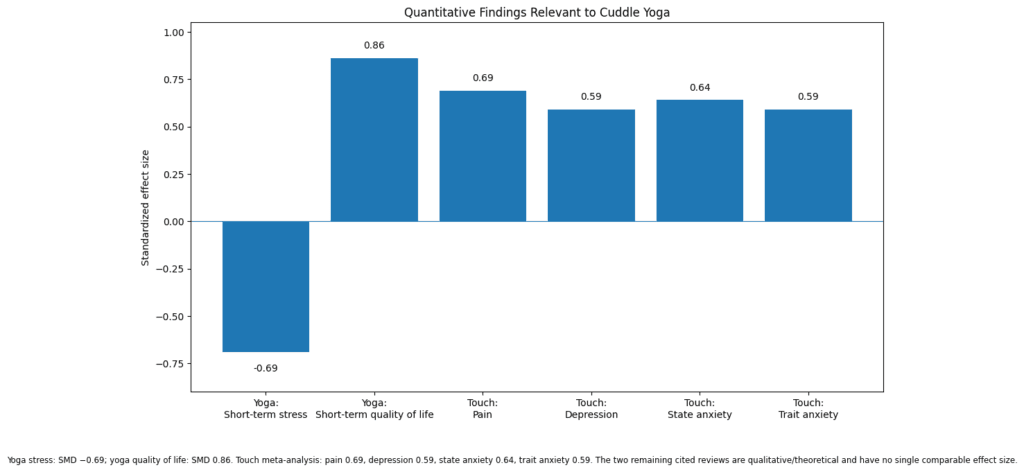
البحث الذي يفحص على وجه التحديد “يوغا الحضن” كممارسة متميزة محدود. ومع ذلك ، فإن الأبحاث حول اليوجا والتوتر ، وكذلك البحث عن اللمس الحنون والتدخلات القائمة على اللمس ، توفر سياقًا مفيدًا. وجدت مراجعة منهجية لعام 2024 وتحليل تلوي لليوغا لدى البالغين المجهدين دليلاً على تقليل التوتر على المدى القصير ، على الرغم من أن اليقين من الأدلة كان منخفضًا لهذه النتيجة.(1) أبلغت الأبحاث حول تدخلات اللمس أيضًا عن فوائد للعديد من النتائج الجسدية والنفسية ، على الرغم من أن تلك الدراسات لا تثبت أن احتضان اليوجا نفسها تنتج نفس التأثيرات.(2)
ما هي اليوجا الحضن؟
Cuddle Yoga هي ممارسة يوغا شريكة تدمج التقارب الجسدي المريح مع حركات اليوجا والاسترخاء.
اعتمادًا على الفصل أو الروتين ، قد يتضمن ما يلي:
- الجلوس من الخلف إلى الخلف
- عقد اليدين أثناء يطرح التوازن
- طيات للأمام مدعومة
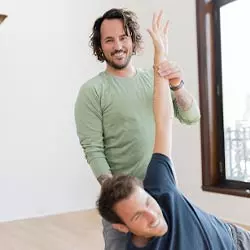
- شريك لطيف يمتد
- التنفس جالس
- الاسترخاء المدعوم
- التوازن بمساعدة الشريك
- حضن لطيف بين التمارين
يجب أن يظل التركيز على الراحة والتعاون المتبادلين ، بدلاً من فرض المرونة أو تحقيق الصعوبة يطرح اليوجا.

يمكن ممارسة اليوجا عن طريق:
- شركاء رومانسيون
- أصدقاء
- الأشقاء
- الوالد والطفل البالغ
- شركاء اليوغا
- مجموعات
العلاقة بين المشاركين أقل أهمية مما إذا كان كل من يشارك في حالة ارتياح لمستوى الاتصال الجسدي.
هل اليوجا الحضن نوع حقيقي من اليوجا؟
من الأفضل فهم اليوجا عن طريق اليوغا على أنها مصطلح وصفي بدلاً من تقليد يوجا موحد عالميًا.
لا يوجد تسلسل واحد أو نظام تصديق أو تعريف مقبول عالميًا ليوجا احتضان.
قد يستخدم المعلم المصطلح لوصف اليوجا الشريكة من خلال الاتصال الحنون ، بينما قد يستخدمها مدرس آخر في جلسة يوغا للأزواج.
تتضمن اليوجا التقليدية العديد من الممارسات التي تتضمن:
- أسانا
- براناياما
- تأمل
- تسلية
- شىء م
تضيف يوجا الحضن بعدًا اجتماعيًا ولمسيًا للممارسات المختارة.
لذلك ، من المفيد التمييز بين مبادئ اليوجا التقليدية والمفهوم الحديث ليوغا الحضن.
كيف تعمل اليوجا الحضن؟
تجمع الجلسة النموذجية بين عدة عناصر.
1. حركة اليوجا.
المشاركون يؤدون بلطف يطرح اليوجا بشكل فردي أو معًا.
2. دعم الشريك.
قد يوفر شخص واحد خفيفًا جسديًا الدعم بينما يقوم الآخر موقف.
3. التنفس.
قد يتزامن الشركاء مع تنفسهم أو يمارسون التنفس البطيء معًا.
4. الاتصال الجسدي.
اعتمادا على الحدود الفردية، يمكن أن يشمل ذلك:
- عقد الأيدي
- الجلوس من الخلف إلى الخلف
- اتصال الكتف
- الاتصال باليد
- أحضان لطيفة
5. الاسترخاء.
قد تنتهي الجلسات بالتنفس الهادئ أو تمرين الاسترخاء المدعوم.
يمكن أن يجعل المزيج اليوجا أكثر اجتماعية وتفاعلية.
الفوائد المحتملة لممارسة اليوجا.
نظرًا لأن البحث المباشر عن اليوجا عناق محدود ، فمن المهم عدم الادعاء بأن الممارسة تعالج حالات طبية معينة.
من الأفضل فهم الفوائد المحتملة على أنها مزيج من الفوائد المحتملة من اليوجا اللطيفة والاسترخاء والحركة واللمسة الاجتماعية بالتراضي.
1. قد يساعد في تقليل التوتر.
تم التحقيق في اليوجا على نطاق واسع كممارسة لإدارة الإجهاد.
تضمنت مراجعة منهجية 2024 وتحليل تلوي 13 تجربة معشاة ذات شواهد شملت 1026 مشاركًا ووجدت أدلة منخفضة الجودة للتخفيضات قصيرة المدى في الإجهاد الملحوظ بين البالغين المجهدين مقارنة بالضوابط السلبية. (PubMed)
يضيف احتضان اليوجا مكونًا آخر: التفاعل الاجتماعي والاتصال الجسدي.
قد يجعل هذا التجربة مهدئة بشكل شخصي لبعض الناس.
ومع ذلك ، لا يمكننا القول أن اليوجا عنق أكثر فعالية من اليوجا الفردية للتوتر لأن هذا لم يتم إثباته بشكل كافٍ.
2 . قد يشجع على الاسترخاء.
يمكن أن يؤدي التنفس البطيء والحركة اللطيفة والبيئة الهادئة إلى خلق تجربة تركز على الاسترخاء.
قد تؤدي إضافة اتصال مريح مع الشريك إلى جعل بعض الأشخاص يشعرون بمزيد من الأمان والتواصل.
3. قد يشجع التواصل الاجتماعي.
تتطلب اليوجا الشريكة من الناس التواصل والتعاون.
يجب على المشاركين الانتباه إلى:
- حركة شريكهم
- راحة شريكهم
- توقيت
- ميزان
- تنفس
- الحدود المادية
هذا يمكن أن يجعل الممارسة أكثر تفاعلية من جلسة اليوغا الفردية.
4. قد يدعم الاتصال الحنون.
اقترحت الأبحاث حول اللمسة العاطفية روابط بين اللمس وعمليات العلاقات وتنظيم التوتر والرفاهية.(3)
شملت مراجعة منهجية كبيرة لعام 2024 وفحص تدخالت اللمس 137 دراسة في تحليلها التلوي و 12966 فردًا بشكل عام؛ فوائد في العديد من الصحة النتائج ، بما في ذلك انخفاض آلام البالغين والاكتئاب والقلق. ومع ذلك ، كانت التدخلات المدروسة متنوعة ولا ينبغي معادلتها مباشرة مع احتضان اليوجا.
5. قد يحسن وعي الجسم.
تتطلب منك تمارين الشريك أن تلاحظ جسدك بينما تستجيب في نفس الوقت لآخر حركات الشخص.
هذا يمكن أن يشجع على الوعي بـ:
- وقفة
- تنفس
- توتر العضلات
- ميزان
- نطاق الحركة
- تحديد المواقع
6. يمكن أن تجعل اليوجا أكثر متعة.
يجد بعض الناس أن التمارين الفردية متكررة.
تقدم اليوجا الشريكة التنوع والتفاعل.
قد تجعل الطبيعة المرحة ليوجا الحضن بعض الناس أكثر حماسًا للمشاركة بانتظام.
7 . قد يشجع على التواصل.
تتطلب اليوجا الشريك الجيد تواصلًا واضحًا.
قد تحتاج إلى قول:
- “هذا يكفي.”
- “من فضلك تحرك ببطء أكثر.”
- “هل يمكنك دعمي؟”
- “أنا بحاجة إلى مساحة أكبر.”
- “هذا الموقف لا يشعر بالراحة.”
تعلم التواصل بوضوح حول الحدود المادية يمكن أن يجعل تمرين الشريك أكثر أمانًا.
8. يمكن أن تطور الثقة.
تتطلب بعض وضعيات الشريك من المشاركين الاعتماد على بعضهم البعض لتحقيق التوازن أو الدعم.
عندما يتم إجراؤها بأمان ، يمكن أن يخلق هذا شعورًا بالتعاون والثقة.
ومع ذلك ، لا ينبغي أبدًا افتراض الثقة.
يجب أن تتطور من خلال الاحترام المستمر للحدود.
هل هناك دليل علمي على اليوجا الحضن؟
الأدلة المباشرة محدودة.
هذه واحدة من أهم النقاط لمقال قائم على الأدلة.
معظم الأبحاث المتاحة اليوم تفحص إما:
- يوجا
- شريك أو تفاعل اجتماعي
- لمسة حنون
- التدخلات القائمة على اللمس
- إجهاد
- الرفاه النفسي
بدلا من احتضان اليوجا نفسها.
على سبيل المثال ، تصف مراجعة اللمسة العاطفية المسارات المحتملة التي تربط اللمسة بالتعلق وتنظيم التوتر والرفاهية.
وجد تحليل تلوي منفصل لعام 2024 لتدخلات اللمس فوائد قابلة للقياس في العديد من النتائج ، لكن التدخلات تضمنت العديد من أشكال اللمس المختلفة ، وبالتالي لا يمكن استخدامها للادعاء بأن اليوجا الحضن تنتج نتائج متطابقة.
هذا التمييز مهم للاتصال الصحي المسؤول.
احتضان اليوجا للأزواج.
تحظى يوجا الحضن بشعبية خاصة كنشاط للأزواج.
يمكن أن توفر جلسة الأزواج فرصة لـ:
- تحركا معا
- أبطأ
- تبادل
- ضحك
- ممارسة التنفس
- استرخى
- قضاء وقت متواصل معًا
لا تحتاج إلى أن تكون رومانسية أو جنسية.
في الواقع ، يمكن أن يجعل الحفاظ على النشاط مركزًا على الراحة المتبادلة والاتصال والحركة الممارسة أكثر سهولة.
احتضان اليوجا للأصدقاء.
لست بحاجة إلى أن تكون في علاقة رومانسية لممارسة اليوجا الشريكة.
يمكن للأصدقاء أداء العديد من الوضعيات باستخدام:
- إمساك اليد
- وضعية متتالية
- دعم جالس
- حركات معكوسة
- توازن الشريك
ومع ذلك ، لا تفترض أبدًا أن الصديق مرتاح للاتصال الجسدي لمجرد أنك تعرف بعضكما البعض جيدًا.
اسأل أولاً.
احتضان اليوجا لأفراد الأسرة.
يمكن أن تتضمن اليوجا العائلية أيضًا أنشطة الشريك.
على سبيل المثال، يمكن لوالد بالغ وطفل بالغ أن يمارس:
- التنفس جالس
- الاسترخاء المتتالي
- التوازن المدعوم
- يد بيد لطيفة
ومع ذلك ، بالنسبة للأطفال ، يجب أن تكون الأنشطة مناسبة للعمر والإشراف عليها. تجنب وضع جسم الطفل في تمارين الإطالة الشديدة أو استخدام الطفل كدعم لوزن البالغين.
يطرح اليوجا الصديق للمبتدئين.
لا تحتاج إلى يوجا شريكة بهلوانية متقدمة لتجربة الجانب الاجتماعي ليوجا الحضن.
فيما يلي بعض الخيارات اللطيفة.
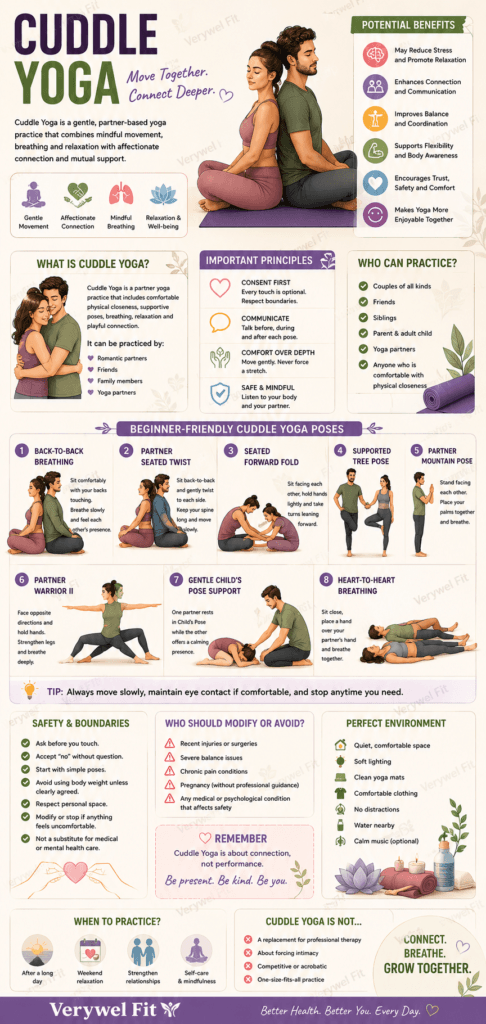
1. التنفس من الخلف.
اجلس بشكل مريح على الأرض مع لمس ظهرك بلطف.
أغمض عينيك إذا كانت مريحة.
اسمح لتنفسك بأن يصبح بطيئًا وطبيعيًا.
لا تحتاج إلى إجبار تنفسك على التزامن.
المدة: 2-5 دقائق.
هذه واحدة من أسهل الطرق للبدء لأن أيا من الشريكين لا يحتاج إلى دعم وزن جسم الآخر.
2. تويست شريك جالس.
اجلس من الخلف إلى الخلف.
حافظ على عمودك الفقري في وضع مستقيم نسبيًا.
يمكن لكل شخص أن يدور برفق نحو جانب واحد.
ضع يدك على فخذك أو الأرض بدلاً من شد شريكك.
العودة إلى المركز وتحويل الجوانب.
هام: لا تستخدم جسم شريكك كرافعة لفرض تطور أعمق.
3. ثنية شريك للأمام.
اجلس في مواجهة بعضكما البعض مع ساقيك ممدودتان بشكل مريح أو مثنية قليلاً.
امسك يديك برفق.
يميل أحد الشركاء برفق إلى الوراء بينما يميل الآخر إلى الأمام.
ثم التبديل.
يجب أن تظل الحركة لطيفة.
الغرض هو التعاون - وليس الحد الأقصى من التمدد.
4. وضع الشجرة المدعومة.
قف بجانب شريك حياتك.
كل شخص يؤدي وضع الشجرة مع إمساك يد بعضنا البعض لتحقيق التوازن.
حافظ على رفع القدم في وضع مريح.
يمكن للمبتدئين وضع القدم بالقرب من الكاحل بدلاً من ارتفاع الفخذ.
5. شريك جبلي.
قف في مواجهة بعضها البعض.
ضع راحة يدك معًا.
حافظ على اتصال لطيف.
ركز على الموقف والتنفس.
هذا بسيط يمكن أن يساعد الوضعية المبتدئين فهم كيفية تنسيق الحركة دون استخدام قوة كبيرة.
6. شريك المحارب الثاني.
قف جنبًا إلى جنب أو في مواجهة اتجاهين متعاكسين.
يمكنك استخدام الاتصال اليدوي للاتصال دون سحب.
الحفاظ على وضعية مريحة ووضع الركبة.
7 جلسات تنفس من القلب إلى القلب.
اجلس في مواجهة بعضكما البعض بشكل مريح.
إذا كان الشخصان مرتاحين ، ضع يدًا على اليد الأخرى.
حافظ على وضعيتك مريحة.
ممارسة التنفس البطيء معًا.
لا يوجد شرط للاتصال البصري المطول أو التقارب الجسدي.
8. دعم وضع الطفل الشريك اللطيف.
ينتقل شخص واحد إلى وضعية مريحة للطفل.
الشريك يجلس في مكان قريب بدلاً من وضعه وزن الجسم عليهم.
يمكنهم تقديم يد للطمأنينة إذا رغبت في ذلك.
تجنب الضغط على ظهر شخص ما.
9. شريك سافاسانا.
استلقِ بشكل منفصل على الحصائر المجاورة.
إذا كان كلا المشاركين مرتاحين ، يمكن أن تلمس اليدين بخفة.
بدلاً من ذلك ، ببساطة ابق قريبًا دون اتصال جسدي.
غالبًا ما يكون هذا خيارًا أفضل من طرح الشريك المعقد لإنهاء الجلسة.
يطرح اليوجا للأزواج.
يمكن أن تتضمن ممارسة الزوجين حركات أكثر تنسيقًا قليلاً.
يمكن أن يكون التسلسل البسيط:
- التنفس من الخلف
- شريك جلست امتداد
- شريك جبلي
- وضع الشجرة المدعومة
- شريك المحارب الثاني
- تويست جالس لطيف
- تسلية
الغرض ليس إنشاء صورة رائعة.
الهدف هو تحرك بأمان وتواصل بشكل جيد.
هل يحسن احتضان اليوجا العلاقات؟
قد يوفر فرصة للنشاط المشترك والتواصل ، ولكن سيكون من المبالغة القول إن احتضان اليوجا يحسن العلاقات تلقائيًا.
تشير الأبحاث حول اللمسة العاطفية إلى أن اللمس يمكن أن يلعب دورًا في عمليات العلاقة والرفاهية.(4)
ولكن جودة العلاقة تعتمد على العديد من العوامل، بما في ذلك:
- تبادل معلومات
- احترام
- اتكل
- السلامة العاطفية
- القيم المشتركة
- إدارة النزاعات
- الحدود الفردية
لا يمكن لليوجا أن تحل محل سلوكيات العلاقة الصحية.
أهمية الموافقة في احتضان اليوجا.
يمكن القول إن الموافقة هي أهم جزء في احتضان اليوجا.
يجب أن يكون لكل مشارك حرية اتخاذ القرار:
- سواء كانوا يريدون المشاركة
- أي يطرح يريدون تجربتها
- حيث يشعرون بالراحة عند لمسهم
- ما هي مدة الاتصال
- عندما يريدون التوقف
يجب أن تكون الموافقة:
معطى ومستنير ومحدد وقابل للعكس بحرية.
يمكن لأي شخص أن يوافق على إمساك يديه ولكن يرفض المعانقة.
يمكنهم الموافقة على توازن الشريك ولكنهم يرفضون وضعية معينة.
يمكنهم تغيير رأيهم في أي وقت.
كيف تطلب الموافقة؟
استخدم أسئلة بسيطة.
مثلا:
“هل أنت مرتاح في إمساك يديك؟”
“هل ترغب في الدعم هنا؟”
“هل هذا القدر من الضغط مقبول؟”
“هل تريد الاستمرار؟”
تجنب تفسير الصمت على أنه اتفاق.
لا تقل:
“أنت شريكي ، لذا يجب أن تكون مرتاحًا لهذا.”
لا ينبغي أبدًا التعامل مع العلاقة الحميمة الجسدية على أنها التزام.
ماذا لو قال أحدهم لا؟
اقبل الإجابة على الفور.
لا تطلب منهم تبرير ذلك.
لا تقنعهم.
لا تجعلهم يشعرون بالذنب.
ببساطة تعديل النشاط.
على سبيل المثال، بدلًا من أن تمسك يديك، يمكنك:
- قف بجانب بعضها البعض
- حركات المرآة
- تدرب على ظهره بدون اتصال
- استخدم حصائر منفصلة
- أداء نفس تمرين التنفس
يجب أن تخلق اليوجا احتضان اتصال وليس الضغط.
هل احتضان اليوجا جنسية؟
لا .
اليوجا الحضن ليست جنسية بطبيعتها.
يمكن أن يكون التقارب الجسدي حنونًا أو داعمًا أو مجرد جزء من تمرين الحركة.
ومع ذلك ، نظرًا لأن الممارسة تنطوي على اتصال جسدي ، يجب على المشاركين وضع حدود بوضوح قبل البدء.
يجب أن يكون لدى الفصل المهني سياسات واضحة بشكل خاص حول الاتصال المناسب وموافقة المشاركين.
احتضن اليوجا والحدود الشخصية.
الأشخاص المختلفون لديهم مستويات راحة مختلفة.
قد يستمتع شخص واحد بالأحضان.
قد يفضل آخر الاتصال اليدوي فقط.
قد لا يرغب شخص آخر في الاتصال الجسدي على الإطلاق.
جميع التفضيلات الثلاثة صالحة.
يجب أن تسمح جلسة الحضن واليوغا الشاملة للأشخاص بالمشاركة دون الضغط على لمسها.
احتضن اليوجا والتوتر.
قد يساهم مكون اليوجا في إدارة الإجهاد.
وجدت مراجعة منهجية لعام 2024 أدلة منخفضة الجودة على التخفيضات قصيرة المدى في الإجهاد الملحوظ بين البالغين المجهدين الذين يمارسون اليوجا مقارنةً بالضوابط السلبية.
تشير الأبحاث التي أجريت على اللمس أيضًا إلى التأثيرات المحتملة على النتائج المتعلقة بالتوتر.
وصفت مراجعة عام 2023 اللمسة العاطفية على أنها ذات صلة محتملة بتنظيم الإجهاد وعمليات التعلق.
ومع ذلك، لا ينبغي الجمع بين هذه النتائج للمطالبة بما يلي:
“اليوغا الحضن تقلل من الكورتيزول.”
هذا من شأنه أن يتجاوز الأدلة المتاحة.
بدلا من ذلك، فإن البيان الأكثر دقة هو:
تجمع Cuddle Yoga بين مجالين من مجالات البحث - اليوجا واللمسة الشخصية - تم فحص كل منهما فيما يتعلق بالتوتر والرفاهية ، لكن التأثيرات المحددة ليوجا الحضن لا تزال غير مدروسة بشكل كافٍ.
احتضن اليوجا والقلق.
تمت دراسة اليوجا من أجل نتائج الصحة العقلية ، ولكن لم يتم تقييم احتضان اليوجا نفسها بشكل كافٍ كعلاج لاضطرابات القلق.
إذا كان شخص ما يعاني من قلق شديد سريريًا أو نوبات الهلع أو حالة صحية عقلية أخرى ، فقد تكون اليوجا احتضانًا نشاطًا صحيًا تكميليًا ولكن لا ينبغي أن تحل محل العلاج المهني المناسب.
احتضن اليوجا والمرونة.
يمكن أن تساعد اليوجا الشريكة المشاركين في بعض الأحيان على استكشاف نطاق أكبر من الحركة لأن شخصًا آخر يوفر الدعم.
لكن المزيد من النطاق ليس تلقائيًا أفضل.
يجب ألا يدفع الشريك أبدًا جسد شخص آخر إلى عمق امتداده.
يجب أن يكون امتداد الشريك الآمن:
- رقيق
- مسيطر
- موصل
- مريح
- توقف بسهولة
يجب أن يظل الشخص الذي يقوم بالتمدد مسيطرًا.
احتضان اليوجا لكبار السن.
يمكن للمسنين الأكبر سنًا المشاركة في اليوغا الشريك المعدلة ، خاصةً عندما يتم تكييف تمارين التوازن والحركة بشكل مناسب.
ومع ذلك ، يمكن أن تزيد أرصدة الشركاء المتقدمة من مخاطر السقوط.
استخدام:
- كراسي
- حوائط
- يدعم مستقر
- تمارين الجلوس
عند الضرورة.
أي شخص لديه توازن كبير يجب أن تتلقى القيود إرشادات فردية قبل محاولة وضعيات الشريك غير المدعومة.
احتضان اليوجا أثناء الحمل.
الحمل يتطلب تعديلات.
تجنب:
- التواء عميق
- ضغط البطن
- أرصدة الشريك غير المستقرة
- مواقف خطر السقوط
- الإطالة المفرطة
- الضغط على البطن
يجب على الأشخاص الحوامل الحصول على إرشادات من مدرب يوغا قبل الولادة مؤهل بشكل مناسب وأخصائي الرعاية الصحية ، خاصة إذا كانت هناك مضاعفات للحمل.
احتضن اليوجا بعد الإصابة أو الجراحة.
لا يجعل دعم الشريك المفصل المصاب آمنًا للتحرك تلقائيًا.
إذا كنت تتعافى من:
- جراحة الركبة
- جراحة الورك
- جراحة الكتف
- إصابة في الظهر
- إصابة المفاصل
الحصول على إرشادات إعادة التأهيل المناسبة قبل المشاركة.
لا تسمح أبدًا للشريك بسحب الطرف المصاب إلى امتداد.
أخطاء اليوجا الشائعة.
الخطأ 1: افتراض أن شريكك مرتاح.
اسأل دائما.
الخطأ 2: السحب أثناء التمدد.
شريكك ليس آلة تمدد.
لا تجبر أبدًا نطاق الحركة.
الخطأ 3: استخدام وزن الجسم دون سابق إنذار.
لا تتكئ على أحد فجأة.
الخطأ 4: محاولة اليوغا الأكرو المتقدمة.
لا تتطلب اليوجا احتضان الألعاب البهلوانية.
الخطأ الخامس: تجاهل فروق التوازن.
قد يكون لدى شخصين مستويات قوة واستقرار مختلفة للغاية.
الخطأ السادس: علاج الألم كتقدم.
الألم ليس علامة على أن التمدد يعمل.
الخطأ 7: جعل الاتصال الجسدي إلزاميًا.
عرض الاتصال كخيار بدلاً من مطلب.
روتين يوجا احتضان للمبتدئين لمدة 20 دقيقة.
إليك روتين بسيط يحافظ على التركيز على الاتصال بدلاً من الأوضاع الصعبة.
دقائق 1-3: تنفس جالس.
اجلس في مواجهة بعضنا البعض.
ممارسة التنفس البطيء.
لا حاجة للاتصال الجسدي.
دقائق 4-6: التنفس المتتالي.
إذا كان مريحًا، اجلسي من الخلف إلى الخلف.
اسمح للاتصال بالبقاء لطيفًا.
الدقائق 7-9: جبل الشريك.
قف في مواجهة بعضها البعض.
المس راحة اليد برفق.
ركز على الموقف.
الدقائق 10-12: الشجرة المدعومة.
امسك يد بعضكما البعض إذا رغبت في ذلك.
ممارسة التوازن.
تبديل الجوانب.
الدقائق 13-15: امتداد الجلوس.
اجلس في مواجهة بعضنا البعض.
قم بأداء تمارين إطالة لطيفة للأمام والجانب.
لا تسحب بعضكما البعض.
الدقائق 16-18: الاسترخاء.
الكذب أو الجلوس بشكل مريح.
ابق على مقربة دون الحاجة إلى الاتصال الجسدي.
الدقائق 19-20: الختام.
خذ عدة أنفاس بطيئة.
شكرا لشريكك.
هذا الروتين بسيط عمدًا.
كيف تجعل اليوجا عناق أكثر راحة؟
خلق بيئة يشعر فيها كلا الشخصين بالراحة.
ضع في اعتبارك:
- ملابس مريحة
- سجادة يوغا نظيفة
- مساحة كافية
- إضاءة ناعمة
- موسيقى هادئة
- المياه القريبة
- لا تشتيت الانتباه
الأهم من ذلك ، الاتفاق على الحدود قبل البدء.
احتضان اليوجا مقابل اليوغا الشريك.
تتداخل هذه المصطلحات ولكنها ليست بالضرورة متطابقة.
اليوغا الشريك هي فئة واسعة تضم شخصين يمارسان اليوجا معًا.
احتضان اليوجا هو مصطلح غير رسمي أكثر تحديدًا يركز على التقارب الحنون أو الاتصال المادي.
يمكن أن تكون اليوجا الشريكة غير ملامسة تمامًا.
تشير اليوجا الحضن عمومًا إلى درجة معينة من التقارب الجسدي ، على الرغم من أن المستوى الدقيق يعتمد على المشاركين.
احتضان اليوغا مقابل أكرو يوجا.
تتضمن Acro Yoga عادةً دعمًا أكثر أهمية للشريك ومشاركة الوزن والتوازن وأحيانًا العناصر البهلوانية.
اليوغا الحضن تؤكد بشكل عام:
- تسلية
- نسيب
- حركة لطيفة
- اتصال حنون
- سهولة المنال
لا ينبغي الخلط بينهم.
يجب ألا يفترض المبتدئون أن وضع الشريك البهلواني ضروري لممارسة اليوجا.
هل احتضان اليوجا مفيد للجميع؟
لا توجد ممارسة واحدة مثالية للجميع.
قد يجد الشخص الذي لا يحب الاتصال الجسدي أن اليوجا احتضان غير مريحة.
قد يحتاج شخص لديه قيود على التوازن إلى تعديلات جوهرية.
قد يحتاج الشخص المصاب بإصابة حديثة إلى تجنب بعض الوضعيات.
قد يستمتع الشخص الذي يفضل التأمل الانفرادي باليوجا الفردية أكثر.
أفضل تمرين هو التمرين الآمن والمناسب والممتع والمستدام.
كيف تجد فصل يوجا احتضان؟
إذا كنت مهتمًا بحضور فصل دراسي ، فاسأل المعلم مسبقًا:
- ماذا تعني “يوجا احتضان” في هذا الفصل؟
- هل الاتصال الجسدي اختياري؟
- كيف يتم التعامل مع الموافقة؟
- هل يمكنني إلغاء الاشتراك في وضعية؟
- هل المبتدئين مرحب بهم؟
- هل هناك تعديلات؟
- ما نوع تمارين الشريك المدرجة؟
- ما هي مؤهلات المعلم؟
يجب أن يكون المعلم ذو السمعة الطيبة مرتاحًا للإجابة على هذه الأسئلة.
الأسئلة المتداولة.
1. ما هي اليوجا الحضن؟
اليوغا الحضن هي شكل حديث من اليوجا الشريكة التي تجمع بين حركات اليوجا والاسترخاء والتنفس والتقارب الجسدي بالتراضي.
2. ما هي فوائد اليوجا الحضن؟
تشمل الفوائد المحتملة الاسترخاء والتواصل الاجتماعي والوعي بالجسم والمتعة والتنقل اللطيف وفرصة لممارسة التواصل. البحث المباشر عن احتضان اليوجا نفسها محدود.
3. هل احتضان اليوجا للأزواج فقط؟
لا . يمكن أن يمارسها الأصدقاء أو أفراد الأسرة أو شركاء اليوجا أو الأزواج ، بشرط أن يكون كل من يشارك في حالة ارتياح للاتصال الجسدي.
4. هل احتضان اليوجا جنسية؟
لا اليوجا الحضن ليست جنسية بطبيعتها. إنها ممارسة صحية وحركية تنطوي على التقارب الجسدي بالتراضي.
5. هل تعانق اليوجا من التوتر؟
قد يكون الأمر مريحًا ، لكن الأدلة المباشرة على اليوجا الحضن غير متوفرة. تشير الأبحاث التي تتناول اليوجا واللمس بشكل منفصل إلى الفوائد المحتملة المتعلقة بالتوتر والرفاهية.
6. هل يستطيع المبتدئون ممارسة اليوجا؟
نعم. يجب أن يبدأ المبتدئون بوضعيات بسيطة مثل التنفس المتتالي ، ووضع الشجرة المدعومة وحركات الجلوس اللطيفة.
7 . هل يجب أن أحضن أثناء اليوجا؟
لا يجب أن يكون الاتصال الجسدي دائمًا اختياريًا وتوافقيًا. يمكنك المشاركة باستخدام تمارين الشريك غير المتصلة.
8. هل يمكن لـ Cudder Yoga تحسين العلاقة؟
يمكن أن يوفر فرصة للنشاط والتواصل المشترك ، ولكن لا ينبغي تقديمه كأسلوب مضمون لتحسين العلاقة.
9. هل اليوجا الشريك آمنة؟
يمكن أن يكون آمنًا عندما تكون الأوضاع مناسبة لكل من المشاركين ويتم إجراؤها بالتواصل والتحكم. تجنب فرض تمارين الإطالة أو محاولة موازين الشريك المتقدمة دون تعليمات مناسبة.
10. هل يمكنني ممارسة اليوجا أثناء الحمل؟
قد تكون بعض اليوجا الشريكة اللطيفة ممكنة مع التعديلات المناسبة ، ولكن يوصى بالإرشادات الخاصة بالحمل. تجنب المواقف غير المستقرة أو عالية الخطورة وأي حركة تسبب عدم الراحة.
11. هل يمكن أن تساعد اليوجا في الحضانة؟
هناك أدلة تتعلق باليوجا والرفاهية العقلية على نطاق أوسع ، ولكن هناك أدلة غير كافية للقول إن احتضان اليوجا يعالج القلق على وجه التحديد.
12. ماذا أفعل إذا لم أحب اللمسة الجسدية؟
أخبر شريكك أو مدرسك. يمكنك اختيار حركات اليوغا الشريكة التي لا تتصل أو وضعيات عاكسة أو تمارين منفصلة.
13. هل احتضان اليوجا هي نفسها اليوغا الأكرو؟
لا تتضمن اليوجا الأكرو عمومًا مشاركة أكبر للوزن وتوازنًا أكثر تطلبًا للشريك ، بينما تركز اليوجا عناقًا بشكل طبيعي على الحركة اللطيفة والاسترخاء والتواصل.
14. هل يمكن للأطفال ممارسة اليوجا؟
يمكن ممارسة اليوجا الشريكة المناسبة للعمر مع الأطفال تحت إشراف مناسب ، ولكن يجب تجنب مشاركة الوزن عند البالغين والتمدد المكثف والتوازنات غير الآمنة.
15. كم من الوقت يجب أن تستمر جلسة اليوجا عناق؟
يمكن للمبتدئين البدء بحوالي 15-20 دقيقة. يمكن تطوير جلسات أطول تدريجيًا وفقًا للراحة والخبرة.
16. ما هي أهم قاعدة في اليوجا الحضن؟
تأتي الموافقة والتواصل أولاً. يجب أن يكون كل مشارك قادرًا على قول لا أو تعديل وضع أو إيقاف الاتصال الجسدي في أي وقت.
الخلاصة.
Cuddle Yoga هي ممارسة صحية حديثة قائمة على الشريك تجمع بين اليوجا اللطيفة والتنفس والاسترخاء والاتصال الجسدي بالتراضي. يمكن أن يكون الأمر مرحًا ومهدئًا وجذابًا اجتماعيًا ، ولكن لا يوجد تعريف موحد للممارسة والبحث العلمي المباشر على وجه التحديد حول اليوجا الحضن محدود حاليًا.
أقوى دليل يتعلق بالمكونات بدلاً من الممارسة المشتركة. تمت دراسة اليوجا لإدارة الإجهاد ، مع مراجعة منهجية لعام 2024 وجدت أدلة منخفضة الجودة للتخفيضات قصيرة المدى في الإجهاد الملحوظ لدى البالغين المجهدين. كما تشير الأبحاث حول اللمسات العاطفية والتدخلات القائمة على اللمس الفوائد المحتملة من أجل الرفاه النفسي والجسدي ، على الرغم من أن هذه النتائج لا يمكن أن تُعزى مباشرة إلى احتضان اليوجا.
إذا كنت ترغب في تجربة احتضان اليوجا ، فابدأ بوضعيات بسيطة ، وتواصل باستمرار ، وتجنب إجبار التمدد ، واجعل الاتصال الجسدي اختياريًا. يعد التنفس المتتالي ، ووضع الشجرة المدعومة ، وحركات الشريك الجالسة والاسترخاء اللطيف ، نقاط بداية أكثر أمانًا من موازين الشركاء المتقدمة.
الأهم من ذلك ، يجب أن تشعر اليوجا احتضان بأنها اتصال وليس التزام.
+4 مصادر
لدى VeryWelfit إرشادات صارمة بشأن المصادر وتعتمد على الدراسات التي راجعها الأقران ومعاهد البحوث التعليمية والمنظمات الطبية. نتجنب استخدام المراجع من الدرجة الثالثة. يمكنك معرفة المزيد حول كيفية ضمان دقة المحتوى الخاص بنا وتحديثه من خلال قراءة سياسة التحرير.
- آثار اليوجا على الإجهاد لدى البالغين المجهد: مراجعة منهجية وتحليل تلوي ؛; https://pubmed.ncbi.nlm.nih.gov/39553891/
- مراجعة منهجية وتحليل تلوي متعدد المتغيرات لفوائد الصحة البدنية والعقلية لتدخلات اللمس ؛; https://pubmed.ncbi.nlm.nih.gov/38589702/
- اللمسة العاطفية وتنظيم استجابات الإجهاد ؛; https://pubmed.ncbi.nlm.nih.gov/36346350/
- اللمسة الحنونية لتعزيز الرفاهية العلائقية والنفسية والجسدية في مرحلة البلوغ: نموذج نظري ومراجعة للبحث ؛; https://pubmed.ncbi.nlm.nih.gov/27225036//