























 تدرب
تدرب

 تأمل
تأمل





الحقائق السريعة
- سواء كنت من اليوغي المخضرمين وتتطلع إلى تعزيز مهارات توازن ذراعك أو مبتدئًا يرغب في استكشاف أوضاع جديدة ، فإن Eka Pada Bakasana تقدم العديد من الفوائد الجسدية والعقلية التي يمكن أن تأخذ ممارسة اليوجا إلى آفاق جديدة.
- من خلال توجيه انتباه العقل إلى اللحظة الحالية ومواءمة الجسم ، يمكن للممارسين تعزيز قدرتهم على التركيز ، وتنمية الشعور باليقظة والوضوح العقلي.
- مع تقدم الممارسين في ممارستهم وشهدوا نموهم وقدرتهم على التوازن على ذراع واحدة ، فإنهم يطورون إحساسًا أكبر بالثقة بالنفس والإيمان بالنفس.

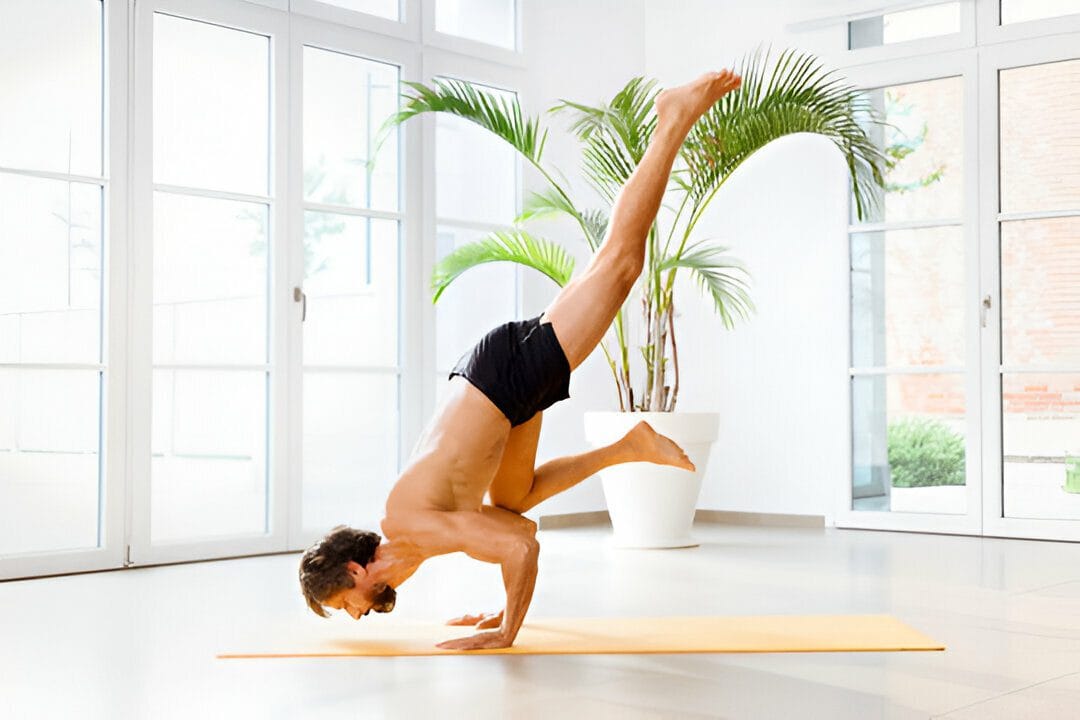
Eka Pada Bakasana ، المعروف أيضًا باسم وضع الغراب ذو الأرجل الواحدة ، هو توازن متقدم للذراع في ممارسة اليوجا. يتطلب هذا الموقف القوة والتوازن والمرونة ، مما يجعله وضعًا صعبًا ولكنه مجزٍ لإتقانه. في هذه المقالة ، سوف نستكشف الفوائد المختلفة لـ Eka Pada Bakasana ، ونقدم إرشادات خطوة بخطوة حول كيفية أداء الوضع بشكل صحيح ، واستكشاف أشكال مختلفة لتعميق ممارستك. سواء كنت من اليوغي المخضرمين وتتطلع إلى تعزيز مهارات توازن ذراعك أو مبتدئًا يرغب في استكشاف أوضاع جديدة ، فإن Eka Pada Bakasana تقدم العديد من الفوائد الجسدية والعقلية التي يمكن أن تأخذ ممارسة اليوجا إلى آفاق جديدة. الفوائد التي يمكن أن تأخذ ممارسة اليوجا الخاصة بك إلى آفاق جديدة.
فوائد إيكا بادا باكاسانا.
Eka Pada Bakasana هو وضع توازن ذراع صعب يوفر العديد من الفوائد للعقل والجسد والروح. فيما يلي بعض الفوائد الرئيسية لممارسة Eka Pada Bakasana:
1 يقوي الذراعين والمعصمين.
يتطلب هذا الوضع من الذراعين والمعصمين تحمل وزن الجسم ، وبالتالي بناء القوة والاستقرار في هذه المناطق. يمكن أن تساعد الممارسة المنتظمة في زيادة قوة الجزء العلوي من الجسم وتحسين القدرة على التحمل بشكل عام للذراع والمعصم.
قصص ذات صلة
 وضعية اليوجا الدوارة: الفوائد والخطوات والاختلافات
 قوة Bhumisparsha Mudra: الكشف عن فوائدها ودليل خطوة بخطوة
2 شد العضلات الأساسية.
Eka Pada Bakasana engages the core muscles, including the abdominal and oblique muscles, as they work to maintain balance and stability in the pose. This can help tone and تقوية النواة, مما يؤدي إلى تحسين الوضعية والاستقرار في الأنشطة البدنية الأخرى.
3 يعزز التوازن والتنسيق.
التوازن على ذراع واحدة مع مد ساق واحدة في الهواء يتحدى التوازن والتنسيق. يمكن للممارسة المنتظمة لـ Eka Pada Bakasana تحسين هذه المهارات ، مما يؤدي إلى تحسين التحكم العام في الجسم والاستقرار.
4 يمتد الوركين والفخذ.
عندما تمتد الساق للخلف في هذا الوضع ، فإنها توفر امتدادًا عميقًا لثنيات الورك والوركين والفخذ. يمكن أن تساعد الممارسة المنتظمة في زيادة المرونة في هذه المناطق وتخفيف التوتر والضيق الذي قد يتراكم بسبب الجلوس لفترات طويلة أو النشاط البدني.
5 يطور التركيز والتركيز.
تتطلب موازنة أوضاع مثل Eka Pada Bakasana تركيزًا وتركيزًا هائلين. من خلال توجيه انتباه العقل إلى اللحظة الحالية ومواءمة الجسم ، يمكن للممارسين تعزيز قدرتهم على التركيز ، وتنمية الشعور باليقظة والوضوح العقلي.
6 يبني الثقة.
يمكن أن يؤدي إتقان توازن الذراع مثل Eka Pada Bakasana إلى غرس الشعور بالإنجاز وتعزيز الثقة بالنفس. مع تقدم الممارسين في ممارستهم وشهدوا نموهم وقدرتهم على التوازن على ذراع واحدة ، فإنهم يطورون إحساسًا أكبر بالثقة بالنفس والإيمان بالنفس.
7 يشجع على الاستقرار العقلي والعاطفي.
تتطلب التحديات الجسدية والعقلية لـ Eka Pada Bakasana من الممارسين إيجاد إحساس بالاستقرار والهدوء وسط الصعوبة. يمكن أن يترجم هذا إلى الحياة اليومية ، مما يساعد الأفراد على تطوير المرونة والصبر والتحكم العاطفي في المواقف الصعبة.
8 يحفز الهضم وإزالة السموم.
يمكن أن يؤدي الضغط العميق لأعضاء البطن في Eka Pada Bakasana إلى تحفيز الهضم والمساعدة في تحسين أداء الجهاز الهضمي. بالإضافة إلى ذلك ، يمكن أن يساعد الوضع في إزالة السموم عن طريق تحفيز الجهاز اللمفاوي وتعزيز القضاء على السموم من الجسم.
| 💡 نصائح verywel fit.com Incorporating Eka Pada Bakasana into your yoga practice can provide a range of physical, mental, and emotional benefits. As with any yoga pose, it’s important to approach it mindfully, listen to your body, and work within your own limitations to prevent injury and promote a safe practice. |
كيف تفعل ايكا بادا باكاسانا؟
إليك دليل خطوة بخطوة حول كيفية ممارسة Eka Pada Bakasana:
1 الاحماء: من المهم أن تدفئ جسمك قبل محاولة أي أوضاع متقدمة. ابدأ ببضع جولات من تحية الشمس أو أي تدفق ديناميكي آخر لتنشيط عضلاتك وزيادة الدورة الدموية.
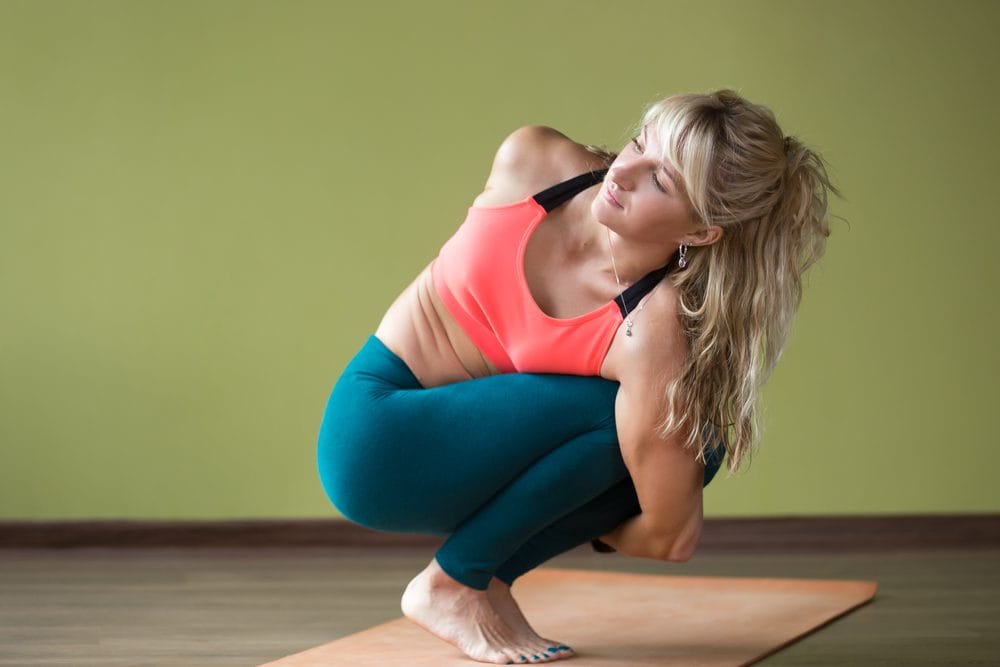
2 الإعداد: ابدأ بالدخول إلى وضع القرفصاء مع تباعد قدميك بعرض الورك. ضع يديك على السجادة أمامك، مع عرض الكتفين، وأصابعك ممتدة على نطاق واسع لتحقيق الثبات.
3 وضع الذراع: ثني مرفقيك قليلاً وضعهما على ركبتيك. سيؤدي ذلك إلى إنشاء رف لساقيك لراحة في وقت لاحق.
4 غيّر وزنك: ابدأ بتحويل وزنك للأمام ، ونقله ببطء من قدميك إلى يديك. أثناء القيام بذلك ، انحني جذعك للأمام واشرك عضلاتك الأساسية للحفاظ على الثبات.
5 ارفع ساق واحدة: ابدأ برفع ساق واحدة عن الأرض ، والانحناء عند الركبة وجلبها نحو صدرك. احتضن الركبة في الإبط قدر الإمكان.
6 التوازن والتركيز: عندما ترفع ساقك ، ابحث عن توازنك من خلال إشراك قلبك وتركيز نظرتك إلى الأمام. سيساعدك هذا على الحفاظ على الاستقرار ومنع أي تذبذب.
7 تمديد الساق: بمجرد أن تشعر بالاستقرار ، ابدأ بتمديد ساقك المرفوعة خلفك مباشرة. حافظ على ساقك وأصابع القدم مدببة للحفاظ على خط مستقيم.
8 توازن الذراع: As you extend your leg, your other leg will naturally lift off the ground. Use the support of your arms and core strength to maintain balance and hold the pose.
9 ابحث عن حافتك: استكشف الوضع من خلال إيجاد حافتك المريحة. يمكنك اللعب مع فرد الساق المرفوعة أو ثني المرفقين قليلاً لتعميق الوضع.
10 تنفس واحتضن: ابق في Eka Pada Bakasana لبضعة أنفاس ، مع الحفاظ على التركيز ، وإيجاد الاستقرار. تذكر أن تتنفس بعمق وبشكل متساوٍ طوال الوضع.
11 الافراج: للخروج من الوضع ، اثنِ مرفقيك ببطء ، واخفض ساقك الممتدة ، وضع كلا القدمين بحذر على السجادة. هز معصميك وخذ لحظة للراحة في وضع الطفل لتحرير أي توتر في جسمك.
| 💡 نصائح verywel fit.com تذكر أن Eka Pada Bakasana هي وضع متقدم يتطلب الممارسة والصبر. من الضروري الاستماع إلى جسدك ، واحترام حدودك ، وعدم إجبار نفسك أبدًا على أي وضع لا يشعر بأنه على ما يرام. تدرب بانتظام ، ومع الوقت والتفاني ، ستحسن تدريجيًا قوتك وتوازنك لإتقان Eka Pada Bakasana. |
إيكا بادا باكاسانا.
هناك العديد من الاختلافات في Eka Pada Bakasana التي يمكن استكشافها لتعميق الممارسة ومواصلة تحدي الذات.
1 إيكا بادا باكاسانا أ.
في هذا الاختلاف ، يبدأ الممارس في وضع القرفصاء مع تباعد اليدين في عرض الكتف على السجادة. ثم يتم وضع ركبة واحدة على الجزء العلوي من الذراع ، بينما تمتد الساق المقابلة بشكل مستقيم إلى الجانب. يتم نقل الوزن للأمام على اليدين حيث ترفع القدم الخلفية عن الأرض ، مما يسمح للجسم بالتوازن على اليدين والركبة الواحدة.
2 إيكا بادا باكاسانا ب.
هذه variation takes the pose يأخذ هذا الاختلاف الوضع إلى المستوى التالي من خلال مد الساقين مباشرة إلى الجانبين. من وضع القرفصاء ، يضع الممارس كلا الركبتين على الجزء العلوي من الذراعين ، ويبقيهما بالقرب من الإبط. ثم يتم نقل الوزن للأمام على اليدين ، ويتم رفع القدمين عن الأرض ، مما يؤدي إلى مد الساقين إلى الجانبين.
| 💡 نصائح verywel fit.com These variations of Eka Pada Bakasana not only challenge the practitioner’s physical strength and balance but also help to cultivate focus, concentration, and mental stability. It is essential to approach these poses with patience and a sense of exploration, listening to the body and honoring its limitations while gradually working towards greater depth and refinement in the practice. |
الخلاصة.
Eka Pada Bakasana, or One-Legged Crow Pose, is a challenging and invigorating yoga pose that offers numerous physical and mental benefits. This pose requires strength, balance, and flexibility, making it a great pose to challenge oneself and improve overall body awareness. By practicing Eka Pada Bakasana regularly, individuals can enhance their core and arm strength, increase their focus and concentration, and improve their overall sense of balance and stability.
علاوة على ذلك ، يمكن أن يوفر هذا الوضع إحساسًا بالتمكين والإنجاز حيث يتحمل المرء الوضع ويستكشف اختلافاته. ومع ذلك ، من المهم التعامل مع هذا الوضع بحذر ومواءمة مناسبة ، والاستماع إلى جسد المرء وبناء القوة والمرونة تدريجيًا. من خلال الممارسة والصبر المنتظمين ، يمكن أن تصبح Eka Pada Bakasana إضافة مجزية وممتعة لممارسة اليوجا.