














 تدرب
تدرب

 تأمل
تأمل






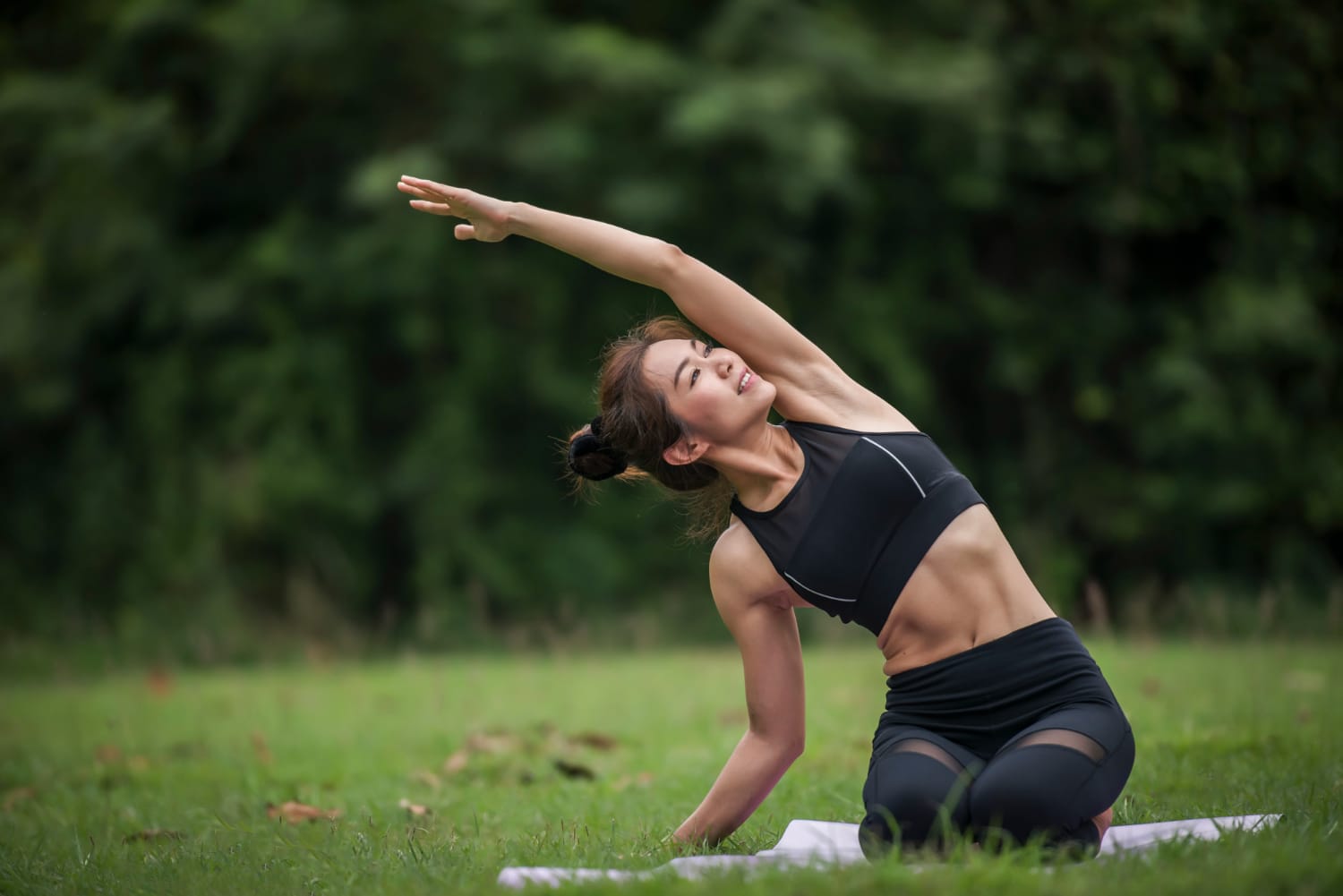
عندما يتحدث الناس عن تحسين التنقل ، غالبًا ما يفكرون على الفور في التمدد.
كنت أفكر بنفس الطريقة.
إذا شعرت بصلابة المفصل ، كان رد فعلي الأول هو شد العضلات المحيطة وتحمل الوضع لعدة ثوانٍ. في حين أن التمدد يمكن أن يكون له مكان في روتين لياقة متوازن ، اكتشفت في النهاية نهجًا آخر غير طريقة تفكيري في التنقل: التناوب المفصلي المتحكم فيه ، والمعروف باسم السيارات.
السيارات بطيئة وحركات متعمدة يتم إجراؤها من خلال نطاق الحركة المتاح للمفصل. بدلاً من مجرد التحرك ذهابًا وإيابًا ، فإن الهدف هو استكشاف أكبر قدر ممكن من النطاق المريح للمفصل والتحكم فيه.
قصص ذات صلة
 كيف تفعل تمارين ضغط الماس القاتل؟
 ما هي أفضل الطرق للحصول على عضلات جذابة ووزن صحي للجسم بدون صالة رياضية
ما يعجبني بشكل خاص في هذا النهج هو بساطته. لا تحتاج بالضرورة إلى أوزان أو آلات أو مساحة كبيرة للتدريب. أنت بحاجة إلى الاهتمام والتحكم والوقت الكافي للتحرك عمدًا.
في هذا الدليل، سأشرح ماهية الدوران المفصلي المتحكم فيه، وكيف تختلف عن التمدد العادي، والمفاصل الرئيسية التي يمكنك تدريبها، والفوائد المحتملة،, أخطاء شائعة, ، وكيف يمكن للمبتدئين دمج السيارات في روتين التنقل.
ما هي التناوب المفصلي المتحكم فيه؟
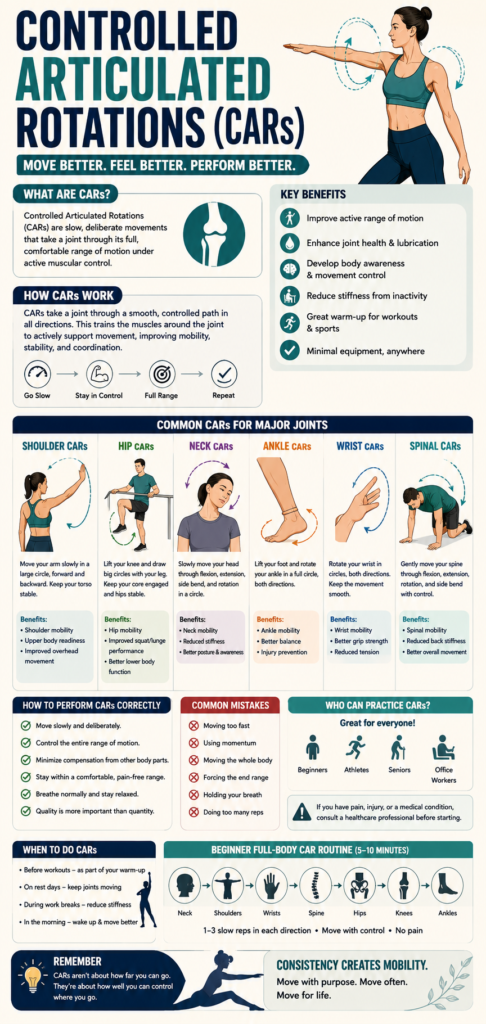
الدوران المفصلي المتحكم فيه (سيارات) عبارة عن حركات بطيئة ونشطة لحركة المفاصل مصممة لأخذ مفصل من خلال نطاق حركته المتاح تحت سيطرة العضلات.
كلمة “متحكم فيها” مهمة.

ليس من المفترض أن تكون السيارات عبارة عن دوائر سريعة يتم إجراؤها بشكل عرضي.
بدلاً من ذلك ، يمكنك التحكم عن قصد في الحركة من البداية إلى النهاية.
على سبيل المثال، أثناء سيارة الكتف، قد ترفع ذراعك ببطء وتدورها عبر قوس كبير وتعيدها إلى وضع البداية أثناء محاولة حافظ على باقي جسدك نسبيا .
يمكن تطبيق نفس المفهوم العام على:
- أكتاف
- الورك
- عنق
- رسوخ
- الدانتيل
- ظهر الكتاب
تستخدم السيارات بشكل شائع في تدريب التنقل ، والقوة والتكييف ، وإعدادات إعادة التأهيل ، وإعداد الحركة.
ما هي السيارات التي تمثلها؟
السيارات تقف على دورات مفصلية متحكم بها.
قد ترى أيضًا العبارة مكتوبة على أنها دورات مفصلية مضبوطة في محتوى اللياقة البدنية.
الفكرة الأساسية هي نفسها: حرك المفصل بنشاط وعمد من خلال نطاقه المتاح بدلاً من الاعتماد فقط على التمدد السلبي.
كيف تعمل التناوب المفصلي الخاضع للرقابة؟
تتضمن السيارة عادةً تحريك المفصل ببطء عبر نطاق كبير ومريح مع الحفاظ على الجسم المحيط ثابتًا نسبيًا.
تخيل أداء سيارة الورك.
بدلاً من مجرد تأرجح ساقك ، يمكنك التحكم بنشاط في الساق أثناء تحركها من خلال أوضاع مختلفة.
وهذا يتطلب التنسيق بين:
- حركة مشتركة
- تقلص العضلات
- ميزان
- الحس العميق
- الاستقرار الأساسي
- التحكم في المحرك
لذلك لا يتعلق التمرين فقط إلى أي مدى يمكنك التحرك.
يتعلق الأمر أيضًا بمدى قدرتك على التحكم في الحركة.
لماذا أجد السيارات مفيدة؟
ما يجعل السيارات مختلفة عن العديد من تمارين التنقل التقليدية هو التركيز على التحكم النشط.
إذا قمت ببساطة بسحب ذراعي إلى امتداد بيدي الأخرى ، فأنا أعتمد جزئيًا على قوة خارجية.
مع السيارة ، يجب على عضلاتي إنشاء الحركة والتحكم فيها بنشاط.
يمكن أن يجعل هذا التمييز ممارسة التنقل أكثر فائدة.
أحب أيضًا أن السيارات تشجعني على الانتباه إلى عدم التماثل.
على سبيل المثال ، قد يشعر أحد الوركين بأنني أكثر سلاسة أو تحكمًا أكثر من الآخر. هذا لا يعني تلقائيًا أن هناك خطأ ما ، ولكن ملاحظة الاختلافات يمكن أن تساعد في توجيه التدريب المستقبلي.
التنقل مقابل المرونة.
غالبًا ما يتم استخدام هذين المصطلحين بالتبادل ، لكنهما ليسا متماثلين تمامًا.
تناسق يشير عمومًا إلى قدرة الأنسجة على الإطالة أو المفصل للتحرك عبر نطاق معين.(1)
قابلية الحركة أوسع ويتضمن القدرة على التحكم بنشاط في الحركة من خلال نطاق من الحركة.
على سبيل المثال ، قد يكون لديك ما يكفي من المرونة السلبية لتحريك ساقك إلى وضع معين ، ولكنك تكافح من أجل وضع ساقك والتحكم فيها بنشاط هناك.
هذا هو أحد الأسباب التي تجعل التدريب على التنقل يكمل التمدد التقليدي.
فوائد التناوب المفصلي الخاضع للرقابة.
السيارات ليست حلاً سحريًا لكل مشكلة في التنقل ، ولا يزال البحث الذي يفحص السيارات نفسها أكثر من ذلك محدودة من البحث عن التنقل الأوسع التدريب.
ومع ذلك ، فإن المبادئ الأساسية لممارسة نطاق الحركة النشطة وممارسة الحركة المنتظمة راسخة بشكل جيد.
الفوائد المحتملة قم بتضمين ما يلي.
1. يساعد في الحفاظ على حركة المفاصل.
يمكن أن يساعد تحريك المفاصل بانتظام من خلال نطاقاتها المتاحة في الحفاظ على سعة الحركة.
يمكن أن يكون هذا مفيدًا بشكل خاص للأشخاص الذين يقضون فترات طويلة في الجلوس أو القيام بأنشطة متكررة.
فعلى سبيل المثال، غالبًا ما يعني العمل المكتبي ساعات مع الوركين والكتفين في أوضاع ثابتة نسبيًا.
يمكن أن يوفر روتين التنقل القصير كسرًا مفيدًا للحركة.
2. يحسن نطاق الحركة النشط.
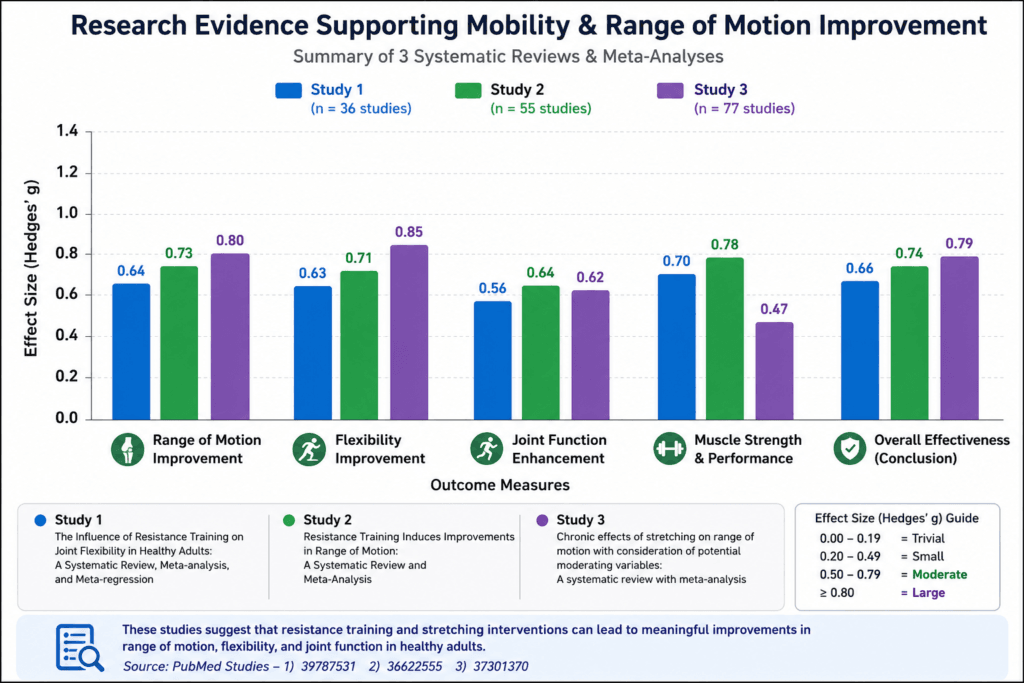
نظرًا لأن السيارات تتطلب تحكمًا عضليًا ، يمكن أن تساعدك على أن تصبح أكثر راحة في التحكم في الحركة بالقرب من حواف النطاق المتاح لديك.(2),(3)
الهدف ليس إجبار مفصل يتجاوز حدوده الطبيعية.
بدلاً من ذلك ، أنت تمارس حركة محكومة ضمن نطاق آمن ومريح.
3. يطور وعي الجسم.
السيارات تتطلب التركيز.
يجب أن تلاحظ:
- حيث يتحرك المفصل
- سواء كانت أخرى أجزاء الجسم يعوضون
- حيث تشعر بالحركة مقيدة
- سواء كانت الحركة تظل سلسة
هذا يمكن أن يحسن من الحس العميق والوعي العام بكيفية تحرك جسمك.
4. يشجع الحركة الخاصة بالمشتركة.
من المشاكل الشائعة أثناء تمارين التنقل السماح لأجزاء أخرى من الجسم بالتعويض.
على سبيل المثال، عندما يقوم شخص ما بتنفيذ ملف حركة الكتف, ، قد يقومون بتدوير جذعهم بدلاً من تحريك الكتف فعليًا عبر مداها.
تشجعك السيارات على تقليل التعويض غير الضروري.
هذا يجعل التمرين أكثر تحديدًا للمفصل الذي تحاول تدريبه.
5. يمكن استخدامها كإحماء.
يمكن دمج السيارات في الإحماء قبل تدريب القوة أو الرياضة أو الأنشطة البدنية الأخرى.
يمكن أن تساعدك بعض التكرار الخاضع للرقابة على الاستعداد عقليًا وجسديًا للحركة.
ومع ذلك ، يجب أن تكون السيارات بشكل عام لطيفة بدلاً من أن تكون مرهقة.
6. يتطلب الحد الأدنى من المعدات.
واحدة من أكبر المزايا هي إمكانية الوصول.
لا تتطلب معظم تمارين السيارة أكثر من جسدك.
يعني ممكن تمارسهم:
- في المنزل
- في صالة الألعاب الرياضية
- في العمل
- أثناء السفر
- قبل التمرين
7 . قد يساعد في تقليل الصلابة من عدم النشاط.
يمكن أن تترك فترات طويلة من عدم النشاط المفاصل متيبسة.
قد تساعدك الحركة النشطة اللطيفة على الشعور بتقييد أقل بعد الجلوس لفترات طويلة.
بالنسبة لشخص يعمل في مكتب ، يمكن أن يكون استراحة قصيرة للتنقل أكثر عملية من محاولة التكيف مع تمرين كامل.
8. يدعم جودة الحركة.
التنقل لا يقتصر فقط على تحقيق النطاقات القصوى.
تتطلب الحركة الجيدة أيضًا السيطرة.
تشجع السيارات على الحركة البطيئة والمتعمدة ، والتي يمكن أن تساعدك على أن تصبح أكثر دراية بالمجموعة المتاحة لديك.
أنواع التدوير المفصلي الخاضع للرقابة.
يمكن أداء السيارات للعديد من المفاصل.
بعض من أكثرها شيوعاً تشمل:
- سيارات الكتف
- سيارات الورك
- سيارات الرقبة
- سيارات الكاحل
- سيارات المعصم
- سيارات العمود الفقري
دعونا نلقي نظرة على كل واحد.
سيارات الكتف.
سيارات الكتف هي من بين أكثر الاختلافات شعبية.
وهي تنطوي على تحريك الذراع ببطء عبر مسار دائري كبير أثناء محاولة الحفاظ على استقرار الجذع.
كيف تنفذ سيارة الكتف؟
- قف منتصبا.
- حافظ على قلبك مشغولاً بلطف.
- ابدأ بذراع واحدة بجانب جسمك.
- ارفع الذراع ببطء إلى الأمام.
- استمر في تحريكه في السماء.
- قم بتدوير الذراع أثناء تحركه خلفك.
- أعده إلى وضع البداية.
- عكس الحركة.
تحرك ببطء طوال الوقت.
تجنب إجبار الكتف على وضع مؤلم.
ما هي سيارات الكتف التي تستهدف؟
أنها تنطوي على حركة في مجمع الكتف بينما تتطلب أيضا الاستقرار من:
- قلب
- الجزء العلوي من الظهر
- عضلات الكتف
سيارات الورك.
سيارات الورك مفيدة بشكل خاص للأشخاص الذين يرغبون في تطوير وعي أكبر والتحكم في حركة الورك.
كيف تنفذ سيارة الورك؟
يمكنك أداء هذا الوقوف مع التمسك بسطح مستقر.
- قف شامخًا.
- انقل وزنك إلى ساق واحدة.
- ارفع الركبة المعاكسة.
- حرك الركبة ببطء للخارج.
- استمر في تدوير الساق للخلف.
- إعادته إلى وضع البداية.
- عكس الحركة.
حافظ على ثبات جذعك قدر الإمكان.
تجنب قلب الجسم بالكامل لخلق حركة إضافية.
سيارات الرقبة.
تتضمن سيارات الرقبة تحريك العمود الفقري العنقي برفق من خلال نطاق متحكم فيه.
لأن الرقبة حساسة ، يجب أن يتم إجراؤها ببطء بشكل خاص.
يمكنك التحرك برفق من خلال:
- انثناء
- تمديد
- تناوب
- الانحناء الجانبي
لا تجبر الرقبة أبدًا على وضع مؤلم أو متطرف.
سيارات الكاحل.
سيارات الكاحل بسيطة ويمكن أداؤها أو الوقوف.
ارفع قدمًا واحدة قليلاً عن الأرض وقم بتدوير الكاحل ببطء من خلال النطاق المتاح له.
يمكن أن يكون هذا مفيدًا كجزء من عملية الإحماء قبل:
- مائع
- ركوع
- مشى بقصى
- أنشطة القفز
سيارات المعصم.
يمكن أن تكون سيارات المعصم مفيدة بشكل خاص للأشخاص الذين تتضمن أنشطتهم حركات يدوية متكررة.
قم بتدوير المعصم ببطء في اتجاه واحد ثم في الاتجاه الآخر.
يمكن دمجها بسهولة في الإحماء قبل:
- رفع الأثقال
- يوجا
- رياضة بدنية
- عمل كثيف للطباعة
سيارات العمود الفقري.
تختلف تمارين تنقل العمود الفقري إلى حد ما عن دورات المفاصل المعزولة لأن العمود الفقري يتكون من مفاصل متعددة.
يمكن أن تشمل حركات العمود الفقري التي يتم التحكم فيها الانثناء المنسق بعناية والتمديد والدوران والحركة الجانبية.
يجب أن يتم ذلك في نطاق مريح بدلاً من إجبار العمود الفقري على وضعية متطرفة.
كيف تنفذ السيارات بشكل صحيح؟
جودة الحركة مهمة أكثر من عدد التكرارات.
ها هي المبادئ التي أركز عليها.
تحرك ببطء.
يجب أن تستغرق السيارة عدة ثوانٍ بدلاً من أن يتم إجراؤها بسرعة.
الحفاظ على السيطرة.
لا تسمح للزخم بحمل المفصل من خلال الحركة.
تقليل التعويض.
حاول أن تبقي أجزاء أخرى من جسمك ثابتة نسبيًا.
استخدم نطاقًا مريحًا.
قد يتغير النطاق المتاح لديك من يوم لآخر.
لا تجبره.
تنفس بشكل طبيعي.
تجنب حبس أنفاسك دون داع.
يمكن أن يساعدك التنفس البطيء على البقاء مسترخيًا ومركزًا.
كم عدد السيارات التي يجب أن تفعلها؟
لا تحتاج عمومًا إلى العشرات من التكرار.
بالنسبة للعديد من المبتدئين ، يمكن أن تكون 1-3 تكرارات بطيئة لكل مفصل في كل اتجاه كافية لتقديم الحركة.
الهدف هو الجودة وليس التعب.
عندما تصبح أكثر خبرة ، يمكنك ضبط المدة والنطاق وعدد التكرارات وفقًا لأهدافك وبرنامجك التدريبي.
من يمكنه ممارسة التناوب المفصلي الخاضع للرقابة؟
يمكن أن تكون السيارات مفيدة لـ:
- ممارسون ترفيهية.
- الرياضيون.
- عشاق تدريب القوة.
- ممارسو اليوجا.
- عمال مكتب.
- الأشخاص المهتمون بالتدريب على التنقل.
ومع ذلك ، فإن وجود إصابة معينة أو حالة طبية يمكن أن يغير الحركات المناسبة.
إذا كان المفصل مؤلمًا للغاية أو منتفخًا أو غير مستقر أو مصابًا مؤخرًا ، فمن الأفضل طلب المشورة الفردية بدلاً من محاولة تعبئته بقوة.
روتين التناوب المفصلي المتحكم فيه للمبتدئين.
إذا كنت جديدًا تمامًا على السيارات ، فلن تحتاج إلى روتين معقد.
جرب:
| حركة | مضاعفات |
|---|---|
| سيارات الرقبة | 1 كل اتجاه |
| سيارات الكتف | 2 كل جانب |
| سيارات المعصم | 2 كل اتجاه |
| سيارات الورك | 2 كل جانب |
| سيارات الكاحل | 2 كل جانب |
| حركة لطيفة في العمود الفقري | 2-3 مضاعفات |
يمكن أن يستغرق التسلسل بأكمله بضع دقائق فقط.
الجزء المهم هو أن تظل مدروسًا وتجنب تحويل الروتين إلى سلسلة من الدوائر السريعة.
ما هو أفضل وقت للقيام بالدورات المفصلية الخاضعة للرقابة؟
لا يوجد وقت واحد صحيح عالميًا لأداء السيارات. يعتمد أفضل توقيت على ما تحاول تحقيقه.
قبل التمرين.
يمكن للسيارات تعاون كجزء من عملية إحماء عامة.
على سبيل المثال، قبل التمرين، قد تؤدي:
- سيارات الورك
- سيارات الكاحل
- حركة لطيفة في العمود الفقري
قبل جلسة الجزء العلوي من الجسم، يمكنك أن تشمل:
- سيارات الكتف
- سيارات المعصم
- حركات الحركية الصدرية
الهدف ليس تعب نفسك. حافظ على الحركات متحكم فيها وحجم منخفض نسبيًا.
في أيام الراحة.
يمكن أن تكون السيارات مفيدة أيضًا في الأيام التي لا تقوم فيها بتمرين متطلب.
يمكن لبضع دقائق من حركة المفصل اللطيفة أن توفر فرصة للبقاء نشطًا دون خلق إجهاد تدريبي كبير.
أثناء فترات الراحة.
إذا كنت تقضي عدة ساعات جالسًا على مكتب ، يمكن أن تكون فترات الراحة القصيرة للحركة ذات قيمة.
بدلاً من البقاء في نفس الوضع لساعات ، يمكنك الوقوف وإجراء بعض حركات الكتف أو الورك أو الكاحل اللطيفة.
كجزء من روتين الصباح.
يستمتع بعض الناس باستخدام السيارات بعد فترة وجيزة من الاستيقاظ.
يمكن أن تساعدك الحركات على إدراك المناطق التي تشعر بالصلابة بعد النوم.
ومع ذلك ، لا تجبر المفاصل على تيبس فور الاستيقاظ. ابدأ بلطف واترك جسمك ينفض تدريجيًا.
دورات مفصلية متحكم فيها قبل تدريب القوة.
أحد أكثر استخدامات السيارات العملية هو الاستعداد لتدريب القوة.
لنفترض أنك تخطط للقرفصاء.
قد تستخدم:
- سيارات الكاحل
- سيارات الورك
- حركة لطيفة في العمود الفقري
إذا كنت تقوم بتدريب الجزء العلوي من جسمك، يمكنك استخدام:
- سيارات الكتف
- سيارات المعصم
- حركة الصدر
بعد هذا العمل التنقل العام ، قم بإجراء مجموعات الإحماء العادية الخاصة بالنشاط.
على سبيل المثال ، قبل القرفصاء الثقيلة ، لا تعتمد على السيارات وحدها. زيادة الحمل تدريجيًا من خلال عدة مجموعات إحماء.
سيارات للرياضيين.
يحتاج الرياضيون في كثير من الأحيان إلى مزيج من:
- صلابة
- سلطات
- قابلية الحركة
- تنسيق
- ثبات
يمكن تضمين السيارات كأحد مكونات برنامج تدريبي أوسع.
قد يؤكد العداء على حركة الكاحل والورك.
قد يقضي السباح وقتًا أطول في حركة الكتف.
قد يركز رافع الأثقال على الكتفين والوركين والكاحلين والعمود الفقري الصدري.
يجب أن يكون الهدف هو تلبية متطلبات الحركة للرياضة بدلاً من أداء كل سيارة ممكنة لمجرد ذلك.
التنقل مقابل التمدد: أيهما أفضل؟
هذا سؤال شائع.
الجواب هو أنهم يخدمون أغراضًا مختلفة.
التمدد بشكل عام يؤكد زيادة أو الحفاظ على المرونة.
يركز تدريب التنقل على نطاق أوسع على القدرة على تحريك المفصل والتحكم فيه من خلال نطاق من الحركة.
على سبيل المثال ، قد يكون لدى شخص ما ما يكفي من مرونة أوتار الركبة السلبية للوصول إلى أصابع قدمه ولكنه لا يزال يكافح للتحكم بنشاط في حركات الورك معينة.
لهذا السبب لا أرى السيارات وأمتد إلى نواة متنافسة.
يمكنهم أن يكملون بعضهم البعض.
A روتين متوازن قد تشمل:
- سيارات للتنقل النشط
- حركات ديناميكية قبل التمرين
- التمدد الثابت عند الاقتضاء
- تدريب القوة من خلال نطاقات مفيدة للحركة
الأخطاء الشائعة عند أداء السيارات.
تبدو السيارات بسيطة ، لكن جودة التنفيذ مهمة.
1. تتحرك بسرعة كبيرة.
ربما هذا هو الأكثر خطأ شائع.
تخلق الدوائر السريعة زخمًا ، مما يجعل الحركة أسهل ولكنها تقلل من مقدار التحكم النشط المطلوب.
تبطئ.
2. استخدام الزخم.
إذا كنت تتأرجح ذراعك أو ساقك ، فأنت لم تعد تؤدي الحركة بالطريقة المراد التحكم فيها.
فكر في توجيه كل جزء من التناوب بنشاط.
3. تحريك الجسم كله.
على سبيل المثال ، أثناء سيارة الكتف ، قد تقوم بتدوير جذعك عن طريق الخطأ لإنشاء نطاق كتف ظاهر أكبر.
حاول الحفاظ على استقرار الجذع.
4. إجبار المدى النهائي.
المزيد من الحركة ليس تلقائيًا أفضل.
إن محاولة إجبار مفصل أبعد مما يريد بشكل مريح أن تتسبب في الألم أو التهيج.
العمل ضمن نطاقك الحالي الذي يمكن التحكم فيه.
5. حبس أنفاسك.
بعض الناس يحبسون أنفاسهم دون وعي عند التركيز.
حاول الحفاظ على استرخاء وثبات التنفس.
6. القيام بالكثير من التكرار.
السيارات ليست مصممة لارهاق العضلات.
يمكن أن تكون بعض التكرارات عالية الجودة أكثر فائدة من العشرات من التكرارات المتسرعة.
هل يجب أن تؤذي السيارات؟
يجب ألا يكون تمرين الحركة الذي يتم إجراؤه بشكل صحيح مؤلمًا.
قد تلاحظ:
- جهد عضلي خفيف
- امتداد لطيف
- تصلب
- شعور بالتقييد
لكن الألم الحاد أو الشديد أو المتفاقم هو سبب للتوقف.
يمكن أن يكون للألم أسباب كثيرة، لذا لا تفترض أن التغلب عليه سيحدث تحسين التنقل.
إذا كنت تعاني من آلام المفاصل المستمرة أو التورم أو عدم الاستقرار أو التنميل أو إصابة حديثة ، فاطلب المشورة من أخصائي رعاية صحية مؤهل بشكل مناسب.
كيف تتقدم في ممارسة سيارتك؟
بمجرد أن تصبح الحركة الأساسية مريحة ، لا يعني التقدم بالضرورة القيام بمزيد من التكرار.
يمكنك التقدم من خلال تحسين:
السيطرة.
اجعل الحركة أبطأ وأكثر تعمدًا.
النطاق.
استكشف تدريجيًا نطاقًا أكبر قليلاً إذا ظل مريحًا ومتحكمًا فيه.
الاستقرار.
تقليل الحركة غير الضرورية في أي مكان آخر من الجسم.
القوة.
تجمع بعض برامج التنقل المتقدمة بين حركات المفاصل الخاضعة للرقابة وتمارين التقوية.
الاتساق.
يمكن أن تكون ممارسة بضع دقائق بانتظام أكثر استدامة من الجلسات الطويلة العرضية.
روتين سيارة لمدة 10 دقائق.
إليك روتين بسيط يمكنك استخدامه في المنزل.
| حركة | توقيت |
|---|---|
| سيارات الرقبة | 1 دقيقة |
| سيارات الكتف | 2 دقيقة |
| سيارات المعصم | 1 دقيقة |
| حركة العمود الفقري | 1 دقيقة |
| سيارات الورك | 2 دقيقة |
| حركة الركبة | 1 دقيقة |
| سيارات الكاحل | 2 دقيقة |
تحرك ببطء وأداء كل تمرين على كلا الجانبين عند الاقتضاء.
يمكنك تعديل الروتين حسب احتياجاتك.
سيارات لعمال المكاتب.
إذا كنت تجلس لعدة ساعات كل يوم ، فلن يحتاج روتين حركتك إلى أن يكون معقدًا.
حاول أخذ استراحة قصيرة بين الحين والآخر من أجل:
- وقف
- تجوال
- حرك كتفيك
- قم بتدوير معصميك
- أداء حركات الورك اللطيفة
- حرك كاحليك
يمكن تضمين السيارات كجزء من كسر الحركة هذا.
ومع ذلك ، لا يمكن لأي تمرين واحد أن يعوض الجلوس المطول تمامًا. المشي المنتظم وتغيير الأوضاع على مدار اليوم هي أيضًا ذات قيمة.
سيارات للعدائين.
الجري ينطوي على حركة متكررة، لذلك قد يستفيد العدائون من الانتباه إلى التنقل في:
- الدانتيل
- الورك
- العمود الفقري الصدري
قد يستخدم العداء سيارات الكاحل والورك اللطيفة قبل جلسة تدريب ، متبوعًا بإحماء ديناميكي أكثر تقليدية.
يجب ألا تحل السيارات محل التحضير الخاص بالجري.
سيارات لتدريب القوة.
غالبًا ما يحتاج الرياضيون ذوو القوة إلى تنقل كافٍ لأداء التمارين بأمان وفعالية.
مثلا:
تدريب القرفصاء.
ركز على:
- الدانتيل
- الورك
- ظهر الكتاب
الصحافة مقاعد البدلاء.
ركز على:
- أكتاف
- رسوخ
- الجزء العلوي من الظهر
الصحافة العلوية.
ركز على:
- أكتاف
- العمود الفقري الصدري
- رسوخ
مرة أخرى ، التنقل هو جزء واحد فقط من التقنية الجيدة. لا يزال اختيار الحمل المناسب وتدريب القوة التدريجي ضروريين.
كم مرة يجب أن تصنع السيارات؟
بالنسبة للتنقل العام ، يمكن ممارسة السيارات بانتظام لأنها تتطلب القليل من المعدات والتعب المنخفض نسبيًا.
النهج البسيط هو:
المبتدئين: 3-4 أيام في الأسبوع
متوسط: 4-6 أيام في الأسبوع
الممارسون ذوو الخبرة: جلسات يومية قصيرة إذا كانت مريحة
لا يوجد شرط لأداء كل مفصل كل يوم.
اختر الحركات بناءً على أهدافك وكيف يشعر جسمك.
هل يمكن للسيارات تحسين المرونة؟
قد تساعدك السيارات على أن تصبح أكثر راحة في استخدام نطاق حركتك المتاح ، ولكن لا ينبغي اعتبارها بديلاً لكل نوع من التدريبات المرنة.
إذا تحسين المرونة هو هدفك الأساسي ، يمكنك الجمع بين السيارات والتمدد المناسب.
مثلا:
قبل التمرين:
- سيارات
- حركات ديناميكية
بعد التمرين أو جلسة منفصلة:
- التمدد الثابت
- عمل تنقل مريح
هل يمكن للسيارات المساعدة في الوقاية من الإصابات؟
من المغري أن نقول إن تمارين التنقل تمنع الإصابات ، لكن الأدلة لا تدعم تقديم مثل هذا الضمان الواسع.
تعتمد مخاطر الإصابة على العديد من العوامل، بما في ذلك:
- حجم التدريب
- كثافة التدريب
- أسلوب
- إصابات سابقة
- إحياء
- هجع
- تغذية
- تشريح فردي
يمكن أن تكون السيارات مكونًا مفيدًا لبرنامج الحركة والتكييف ، ولكن لا ينبغي معاملتها على أنها بوليصة تأمين ضد الإصابة.
من يجب أن يكون حذرا مع السيارات؟
السيارات هي حركات منخفضة المعدات بشكل عام ، لكن هذا لا يعني أنها مناسبة لكل موقف.
توخ الحذر إضافي إذا كان لديك:
- الجراحة الأخيرة
- إصابة المفاصل الحادة
- عدم استقرار مشترك كبير
- ألم شديد
- تورم غير مبرر
- الأعراض العصبية
يمكن للمعالج الفيزيائي أو غيره من أخصائي الرعاية الصحية المؤهل المساعدة في تحديد الحركات المناسبة لموقفك الخاص.
الأسئلة المتداولة.
1. ما هي التناوب المفصلي المتحكم فيه؟
تعتبر الدوران المفصلي الخاضع للرقابة ، والتي تسمى السيارات ، حركات بطيئة ومتعمدة تأخذ مفصلًا من خلال نطاق حركته المتاح تحت سيطرة عضلات نشطة.
2. ما هو الغرض من السيارات؟
الغرض الرئيسي هو تطوير تنقل نشط للمفصل ، والتحكم في الحركة ، والوعي بنطاق الحركة المتاح.
3. هل يستطيع المبتدئون القيام بالسيارات؟
نعم. يمكن للمبتدئين البدء بحركات بسيطة وبطيئة ونطاق حركة مريح.
4. كم عدد السيارات التي يجب أن أفعلها؟
لا تحتاج عمومًا إلى الكثير من التكرار. يمكن أن يكون واحد إلى ثلاثة تكرارات خاضعة للرقابة لكل مفصل نقطة انطلاق معقولة.
5. هل يمكنني عمل السيارات كل يوم؟
يمكن للعديد من الأشخاص أداء سيارات لطيفة بشكل متكرر ، ولكن يجب تعديل روتينك وفقًا لاحتياجاتك الفردية وحمل التدريب وصحة المفاصل.
6. هل السيارات هي نفسها التمدد؟
لا التمدد بشكل عام يؤكد طول الأنسجة ومرونتها، بينما تؤكد السيارات على الحركة والتحكم النشطين من خلال نطاق المفصل.
7 هل يمكن للسيارات أن تحل محل الإحماء؟
ليس تماما. يمكن أن تكون السيارات أحد مكونات الإحماء ، ولكن يجب أن تتضمن التمارين الشاقة عمومًا تحضيرًا خاصًا بالنشاط ومجموعات إحماء تدريجية.
8. هل يمكن للسيارات تحسين تنقل المفاصل؟
قد تساعد في الحفاظ على القدرة على الحركة النشطة أو تحسينها عند ممارستها باستمرار ، على الرغم من اختلاف النتائج الفردية.
9. هل السيارات جيدة للرياضيين؟
يمكن أن تكون مفيدة كجزء من برنامج أوسع للتنقل وإعداد الحركة المصممة لرياضة الرياضي.
خطة سيارة أسبوعية بسيطة.
إذا كنت تريد روتينًا مباشرًا ، فلا داعي لأن تجعله معقدًا.
الاثنين.
كتف + هيب + سيارات
الثلاثاء.
الرقبة + الرسغ + حركة العمود الفقري
الأربعاء.
روتين السيارة كامل الجسم
الخميس.
الراحة أو الحركة اللطيفة
الجمعة.
كتف + هيب + سيارات
السبت.
حركه كامله الجسم
الأحد.
الراحة أو الحركة اللطيفة
اجعل كل جلسة قصيرة وركز على الجودة.
الأفكار النهائية.
دورات مفصلية متحكم بها هي نهج بسيط ولكنه مدروس للتدريب على التنقل. بدلاً من مطاردة المرونة القصوى أو أداء دوائر مشتركة سريعة ، تشجعك السيارات على الإبطاء والانتباه والتحكم بنشاط في نطاق حركتك المتاحة.
هذا ما يجعلها مفيدة.
يمكنك أداء سيارات الكتف قبل تمرين الجزء العلوي من الجسم ، أو سيارات الورك والكاحل قبل تدريب الجزء السفلي من الجسم ، أو روتين قصير لكامل الجسم أثناء استراحة من الجلوس. إنها تتطلب القليل من المعدات أو لا تتطلب أي معدات ويمكن تكييفها مع مستويات اللياقة المختلفة.
ومع ذلك ، لن أتعامل مع السيارات كحل معجزة. إنها أداة واحدة ضمن صورة أكبر بكثير للصحة البدنية. تظل تدريبات القوة وتمارين القلب والأوعية الدموية والتعافي الكافي والتغذية الجيدة والحركة المنتظمة والرعاية الطبية المناسبة مهمة.
إذا كنت جديدًا في مجال التنقل ، فابدأ بشكل متحفظ. تحرك ببطء ، وتجنب إجبار مفاصلك ، وانتبه لكيفية استجابة جسمك. مع الاتساق ، يمكن أن تصبح السيارات جزءًا مفيدًا من روتين الحركة الجيد.
+3 مصادر
لدى VeryWelfit إرشادات صارمة بشأن المصادر وتعتمد على الدراسات التي راجعها الأقران ومعاهد البحوث التعليمية والمنظمات الطبية. نتجنب استخدام المراجع من الدرجة الثالثة. يمكنك معرفة المزيد حول كيفية ضمان دقة المحتوى الخاص بنا وتحديثه من خلال قراءة سياسة التحرير.
- تأثير تدريب المقاومة على مرونة المفاصل لدى البالغين الأصحاء: مراجعة منهجية ، وتحليل تلوي ، وانحدار تلوي ؛; https://pubmed.ncbi.nlm.nih.gov/39787531/
- يؤدي تدريب المقاومة إلى تحسينات في نطاق الحركة: مراجعة منهجية وتحليل تلوي ؛; https://pubmed.ncbi.nlm.nih.gov/36622555/
- التأثيرات المزمنة للتمدد على نطاق الحركة مع النظر في المتغيرات المعتدلة المحتملة: مراجعة منهجية مع التحليل التلوي ؛; https://pubmed.ncbi.nlm.nih.gov/37301370/