














 Workout

 Meditation




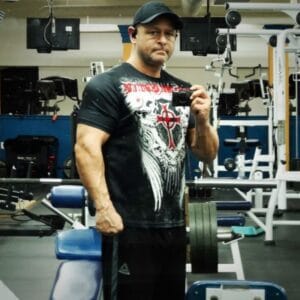

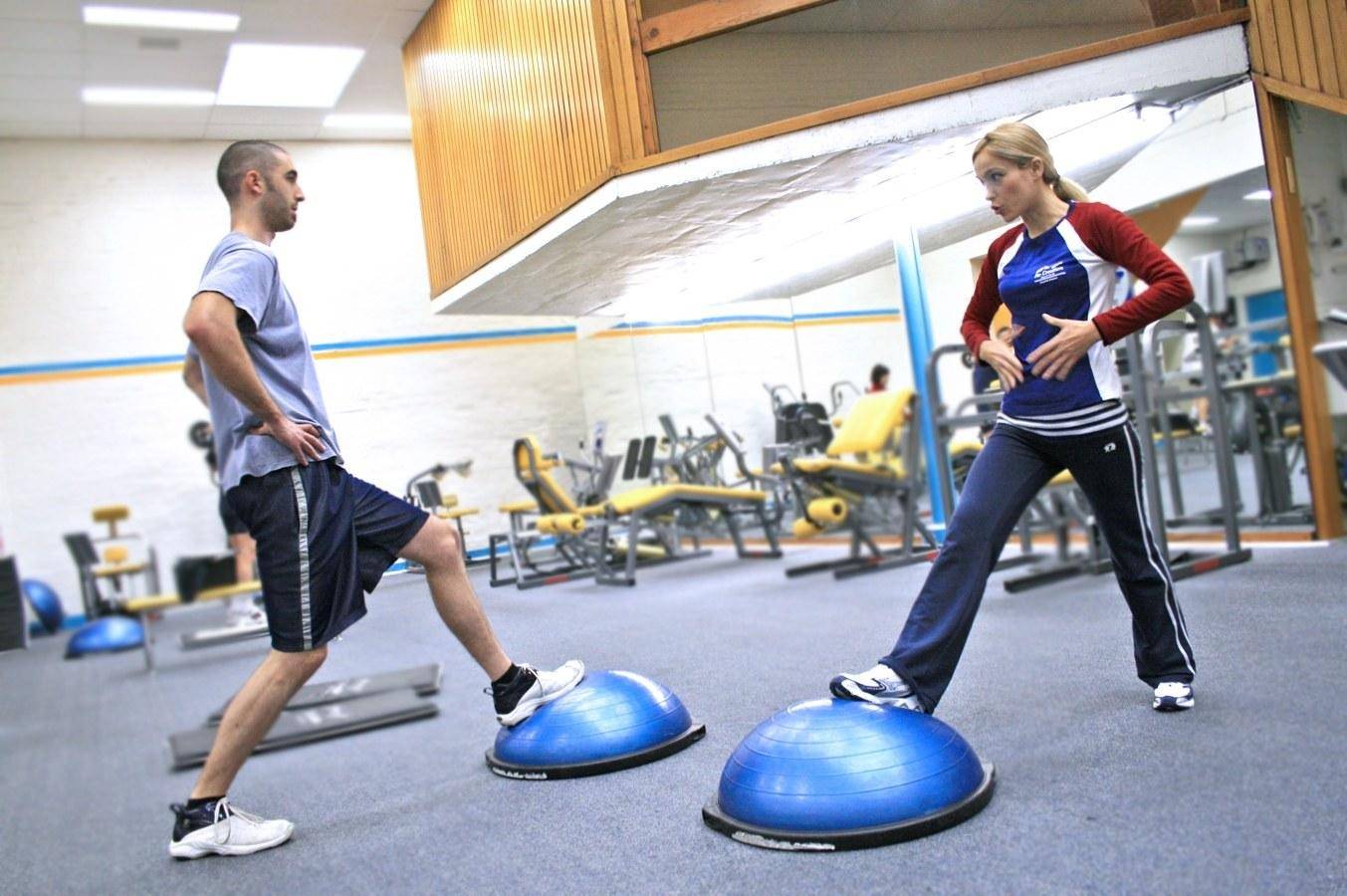
Personal trainers and small studio owners face a familiar challenge. Clients want variety and results, which means access to good equipment. But commercial-grade treadmills, racks, rowers and cable machines are expensive, and small studios often operate on tight budgets. Buying everything upfront can drain cash before the business has a stable client base.
Renting or leasing gym equipment offers a flexible alternative. It helps trainers launch faster, test new programs and adapt their space as their business grows. This guide explains how equipment rental works for fitness professionals and how to make smart decisions.
Why Results Depend on More Than Equipment?
Clients often blame equipment when progress stalls, but results usually depend on consistency, nutrition and program design. VeryWelFit’s article on reasons you are not losing weight when you exercise and diet is a good reminder that equipment is only one part of the picture. That is exactly why trainers should be careful about spending heavily on machines before understanding what their clients actually need.
What Fitness Professionals Rent?
Cardio equipment.
- Commercial treadmills
- Air bikes and spin bikes
- Rowing machines
- Ski ergometers
Strength equipment.
- Squat and power racks
- Benches
- Dumbbell and kettlebell sets
- Cable machines and functional trainers
- Plate-loaded machines
Specialty equipment.
- Pilates reformers
- Sleds and turf
- Body composition scanners
- Recovery tools such as compression systems and massage guns
Benefits of Renting.
Lower startup costs.
Renting reduces the capital needed to open a studio, leaving money for marketing, insurance and staff.
Related Stories
 The Exercises You Can Do in the Gym to Be a Better Swimmer
 Will I Lose Belly, Chest and Thigh Fat if I Cycle Every Day For 2 Months?
Flexibility to test programs.
Want to launch a rowing class or reformer sessions? Rent equipment for a few months and gauge demand.
Upgrade easily.
Fitness technology evolves. Renting allows upgrades to newer models.
Maintenance support.
Many rental agreements include servicing, which reduces downtime and repair costs.
Seasonal scaling.
January and pre-summer periods are busy. Rent extra equipment for peaks and return it afterward.

When Buying Makes Sense?
- Basic items like mats, bands and light dumbbells are inexpensive to buy.
- Equipment used every day for years may be cheaper to own.
- Used commercial equipment in good condition can be excellent value.
Professional Standards.
Clients trust trainers to keep them safe. Organizations such as the American Council on Exercise (ACE) provide certifications, continuing education and resources on safe exercise programming. Ensure your equipment matches your qualifications and that clients are properly instructed before using machines.
Safety checklist:
- Inspect equipment before each session.
- Follow manufacturer guidelines for use and maintenance.
- Keep adequate spacing between machines.
- Clean equipment between clients.
- Maintain liability insurance.
Choosing a Rental Provider.
Ask potential suppliers:
- Is the equipment commercial grade?
- Is maintenance included, and how fast are repairs?
- What are the minimum terms?
- Can I swap or upgrade equipment?
- Are delivery and installation included?
- Is there a rent-to-own option?
Reliable suppliers usually manage contracts, maintenance and deliveries with fitness equipment rental software, which tends to mean better service tracking and faster response when something needs attention.
Designing Your Studio Space.
- Separate cardio, strength and stretching zones.
- Use rubber flooring in strength areas.
- Ensure good ventilation and lighting.
- Plan for storage of small equipment.
- Leave clear walkways and emergency exits.
Mobile and In-Home Trainers.
Mobile trainers can rent portable equipment for client homes, outdoor bootcamps or corporate wellness events. Renting avoids filling a vehicle with gear that is used only occasionally.
Calculating Return on Investment.
Compare monthly rental costs with the revenue each piece of equipment helps generate. If a rented reformer supports eight paid sessions a week, it may pay for itself quickly. If equipment sits unused, return it.
Frequently Asked Questions.
1. Can I rent equipment for outdoor bootcamps?
Yes. Many suppliers rent portable kettlebells, sleds, mats and agility gear for outdoor sessions.
2. How do I know if a rental is profitable?
Track how many paid sessions use each item each week and compare that revenue with the monthly rental cost.
3. Should I offer clients equipment rentals?
Some trainers rent home equipment to clients between sessions. If you do, make sure you have clear agreements and insurance.
A Sample Startup Equipment Plan.
For a small studio training 30 to 40 clients a week, a practical starting setup might include two rented racks, one rented rower, one rented air bike, owned dumbbells and kettlebells, owned mats and bands and one rented reformer for a trial period. Review after three months and adjust.
Final Thoughts.
Renting gym equipment helps personal trainers and small studios launch with less risk, test new offerings and scale with demand. Focus your investment on what truly drives client results, including coaching, programming and community, and use rented equipment to support your services flexibly. Your clients get variety and results, and your business stays financially healthy.